Why I Shoot Film
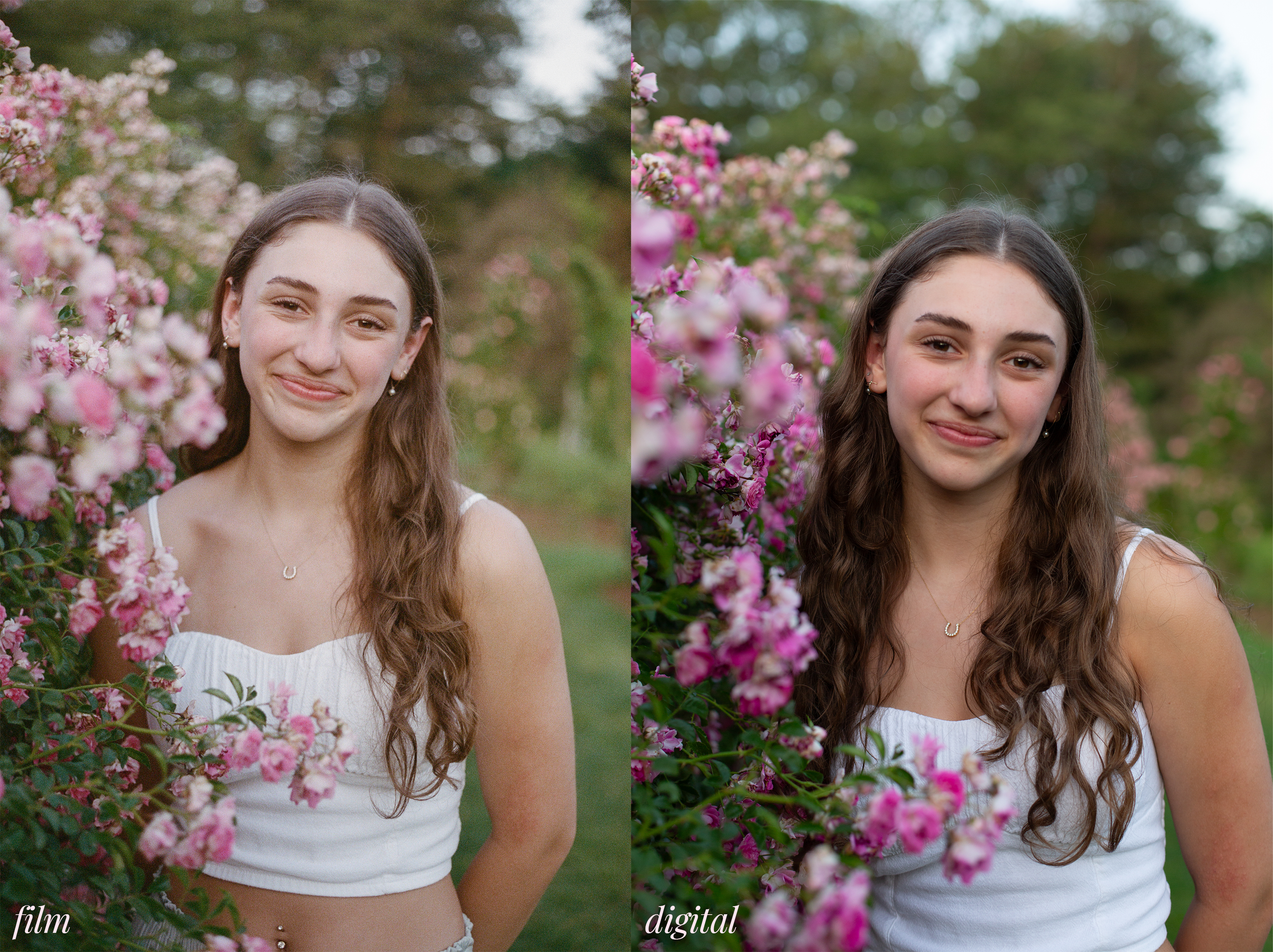
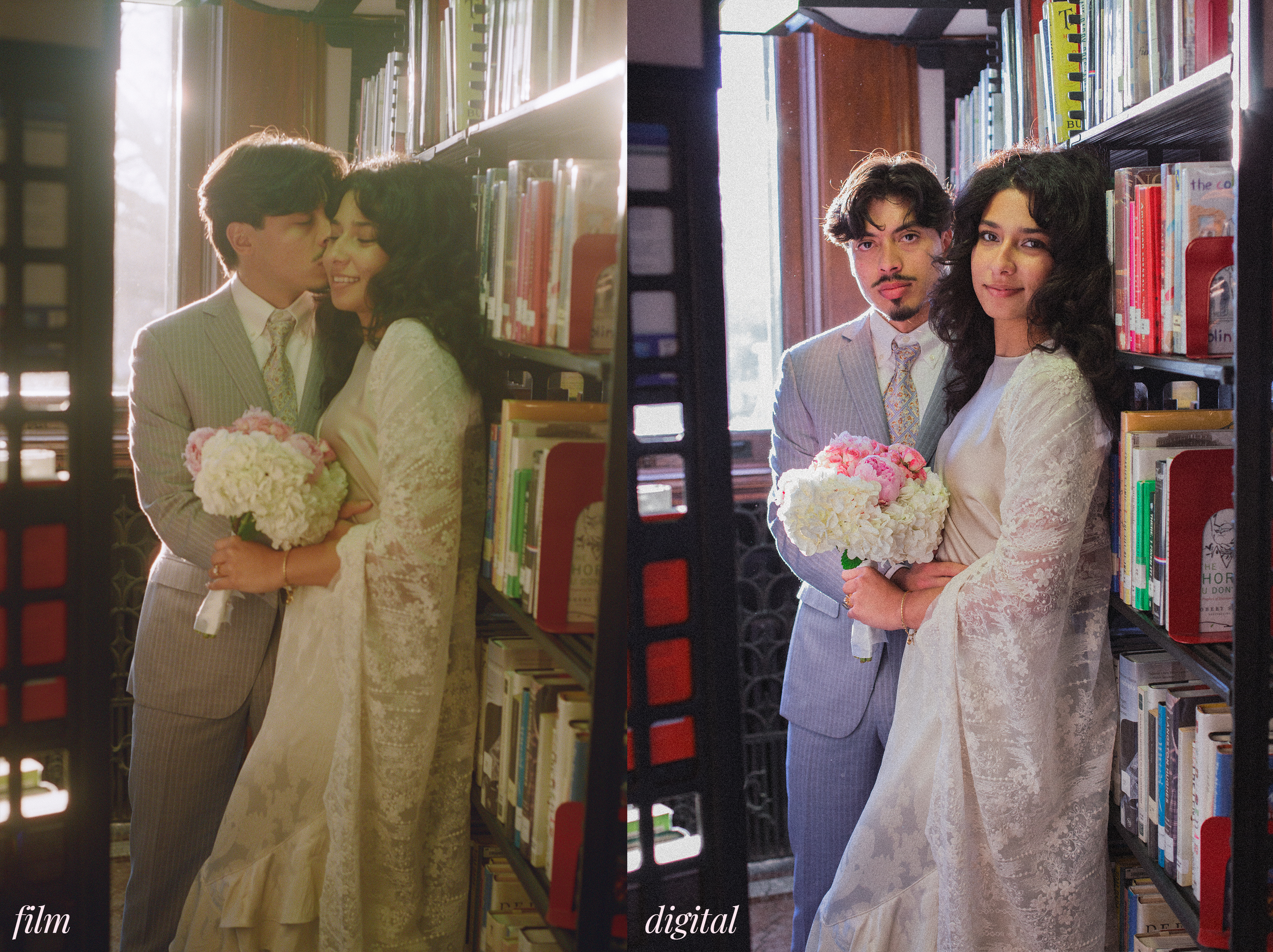
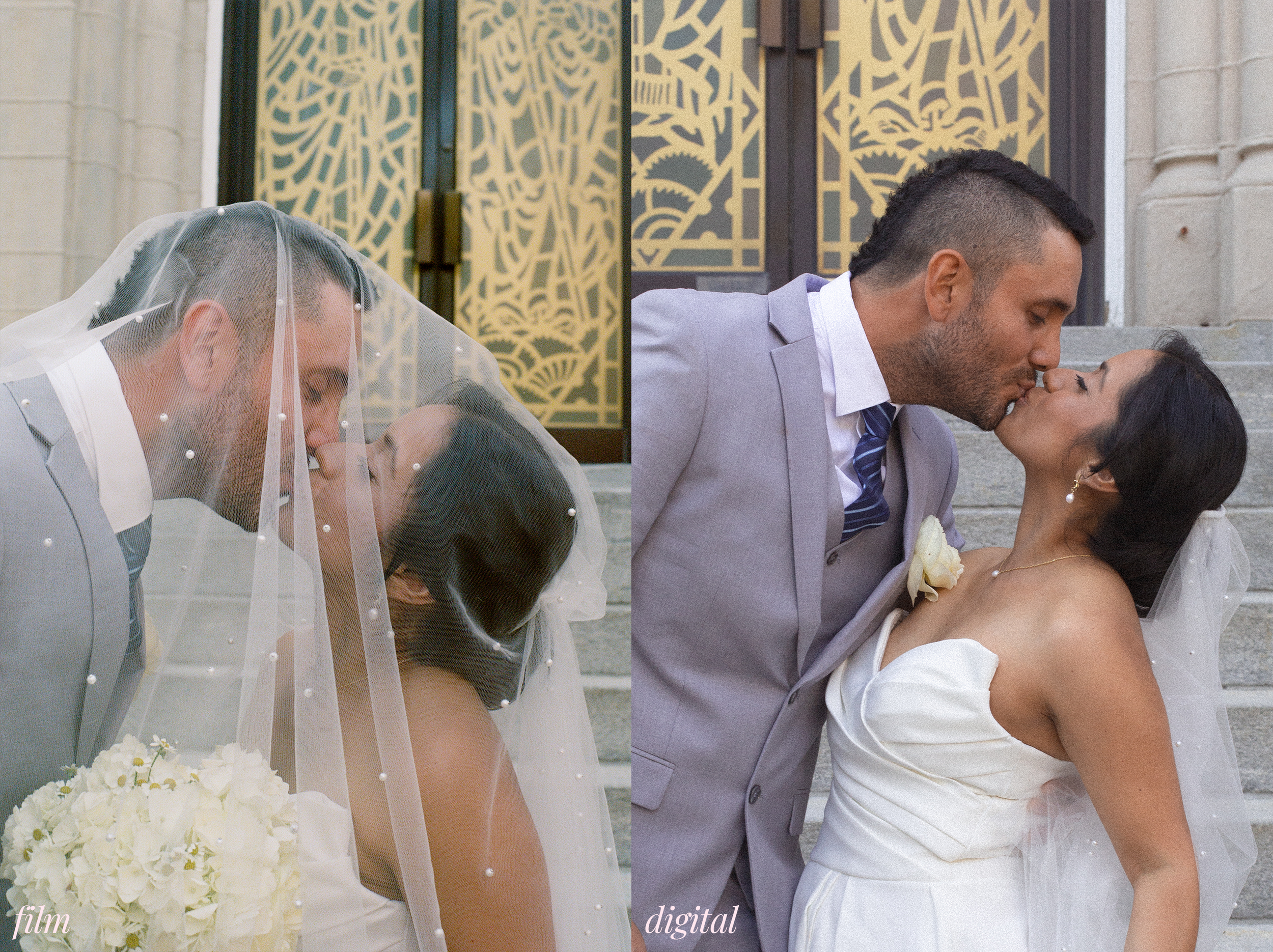
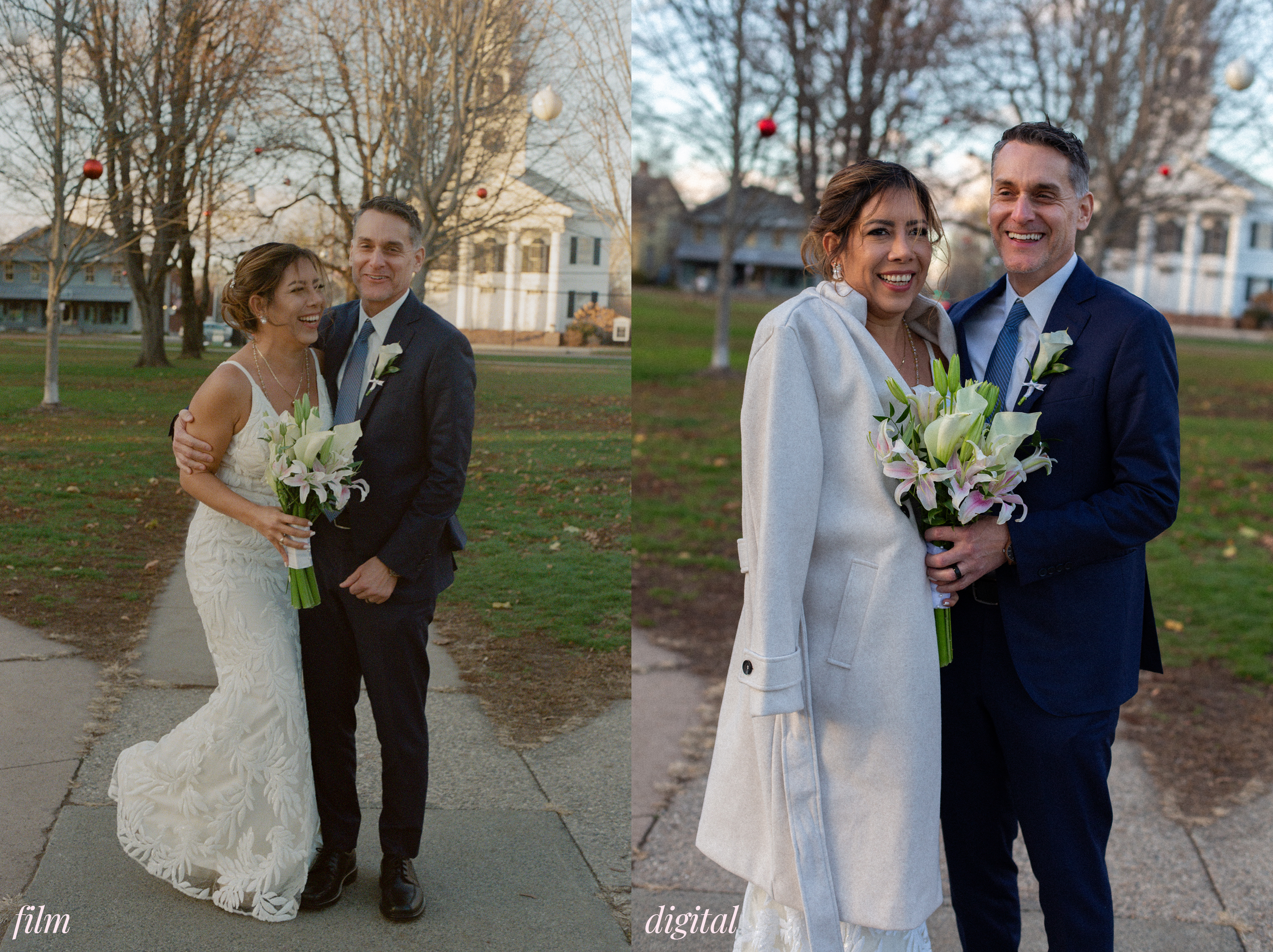
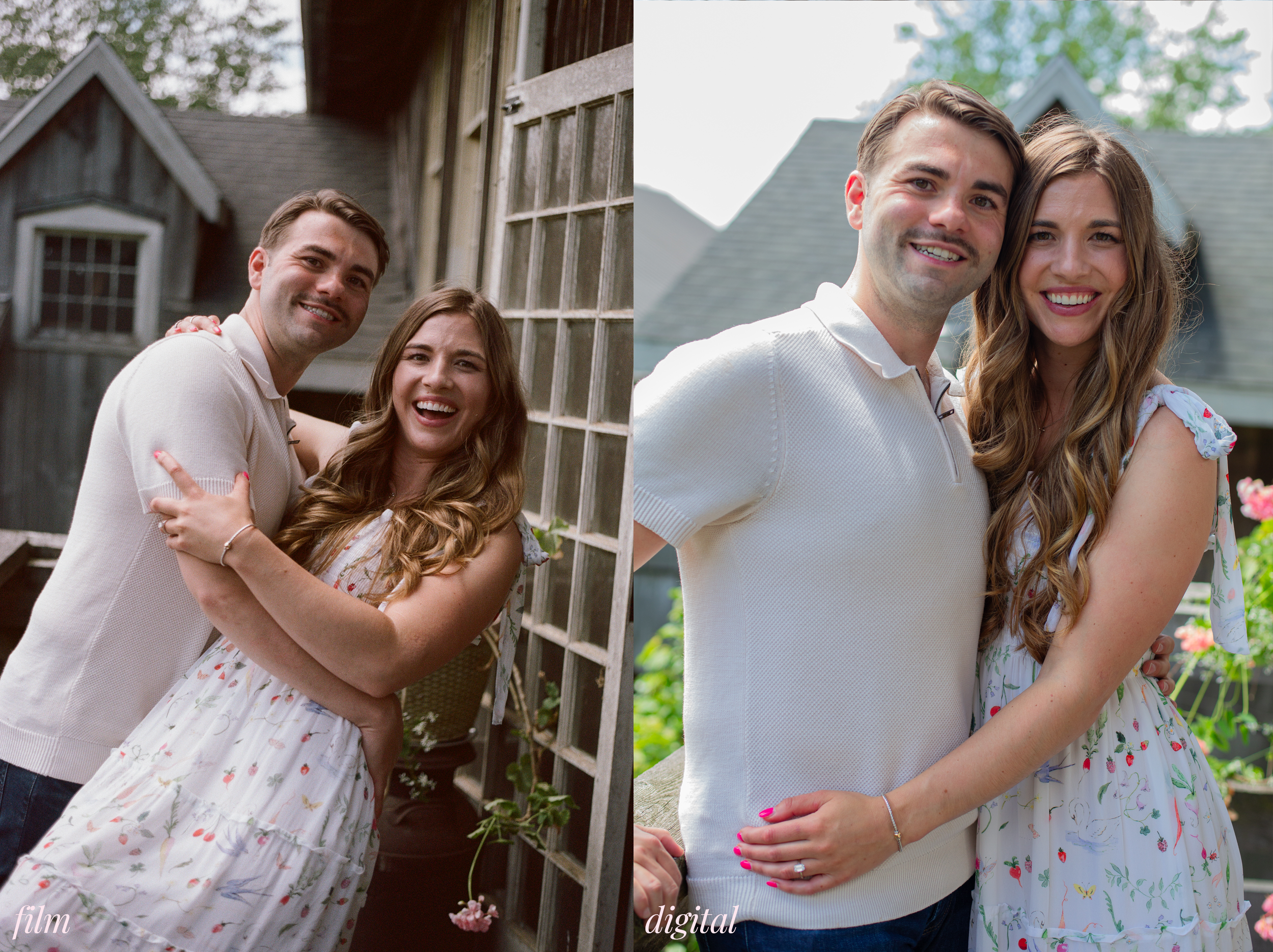
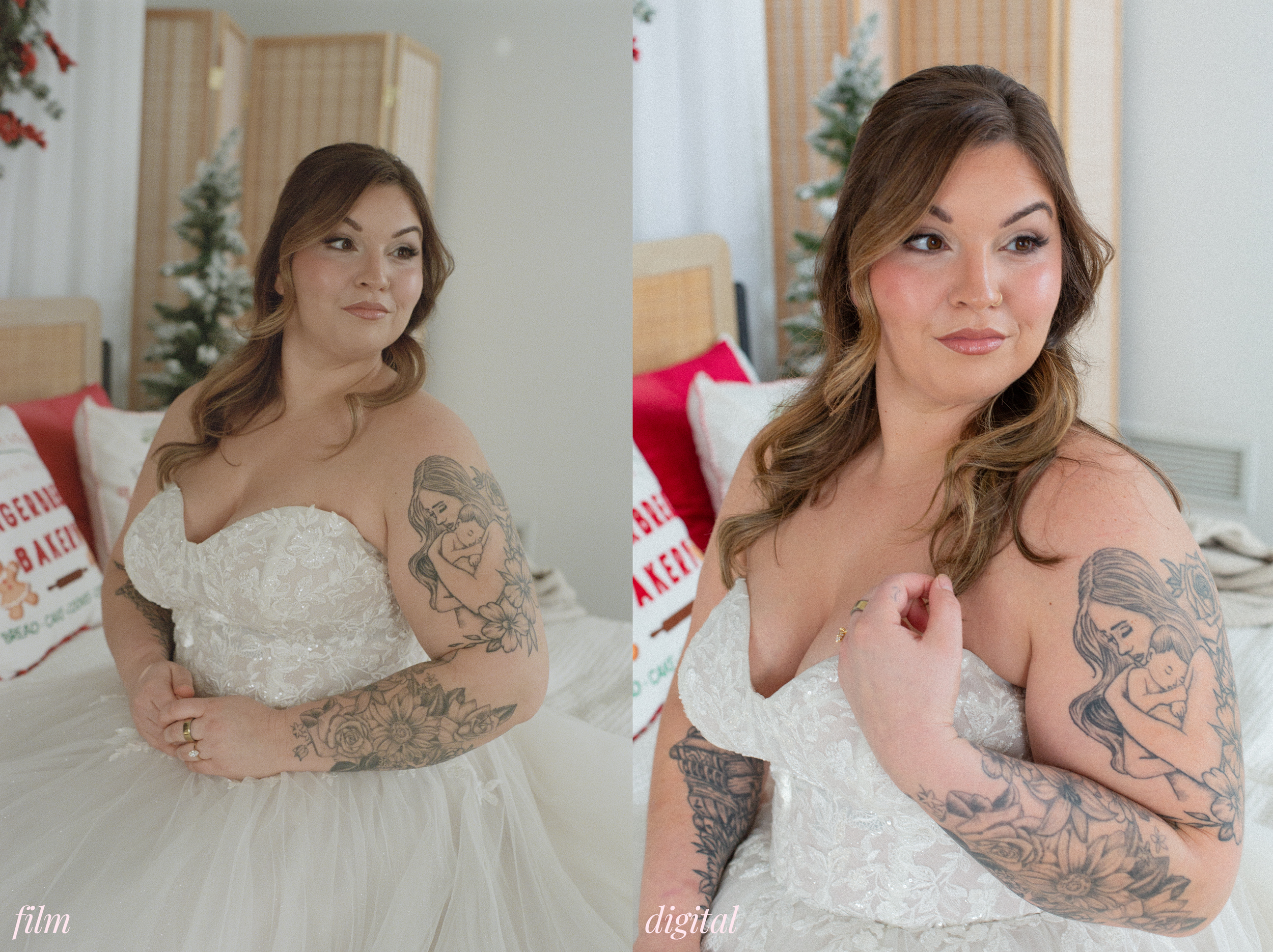
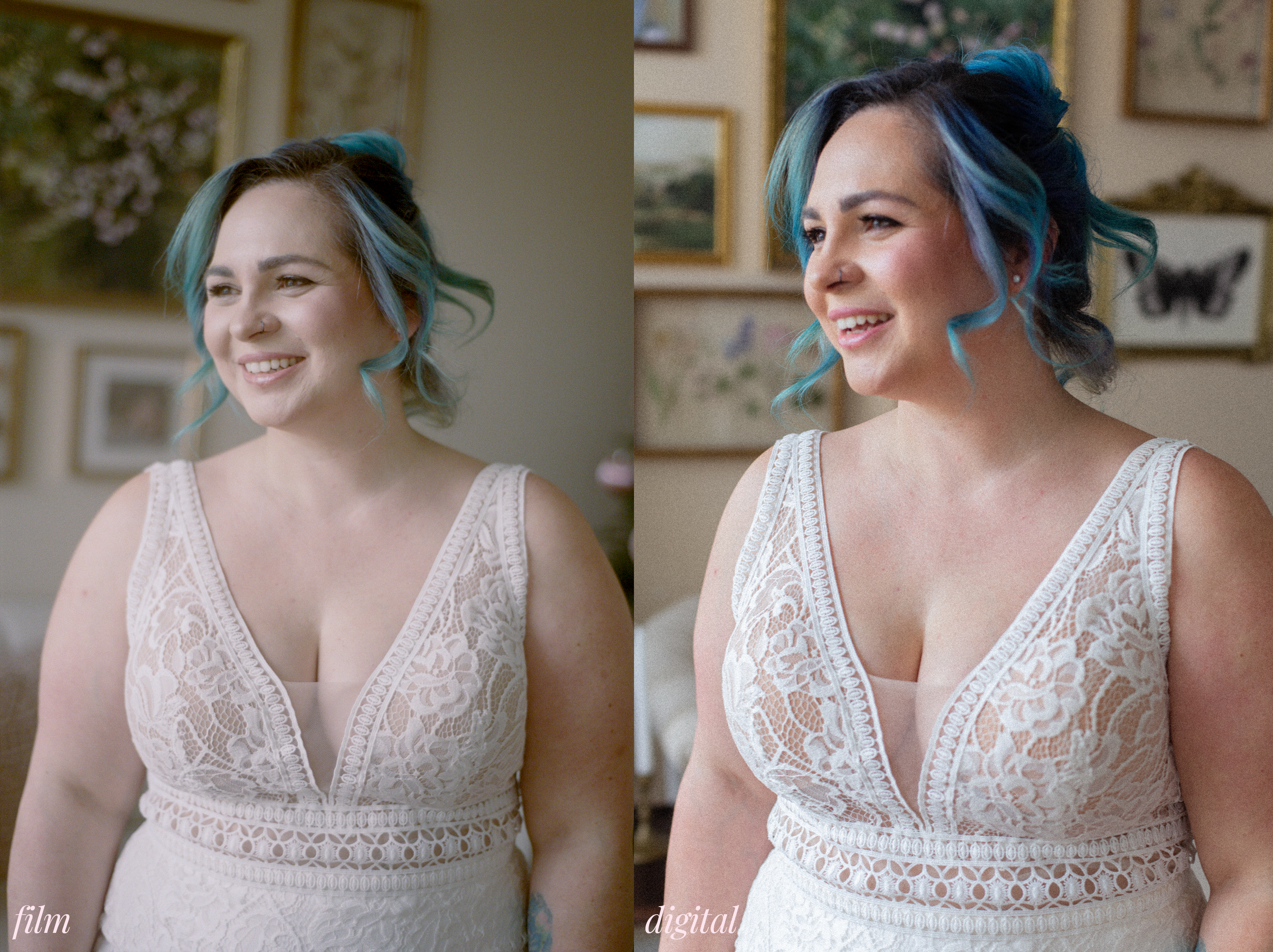
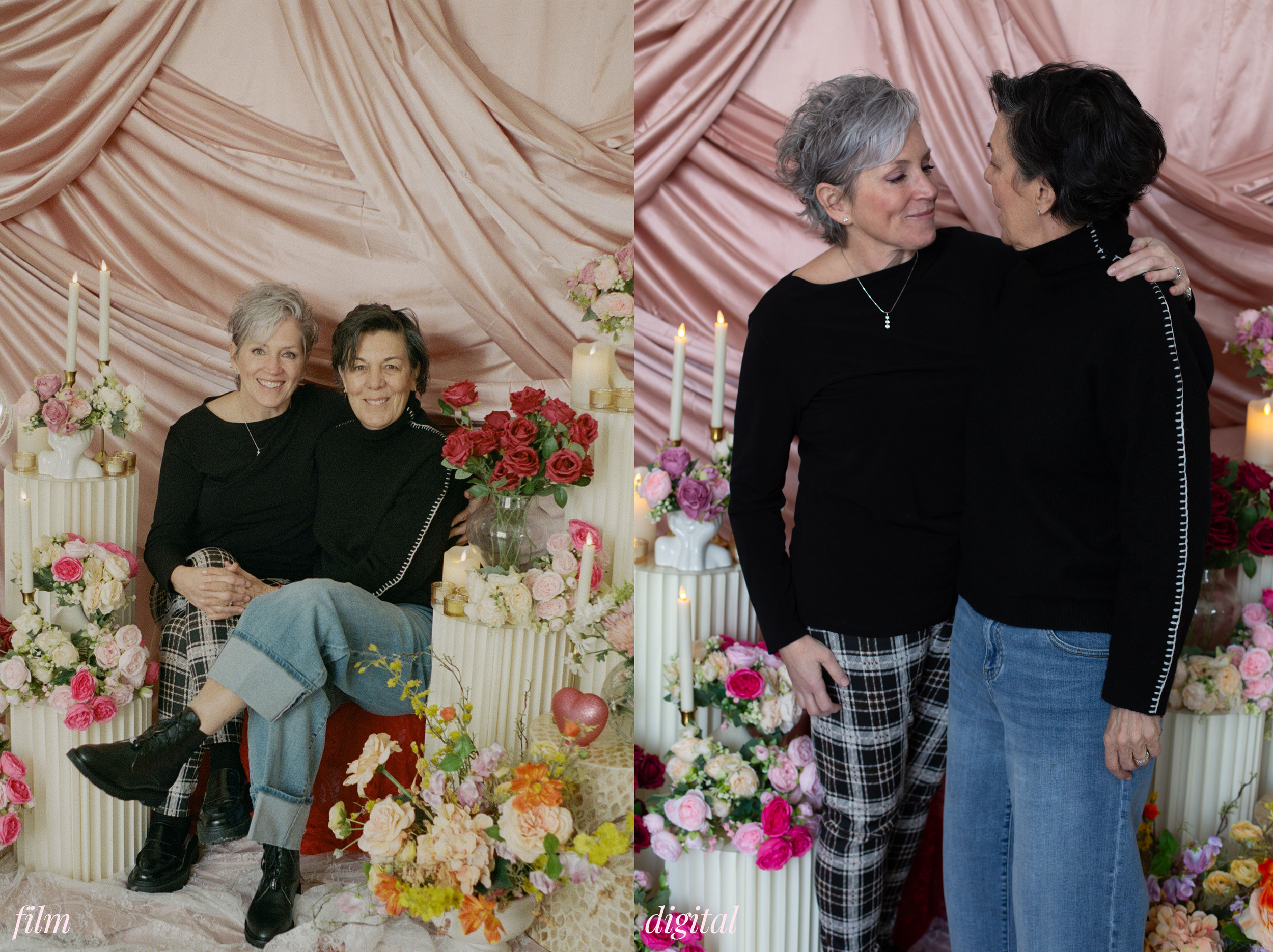
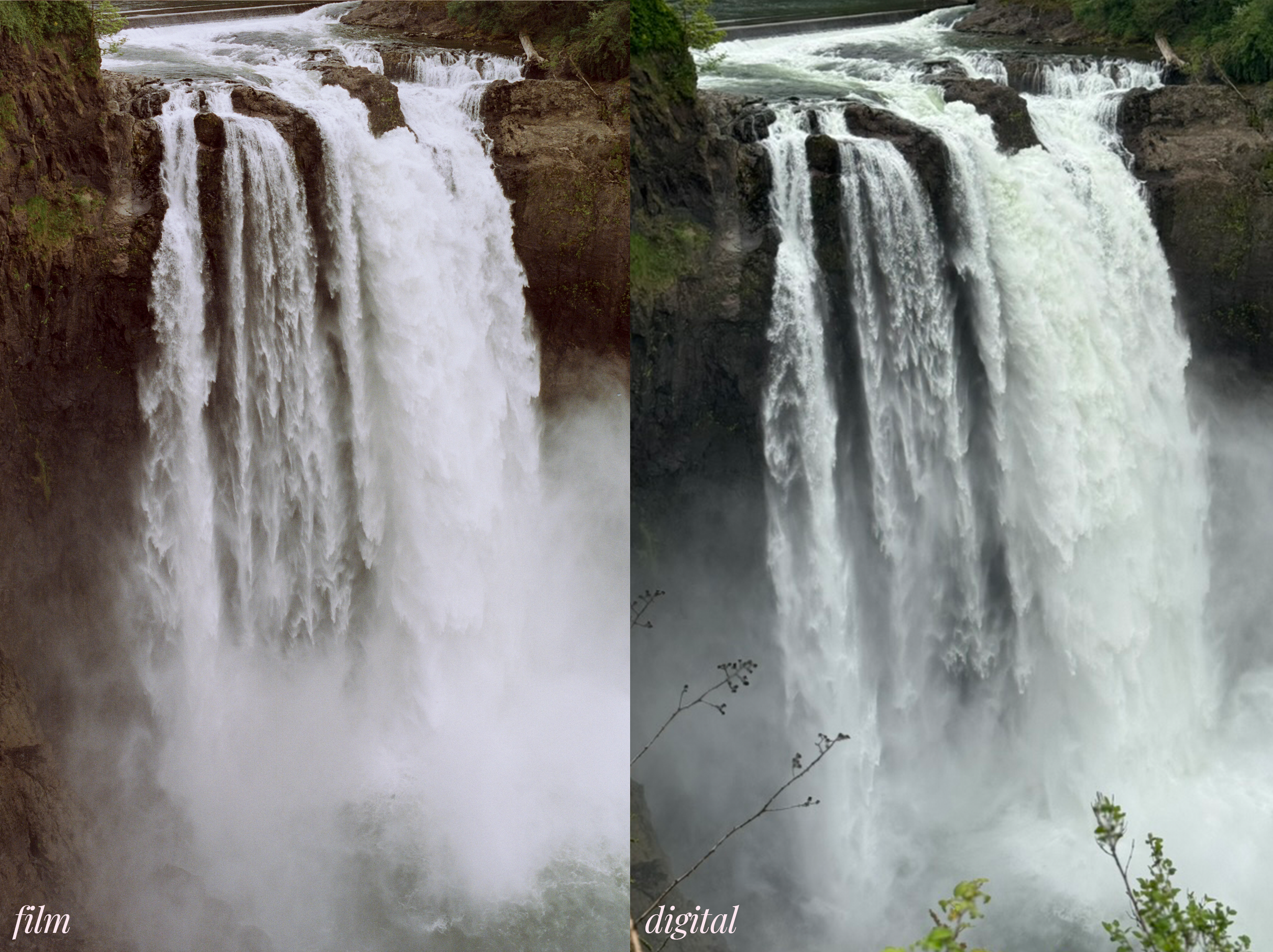
Film vs. digital images by Briana Raucci. Notice the grain, color difference, depth, movement, and how film photos look more like a memory. ♡
Visual Snow Syndrome From a Film Photographer's Perspective
When I was in second grade, I remember turning to my parents and telling them that “everything looked like I was underwater and like there was ‘static on a television’.” This was the best way I could describe everything being blurry, and seeing dots all over my field of vision at age six, going on seven. My parents took me to the eye doctor, and sure enough, I needed prescription lenses to correct my vision and a small amount of astigmatism. After getting glasses, it resolved the “everything looking like I was underwater” bit, but the TV static still remained.
For those of you too young to remember, on old television sets, sometimes you would get a screen filled with static with a really awful noise. This static appears when there is no strong broadcast signal or when the TV is tuned between channels. It looks like a dense field of rapidly flickering black, white, and gray specks and is usually accompanied by a loud hissing or rushing noise. While not perfect, this is the closest I can get to describing visual snow and tinnitus.
Being six years old, and knowing that the world existed of microscopic atoms, but not fully understanding what that meant, I naïvely believed that I was simply seeing the makeup of our universe. I thought that the moving particles in my vision were purely atoms. As we see our pets accept a cone on their head as their new reality, I accepted this as everyone’s vision and figured it was normal. It wasn’t until I was 30 years old that I found out it was, in fact, abnormal.
What is Visual Snow Syndrome?
During the pandemic, when everyone was incessantly exploring TikTok, I was mindlessly doom-scrolling and came across a video that immediately sparked my attention. The video said approximately 2 to 3% of the global population is affected by a rare neurological condition (not an eye dysfunction) characterized by persistent, tiny flickering dots across the entire field of vision. It went on to say that this neurological condition was called Visual Snow Syndrome (VSS). It added that it was also common in people with tinnitus, migraines, and other neurological conditions. It also mentioned that it commonly manifests early in life and can affect individuals of any age. The video showed a visual representation of the condition, and it was exactly how I see things. I was absolutely floored. Even though I was alone, I put my phone down and audibly said, “you have got to be kidding me.”
I know a lot of people like to diagnose themselves through TikTok; however, being a disabled person who sees doctors quite frequently and is always curious about how my body works, at my next eye doctor’s visit, I asked about Visual Snow Syndrome. The optometrist mentioned that I do have floaters, which are small specks, dots, or cobweb-like shapes that drift through your field of vision, caused by collagen fibers clumping within the eye’s vitreous gel — but Visual Snow Syndrome was indeed a neurological condition that I should follow up with my neurologist about.
With this information, I then approached both my neurologists. I have two separate neurologists, one focused on my epilepsy and seizures, and the other, a vascular neurologist, focused on strokes, given that I had a stroke when I was born, resulting in cerebral palsy. I discussed my symptoms with the neurologists, and sure enough, they confirmed that I had Visual Snow Syndrome. In the past, we had discussed my migraines, tinnitus, and obvious brain damage, which are often linked to VSS. Other links to VSS also include genetics, medications, or drug use. Learn more about VSS here.
Funny enough, when I asked what treatments were available for Visual Snow Syndrome, they explained that there are currently no cures for VSS; however, a frequent treatment people try is actually Lamictal, the seizure medication I’m already on. Being that there was nothing else I could do (experimental solutions and further research are being conducted on the VSS; however, those treatments are not yet covered by insurance), I still felt vindicated that I could finally put a word to my experience.
When I thought back to my childhood, how I tried to describe my experience to my parents, I realized that before I was diagnosed with epilepsy at age 12, my Visual Snow was more profound. The Visual Snow was much bigger, the dots were a little more chaotic, and while I still have it, it was much more severe prior to being medicated for epilepsy.
I created a video to demonstrate how I see, but the static is always present. Watch the video I created that demostrates my experience with VSS, floaters, and tinnitus, or try the Visual Snow Syndrome simulator on Vision Simulations. The first visual simulation link is approximately how I see during the day, while this simulation is closer to how I see at night. It varies, though, based on how tired I am, if I have a migraine, and how much light is present. Sometimes, the static can actually get so bad that it’s difficult to read, although that isn’t super frequent for me.
Visual Simulations is the most accurate online representation I could find that you can test yourself, and is closest to how it affects me! In daylight, the static (or grain) seems a bit smaller and still fast-moving, but at night, it can get bigger, more colorful because the static is larger (almost like noise on a digital camera), and, occasionally, when I get migraines, I’ll also see “blinds” or lines that go across my field of vision. Because I’ve had it my whole life. It doesn’t bother me, but this is exactly why I like to shoot film.
Why I shoot film
“Kodak sells film, but they don't advertise film; they advertise memories.”
— Theodore Levitt
I shoot film because, to me, it looks more real. That might sound strange in a world dominated by crisp digital clarity, but film allows me to create images that feel true to my experience, because it is the closest representation of how I actually perceive the world with Visual Snow Syndrome. The constant static, or tiny moving dots over everything, is much like film grain. It doesn’t go away when I close my eyes, and it’s always present, affecting everything I see. I realized that because of this, I’ve never truly seen a pure black (or any color for that matter), without a layer of visual noise, but I can picture the platonic idea of it, static-free, in my head.
When I discovered film photography, I realized it was the first medium that truly reflected my vision. Digital images, with their smooth, hyper-clear precision, felt artificial to me — they lacked the texture, depth, and movement that are part of my everyday sight. Film embraces imperfection, and its natural grain mirrors the static I see, making images feel like an everlasting moment in time. My editing style also reflects my vision, with more muted, yet true colors and contrast due to the grain.
When I describe the difference between film & digital photography, I often say film feels like a beautiful memory, whereas digital feels like a false impression of reality. Digital images often feel overly polished or “perfect.” Sharpness and clarity are often the goal, as well as fast turnaround, more moments captured, and the intention of not a single second missed. While color rendering in film is largely impacted by the film stock or type, color rendering in digital photography is based on the technology of the camera brand. The colors in digital, as well as the lack of grain or “noise,” often render a bit more saturated and slightly false, in my opinion. Editing takes more time as it requires more color correction, contrast editing, and detailed hyper-focused fixes to hide the imperfections that people may be uncomfortable with. While digital does have the benefit of being cheaper because of the lack of physical film, I think that shows and makes film a worthy investment.
One of the most interesting aspects of film is it also has the benefit of capturing the exact moment in time on a physical medium that you can see and touch, which will last for decades to come. Having an image printed on a negative means that light photons are actually preserving the moment, exactly as it was, imperfections and all. My friend once said film is essentially the closest we can get to time travel, because it’s captured through light itself. Film preserves moments as memories rather than just images, creating a lasting connection to your story.
How I Approach Photography
Nostalgic, Story-Driven Photography on Film, Always.
I approach photography through the lens of an artist who studied photojournalism. I combine my love for capturing candid moments with an artistic twist, creating images that feel true to you and your love. This documentary-style approach, paired with an artistic eye, means that I watch and observe your love story as it unfolds. I work at a relaxed pace, choosing each frame intentionally. I wait for those unforgettable moments that encapsulate your relationship and provide light guidance as needed, to create images that feel both cinematic and genuine. I act as both a fly on the wall and as your friend with a camera—there to help you be present and enjoy your day.
For every photoshoot, film is my primary medium. I use 35mm, 120 medium format film, and Polaroids. I also use a digital camera as a secondary source to read light in real time and take complementary images of key moments, in case my clients decide they do want those extra photos captured. My base packages are priced for hybrid (film & digital) photography coverage and film delivery, with digital images as an optional add-on.
I’m happy to accommodate any accessibility needs you may have, so you feel comfortable and at ease. My packages are all customizable, and my goal is for you to conclude your day feeling beautiful, seen, and confident that your special moments were captured exactly as you remember them.
I’m drawn to settings that feel cinematic, romantic, nostalgic, and timeless on film. Retro hotels, historic city halls, art-deco spaces, vintage motels, art museums, libraries, greenhouses, and natural landscapes are some of my favorites. I adore working with people who appreciate the unique beauty of analog photography, as I chose to shoot film for several personal and aesthetic reasons.
My favorite part of photography is finding the beauty in everything. Not confident in front of the camera? That’s okay! I’ll see through that and highlight exactly how beautiful you and your day are. When you hire me, you’re hiring my artistic style: candid, emotive, and timeless. While we can do portraits and posed shots, I especially love candid, documentary photography, with moments that are filled with laughter, quiet glances, and the energy between people. These are the photographs that resonate for years. Film is more than just a trend for me. If you want wedding photos that genuinely reflect the energy between you and your loved one—evoking feelings of love, playfulness, and romance—I’d absolutely love to connect! Beyond weddings, I photograph engagements, family sessions, portraits, and concerts—all on film. My goal is to create images that feel timeless, real, and full of life. Based in Connecticut, I am willing to travel anywhere in the U.S. to document your love story ♡
Is Film Photography For Me?
Film is for couples, families, and individuals who value intention, emotion, and a timeless aesthetic. It’s for those who want their images to feel real, authentic, and full of life. If you love natural colors, soft skin tones, subtle grain, and a storytelling approach to photography, film is for you.
Want to learn more about film photography?
If you’d like more information on film photography, or if you’re deciding between film and digital for your wedding, elopement, portraits, or event, let me help you figure out your needs and priorities! I break it all down on my Film vs Digital Wedding Photography Guide, outlining the differences between film and digital photography, the pros and cons, and why I choose to shoot film as a small wedding & elopement photographer! Check out my Film vs Digital Wedding Photography Guide here!
Let’s Connect
I’d love to hear your story and learn about your wedding, elopement, or session plans. We’ll talk about the kind of images you want and the moments that matter most. Whether in Connecticut or anywhere in the U.S., film allows us to create memories that will last for generations. Cheers to analog, and long live film!
If you liked this article, consider making a donation
Hi there! I am an artist & writer with disabilities, and I have been running this Disability & Art Blog unpaid for the past year — sharing personal stories, research, and resources to help others feel seen, informed, and empowered. While I love what I do, I also believe disabled people deserve to be compensated for their time, labor, and expertise. I’m currently crowdfunding to turn this into a sustainable, paid job — one that lets me focus on independent disability journalism, educational content, and artwork that speaks to the real lived experience of being disabled in America.
Help me keep the blog going and expand it into audio & video podcast formats to make it more accessible, engaging, and inclusive. With your help, I can write investigative articles, interview experts, and launch my podcast, Thank You So Much for Asking. Every contribution is meaningful and thoroughly appreciated. Thank you so much for your support! — Sincerely, Briana Raucci
A thank you to my supporters
Thank you to everyone who has donated to my GoFundMe campaign thus far! Your support truly means the world to me. I deeply appreciate that you see the value in this work and that you believe disabled voices, independent journalism, and accessible storytelling are worth funding.
Because of your generosity, I was able to make time to participate in this podcast and write this blog post. That may sound small, but for those of us juggling disability, advocacy, and creative work with limited resources, it’s everything. All the thanks to: Mike & Julia Oriente, Dorothy Vaspasiano, Michael J. Harkey, James Miller, James Mcgee, Vicki Gelpke, Larry Gobel, Wendy Naratil, Taylor Macioci, Judy Petrillo, Stacey DeMartino, Jordyn DeMartino, Maddy Ullman, Joy Panigada, Judith Wilcox, and Lauren Raucci for making this possible!
More articles you may be interested in:
Want more posts like this? Visit my Disability & Art Blog!
