Film vs. Digital
Why Film Wedding Photography Looks Timeless & Is Film or Digital Right for You
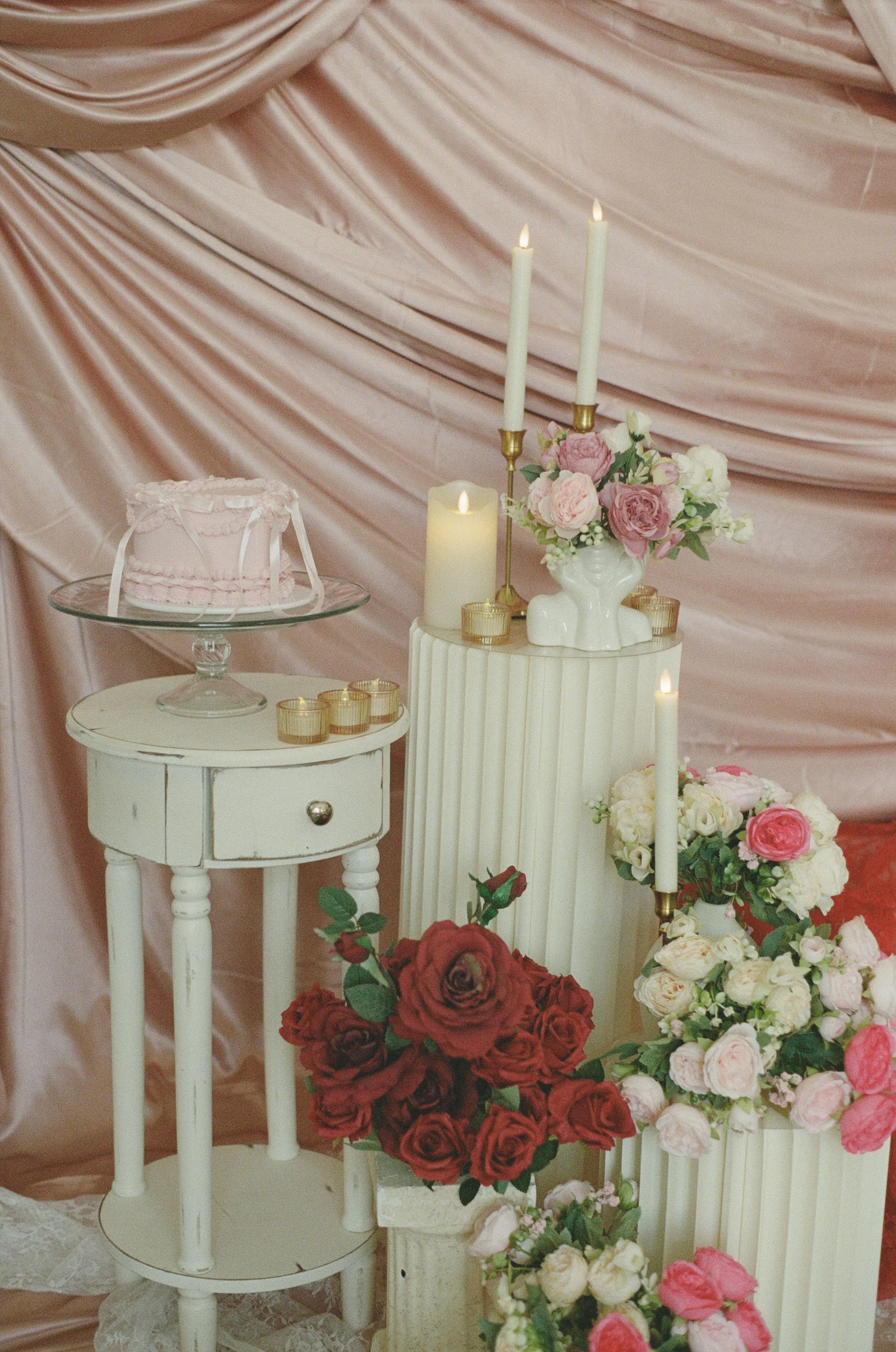
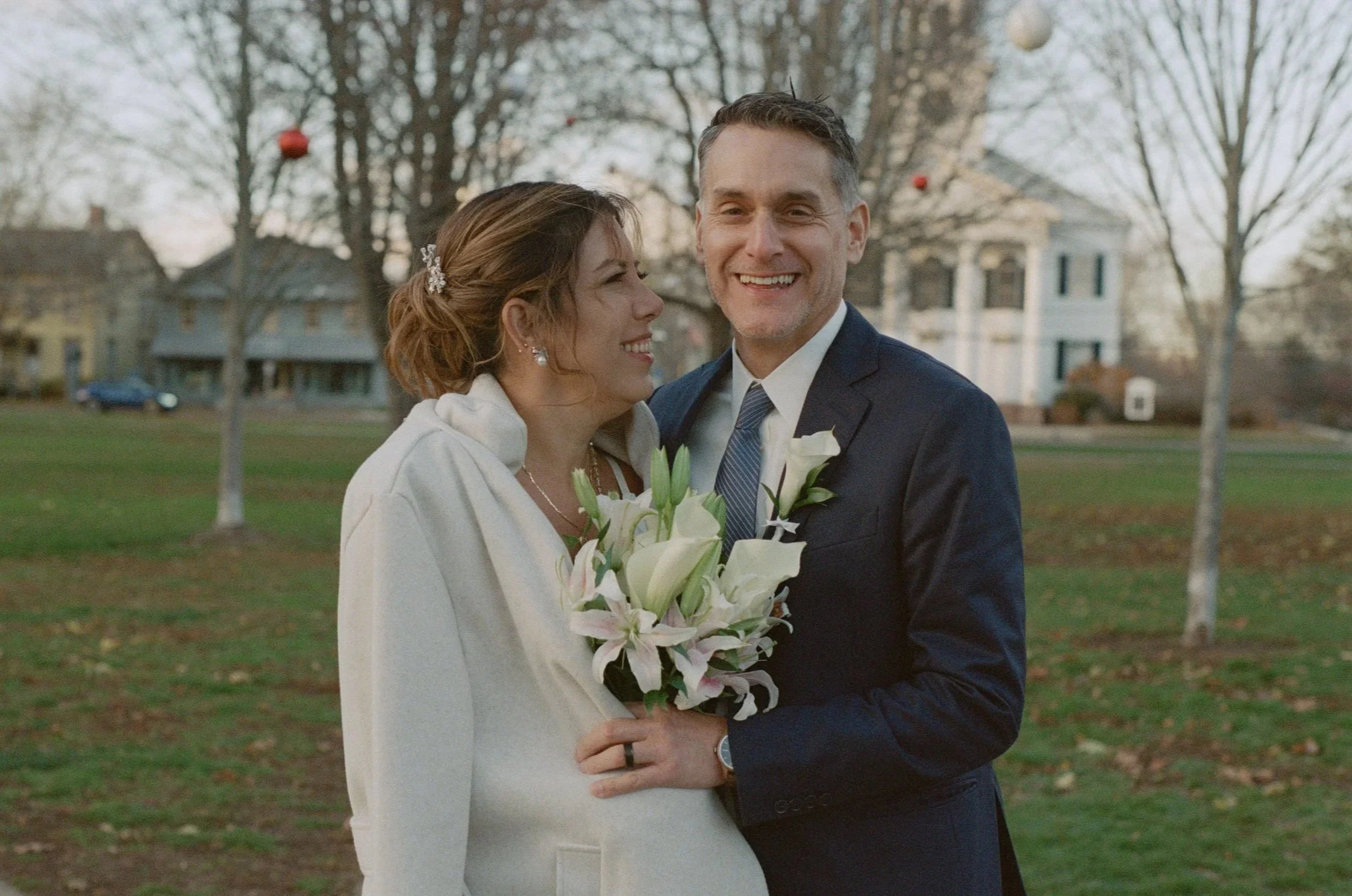
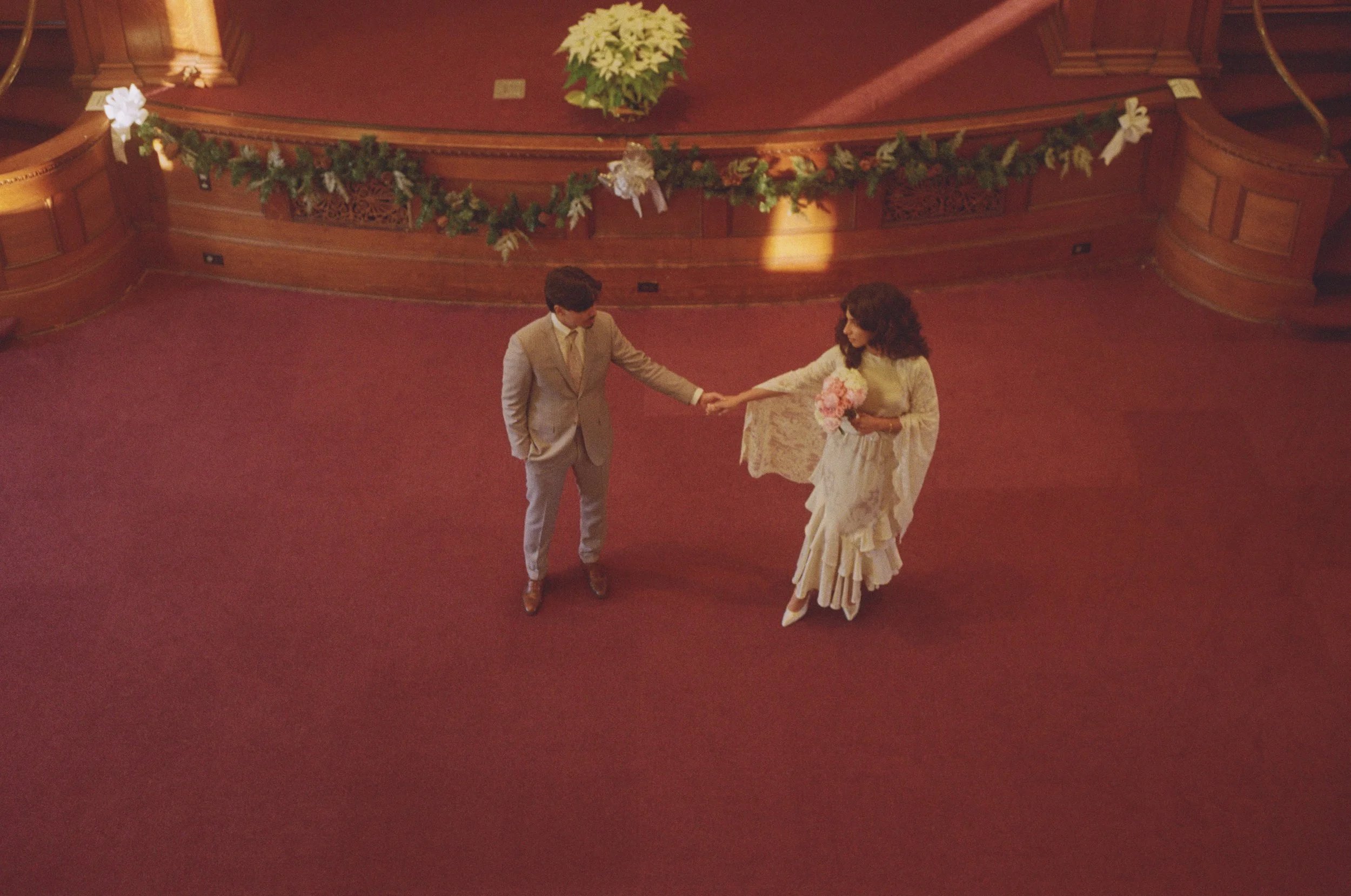
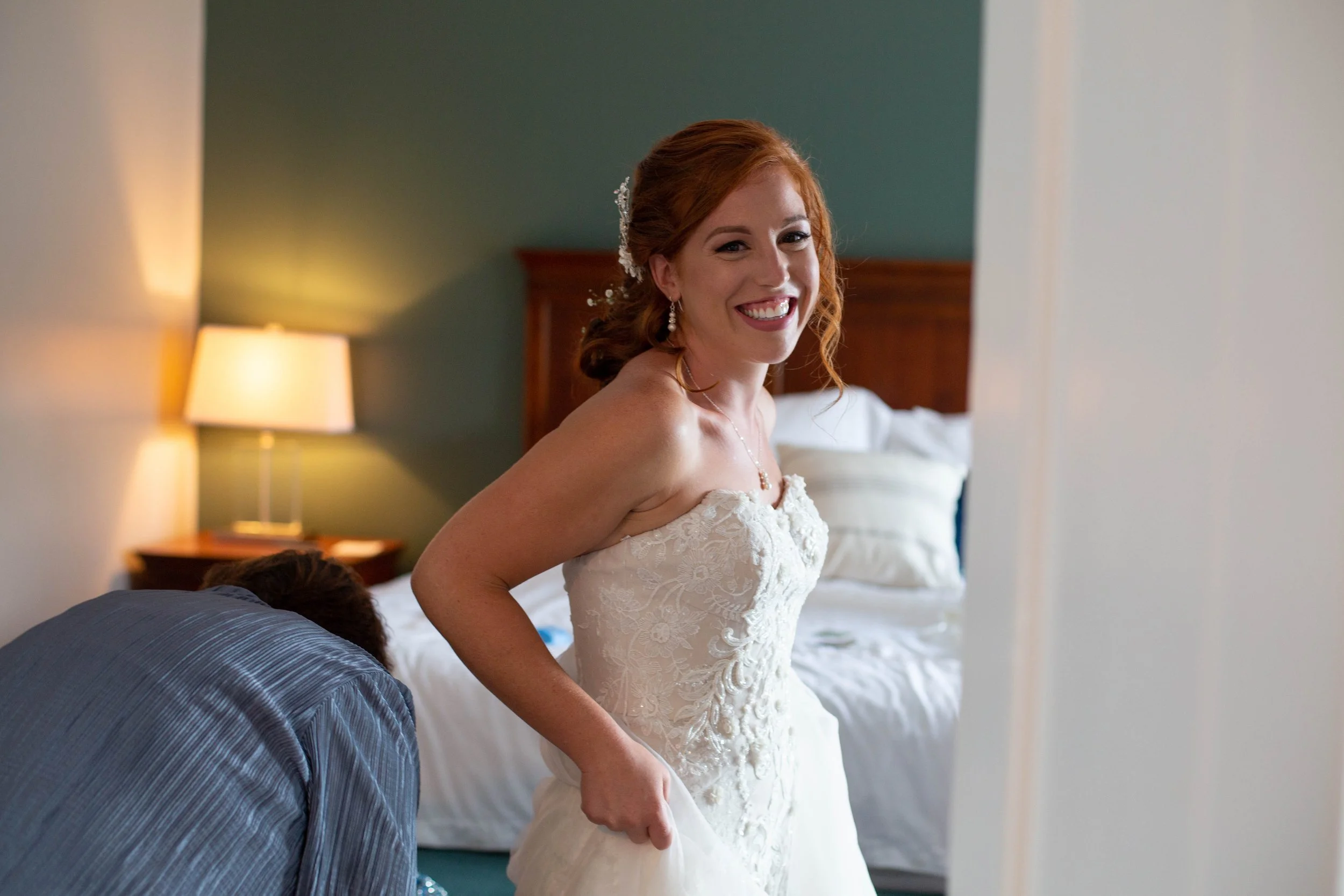
If you’re planning a wedding, elopement, engagement, or family portrait session, you’ve probably asked yourself: Is film photography worth it, and how does it compare to digital?
Those are excellent questions to be asking, so let me help you figure out your needs and priorities! On this page, I outline the differences between film and digital photography, the pros and cons, and why I choose to shoot film as a small wedding & elopement photographer.
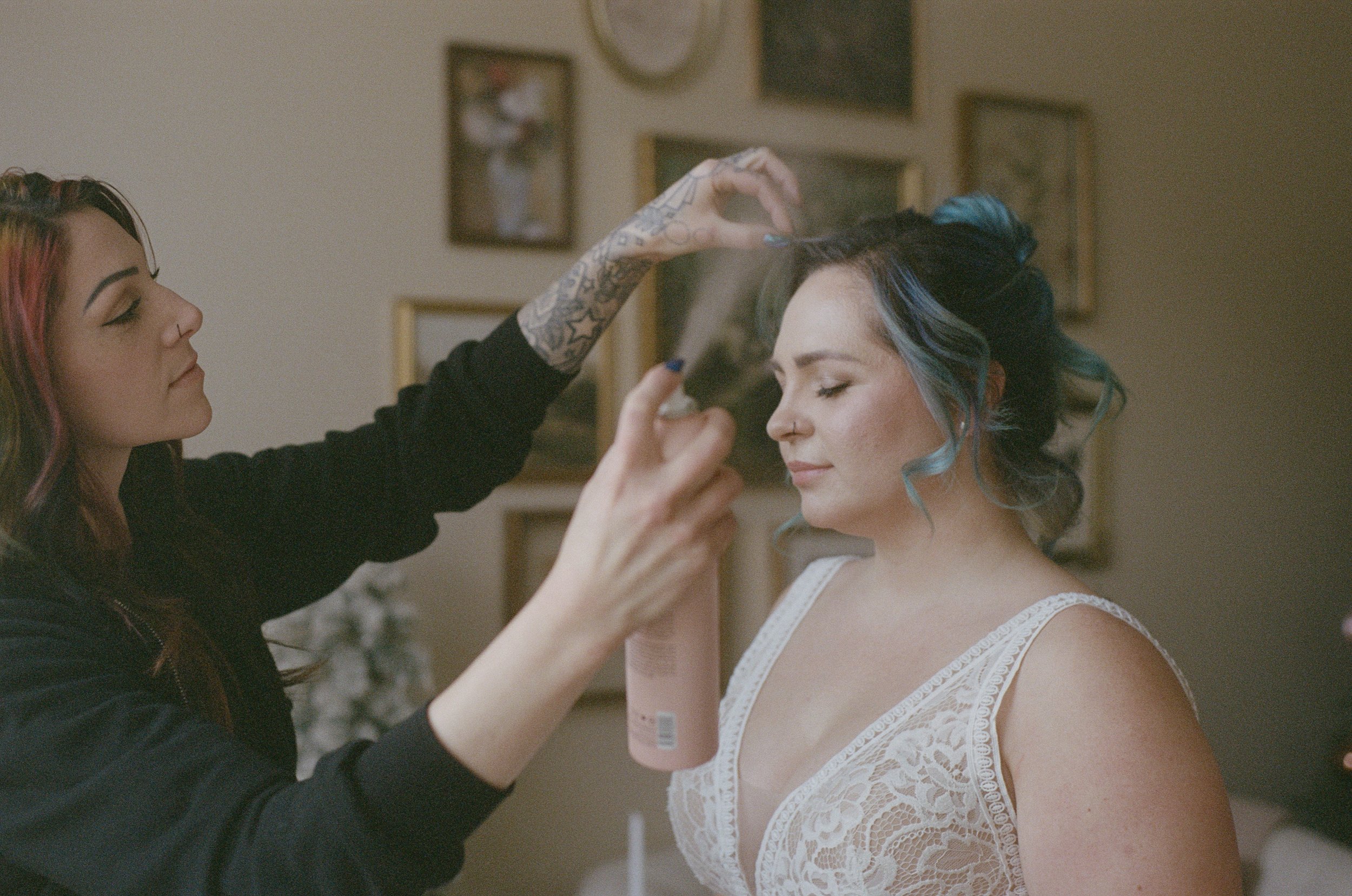
On this page, I cover a lot. If you want to jump ahead, you can click any section below to go straight there ♡
If you want to learn more about film photography & feel super confident in choosing the right photographer based on your priorities, feel free to check out the whole page! This is designed to be an all-inclusive guide to your wedding & elopement photography needs! Hope you enjoy!
1
Understanding the difference between film and digital photography, and why film creates images that feel more timeless, intentional, and emotionally connected. → Jump to Film vs Digital Photography
2
Film is for couples, families, and individuals who value intention, emotion, and a timeless aesthetic. It’s for those who want their images to feel real, authentic, and full of life → See if film is right for you
I shoot film because, to me, it looks more real. Film reflects the way I actually see the world through Visual Snow Syndrome. → See my comparisons of film and digital side by side and read my story
3
4
Everything you need to know about film photography: from film types, how it works, to how many photos you’ll receive, turnaround time, negatives, etc.→ View my film photography questions + answers to learn more
5
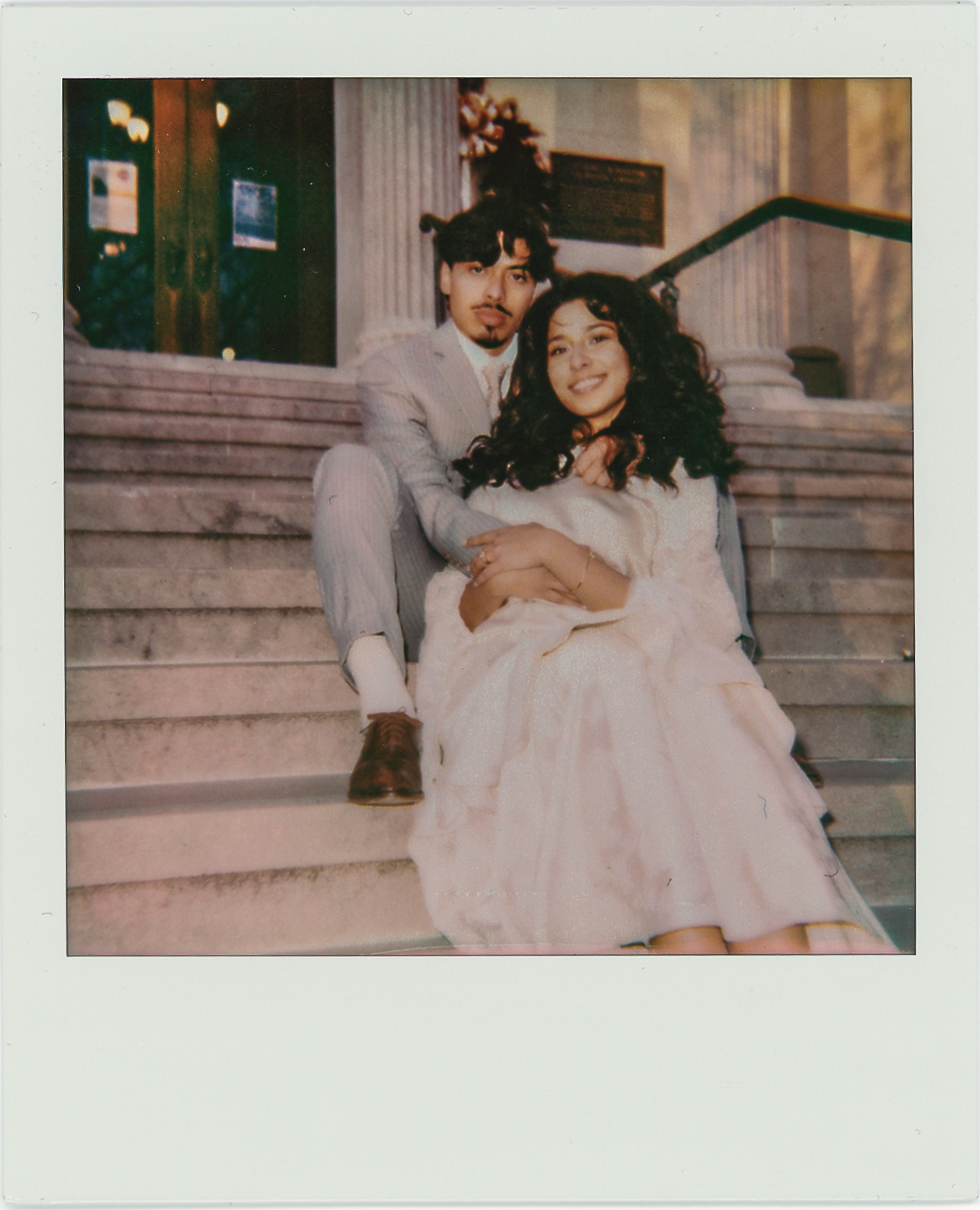
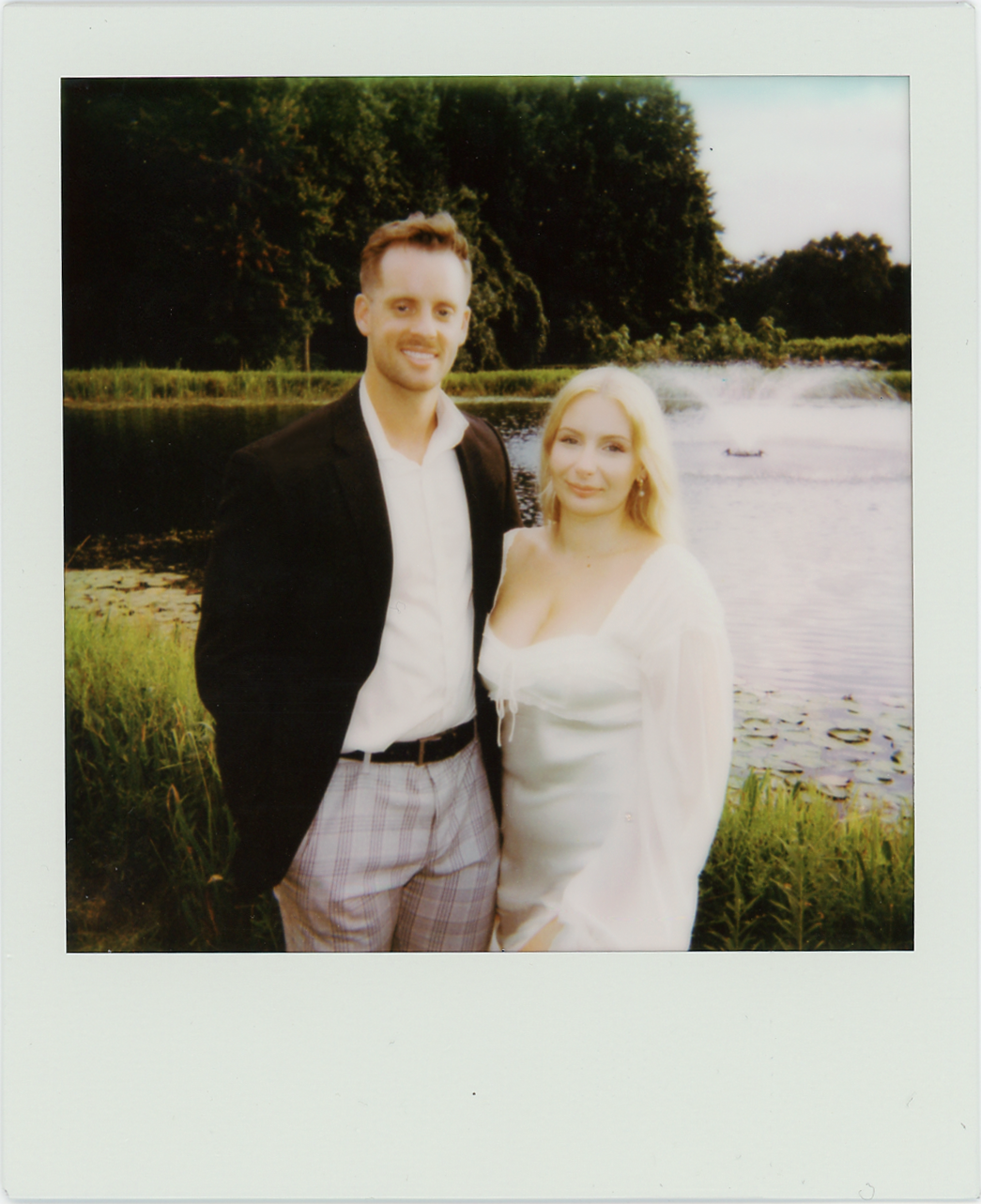
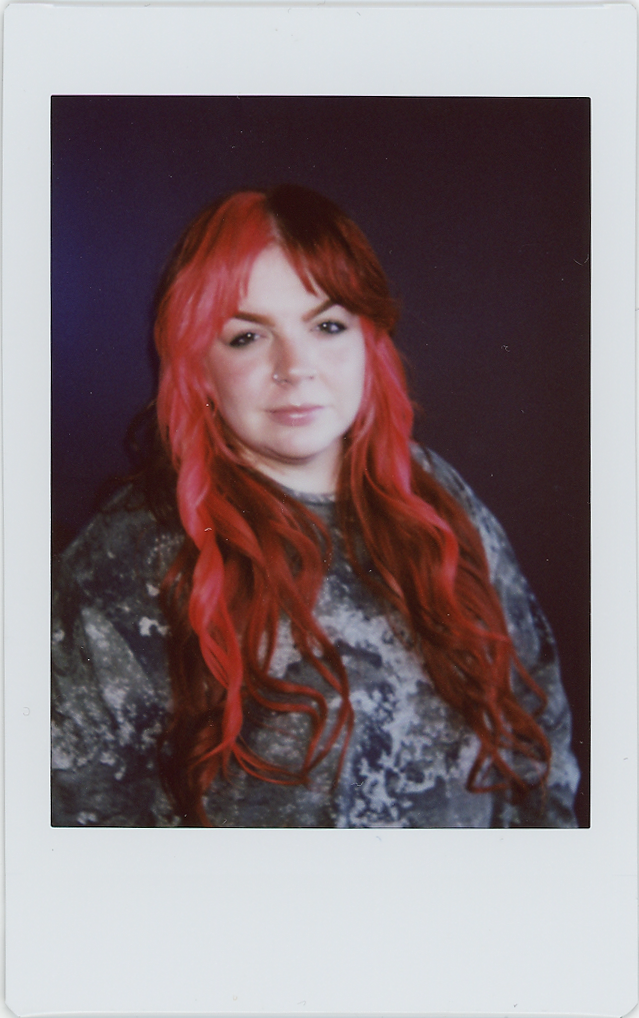
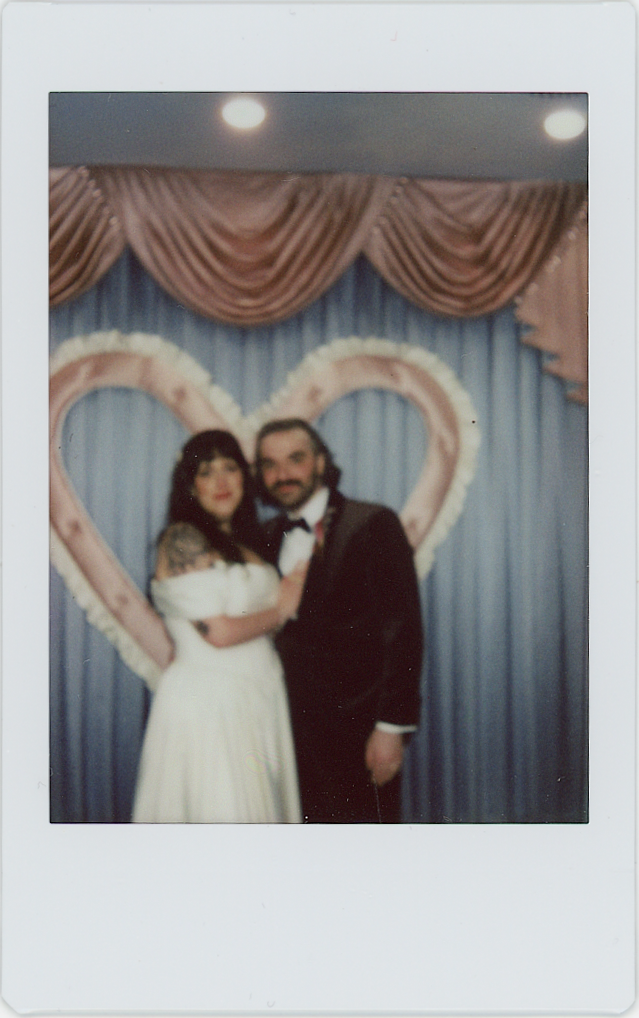
See the difference between 35mm, 120 medium format, 3D wigglegrams, Instax mini, and Polaroid film, and how each one creates a different feeling, texture, and depth in your images → View visual examples of 35mm, 120, 3D wigglegrams, and Polaroid film
6
I work through a documentary, photojournalistic lens, capturing candid moments. Working with film as my primary medium, I shoot digital as well to capture extra moments → Learn about my photography approach
7
Some of my favorite cinematic, nostalgic, and timeless locations for elopements, engagements, and intimate weddings—plus inspiration for your own session → Check out photo location ideas across the country
8
Answers to everything about working together—from elopements and travel to posing, comfort, and how I support you throughout your experience → Read FAQ’s about working with me
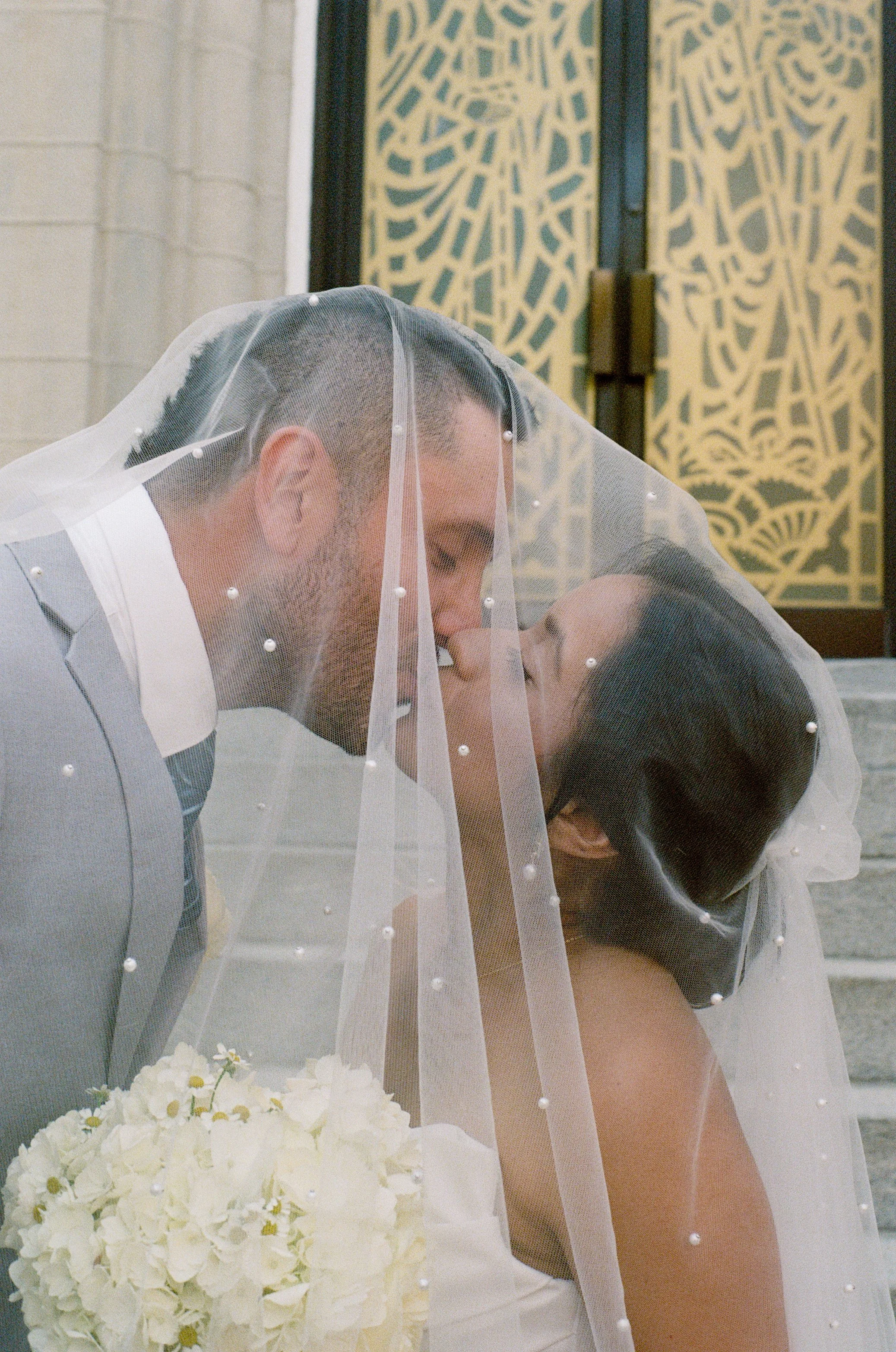
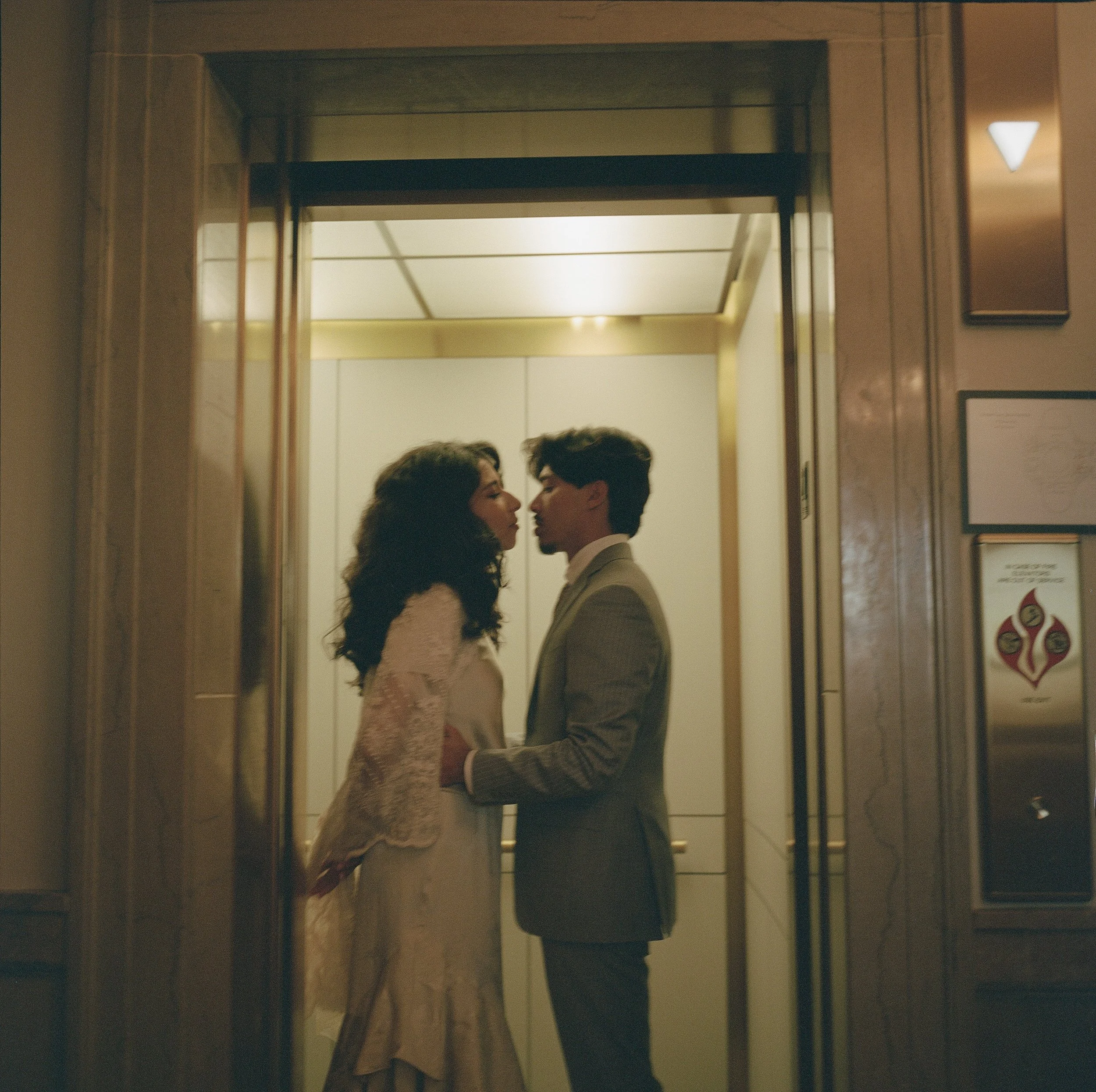
Film Wedding Photography & The Analog Process
Film photography uses light-sensitive rolls of film, film cartridges, and photographic plates instead of digital sensors. Every frame counts, the process is slower, and requires more premeditation than digital.
This technique creates images that feel documentary, timeless, and true to the moment. Skin tones are natural and soft, yet the colors simultaneously feel rich in a way that is both cinematic and nostalgic. Film has endured for over a century despite new digital technologies because its emotional resonance is unmatched. The grain in film adds texture, movement, and depth; and light interacts with celluloid in ways digital sensors can’t fully replicate.
Because film involves concentrated thought, time, and dedication to learning its quirks, it creates an experience that feels intentional and thoughtful. While you can snap dozens of photos in seconds on a digital camera to ensure you catch every single moment, the careful, deliberate film approach requires you to slow down, manually change settings, wind each frame by hand (depending on the type of camera), and replace the film once you finish a roll. The time it takes to remove a film roll, plate, or cartridge and load a new one, gives both the photographer and client time to take a pause, breathe, and enjoy the moment together. In an extremely fast-paced world where we can’t take a moment to sit with our feelings and appreciate things, film forces you to do just that – reflect on the energy of the moment and enjoy it. When crisp, hyper-clear digital images are available at the ready, film may seem slower, more imperfect or even challenging, but these qualities create warm, sentimental images that feel candid, emotive, and authentic.
Time Travel Through Art
One of the most interesting aspects of film is it also has the benefit of capturing the exact moment in time on a physical medium that you can see and touch, which will last for decades to come. Having an image printed on a negative means that light photons are actually preserving the moment, exactly as it was, imperfections and all. My friend once said film is essentially the closest we can get to time travel, because it’s captured through light itself. Film preserves moments as memories rather than just images, creating a lasting connection to your story. When you choose film photography, after the wedding or elopement (or whatever we’re shooting) is done, the film is processed, developed, scanned, and edited. I can then mail you the original negatives. Negatives can be preserved for hundreds of years, leaving a lifelong physical legacy in a digital world. Film photography is beautifully imperfect by nature, which is part of what makes it so special. I shoot thoughtfully and with intention to ensure full coverage while embracing the organic character that makes film timeless.
All of Your Film Photography Questions, Answered
-
A film negative is the original image captured on film: a physical strip or sheet where light has been recorded onto a light-sensitive surface. The tones appear inverted (lights look dark, and darks look light), which is why it’s called a “negative.”
From that negative, your final images are created, either as prints in a darkroom or as high-resolution digital scans. There are a few different types of negatives depending on the format. 35mm negatives come in long strips with smaller rectangular frames, while 120 medium format negatives are larger and can be square or rectangular depending on the camera.
Polaroid film is slightly different, as it produces a positive image instantly, but it still relies on a similar chemical process to record light.
No matter the format, the negative is the foundation of the photograph. It’s the closest thing we have to the original moment — light physically preserved in time!
-
35mm film is your traditional film look. The negatives are 35mm in size (about 1.38 inches) and rectangular. A standard roll of 35mm film typically yields 24–36 exposures (frames), making it versatile for documenting a wide range of moments throughout your day.
-
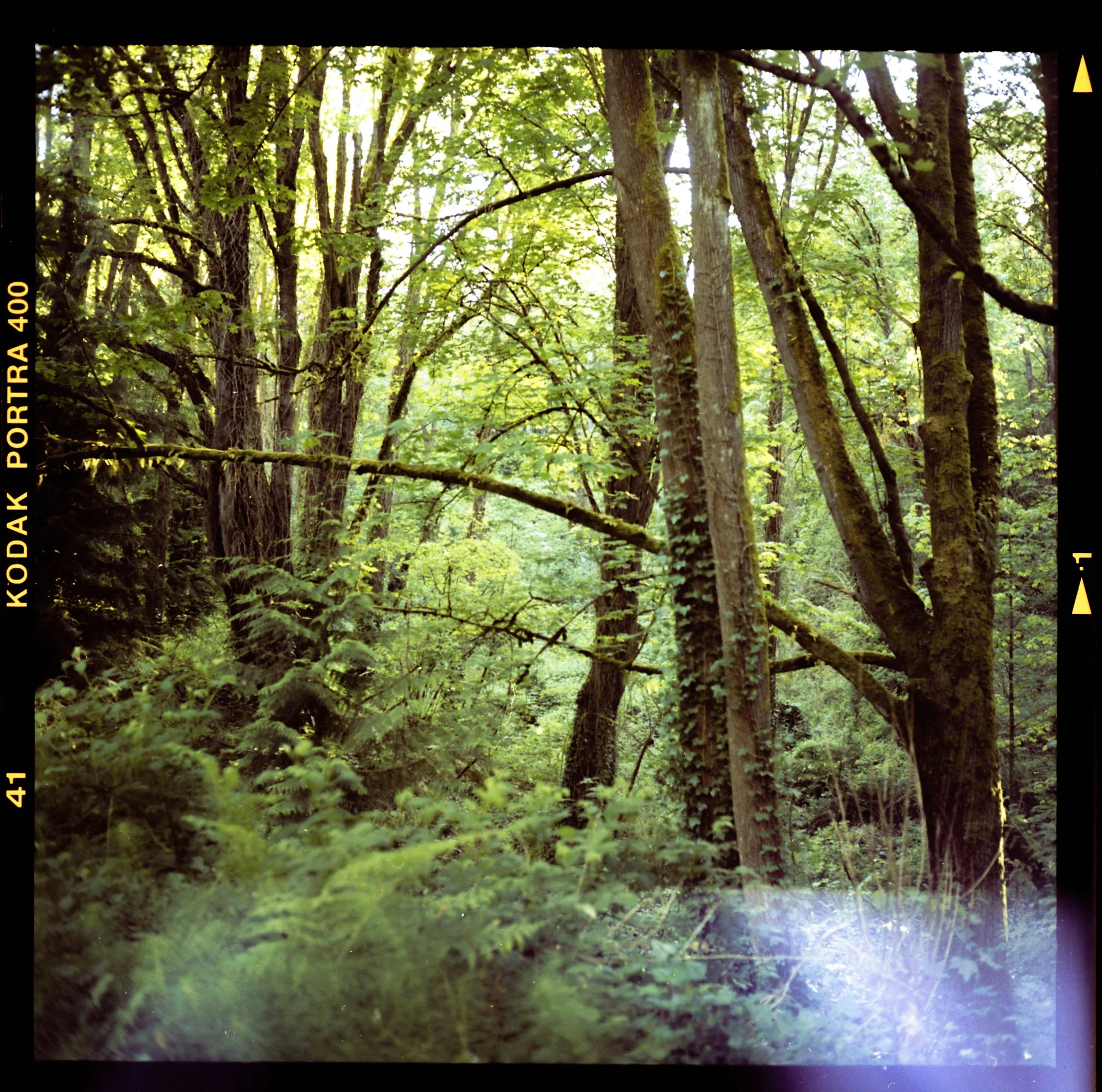
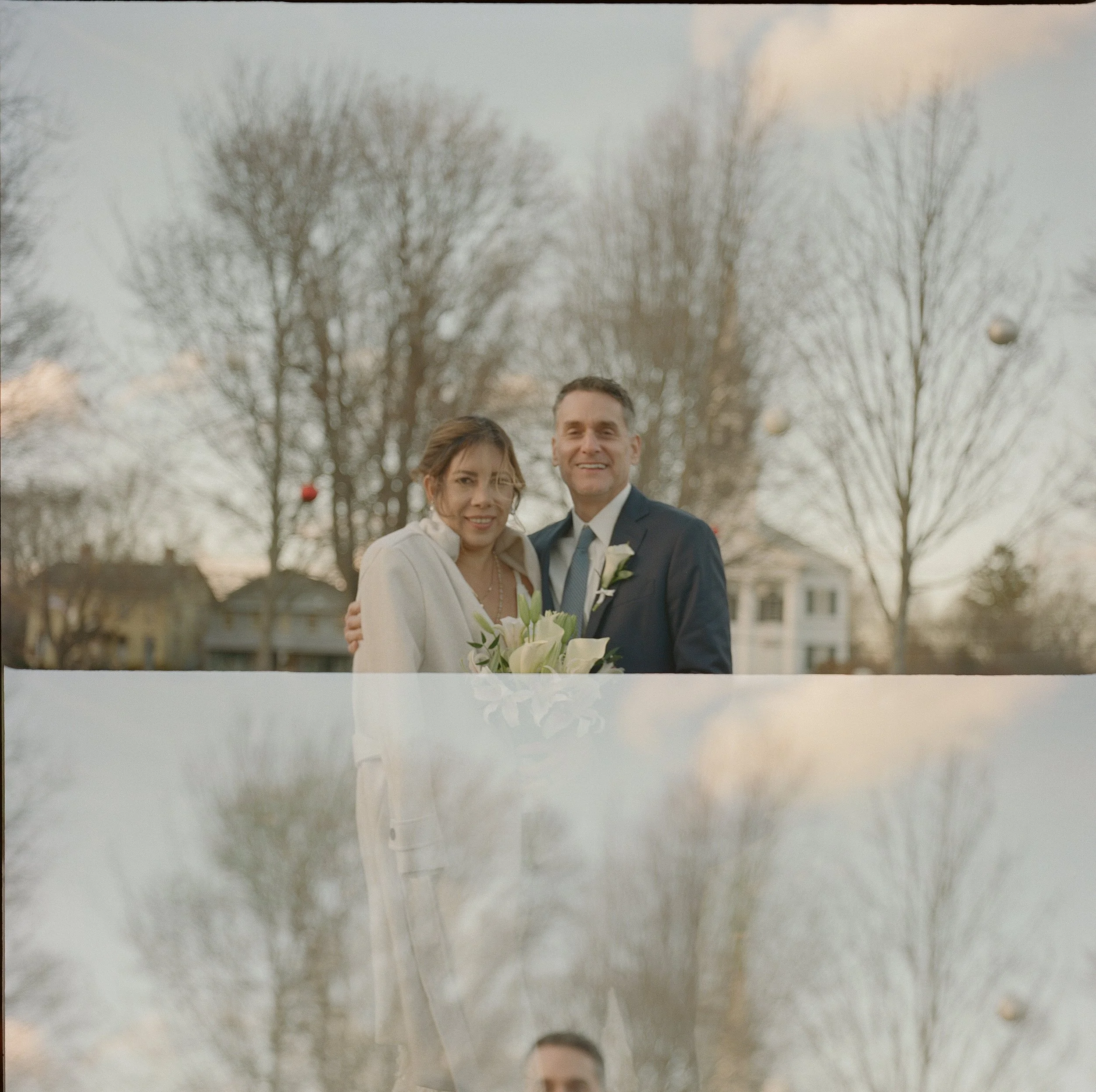
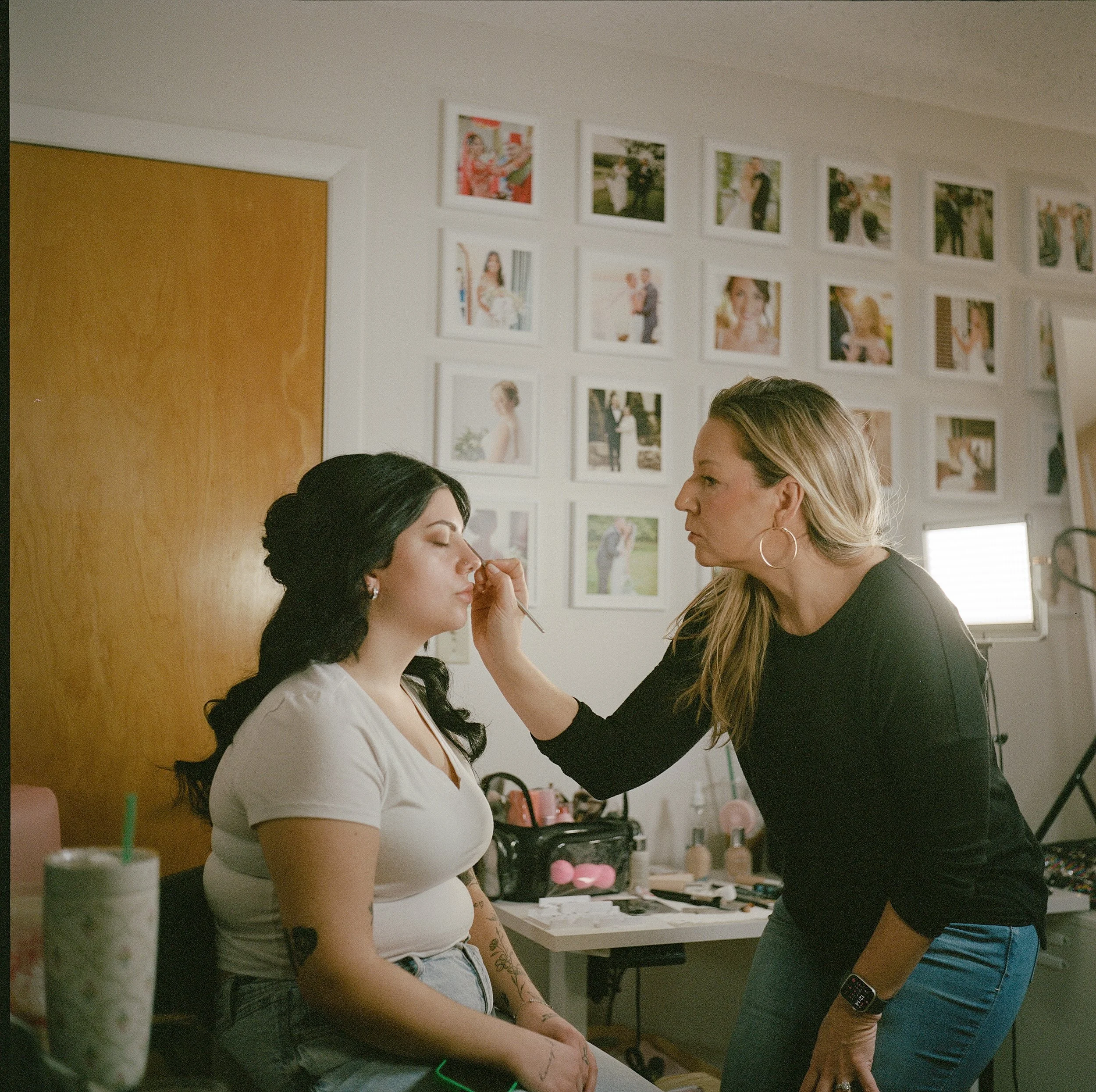
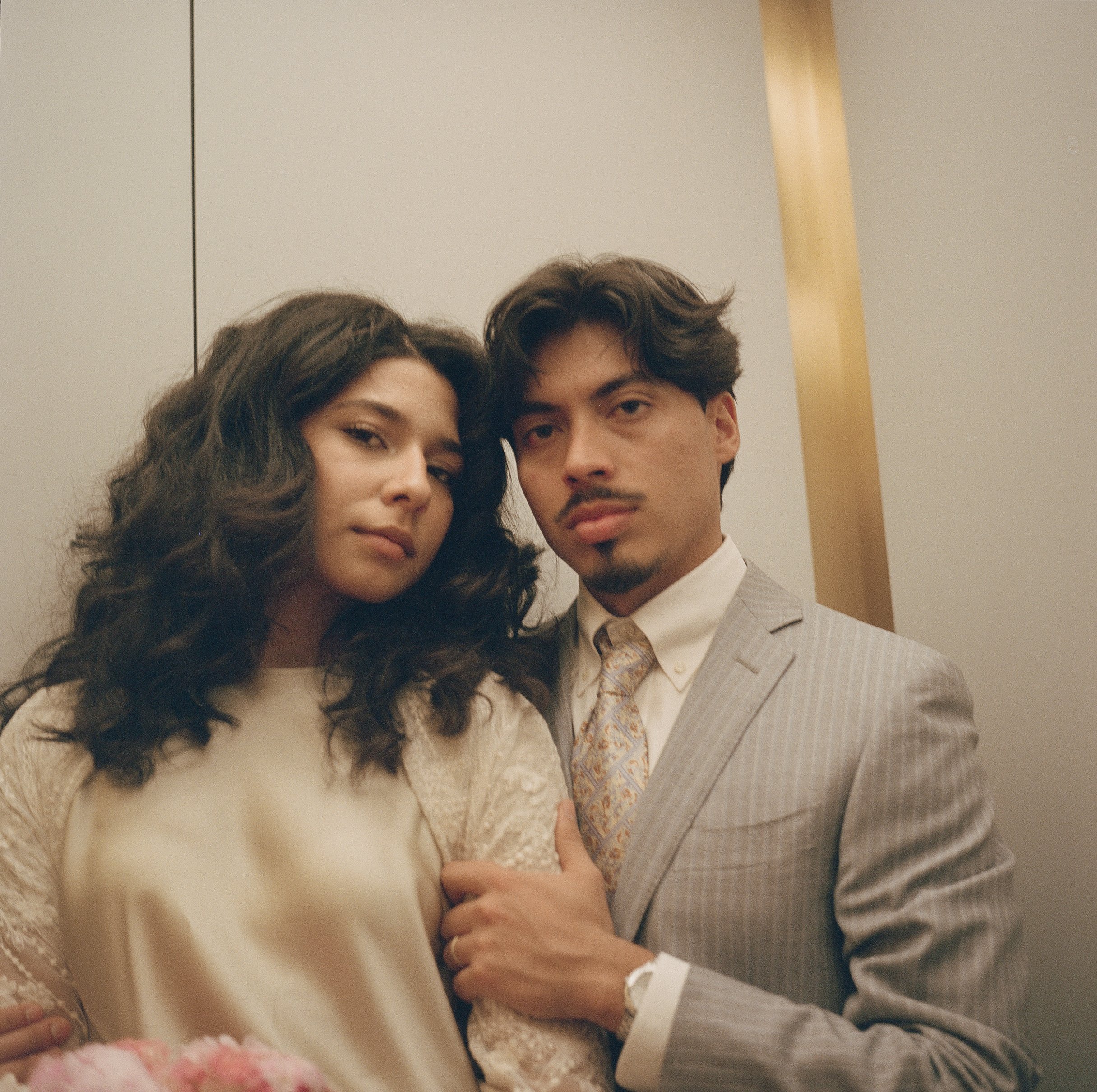
120 film is considered medium format. With the cameras that I use (Rolleiflex TLR f/3.5 and Zenza Bronica SQ-A), the negatives are 6×6 cm and square in size—meaning you can enlarge these images beautifully for prints. Larger negatives create incredible depth and detail, making them perfect for portraits and gallery-quality images.
On a 6×6 camera like mine, a roll of 120 film produces 12 frames (images), while a 6×7 format produces around 10 frames. Because there are fewer exposures per roll, each image is captured with even more intention.
-
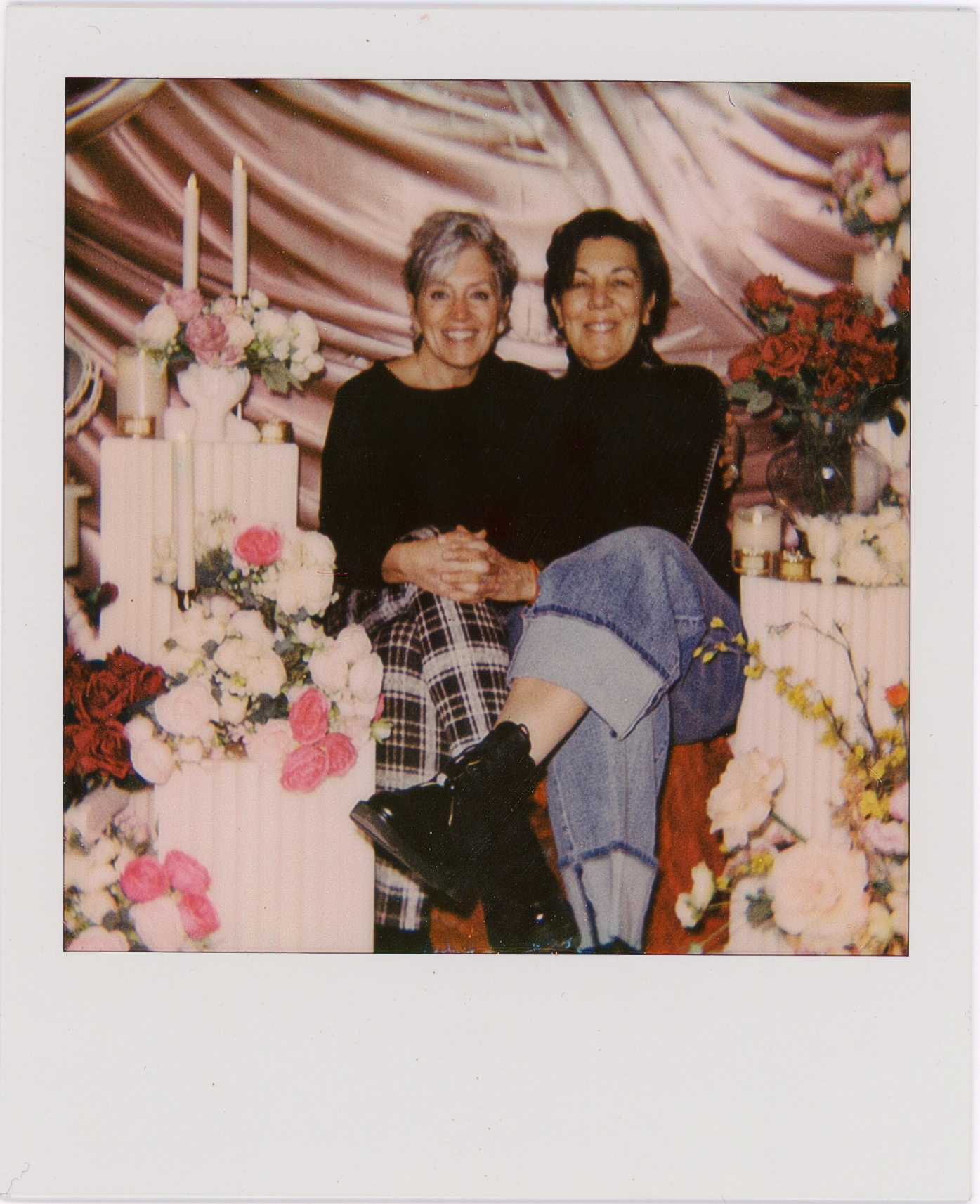
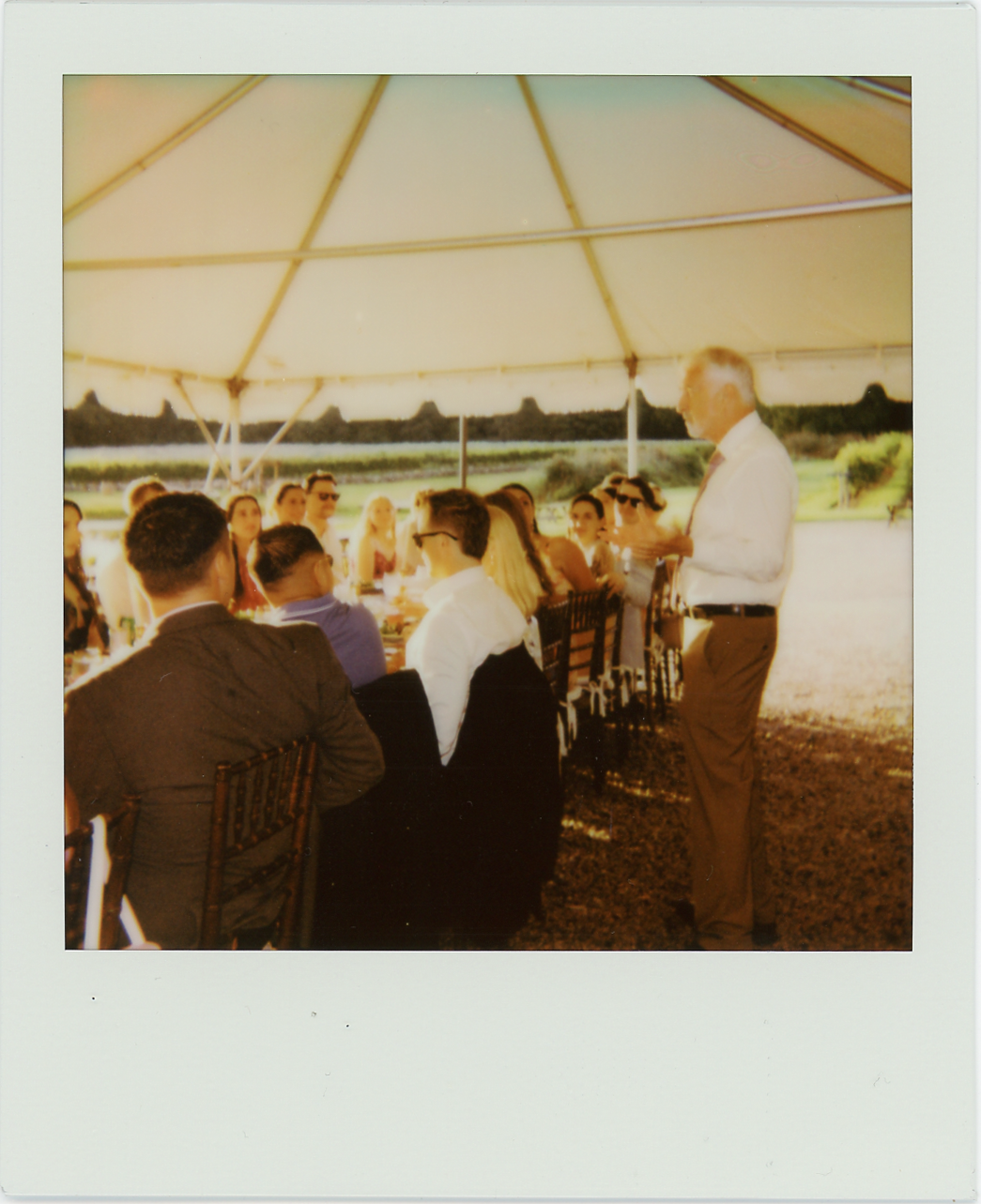
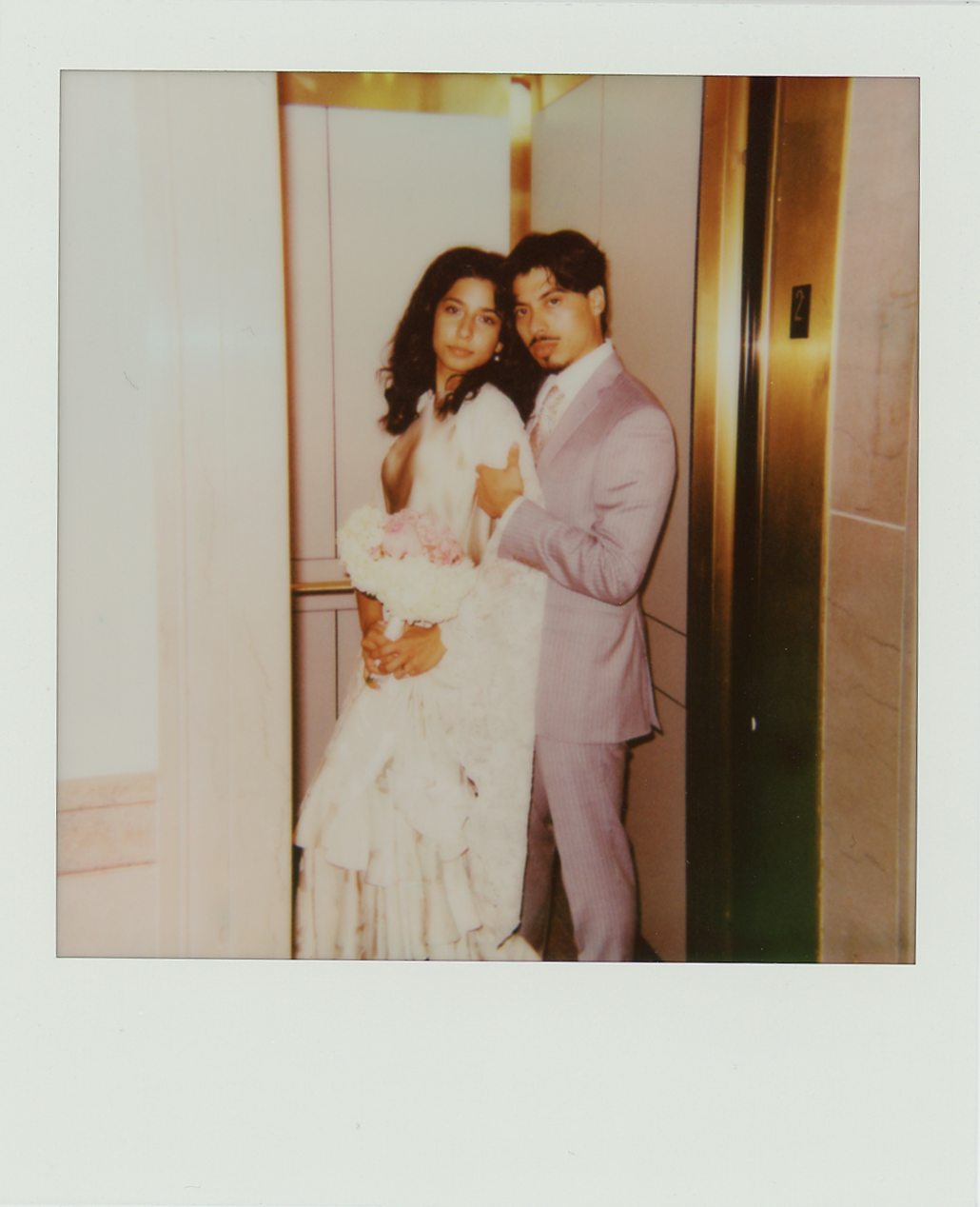
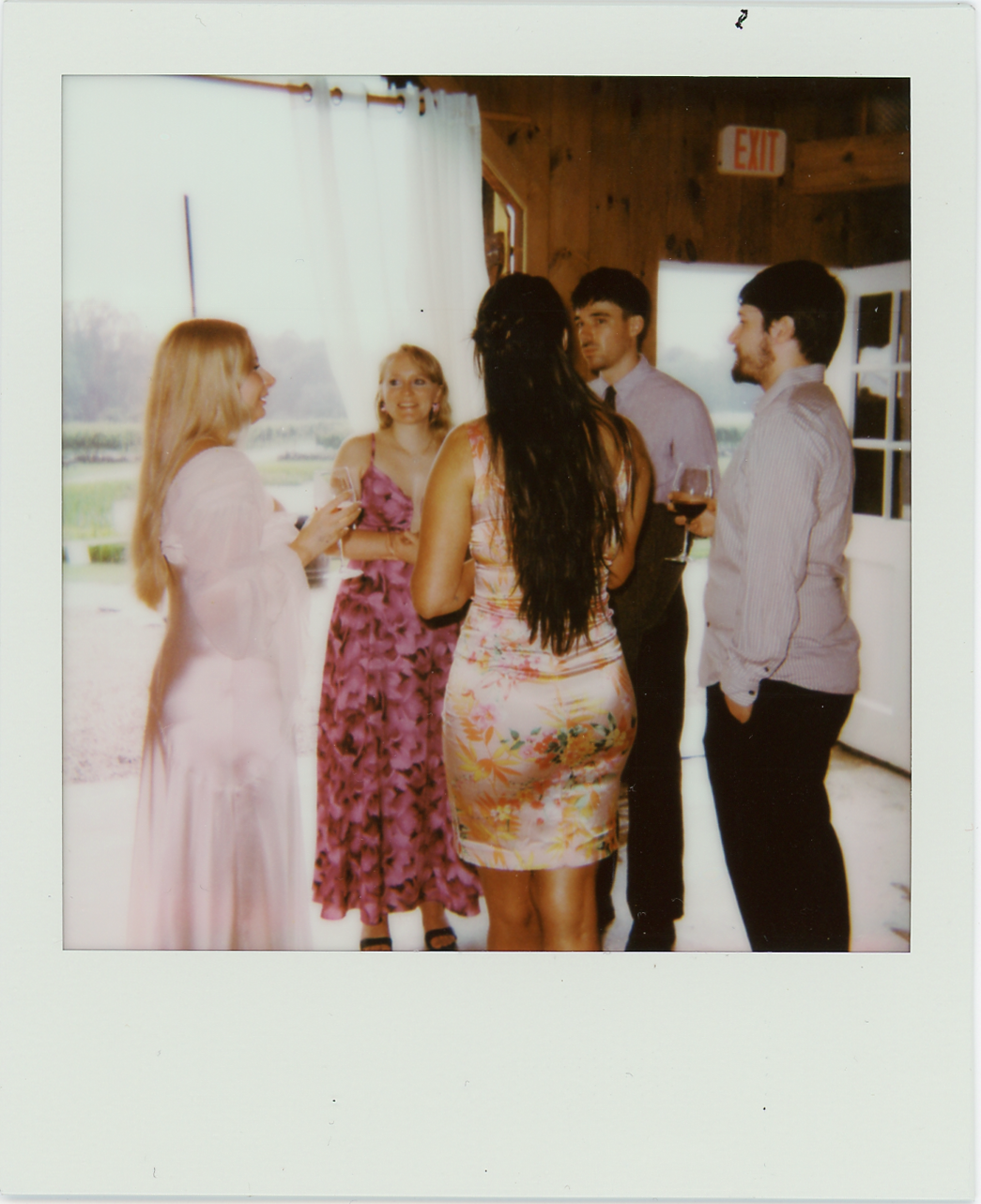
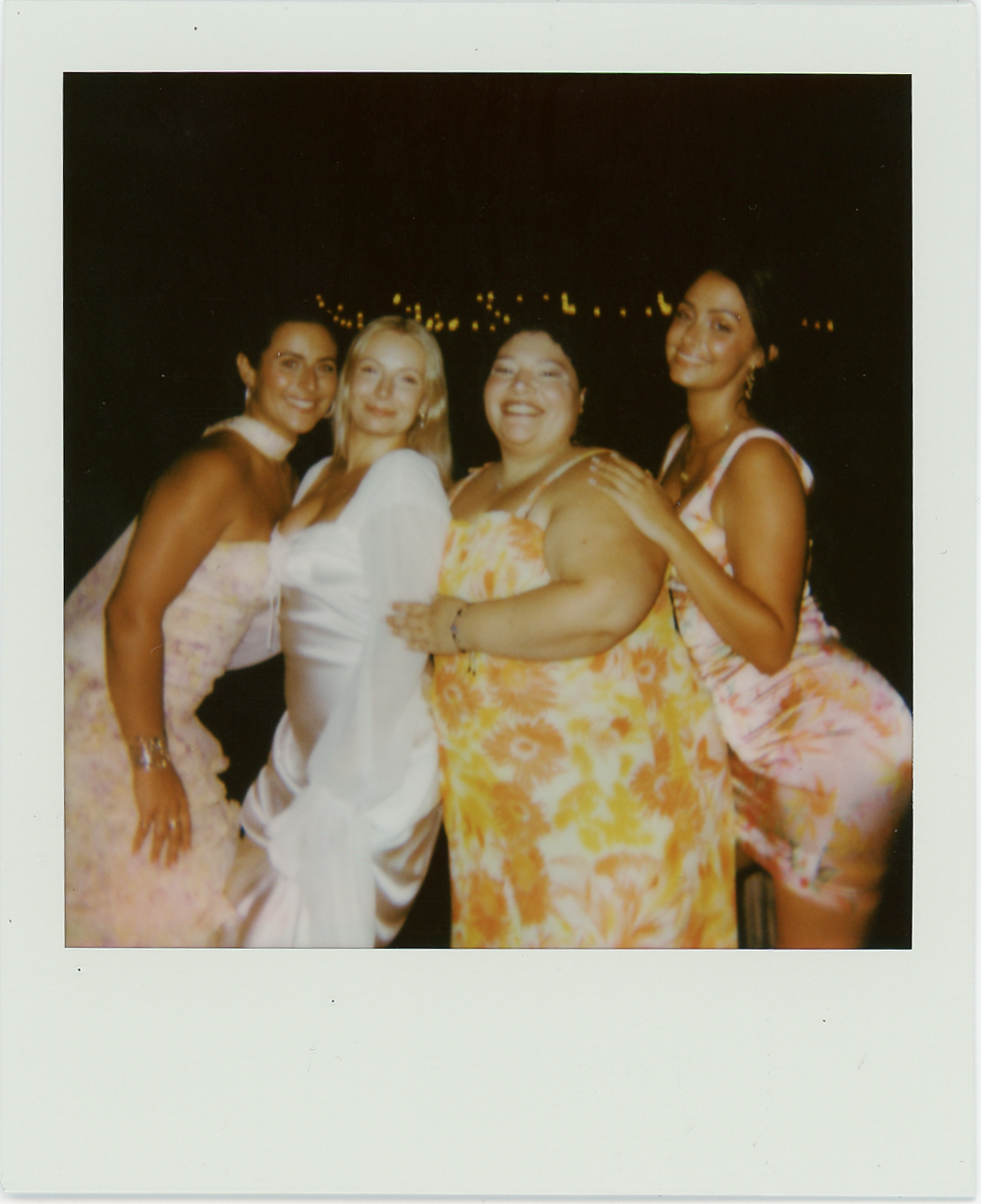
Instant film captures the photo and immediately develops the image, without the usual development process.
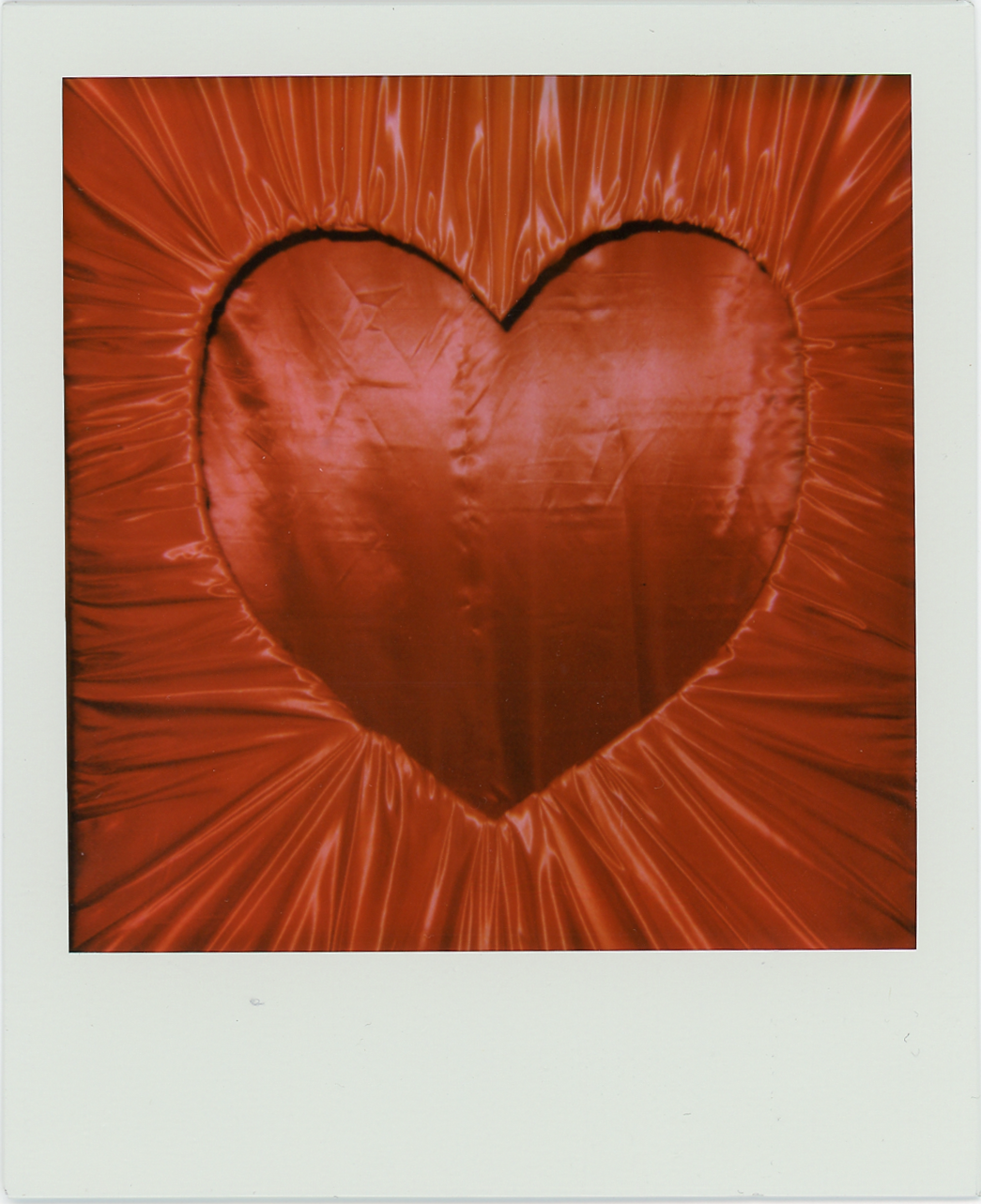
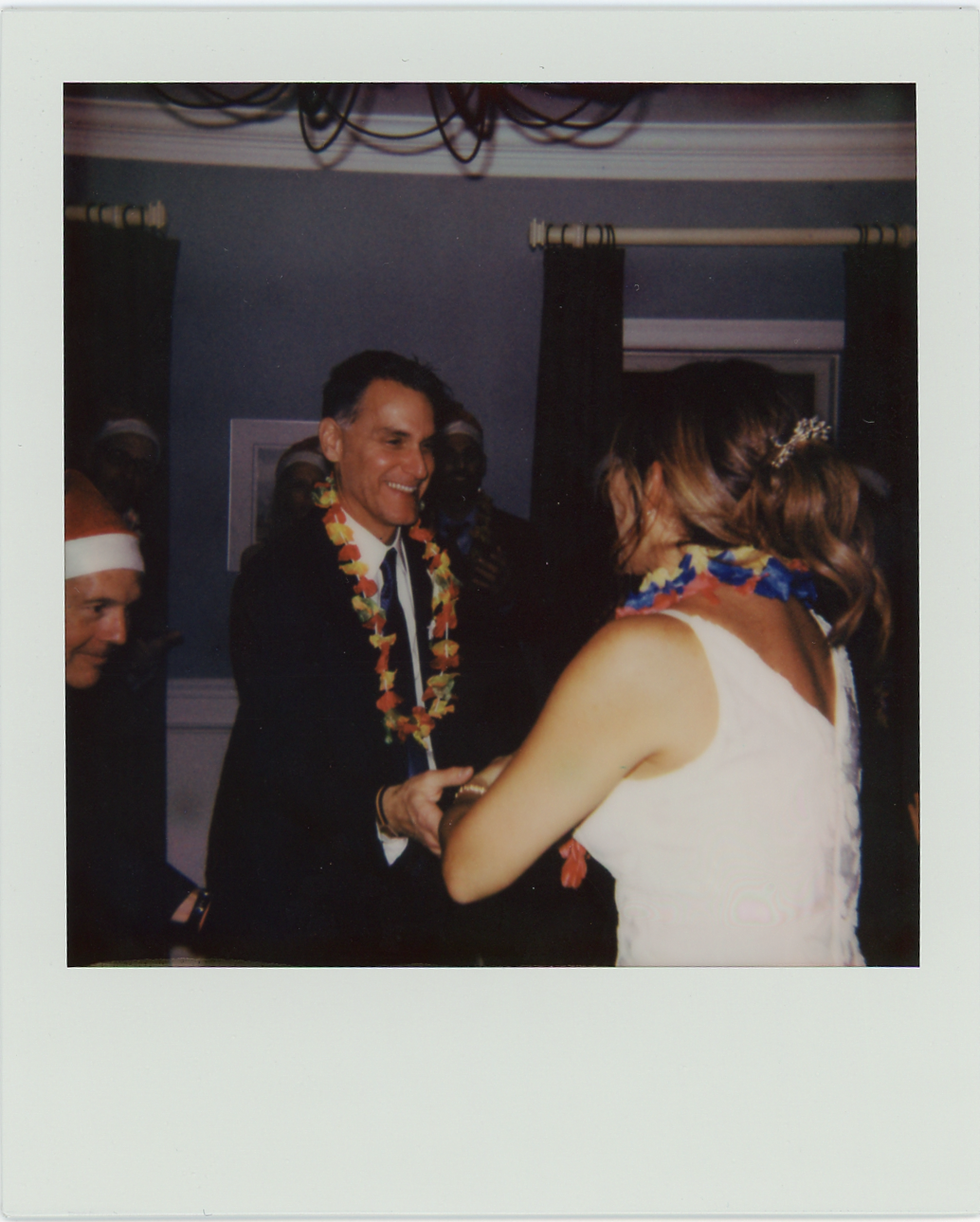
Technically, most Polaroids (like 600 or i-Type film) are considered medium format due to their larger image area (approximately 3.1 × 3.1 inches for the image itself). This size is comparable to, and sometimes exceeds, traditional medium format frames. Polaroid is a classic add-on for a retro, instant look.
When I include Polaroid images in my packages, I photograph them during your session, take them home to create high-resolution scans for you, and mail back both the original prints and the digital files, so you get the best of both worlds!Polaroids come in packs of 8, meaning 8 images.
-
I shoot both color and black-and-white film. My preferred method is shooting in color and editing to black & white, but I’ve photographed fully black & white events before, too! Fun fact: my favorite film stocks are Kodak Portra 400 & 800 and Kodak T-Max 400 (which are now called Kodak Ektacolor Pro and Kodak Ektapan).
-
With 35mm film, you can expect 24-36 images per roll, and with 120 film, you can expect 10-12 images per roll. Polaroid comes in packs of 8 and is priced as an add-on. On average, I typically shoot a mix of 35mm and 120 medium format film throughout your day, which allows me to capture both candid moments and more intentional portraits (usually about 2-3 rolls of film per hour). I always shoot intentionally rather than overshooting, so your gallery feels really curated and true to the day.
With 2 rolls/hour, I typically shoot a blend of one 120 roll + one 35mm roll, which comes out to about 48 images per hour.
With 3 rolls/hour, it gives me more flexibility to lean into what works best in each moment (for example, more 35mm during the ceremony for fuller coverage, and more 120 during portraits), which brings it closer to about 60–80 images per hour.
-
Film photography is more expensive because every image is created through a physical process, not just a digital file.
Each roll of film has to be purchased, carefully stored, and used intentionally. Once it’s shot, it’s sent to a professional lab to be developed and scanned, which is where the images are turned into high-resolution digital files you can view and download. This process happens for every single roll, and there’s no “unlimited shooting” like there is with digital.
On top of that, film requires more time, attention, and experience while shooting. Every frame is chosen deliberately — there’s no rapid-fire capturing or fixing things later. The colors, tones, and overall look are created in-camera, using specific film stocks, lighting, and technique.
You’re investing in a slower, more intentional process that results in images with depth, softness, and a timeless quality that’s difficult to replicate digitally. Film is an investment in preserving your memories on a physical medium — captured through light itself, and meant to last.
-
Using 35mm, medium format, and Polaroid film cameras requires slowing down. Every shot is intentional. Film demands attentiveness: manually adjusting settings, winding the film, and thoughtfully changing rolls. Unlike digital’s fast pace, film encourages presence, creativity, and care. I become a fly on the wall, documenting your day thoughtfully, capturing small gestures, quiet interactions, and unexpected moments.
All film is professionally developed and scanned, then carefully edited to ensure each image is perfect in tone, texture, and color. Galleries are delivered within 6–8 weeks and include a mix of final film scans and high-resolution digital images if applicable.
-
Yes. All film packages include professional lab development + Pro-level scans from Gelatin Labs, which are perfect for sharing, printing, and keeping forever. If you’re someone who loves extra detail (or you want the biggest, most archival-quality files possible), you’ll also have the option to upgrade:
Super-Pro Scans: higher resolution files with maximum detail. Adds roughly $30 more per roll
Contact Sheets: a full “film strip” view of every frame on each roll. Contact sheets range in pricing based on scan quality and size. Adds roughly $26–$38 per roll
Add-on prices are based on current lab pricing.
Before I send your film off to be developed, I’ll always check in with you to see if you’d like to add Super-Pro scans and/or contact sheets. If you choose an upgrade, I’ll send a quick invoice for the additional cost. These add-ons must be paid for before development so everything can be processed correctly. Exact pricing can shift slightly depending on current lab rates, so I’ll confirm your totals after the shoot before anything is sent out.
-
You also have the option to receive your original negatives, which can be mailed back to you after processing at the cost of shipping. Negatives are physical film originals that can be preserved for decades, offering a long-term archival record of your images.
-
Yes! I specialize in photographing small weddings (under 50 guests), intimate elopements, and engagement sessions primarily on 35mm and medium format film. These smaller, more intentional celebrations are actually my favorite to document. Film naturally slows everything down, which pairs beautifully with elopements and intimate weddings where the focus is on presence, emotion, and connection rather than a fast-paced schedule.
-
The best way to tell if we’re a good match is whether my approach feels like your ✨vibe✨. For each photography session, I show up as your professional friend with a camera. I’m there to observe, keep things calm and comfortable, capture the joy and the in-between moments, and give you breathing room to actually be present and enjoy your day.
We’ll be an excellent match if you want:
Film-forward, documentary-style photos
A calm, unhurried experience
Natural moments over heavy posing
Small weddings, micro-weddings, and elopements with an intimate feel
Not the best fit if you want:
A heavily posed, editorial-only shoot
A fast-paced, “photo list all day” vibe
Full-day coverage for 150+ guests
A quick note about “Pinterest” photos: The photos I capture are true to you. Nothing can be recreated perfectly, nor should it be. I observe the day and photograph moments as I see them unfold in front of me. If you’d like to send over your Pinterest inspiration boards, I can tell you if I photograph in a similar style. However, the best way to know if you’ll love your final gallery is if you already love the images on this page, the galleries under Recent Work, and the photos in my portfolio.
-
Yes! Film is incredibly well-suited for elopements and intimate weddings. Because film is slower and more intentional, it naturally encourages you to be present in your day rather than rushing through it. There’s a softness and honesty to film that pairs really beautifully with quiet, emotional, and meaningful celebrations. Elopements especially benefit from film because the entire experience already tends to be more intentional, emotional, and grounded in the moment.
-
I’m drawn to locations that feel cinematic, nostalgic, and timeless on film. Some of my favorite settings include gardens, greenhouses, historic estates, city halls, museums, libraries, retro hotels, and natural landscapes.
If you’re not sure where to start, I’m always happy to suggest locations based on your vision, the season, and the overall feeling you want your photos to have. Whether it’s something local in Connecticut or a destination location, we can find a place that feels like you.
Check out some places I’d love to photograph your wedding or elopement here! -
I continue shooting film throughout the day, including in lower light! I’m very comfortable working in those conditions and actually love the mood it creates.
Before weddings, I did a lot of concert photography where flash wasn’t allowed, so I’m very used to working with available light. It’s a big part of how I approach evening moments now.
I adjust using different film stocks (like higher ISO film), steady shooting techniques, and intentional exposure choices. If needed, I can also use subtle lighting support — like flash or bounce lighting — to maintain quality while keeping everything natural-looking. I may use digital as a supportive tool to ensure nothing important is missed.
-
Film is always my primary medium, but I do use a digital camera as a secondary tool when needed. Digital is mainly just for reading light in real time and capturing complementary images of key moments, especially in fast-moving or more challenging lighting situations. You’ll always receive film as the heart of your gallery, with digital images available as an add-on if you’d like full hybrid coverage.
I personally choose to incorporate film into every shoot, so if you’re looking for a fully digital-only photographer, I may not be the best fit, and that’s okay! My work is rooted in film, and that’s where my style, storytelling, and the overall experience really come to life.
-
Film photography takes a bit more time because it’s a fully physical process. After your wedding or session, all film is professionally developed and scanned by a lab. Once I receive your scans, I carefully edit each image to ensure everything feels cohesive and true to your day. Final galleries are typically delivered within 6–8 weeks of receiving the developed and scanned photos from Gelatin Labs.
-
Yes, I will guide you through all of that. Based on your timeline, location, and what moments matter most to you, I’ll recommend the amount of coverage and film that makes the most sense. My goal is always to make sure your day is fully documented while still keeping the process intentional and not overwhelming.
-
The film is sent to my lab for professional processing (about 2 weeks). Once developed, everything is carefully scanned and curated. Your full gallery is delivered within 8 weeks total.
-
My workflow is built around hybrid coverage, meaning nothing essential depends on a single frame or single format. Film and digital work together to ensure complete coverage of your day. I shoot in a photojournalist style, paying attention to the way the day is moving, and documenting what I see.
-
I shoot on multiple film cameras and always have a digital backup system running in parallel. This redundancy ensures continuity in every lighting condition and moment.
-
Not when handled professionally. Both film and digital have potential failure points — the difference is in how the system is designed. My hybrid approach is built specifically to remove single points of failure while preserving the artistry of film.
-
Kind of, but you can never truly replicate it. Editing digital images also requires more correction work, including color grading, contrast adjustments, and retouching to smooth imperfections that are natural in film.
When I edit digital photos, I always add grain and subtle film-like effects to them to try to close the gap between a memory and just an image. This is part of my creative process with digital to ensure the images provided, especially if it’s a collection of both film and digital photography, feel cohesive and blend seamlessly into one larger story of your experience.
Digital Wedding Photography: The Modern Process
I always say film feels like a beautiful memory, whereas digital feels like a slightly false impression of reality.
Digital images often feel overly polished or “perfect.” Sharpness, clarity, fast turnaround, and capturing every moment are often the goal. While color rendering in film is largely impacted by the film stock or type, digital color is shaped by camera brand technology, which can sometimes render tones more saturated or unnatural.
Editing digital images also requires more correction work, including color grading, contrast adjustments, and retouching to smooth imperfections. While digital is more cost-effective because it doesn’t require physical materials, that very difference is part of why film feels more intentional and valuable to me. When I edit digital photos, I always add grain and subtle film-like effects to them to try to close the gap between a memory and just an image. This is part of my creative process with digital to ensure the images provided, especially if it’s a collection of both film and digital photography, feel cohesive and blend seamlessly into one larger story of your experience.
Digital absolutely has its place, especially for fast-paced moments or situations where flexibility is needed. That’s why I incorporate it as a supportive tool when necessary. But for me, film is where the emotion lives. It’s where images feel less like documentation and more like a memory you can step back into.
Is Film Wedding Photography For You?
Choosing between film and digital photography is deciding what kind of experience and final images you want to look back on. Both are beautiful tools, but they create very different emotional outcomes.
Film slows everything down in the best way. Every frame is intentional, and that naturally creates a more observant, present way of photographing your day. Instead of hundreds of nearly identical images, you get carefully chosen frames that focus on emotion, movement, and story. Film is for couples, families, and individuals who value intention, emotion, and a timeless aesthetic. It’s for those who want their images to feel real, authentic, and full of life. If you love natural colors, soft skin tones, subtle grain, and a storytelling approach to photography, film is for you.
Digital is faster and more flexible. It allows for instant feedback, high-volume coverage, and adaptability in fast-changing light or unpredictable timelines. It’s efficient, responsive, and built for speed. If you’re looking for every moment captured with perfection, digital may be your best bet.
I shoot hybrid, both film and digital, with film as my primary medium, and digital is secondary. I never shoot digital only — I’ll explain more on that later. My packages are priced for hybrid film & digital pictures, and film-only delivery, with digital delivery optional, priced as an add-on.
Film vs Digital: The Pros & Cons
Film feels more like a memory captured on a tangible medium that lasts for decades. Digital is more akin to quick moments, documented through the technology of the time.
Film Photography
✔ Intentional, slower process
✔ Emotional, documentary-style storytelling
✔ Natural grain, soft tones, nostalgic color
✔ Fewer frames → more curated, intentional moments
✔ Physical negatives preserved long-term
✘ Fewer total images per roll
✘ Requires lab development + scan time
✘ Less flexibility in extreme lighting situations
✘ More expensive due to the film, lab development & scanning
Digital Photography
✔ Fast, flexible, high-volume coverage
✔ Instant review and adaptability
✔ Strong performance in all lighting conditions
✔ Great for fast-paced timelines
✘ Can feel more polished or “perfect”
✘ Requires more editing to achieve a film-like feel
✘ Easier to overshoot moments without intention
✘ Technology gets dated quickly, and it doesn’t always feel as timeless
Hybrid Film & Digital Wedding Photography
And What This Actually Means for Your Day
When I say I shoot hybrid, I mean I intentionally use both film and digital throughout your day, in a way that serves the moment, the light, and the story. Film is always my primary medium. Digital is there as a supporting tool when it genuinely enhances coverage or helps me work with fast-changing or challenging light. Here’s what that looks like in practice:
What I use film for:
✔ Everything, focused on intentional shooting & feeling over volume
✔ Ceremony moments and emotional highlights
✔ Portraits, couple sessions, and intentional slow moments
✔ Documentary-style storytelling throughout the day
✔ Details, movement, and candid in-between moments
✔ Anything I want to feel especially timeless, nostalgic, or cinematic
What I use digital for:
✔ Reading and adjusting to real-time light conditions
✔ Fast-moving or unpredictable moments
✔ Low-light situations where extra flexibility is helpful
✔ Backup coverage for key moments
✔ Complementary images when additional angles or speed matter
Why Hybrid Photography Benefits You
Choosing a hybrid approach means you don’t have to choose between emotional depth and full coverage. Film sets the tone, digital supports the structure, and together they allow me to photograph your day in the most honest way possible. Explore the visual differences between film & digital, why I shoot film, and how hybrid photography can benefit you below!
With hybrid you get:
✔ You still get the timeless, nostalgic feel of film
✔ You also get the reliability and flexibility of digital
✔ Important moments are never missed due to lighting or timing
✔ Your gallery feels intentional, but still complete
✔ I can stay present and responsive without rushing the process
✔ The final gallery feels like a story, not just documentation
Why I Shoot Film
Visual Snow Syndrome From a Film Photographer's Perspective
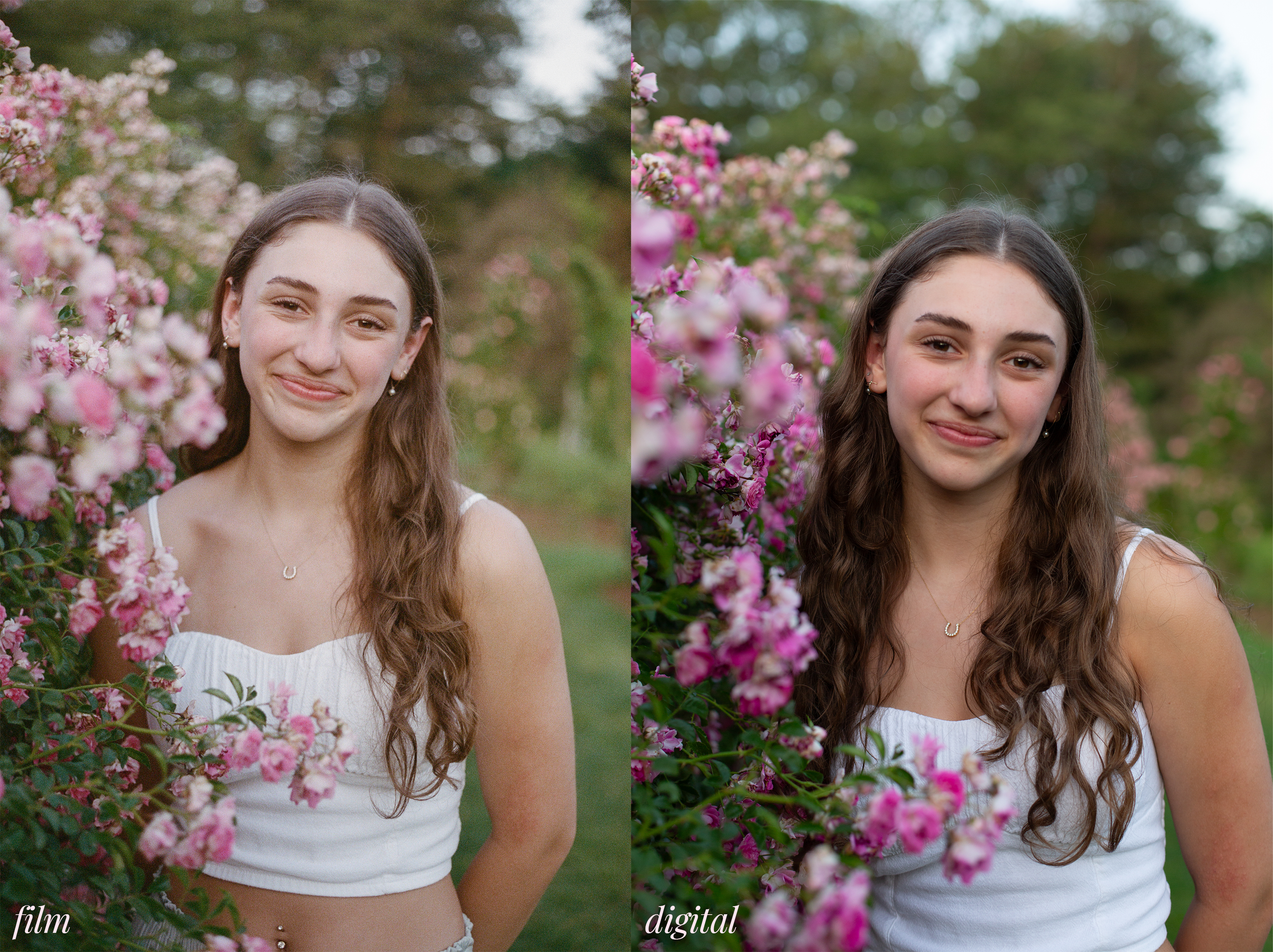
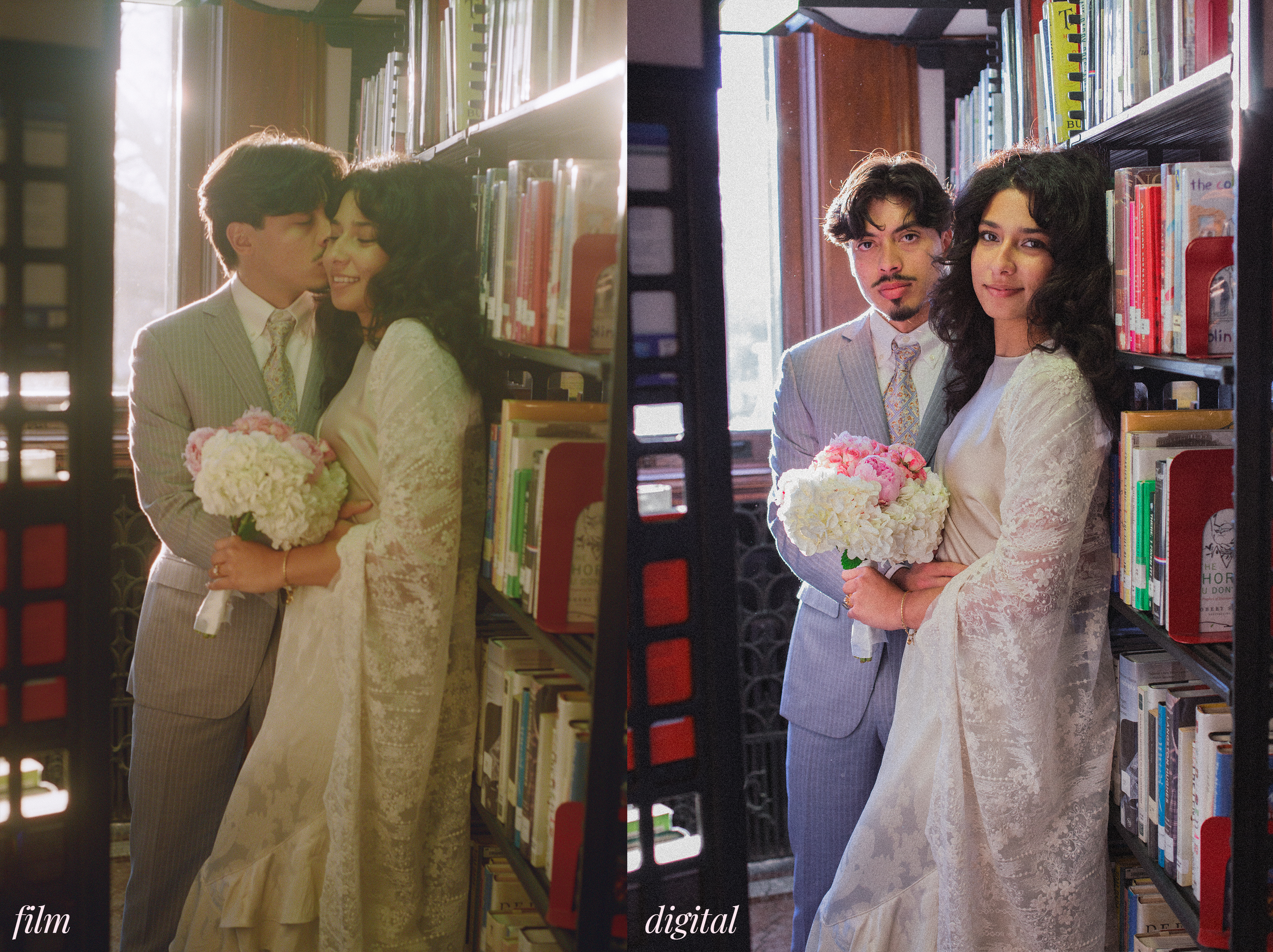
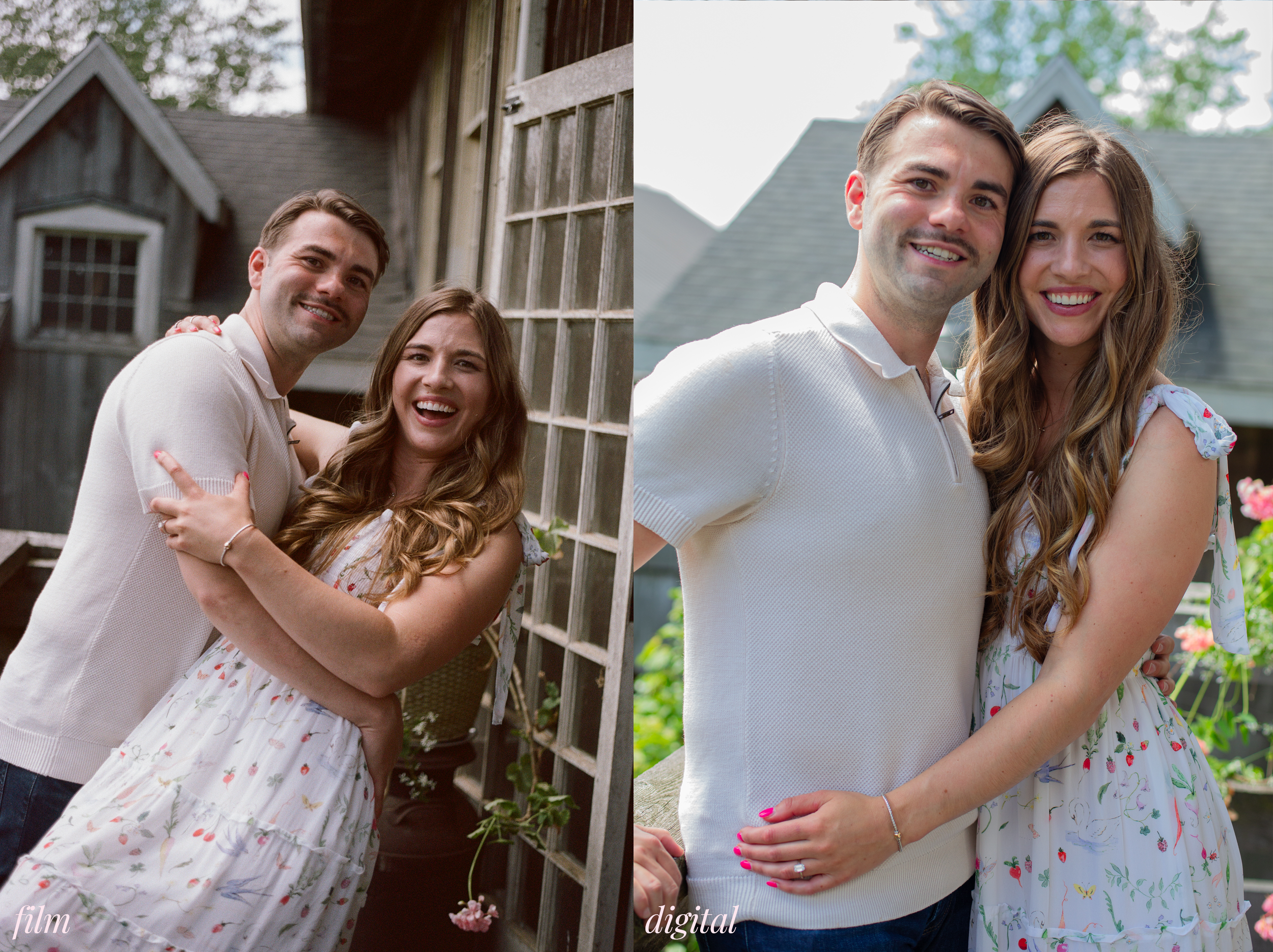
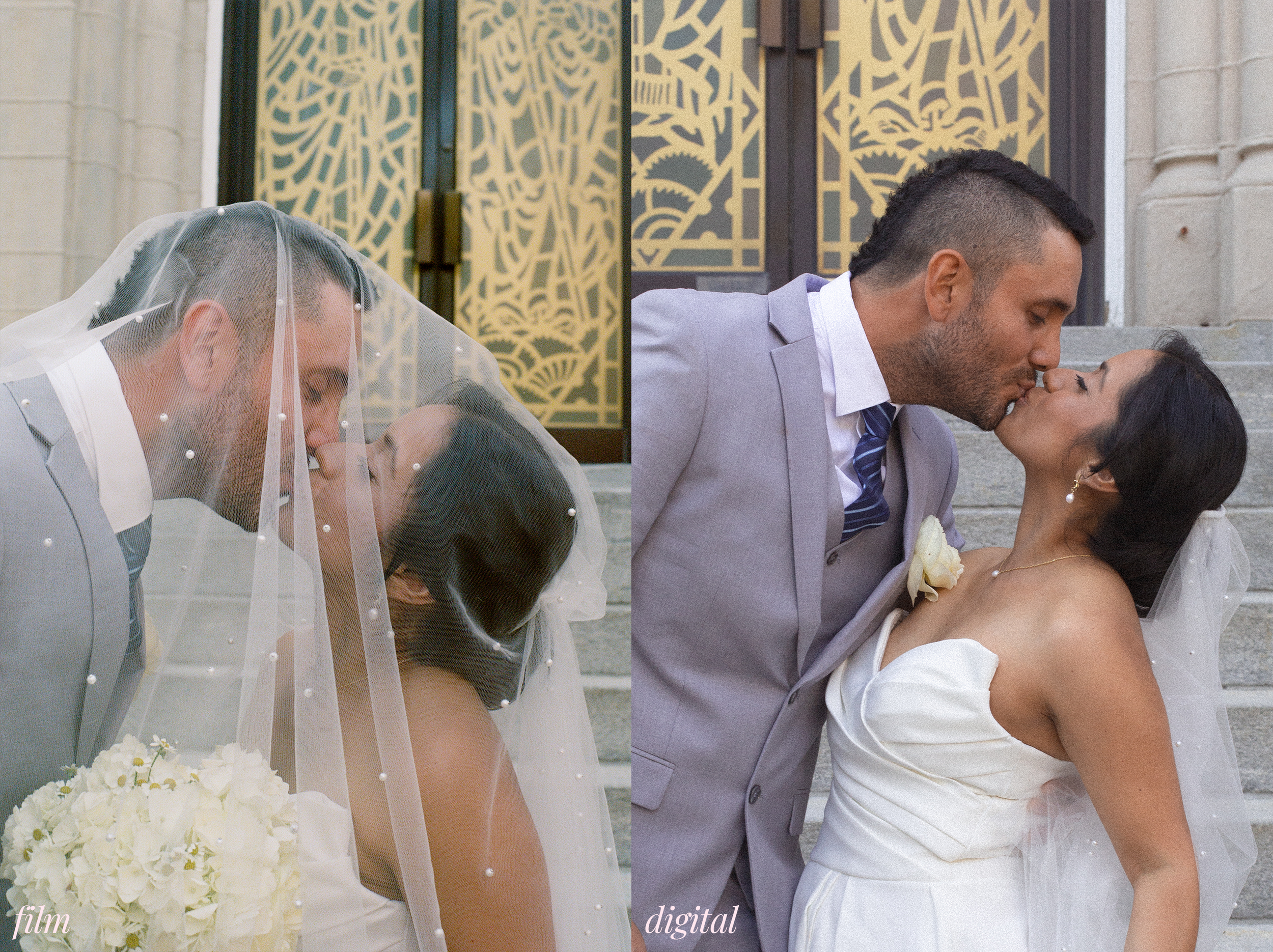
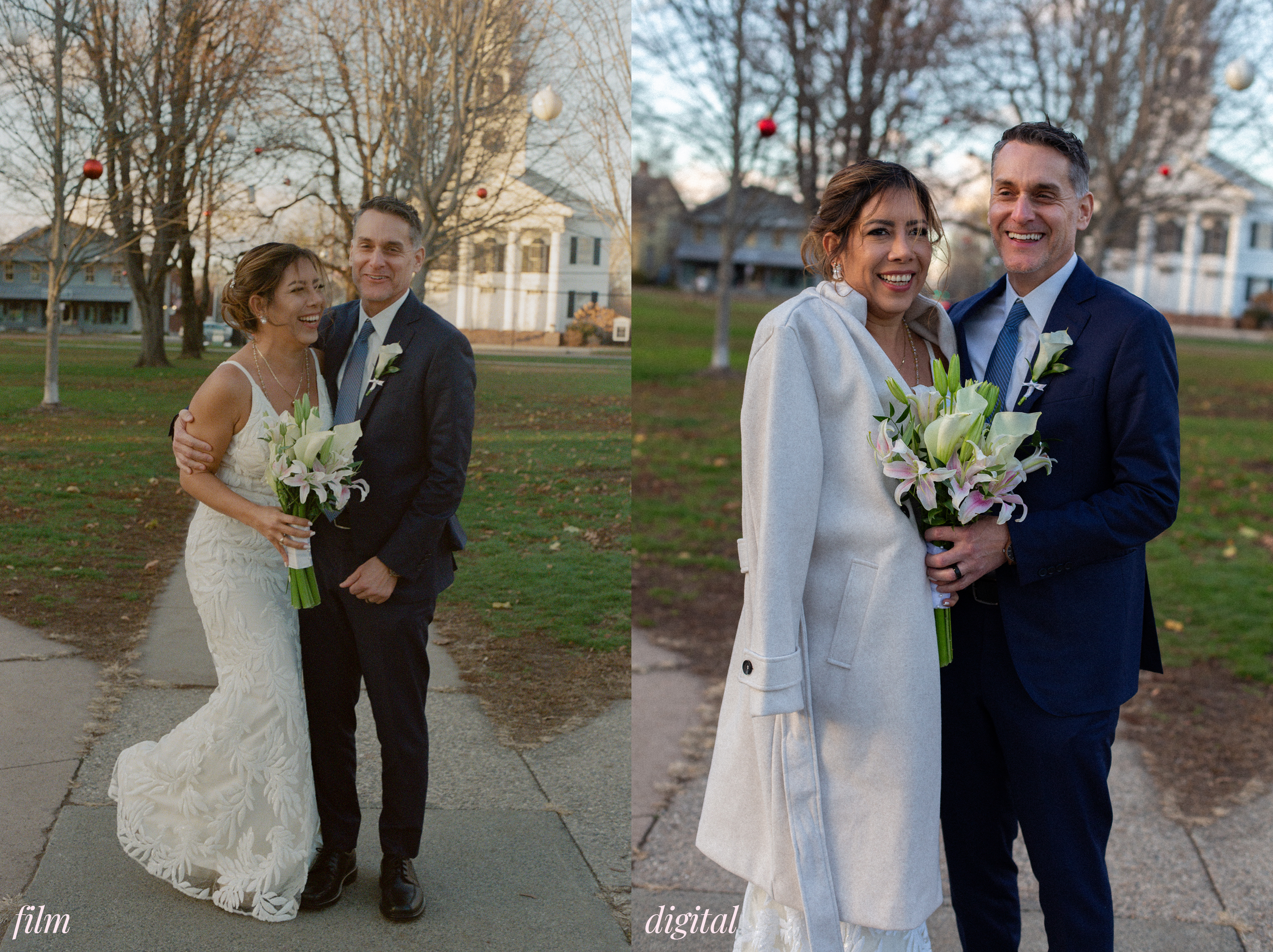
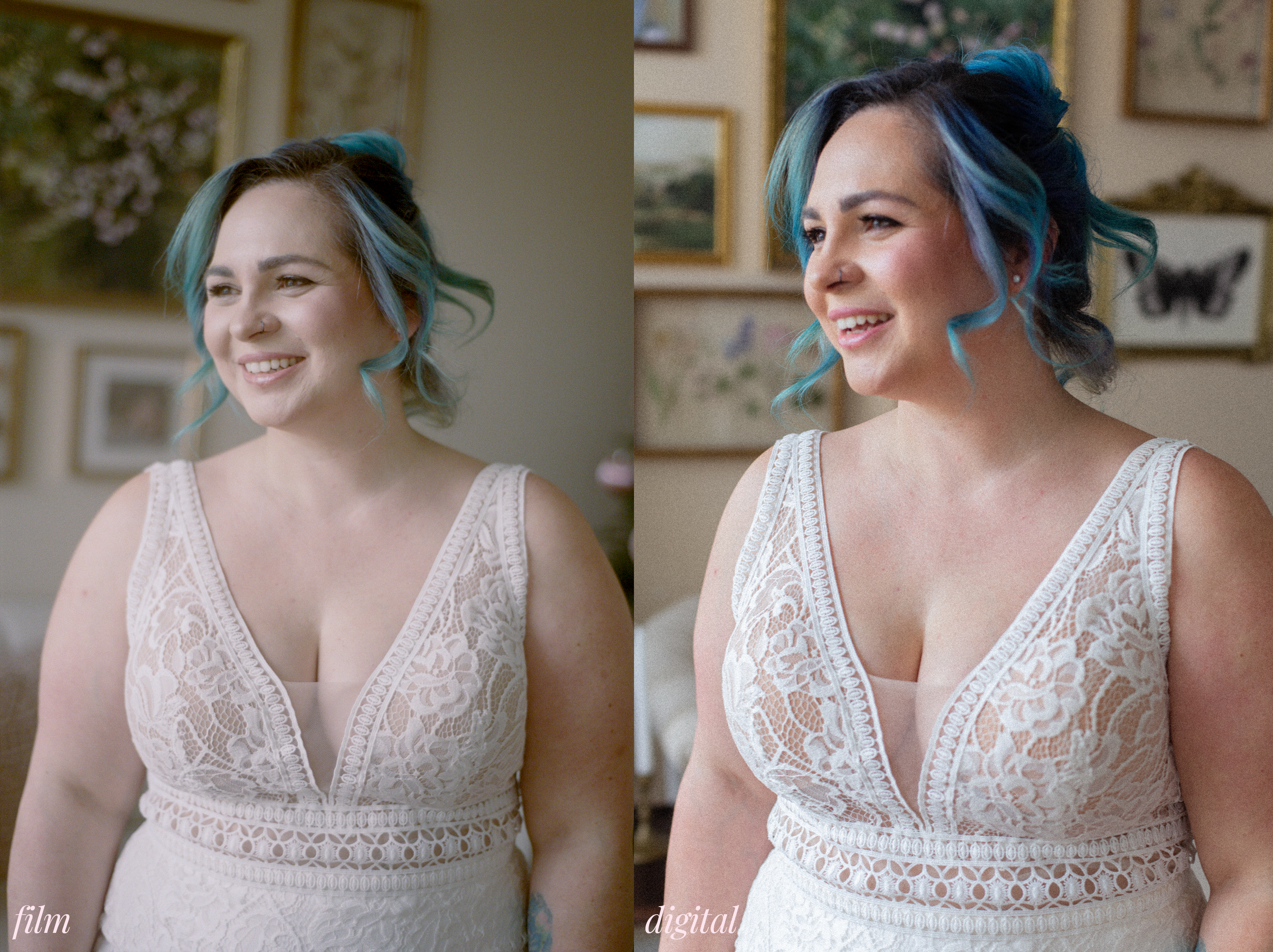
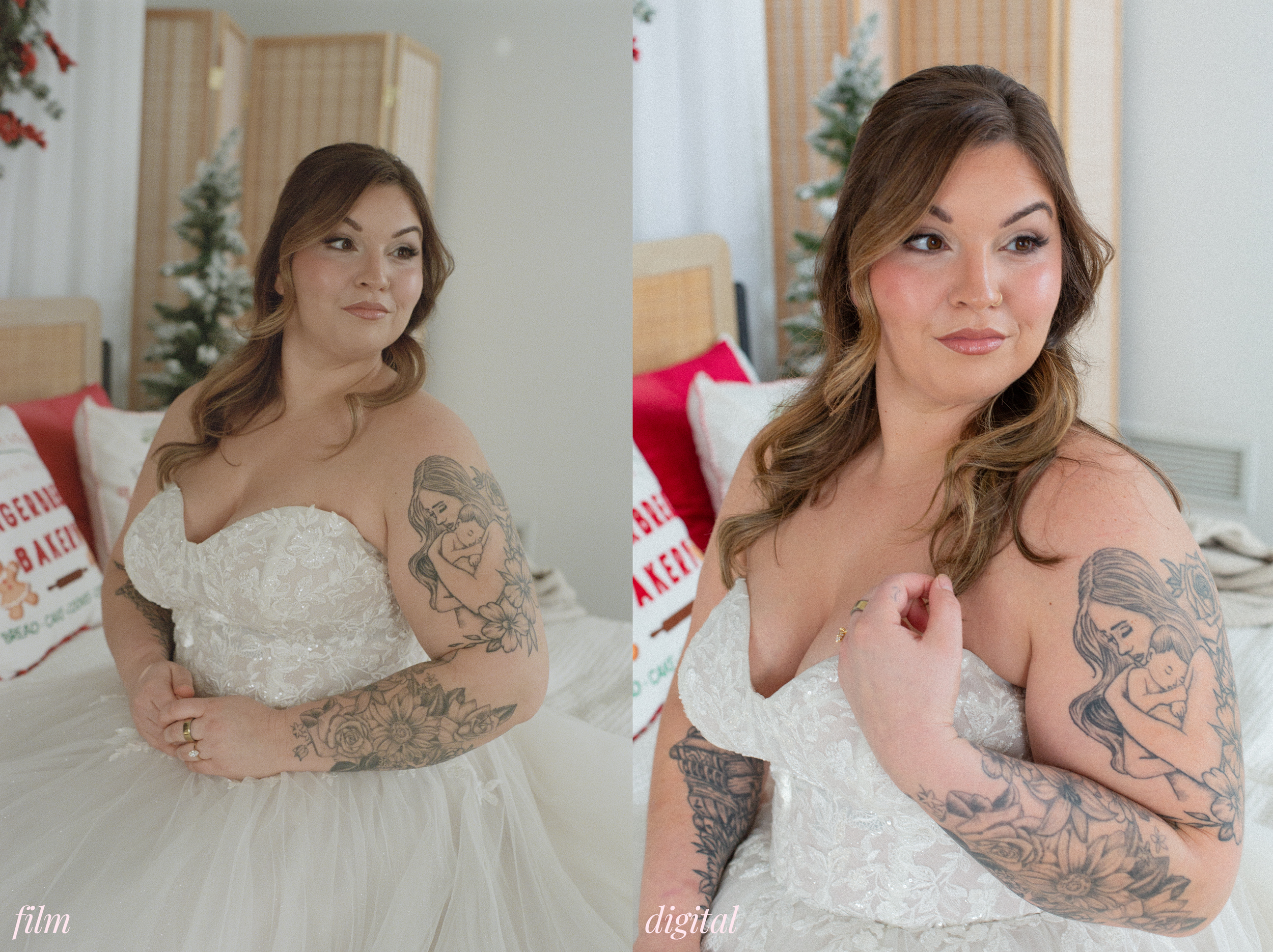
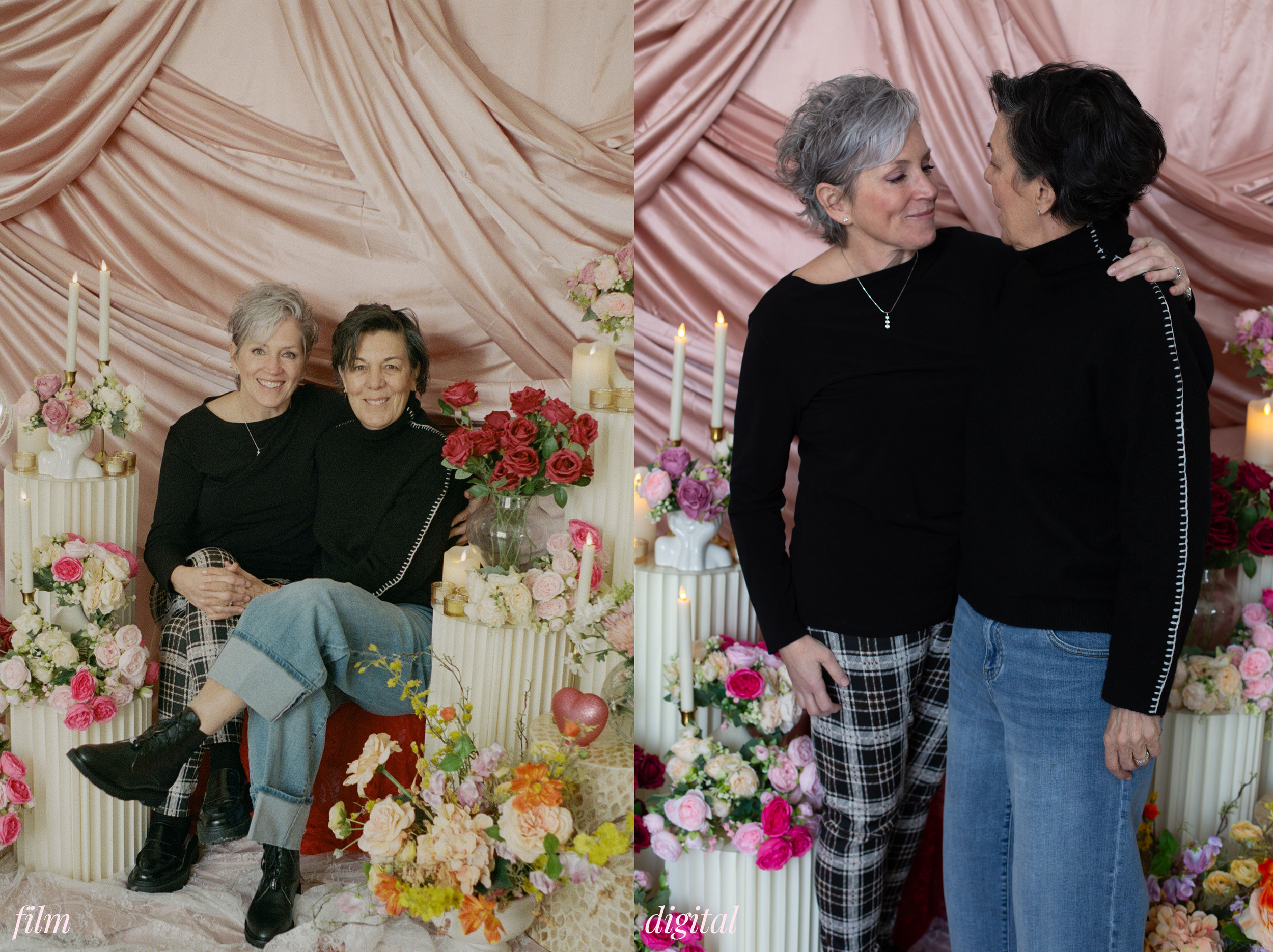
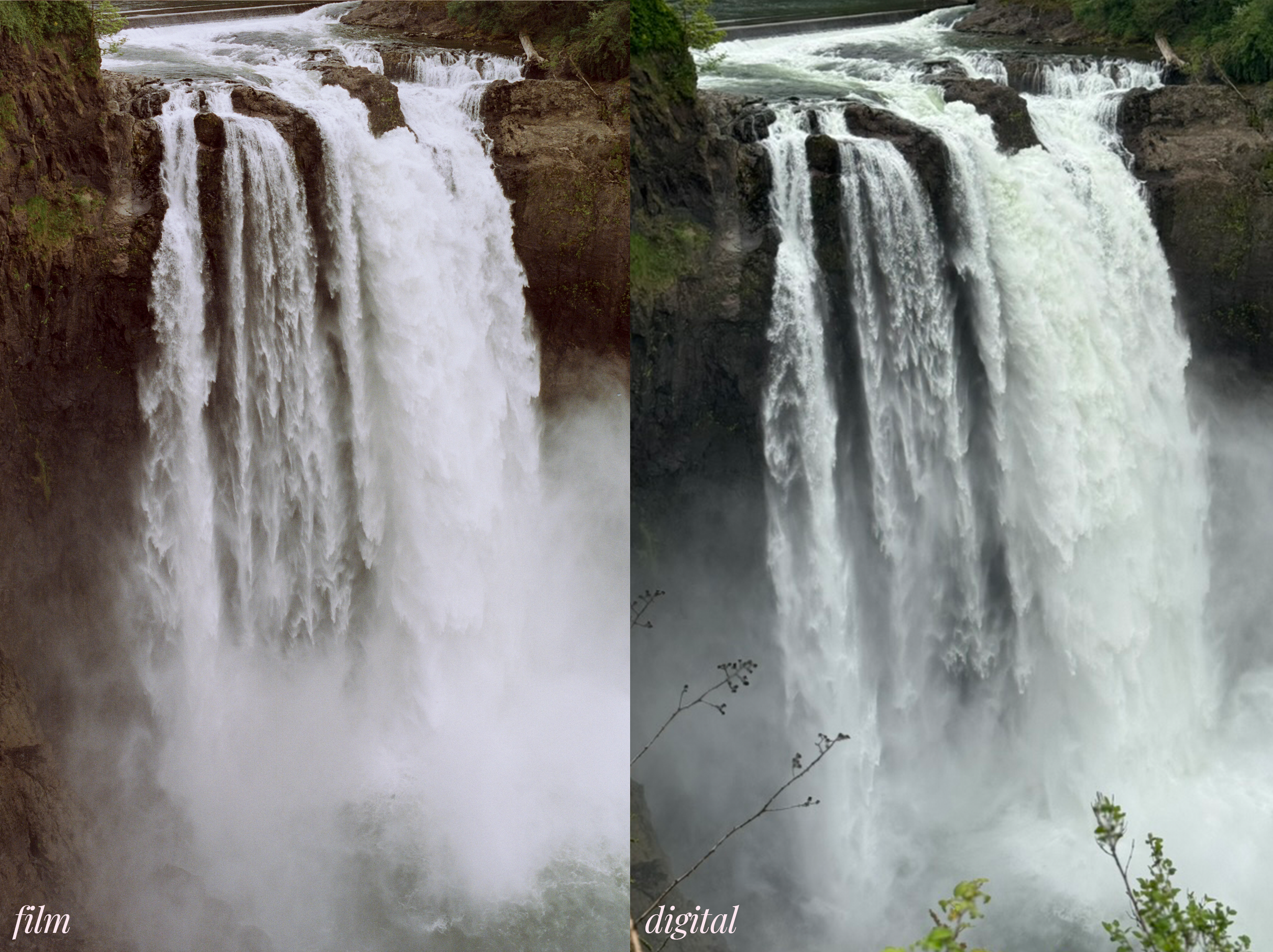
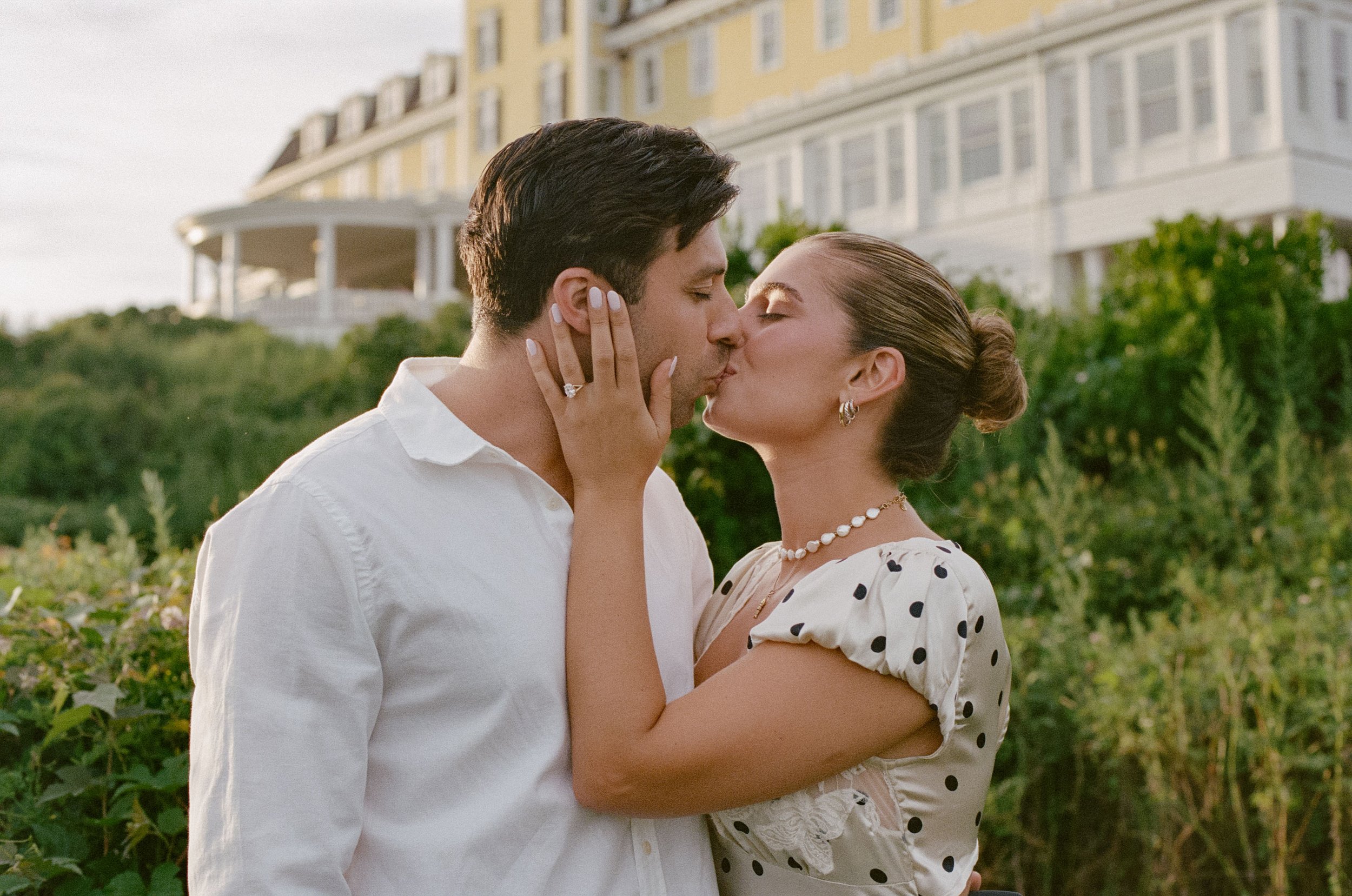
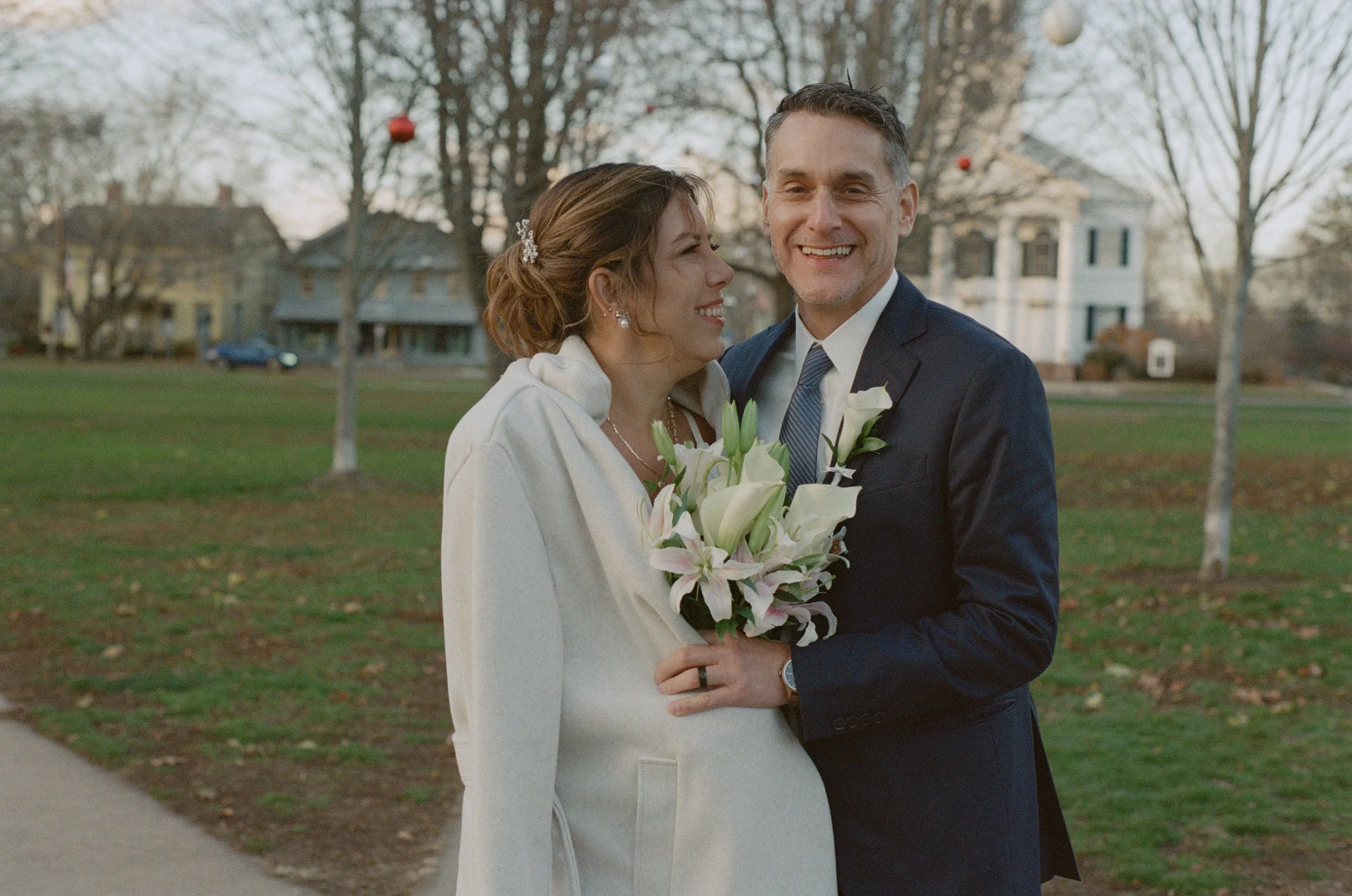
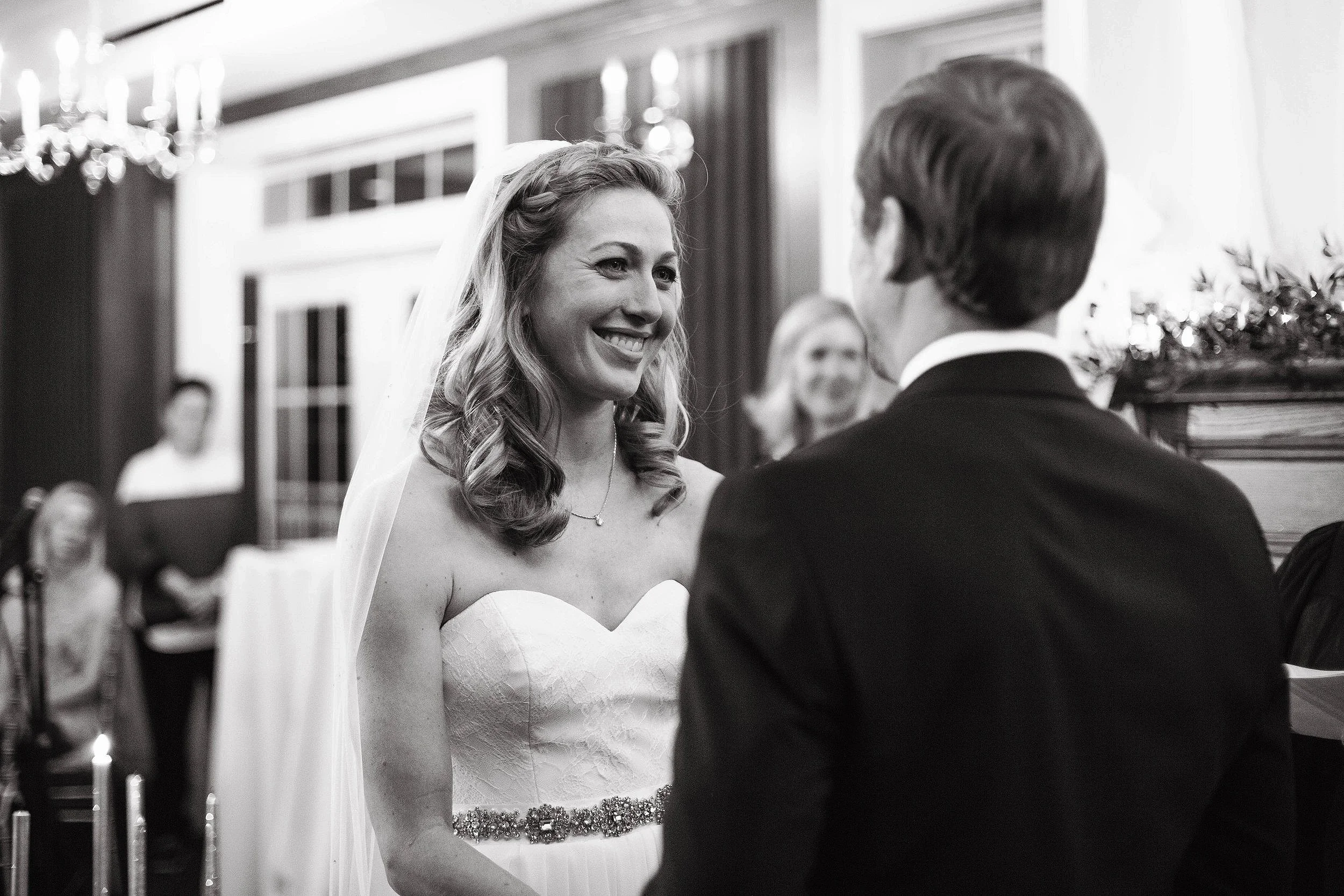
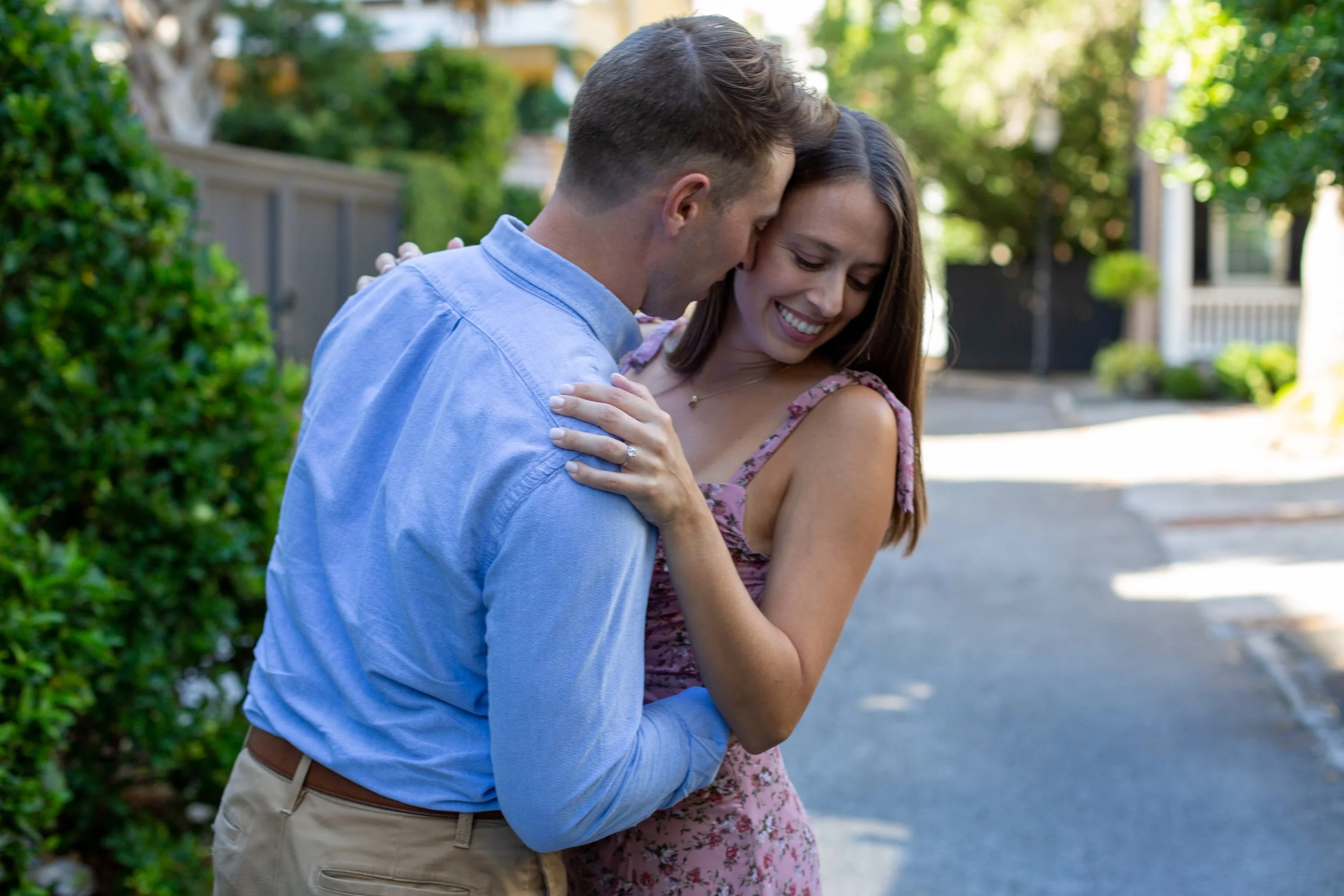
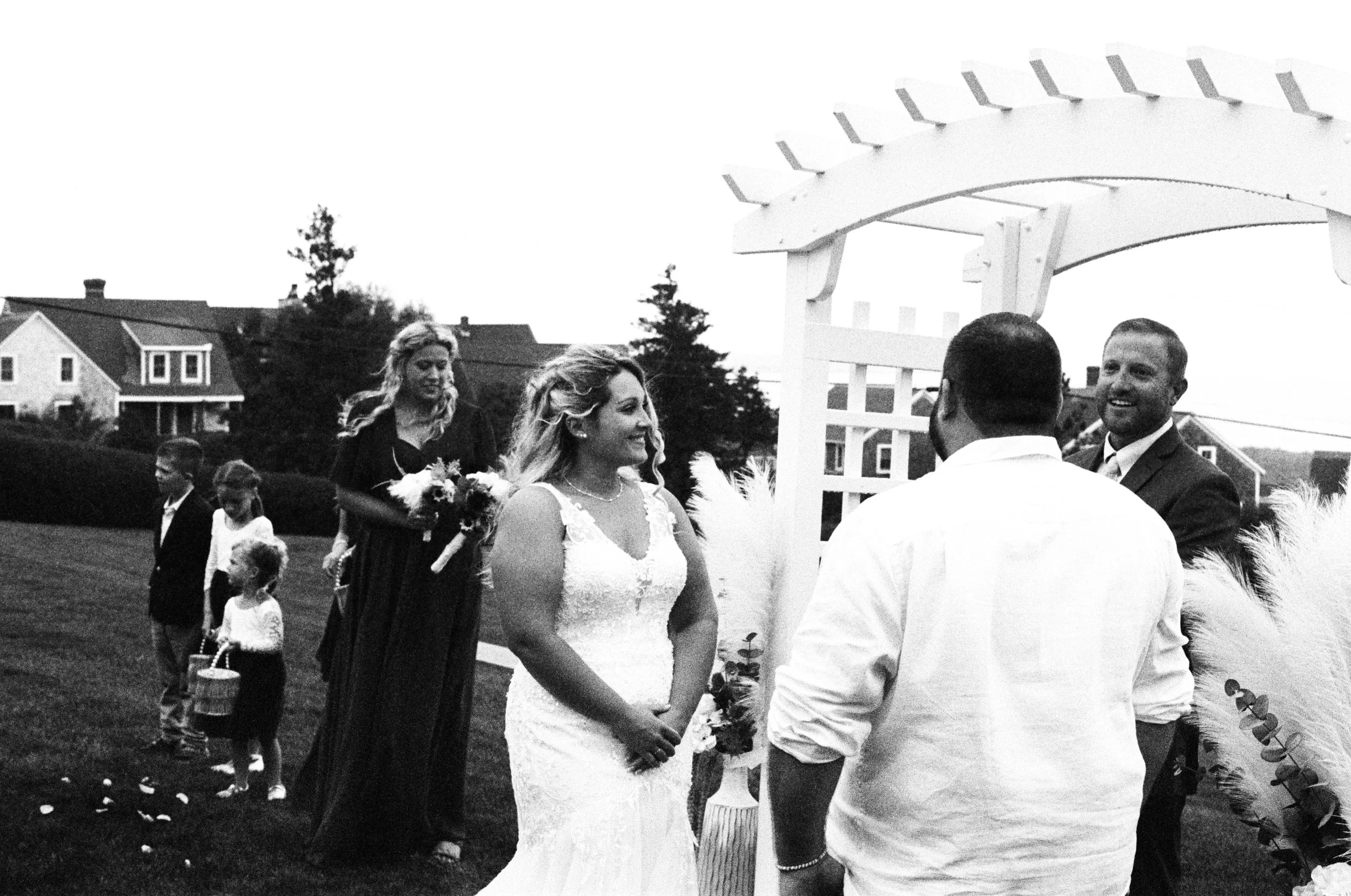
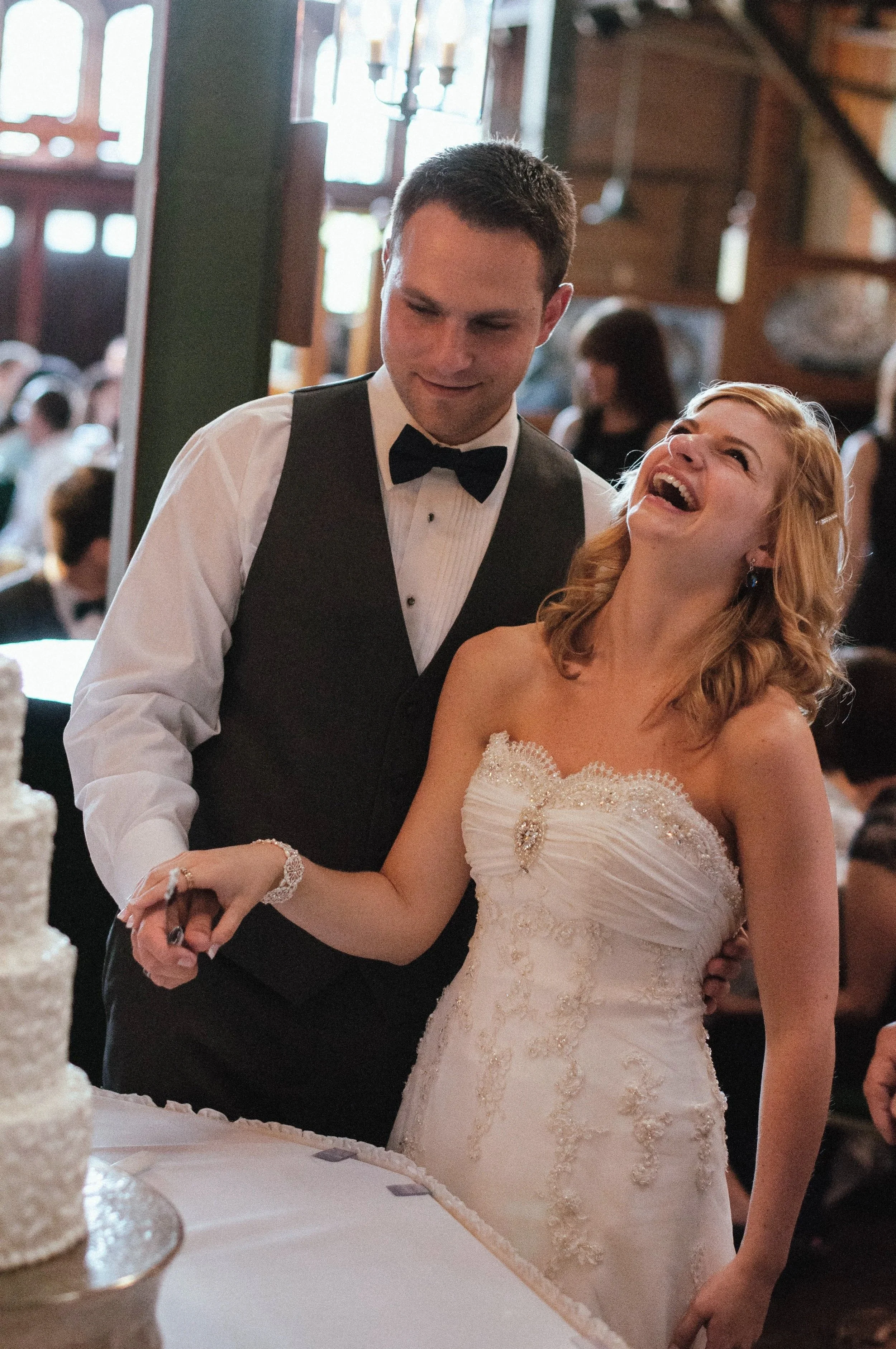
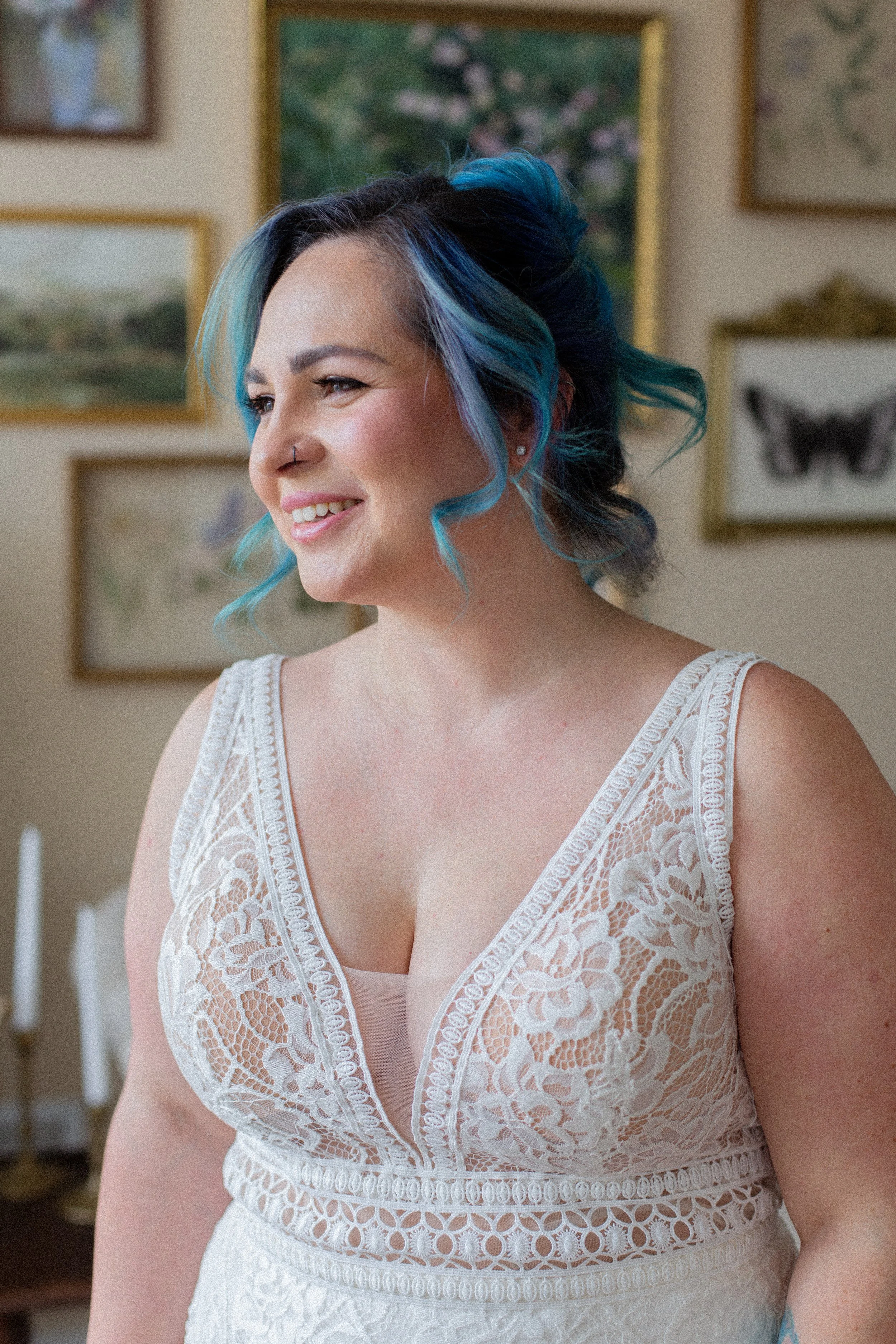
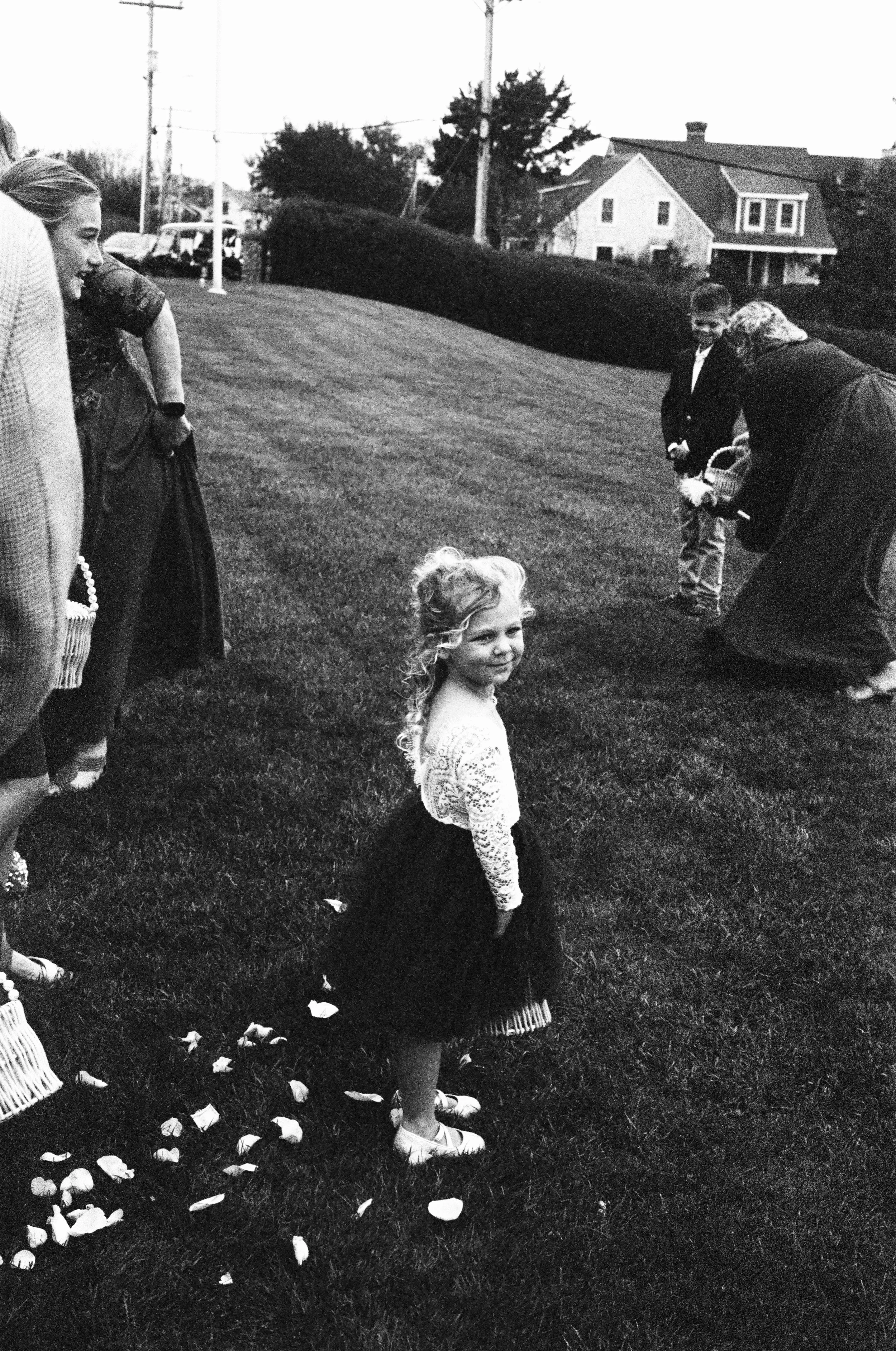
Film vs. digital images by Briana Raucci. Notice the grain, color difference, depth, movement, and how film photos look more like a memory. ♡
“Kodak sells film, but they don't advertise film; they advertise memories.” — Theodore Levitt
I shoot film because, to me, it looks more real. That might sound strange in a world dominated by crisp digital clarity, but film allows me to create images that feel true to my experience, because it is the closest representation of how I actually perceive the world. I have Visual Snow Syndrome (VSS), a neurological condition that causes me to see constant static—tiny moving dots—over everything, much like film grain. It doesn’t go away when I close my eyes, and it’s always present, affecting everything I see.
For many, VSS can be disorienting or frustrating. But for me, it’s simply how I’ve always experienced the world. When I discovered film photography, I realized it was the first medium that truly reflected my vision. Digital images, with their smooth, hyper-clear precision, felt artificial to me—they lacked the texture, depth, and movement that are part of my everyday sight. Film embraces imperfection, and its natural grain mirrors the static I see, making images feel like an everlasting moment in time.
I’ve written an entire article detailing more information on Visual Snow Syndrome and how it plays into my choice to shoot film. If you’re interested in learning more about VSS and my experience with it, click the button below!
view my recent work
♡
view my recent work ♡
How I Approach Photography
Nostalgic, Story-Driven Photography on Film, Always.
I approach photography through the lens of an artist who studied photojournalism. I combine my love for capturing candid moments with an artistic twist, creating images that feel true to you and your love. This documentary-style approach, paired with an artistic eye, means that I watch and observe your love story as it unfolds. I work at a relaxed pace, choosing each frame intentionally. I wait for those unforgettable moments that encapsulate your relationship and provide light guidance as needed, to create images that feel both cinematic and genuine. I act as both a fly on the wall and as your friend with a camera—there to help you be present and enjoy your day.
For every photoshoot, film is my primary medium. I use 35mm, 120 medium format film, and Polaroids. I also use a digital camera as a secondary source to read light in real time and take complementary images of key moments, in case my clients decide they do want those extra photos captured. My base packages are priced for hybrid (film & digital) photography coverage and film delivery, with digital images as an optional add-on.
I’m happy to accommodate any accessibility needs you may have, so you feel comfortable and at ease. My packages are all customizable, and my goal is for you to conclude your day feeling beautiful, seen, and confident that your special moments were captured exactly as you remember them.
I’m drawn to settings that feel cinematic, romantic, nostalgic, and timeless on film. Retro hotels, historic city halls, art-deco spaces, vintage motels, art museums, libraries, greenhouses, and natural landscapes are some of my favorites. I adore working with people who appreciate the unique beauty of analog photography, as I chose to shoot film for several personal and aesthetic reasons.
My favorite part of photography is finding the beauty in everything. Not confident in front of the camera? That’s okay! I’ll see through that and highlight exactly how beautiful you and your day are. When you hire me, you’re hiring my artistic style: candid, emotive, and timeless. While we can do portraits and posed shots, I especially love candid, documentary photography, with moments that are filled with laughter, quiet glances, and the energy between people. These are the photographs that resonate for years. Film is more than just a trend for me. If you want wedding photos that genuinely reflect the energy between you and your loved one—evoking feelings of love, playfulness, and romance—I’d absolutely love to connect! Beyond weddings, I photograph engagements, family sessions, portraits, and concerts — all on film. My goal is to create images that feel timeless, real, and full of life. Based in Connecticut, I am willing to travel anywhere in the U.S. to document your love story ♡
Visual Differences in Film Types
35mm, 120 Medium Format & Polaroid Film
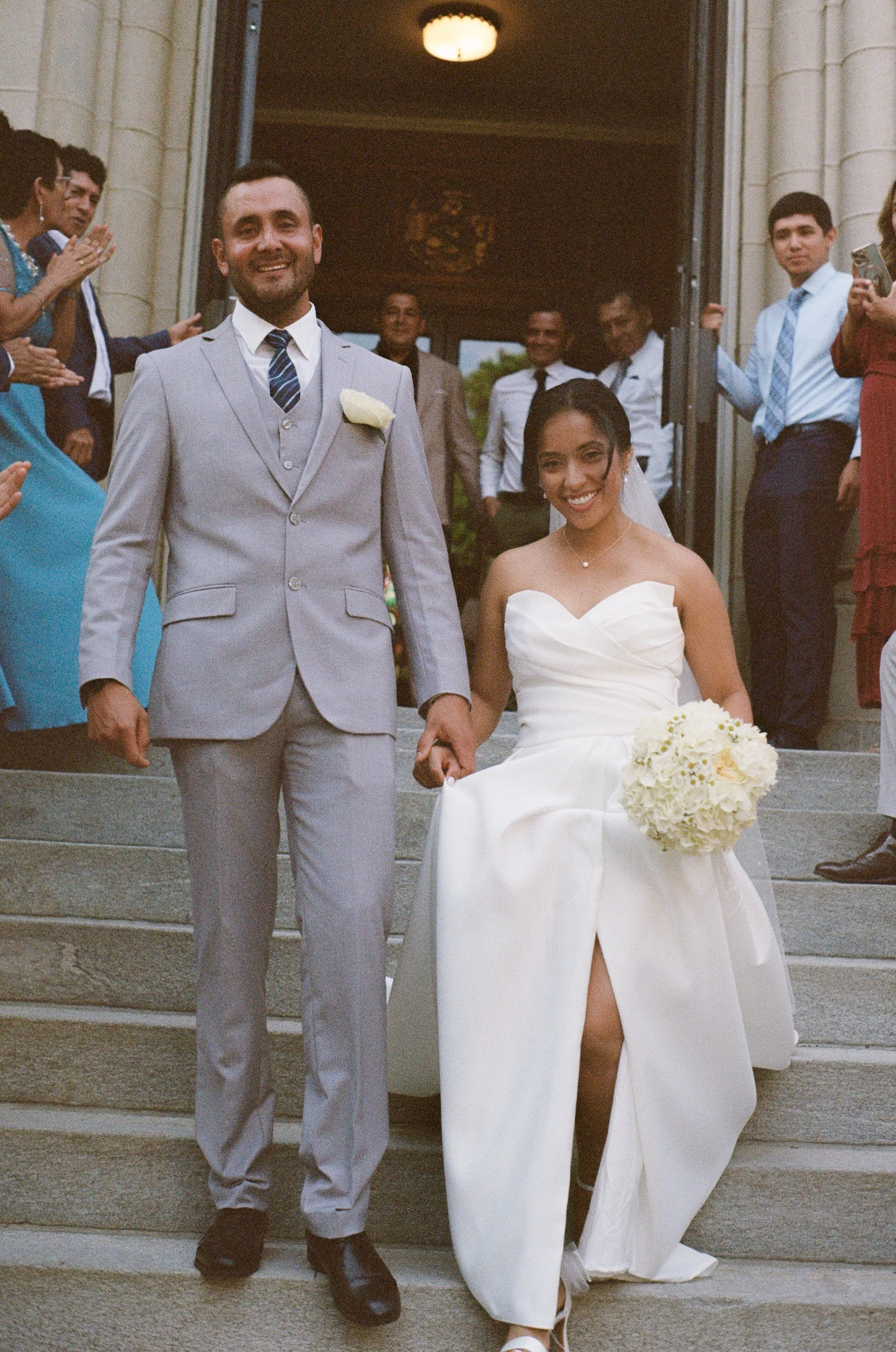
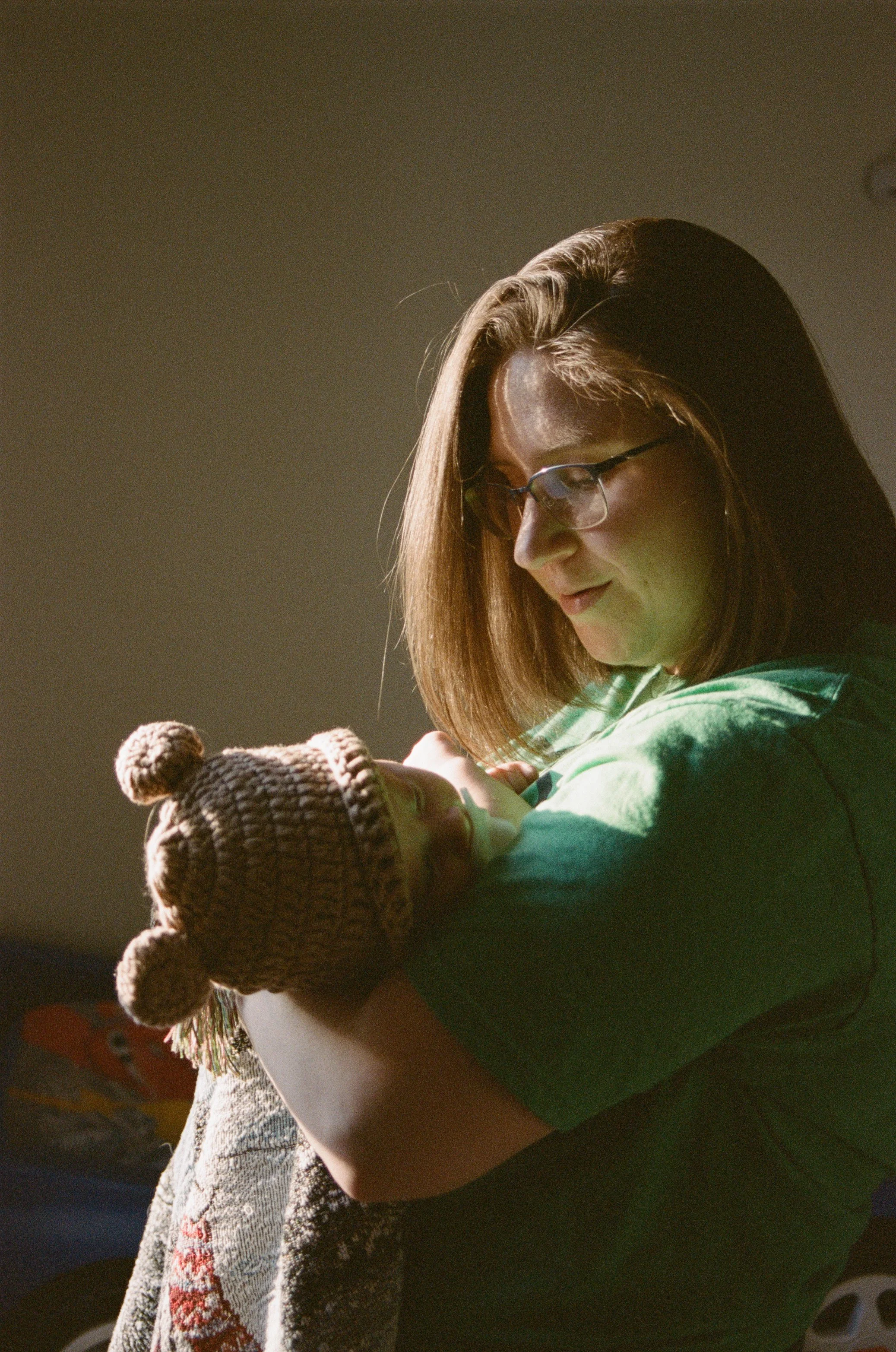
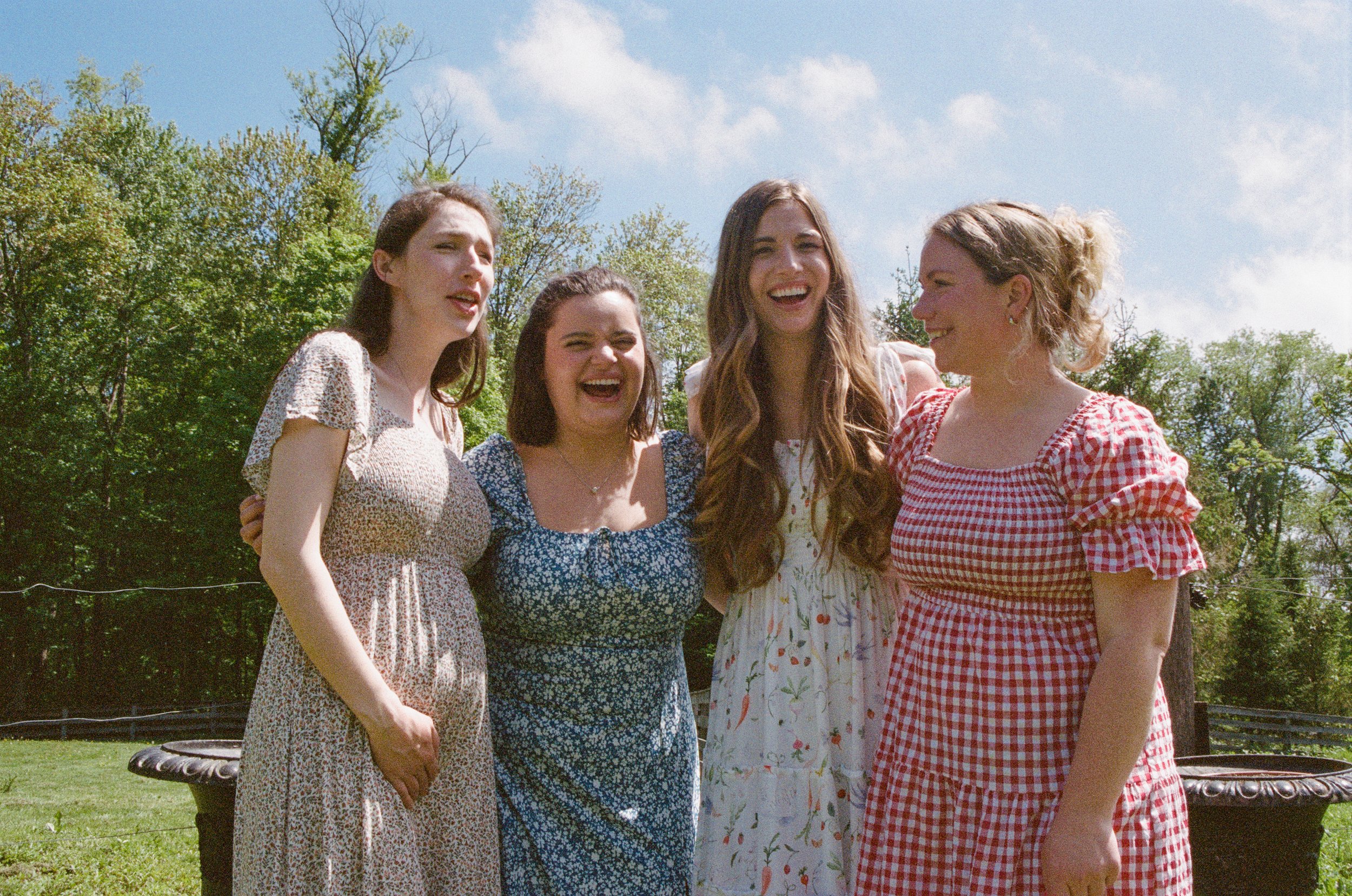
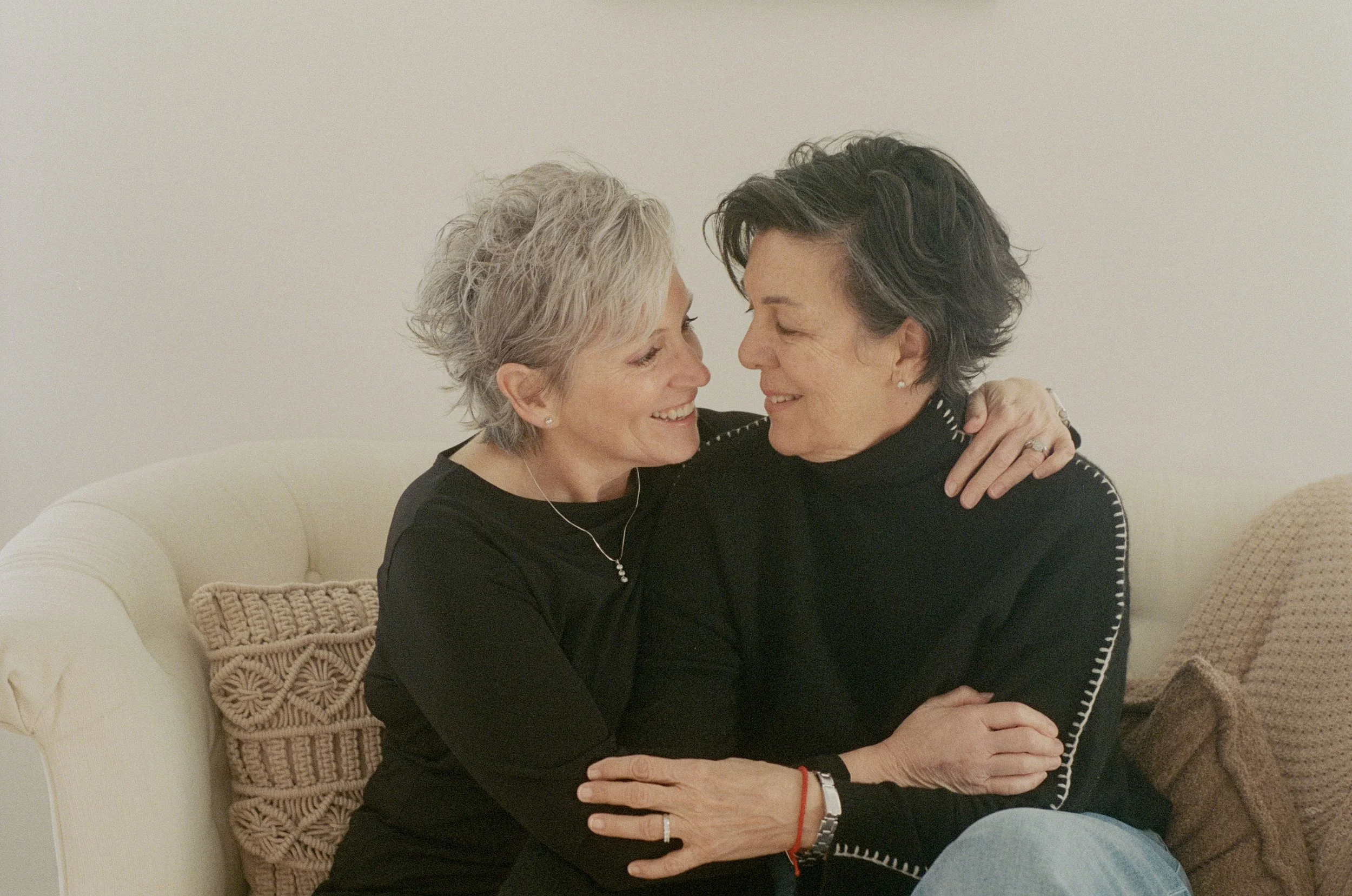
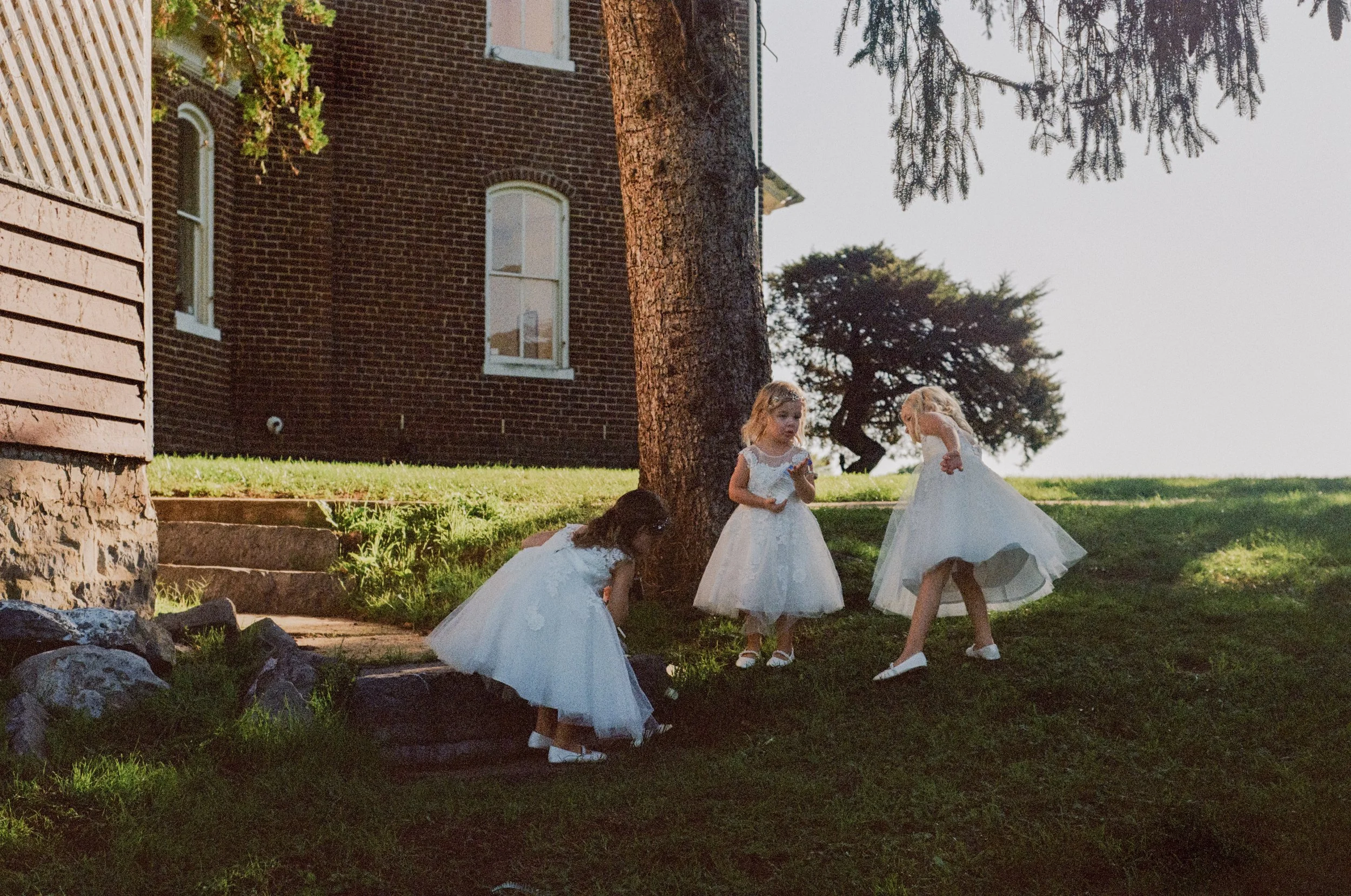
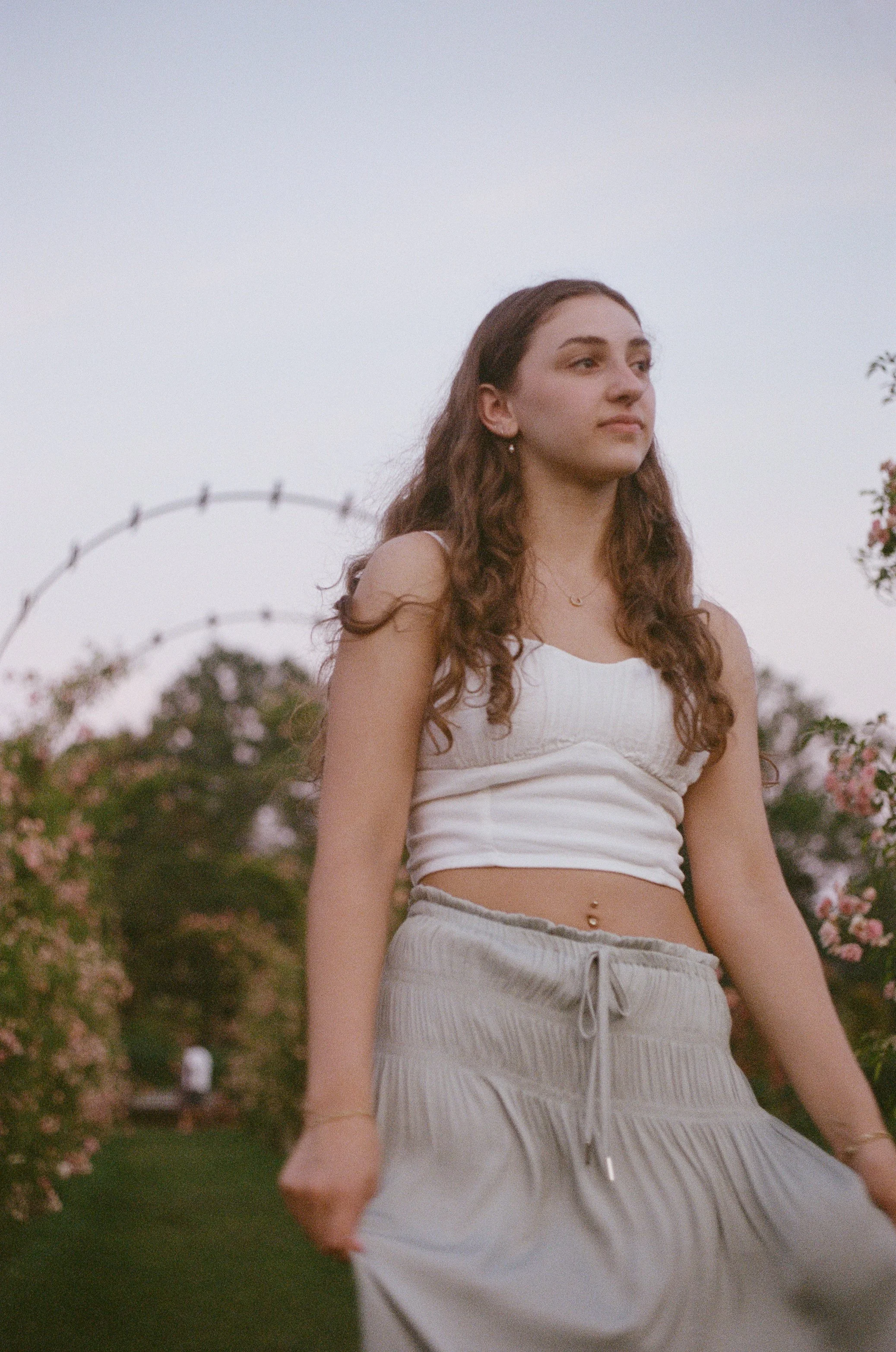
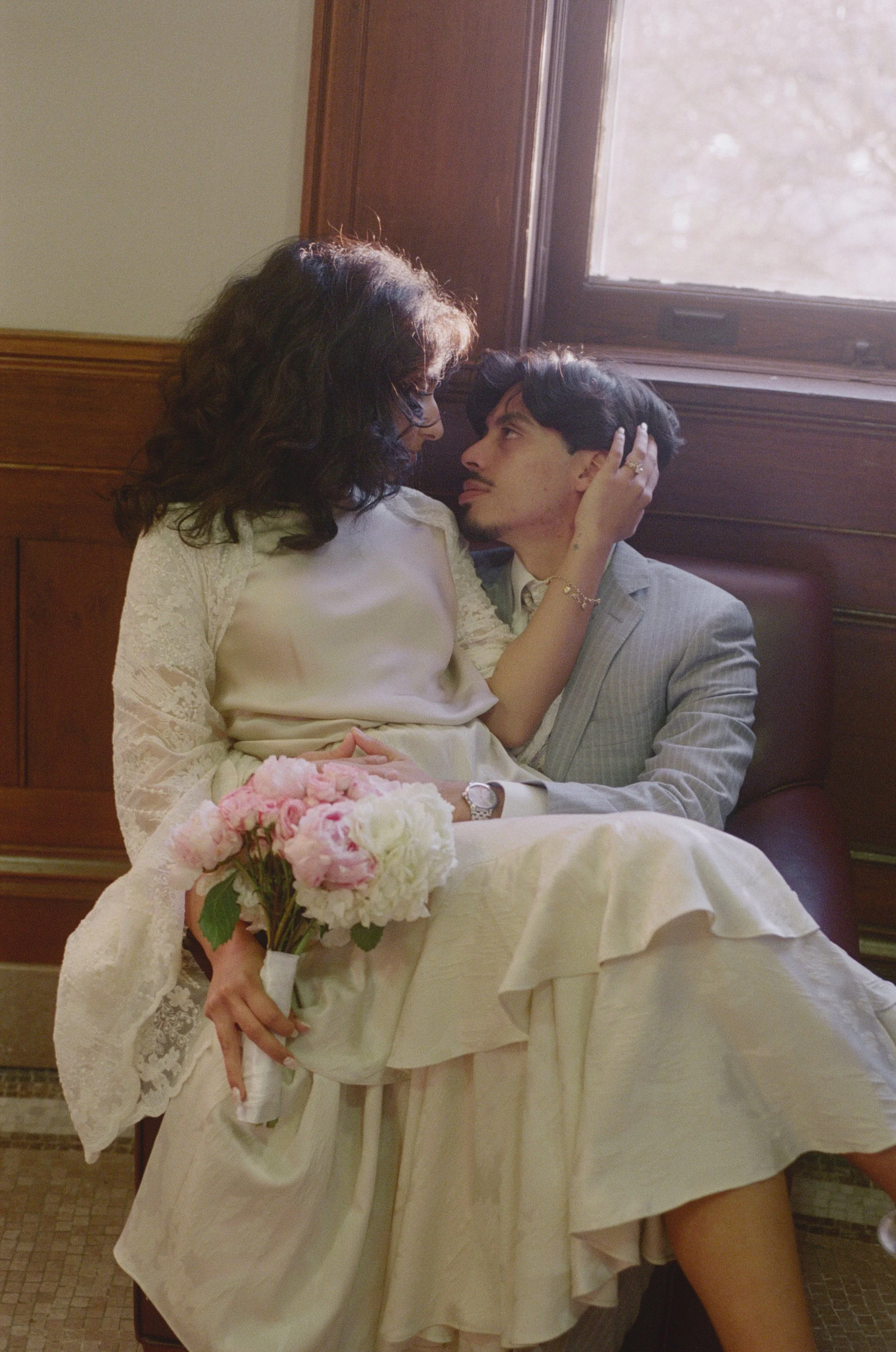
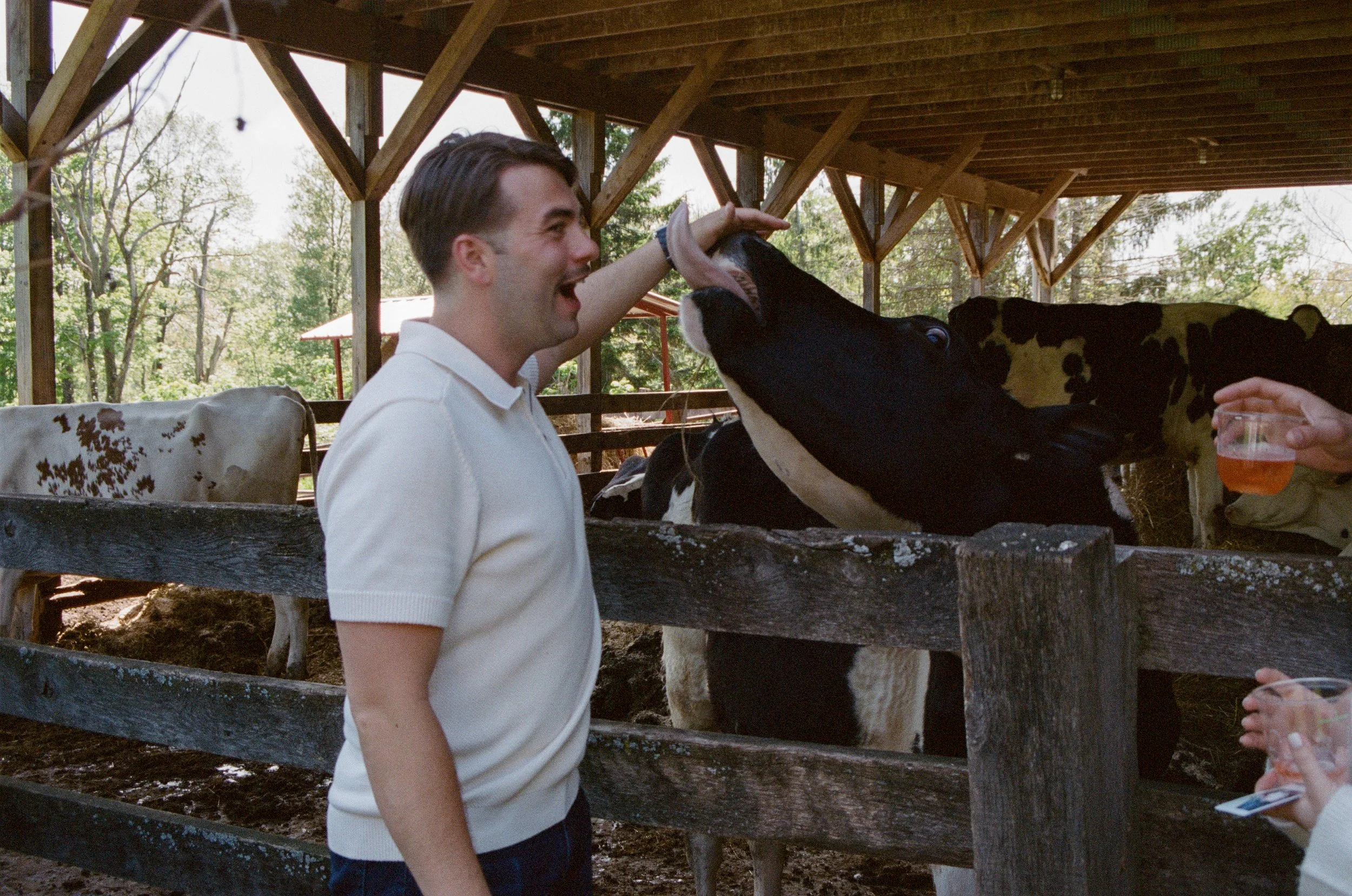
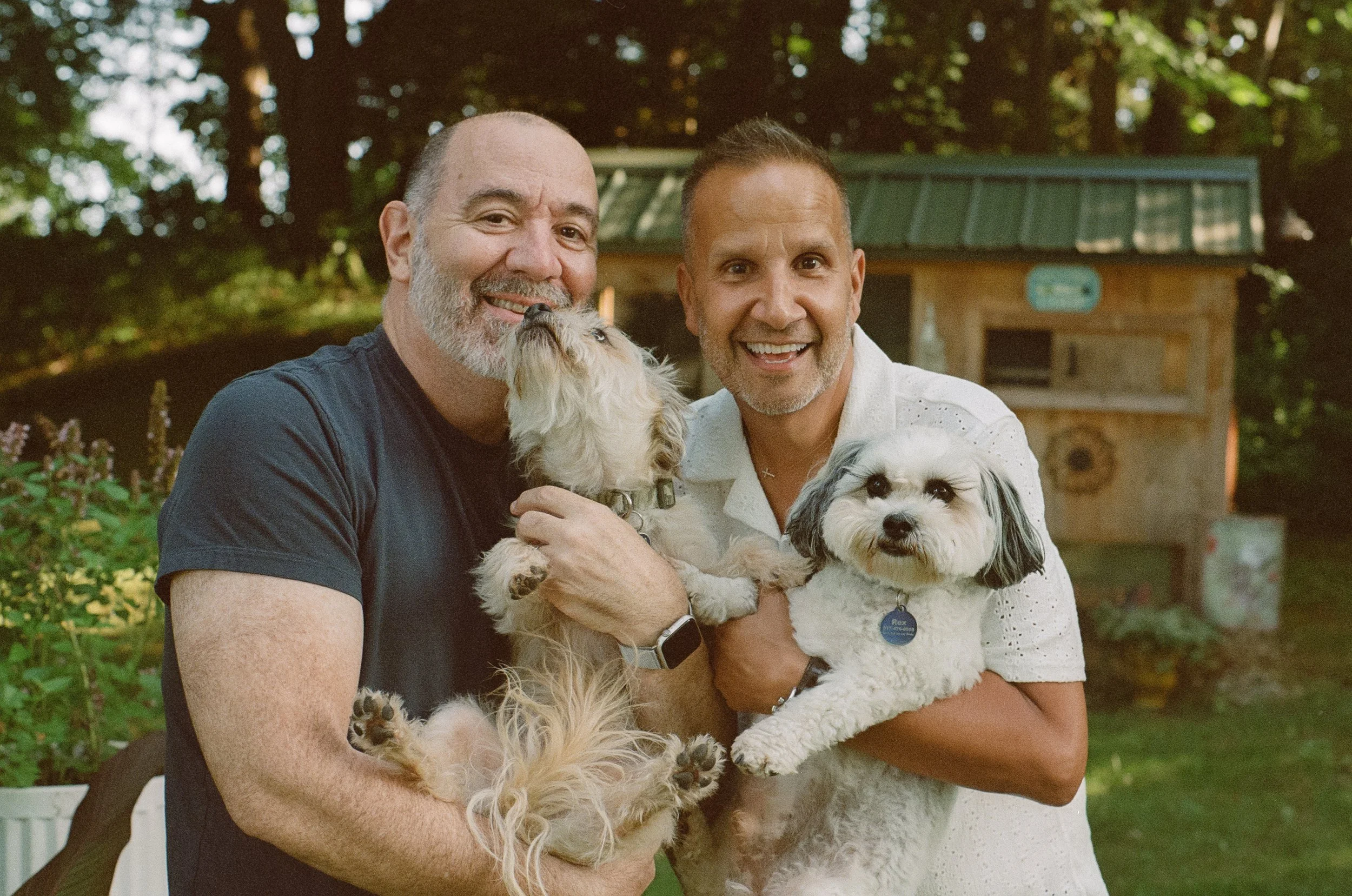
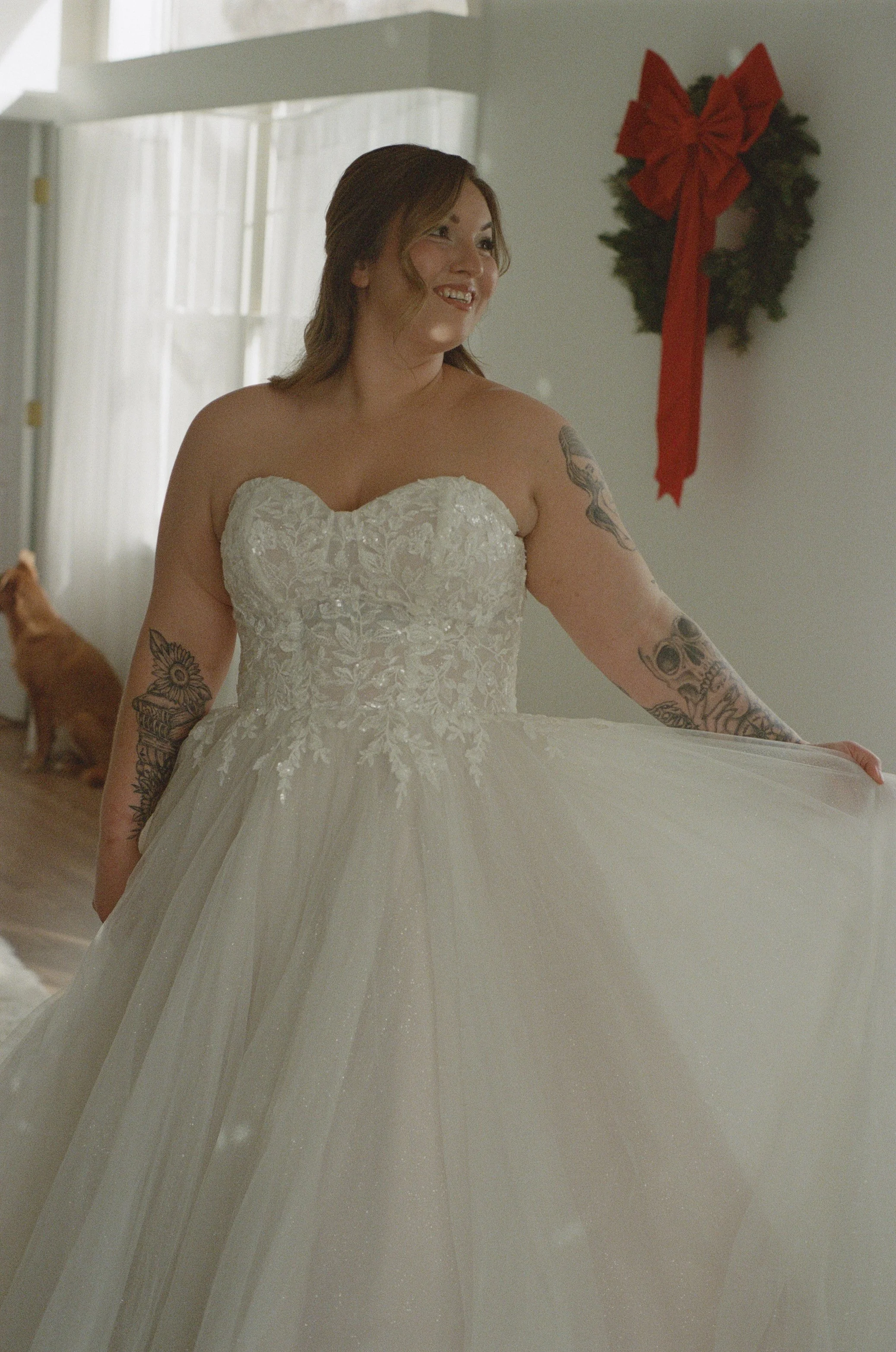
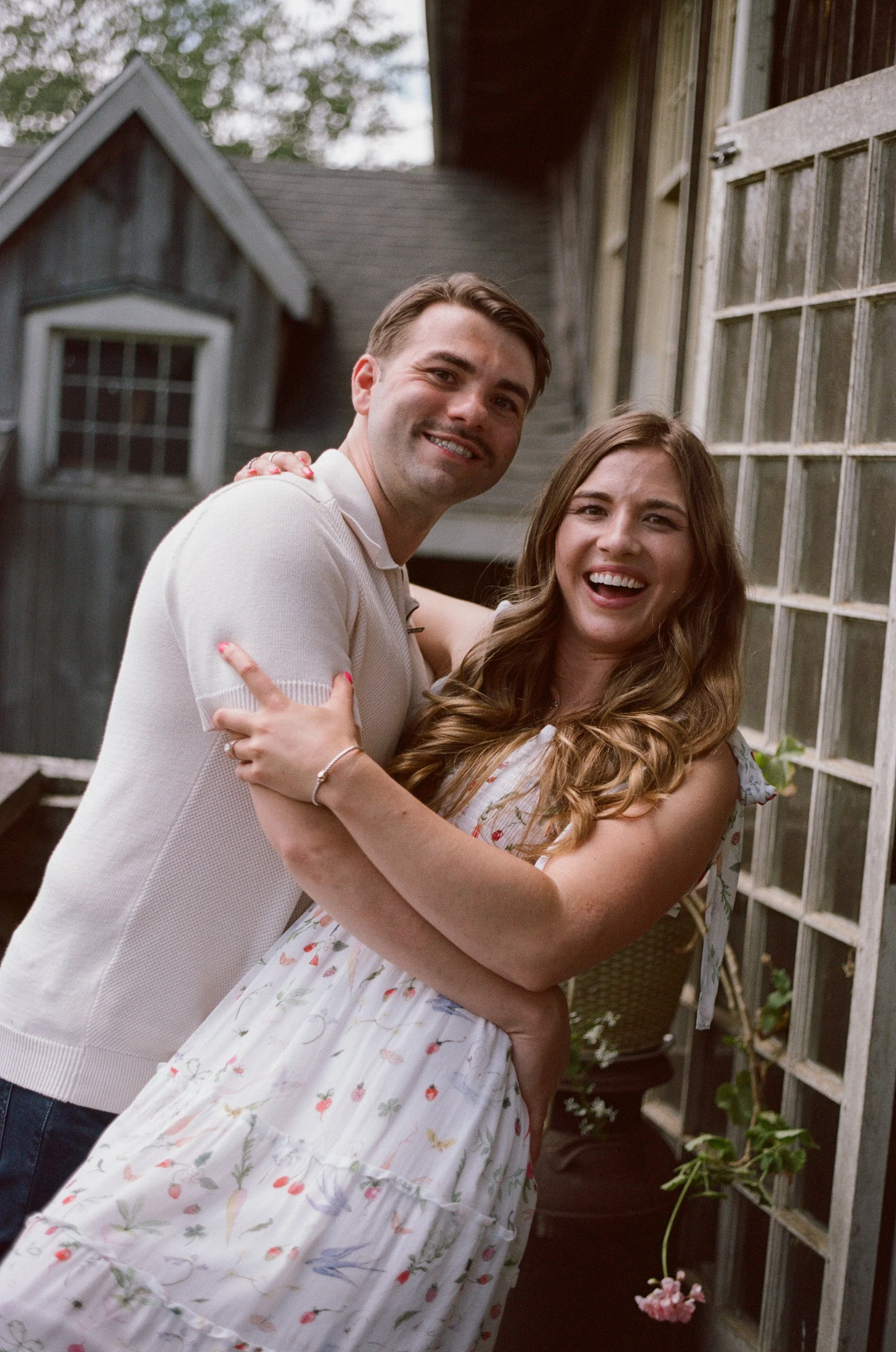
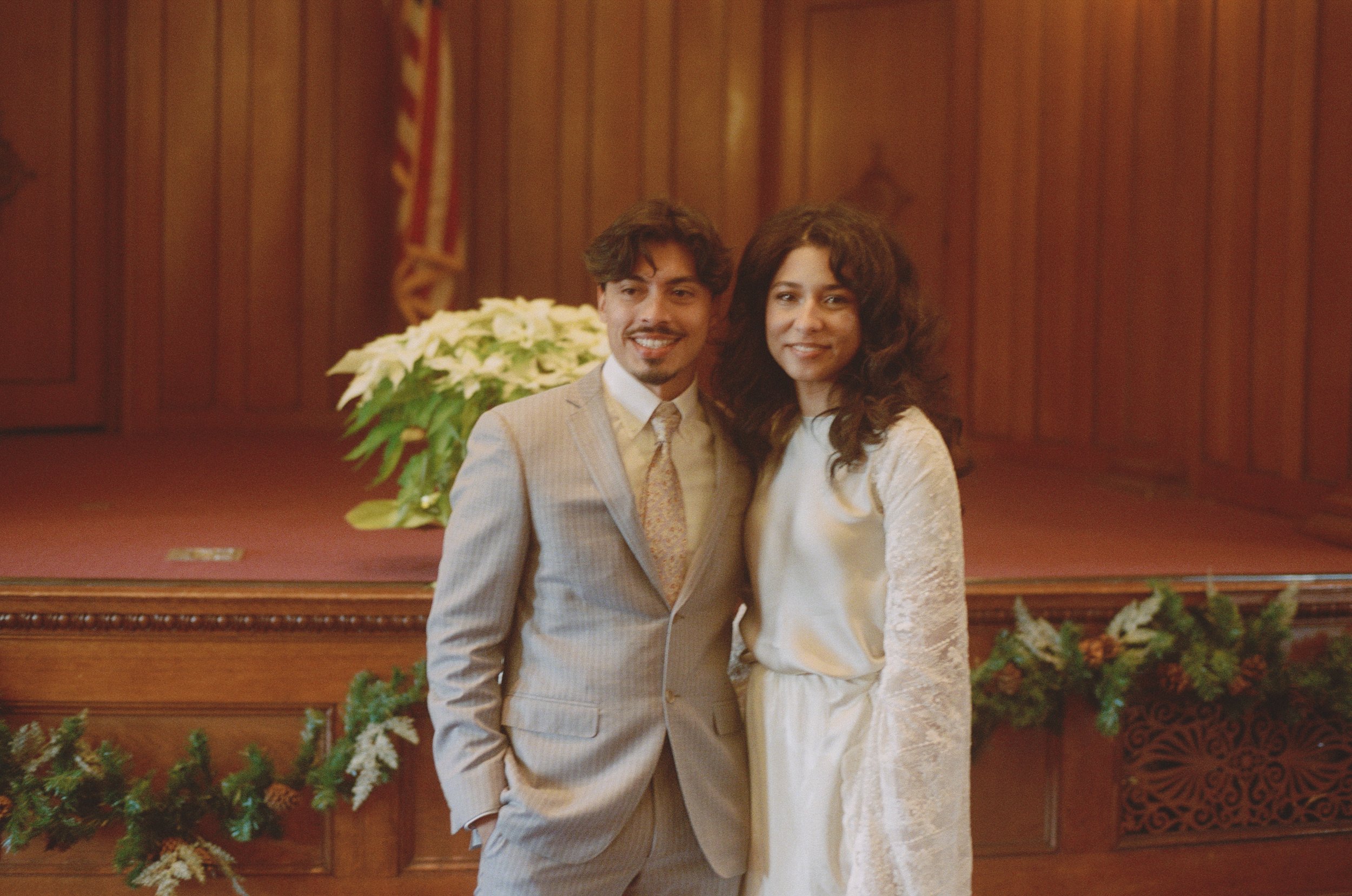
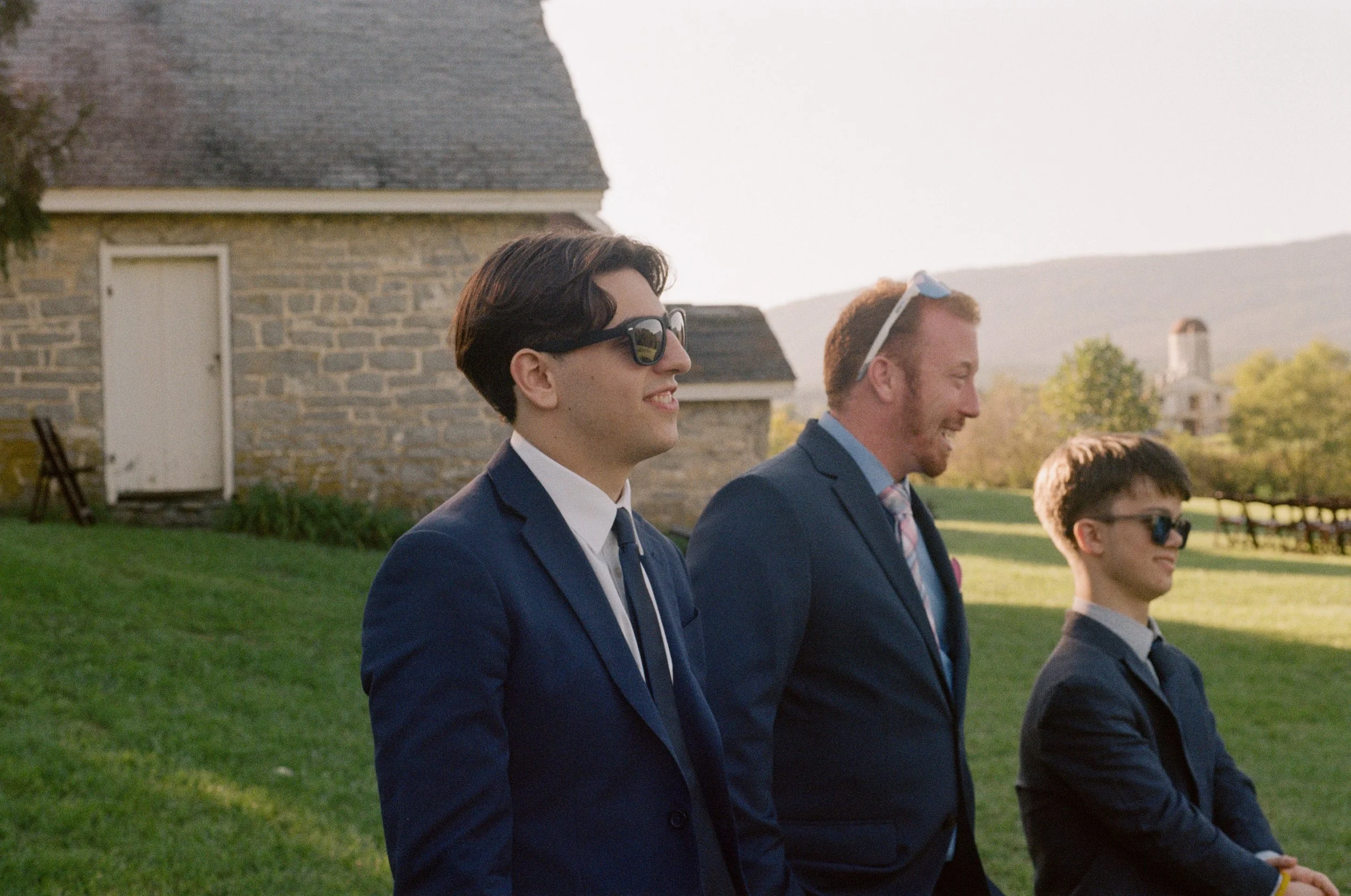
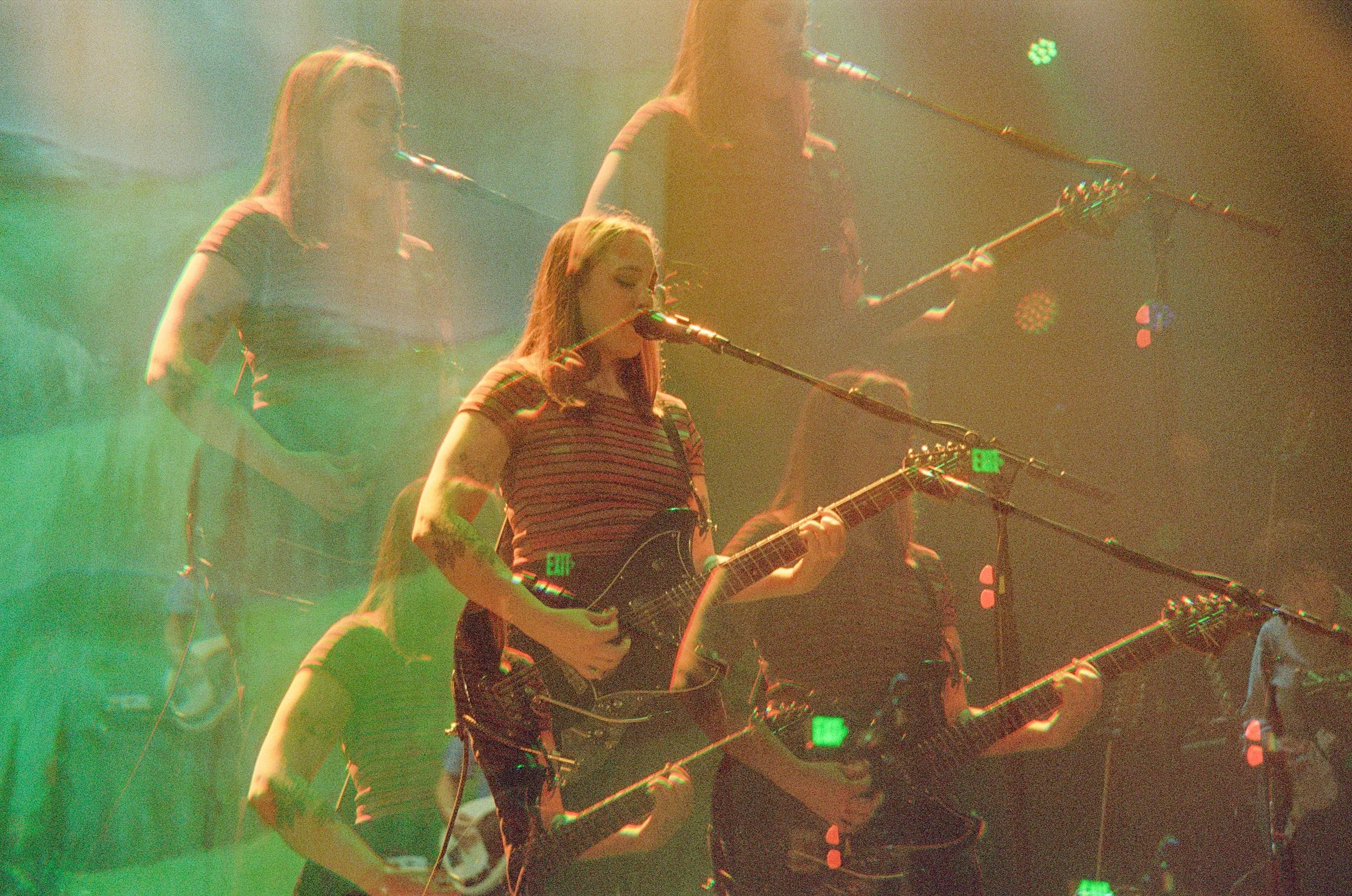
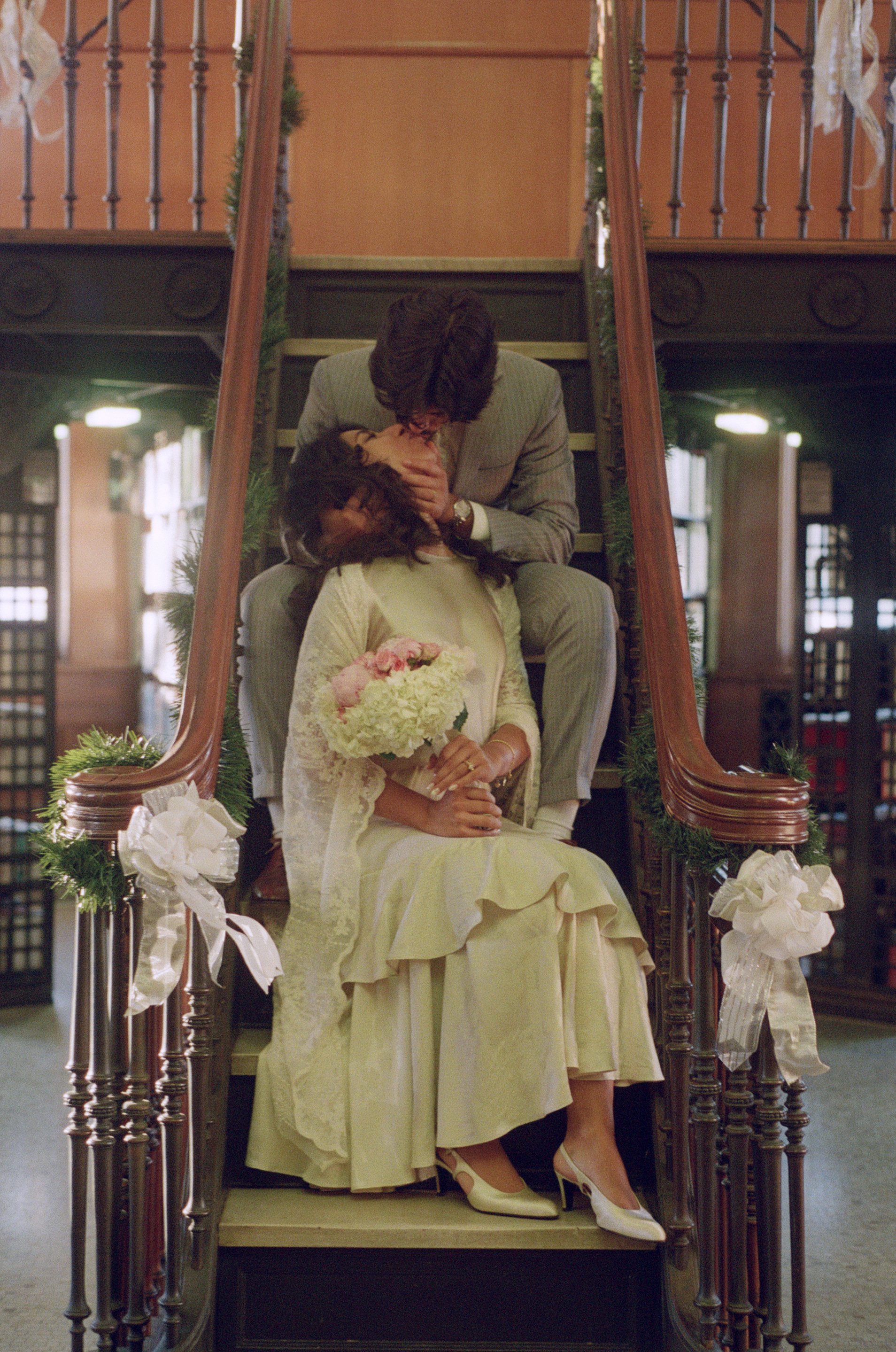
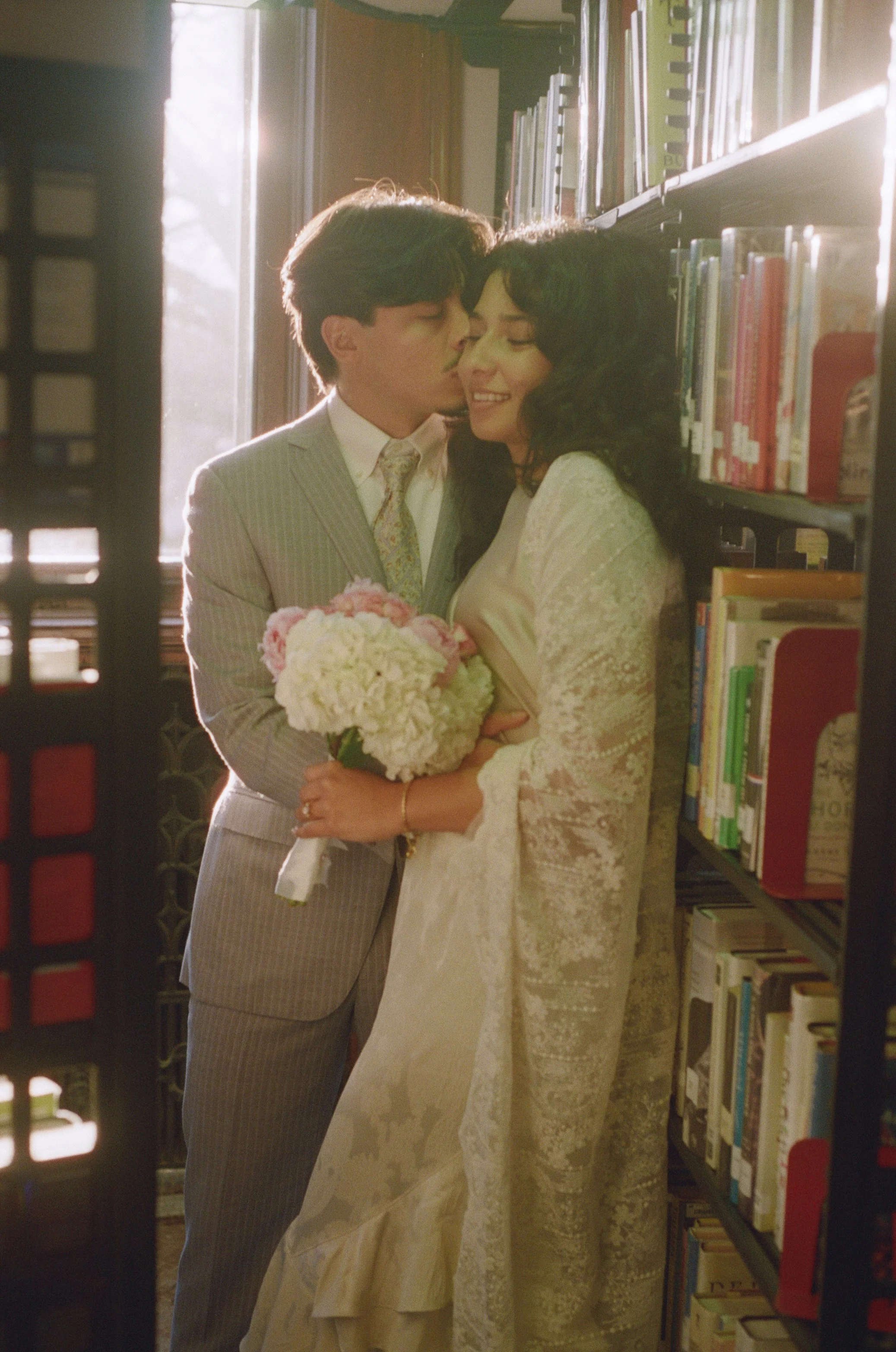
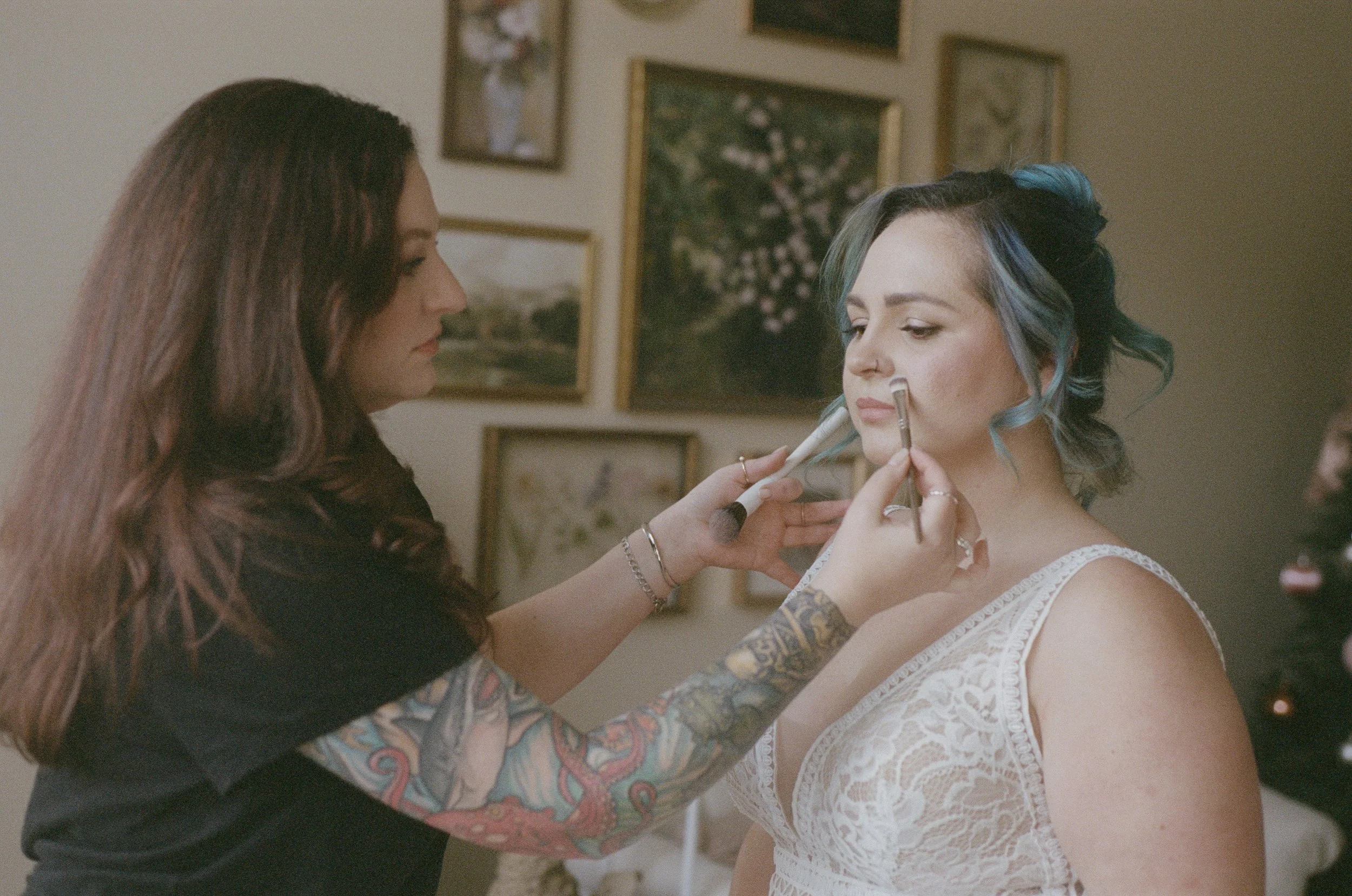
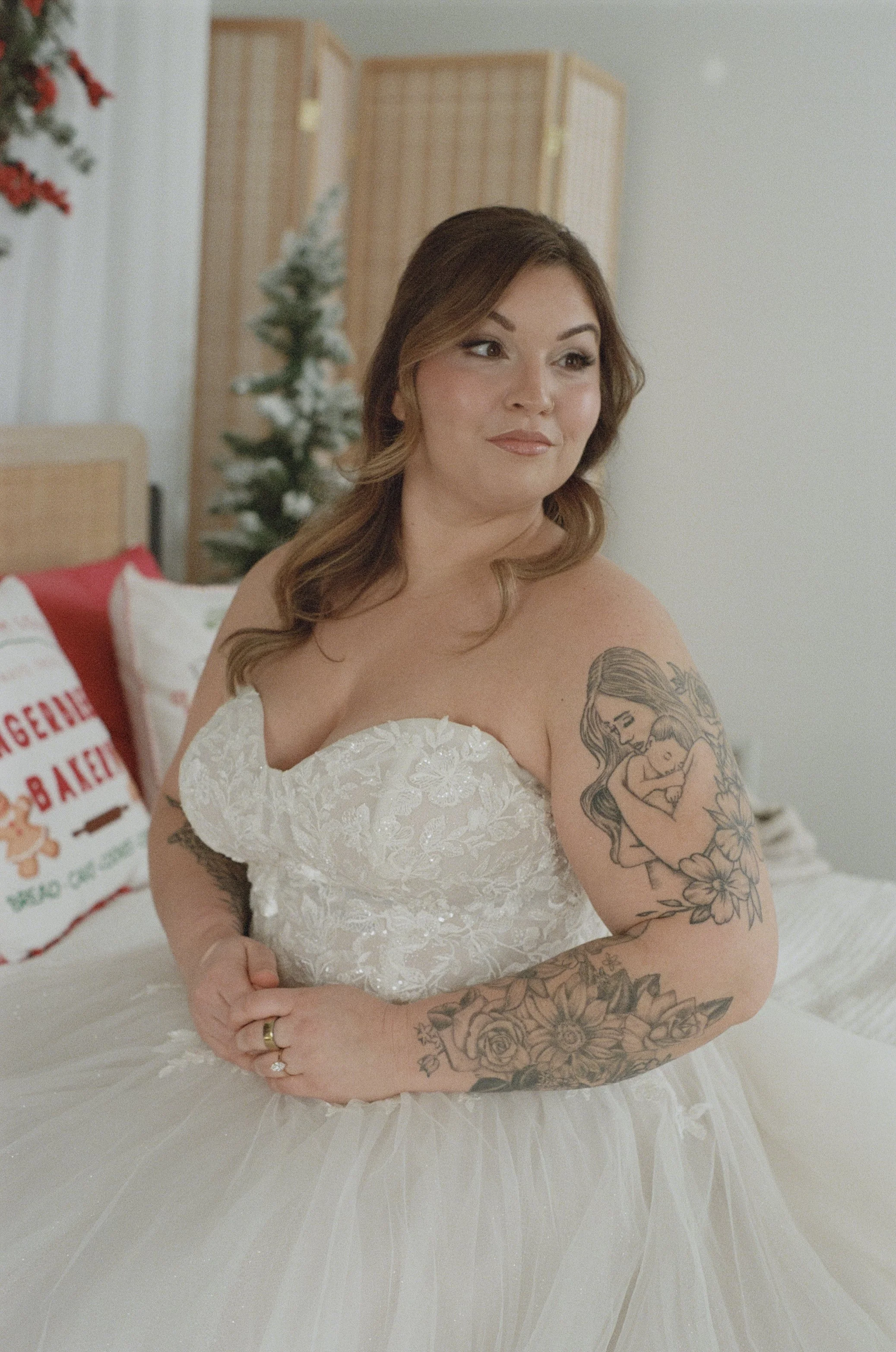
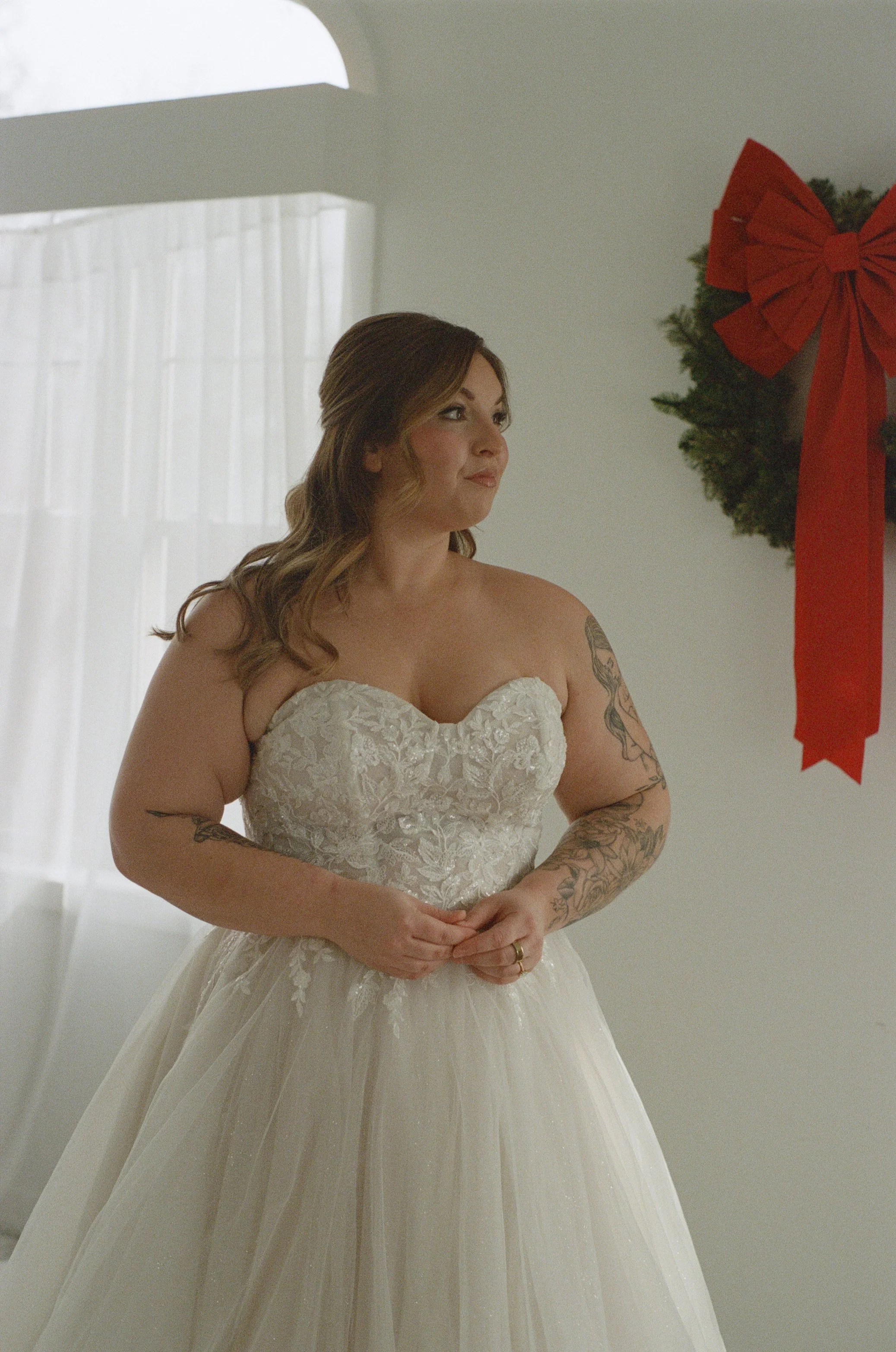
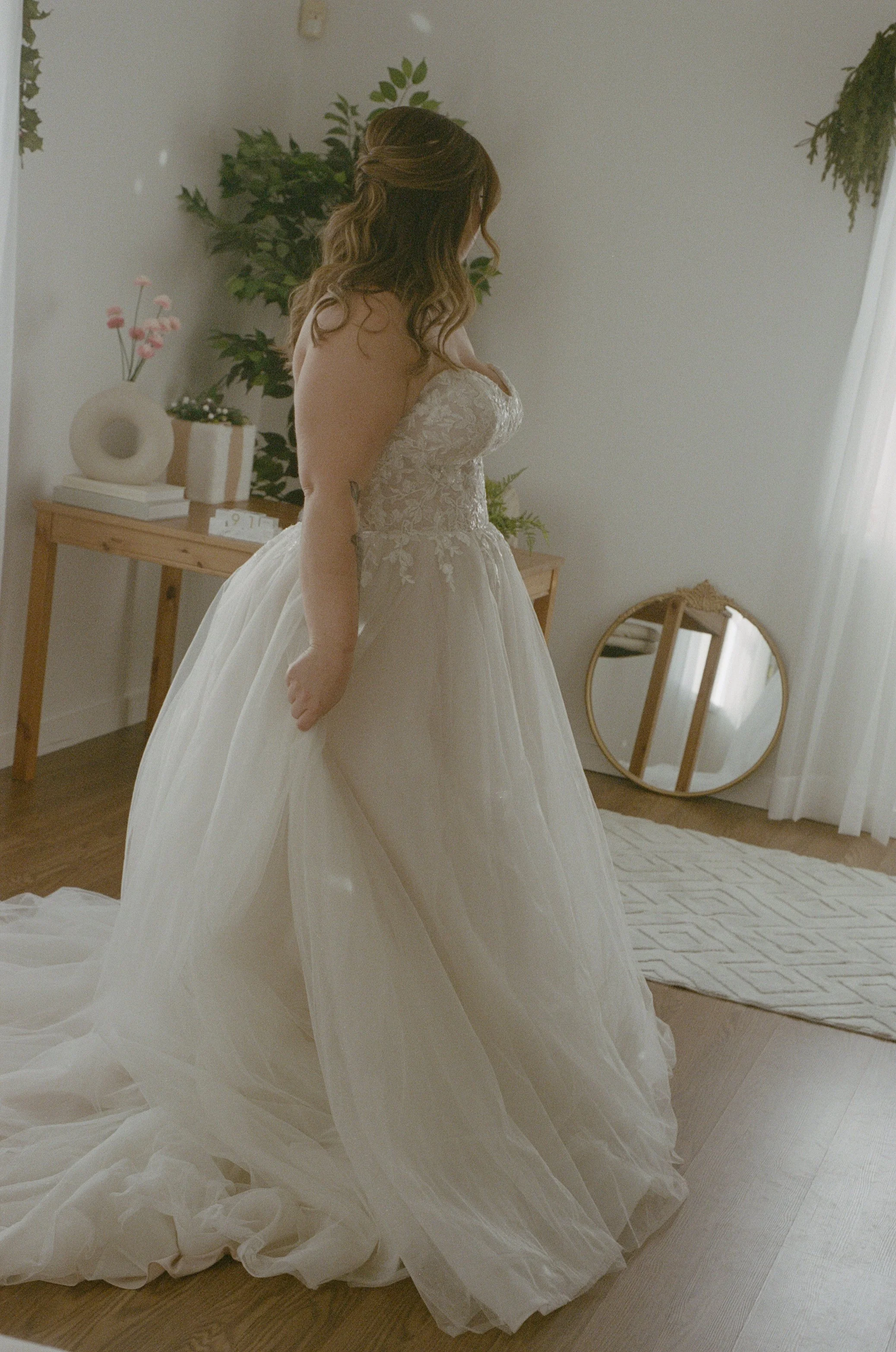
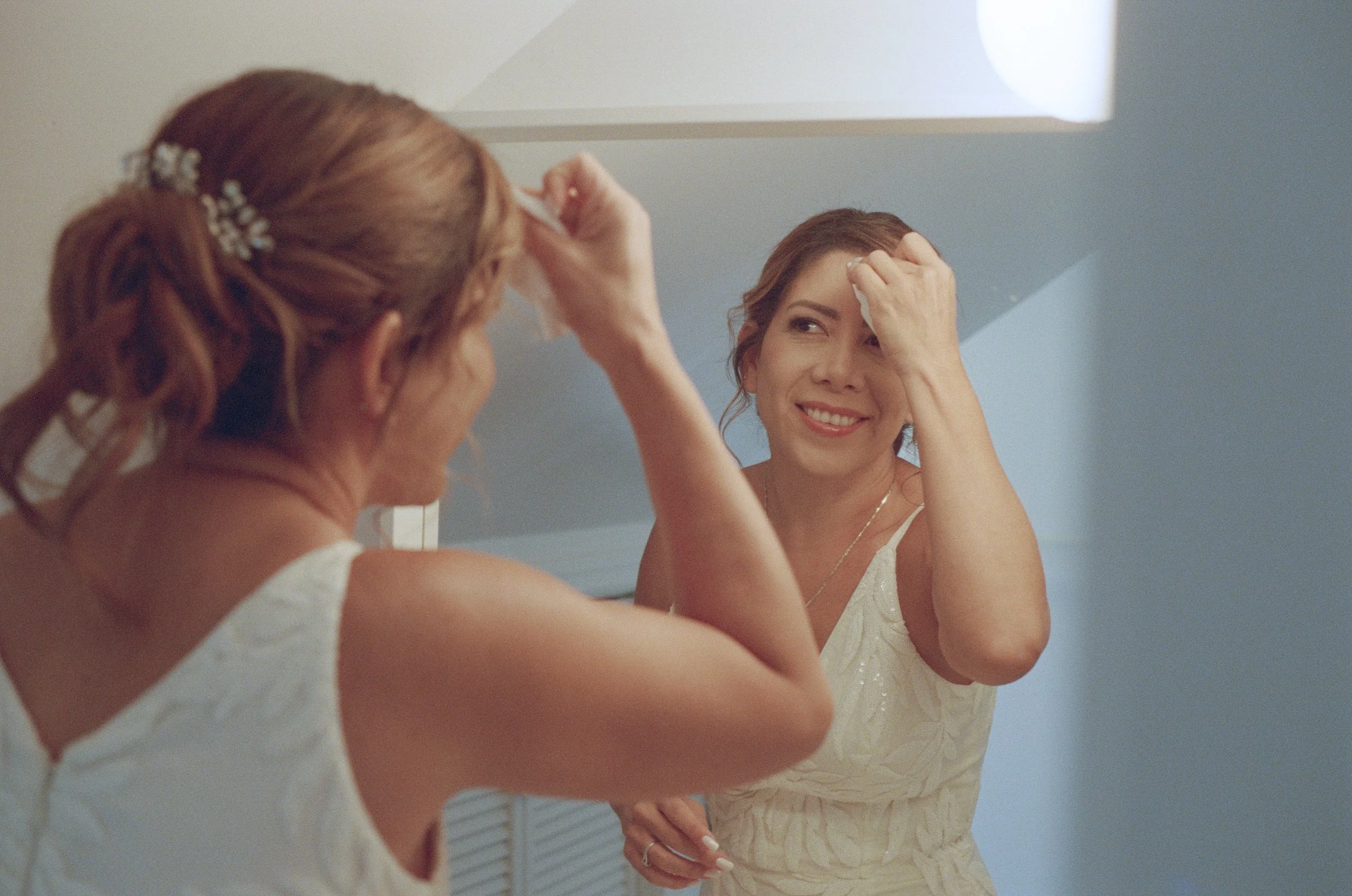
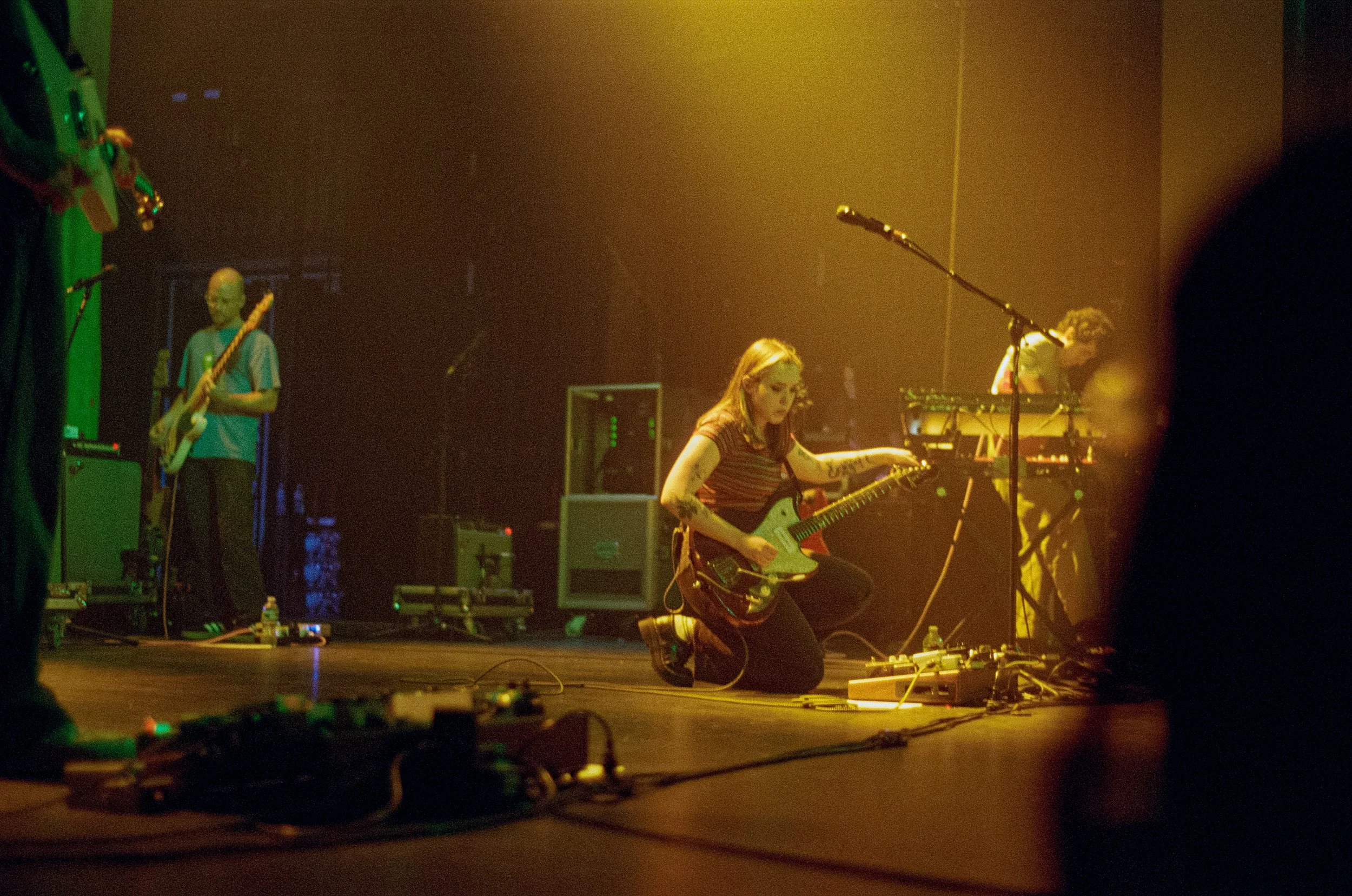
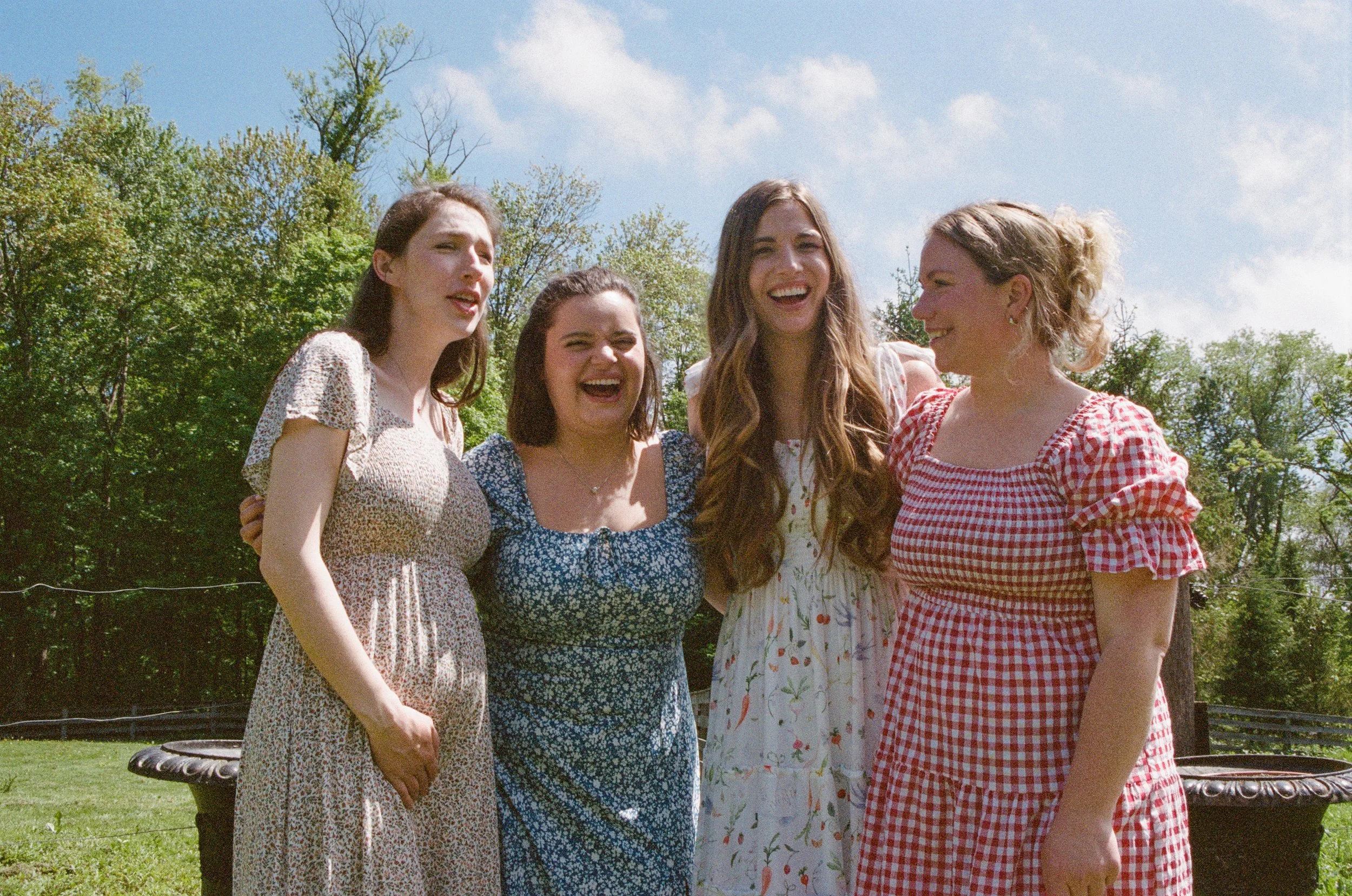
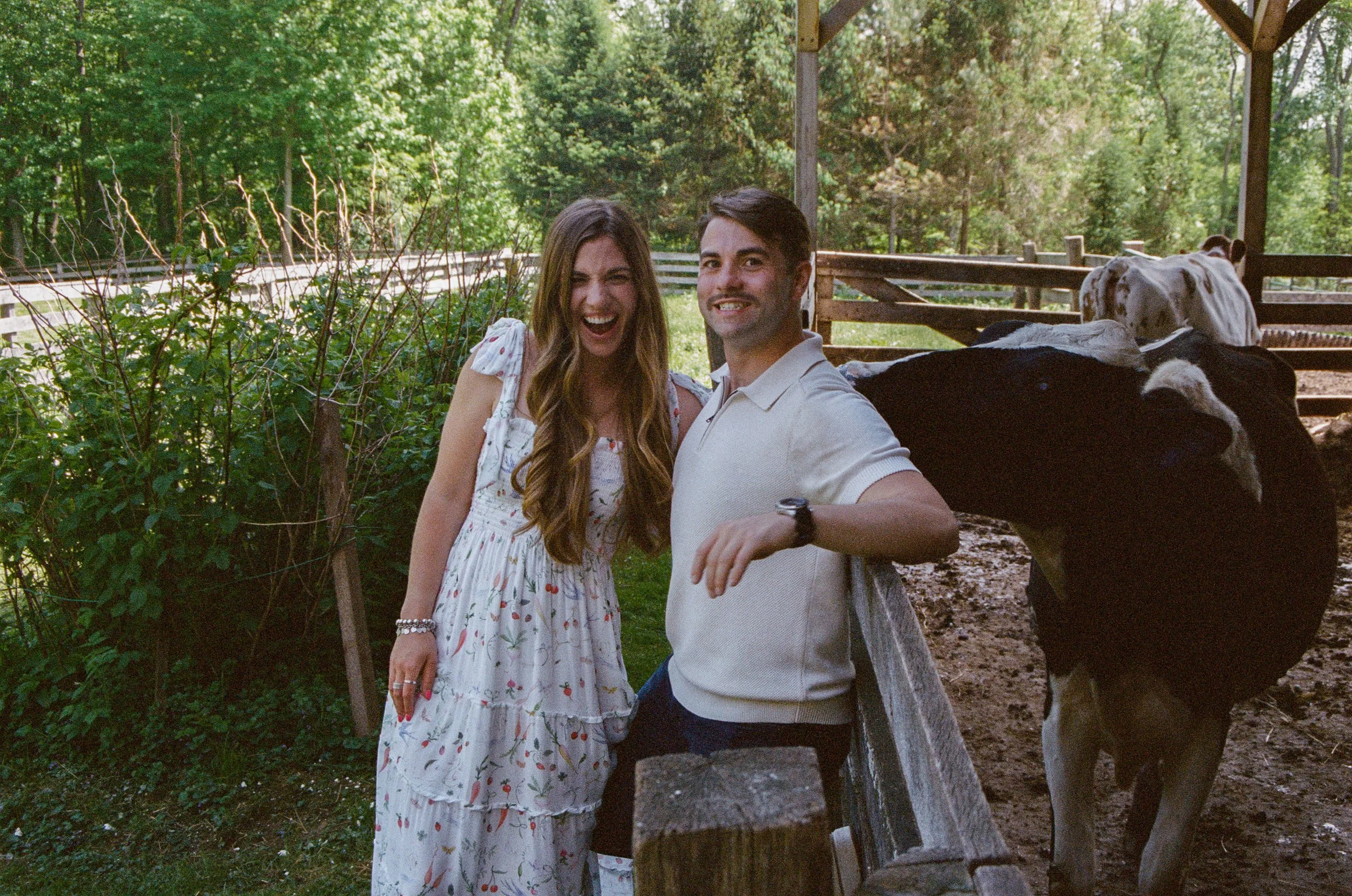
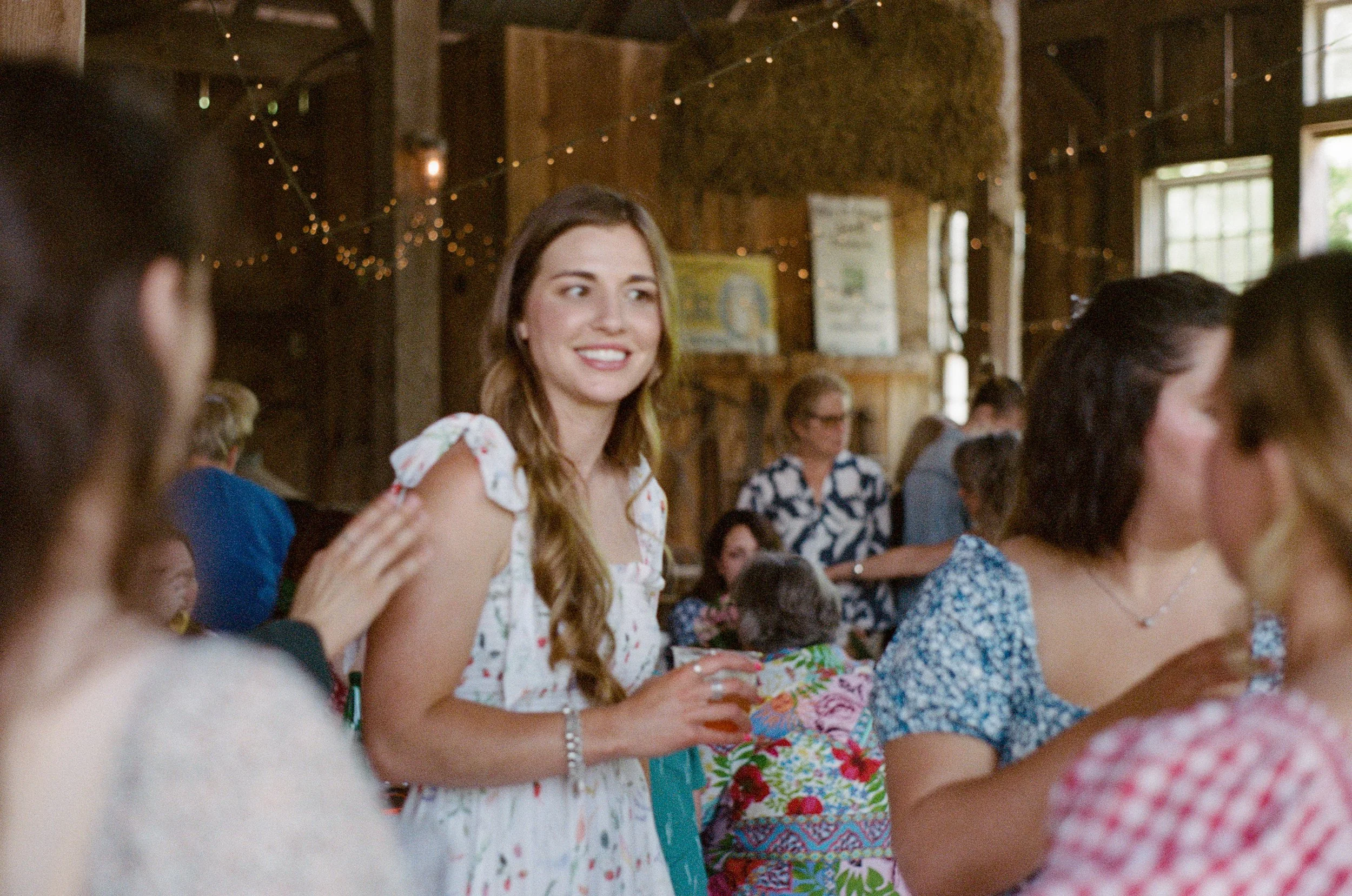
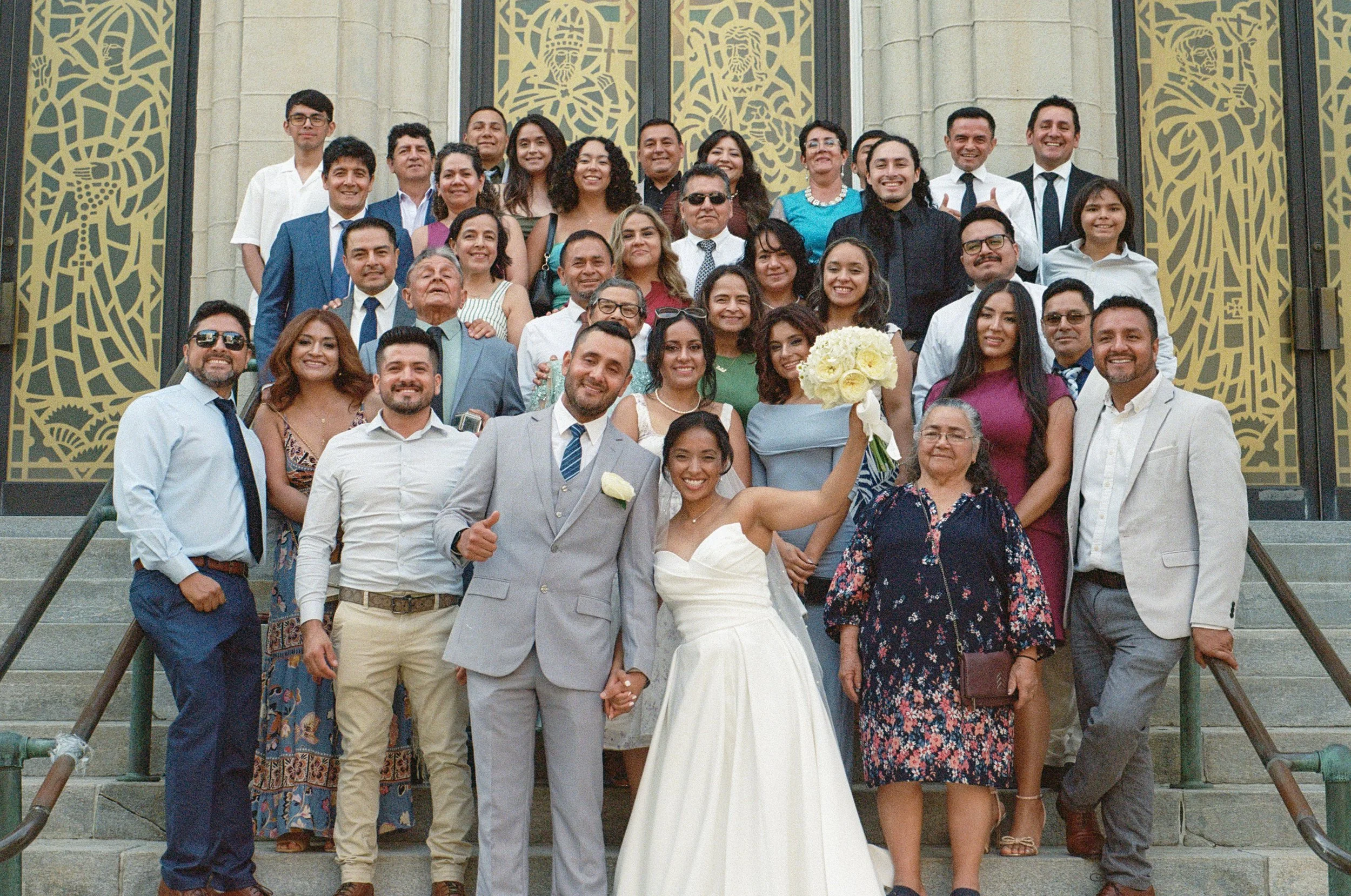
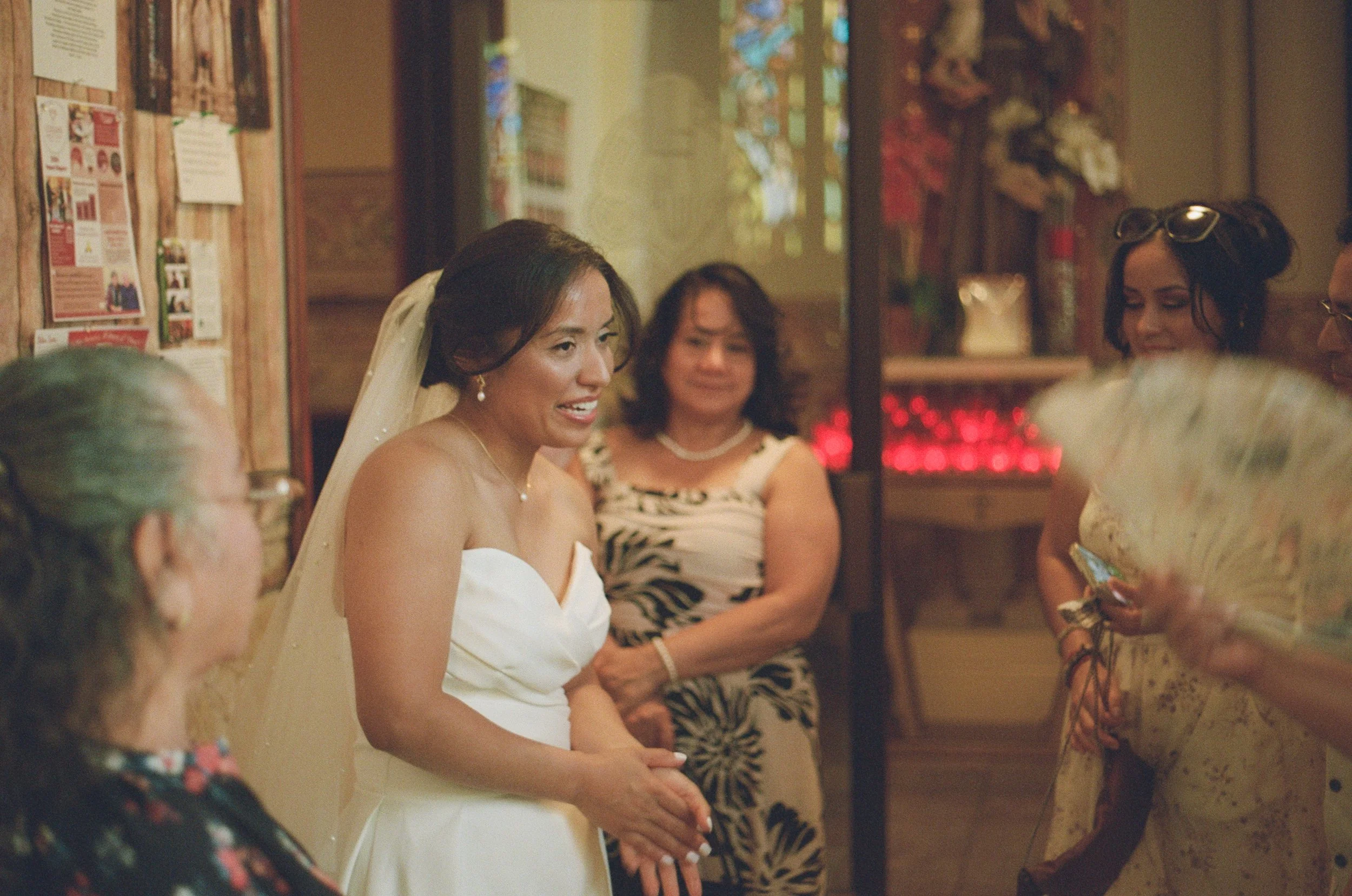
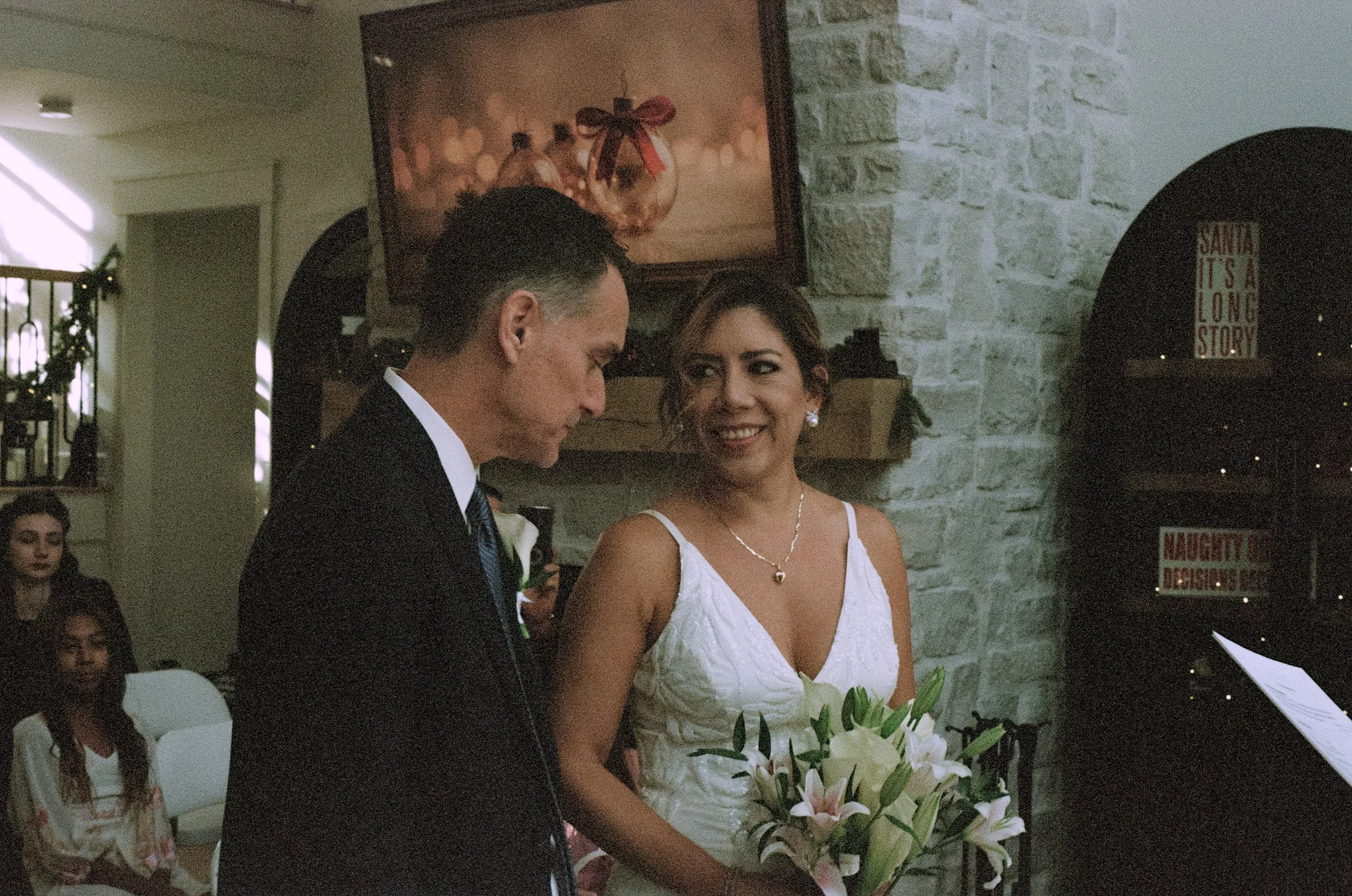
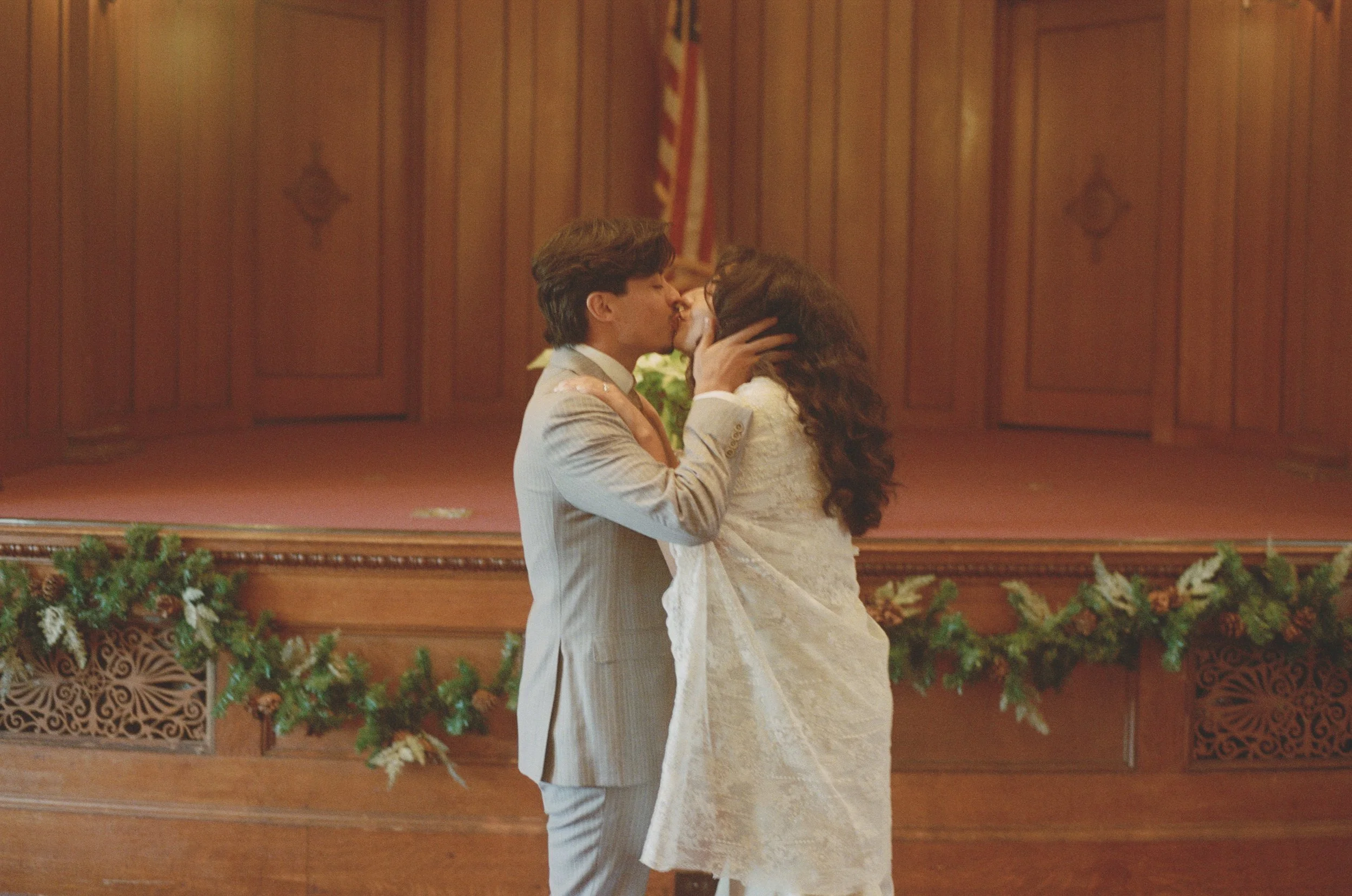
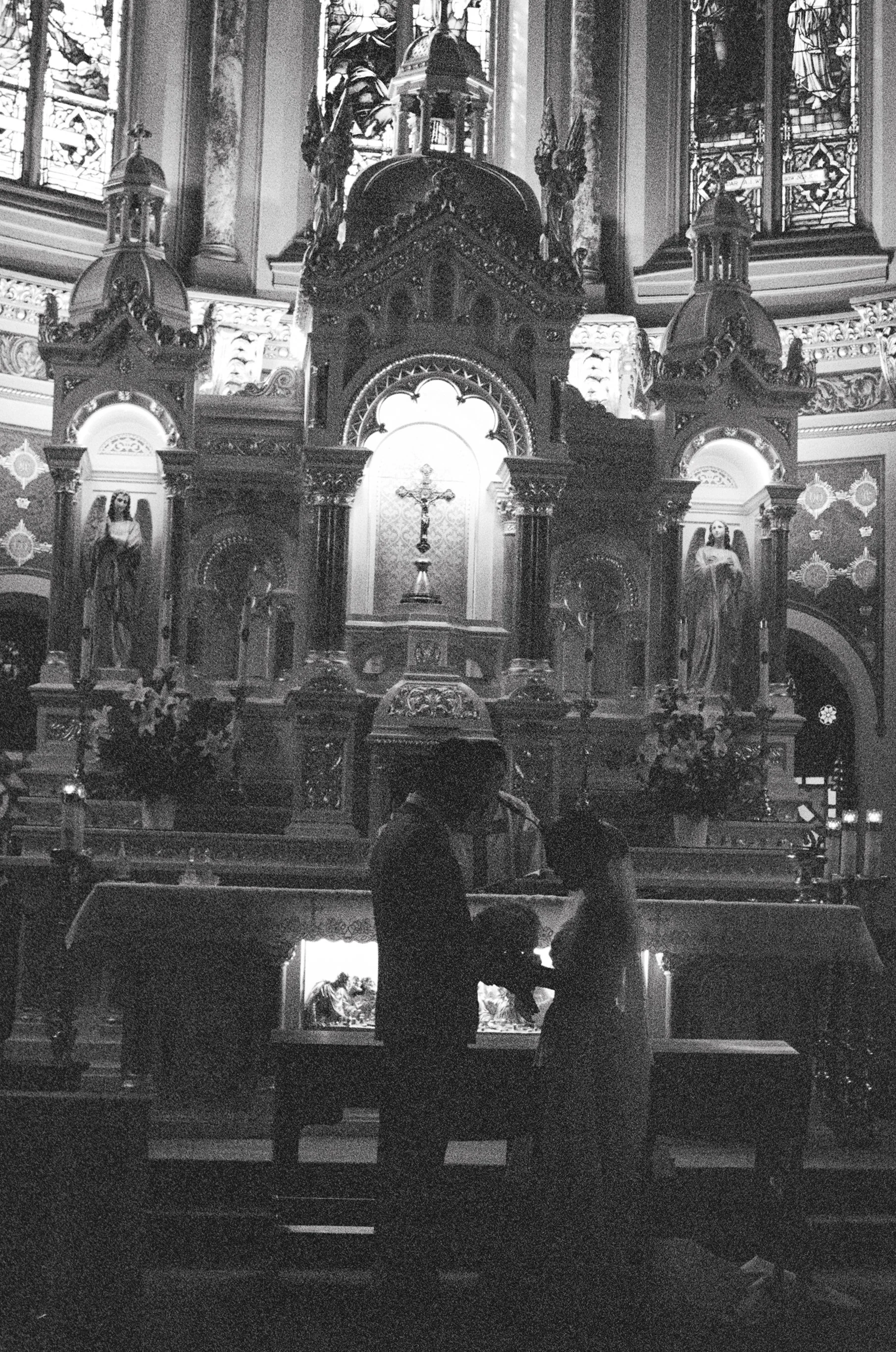
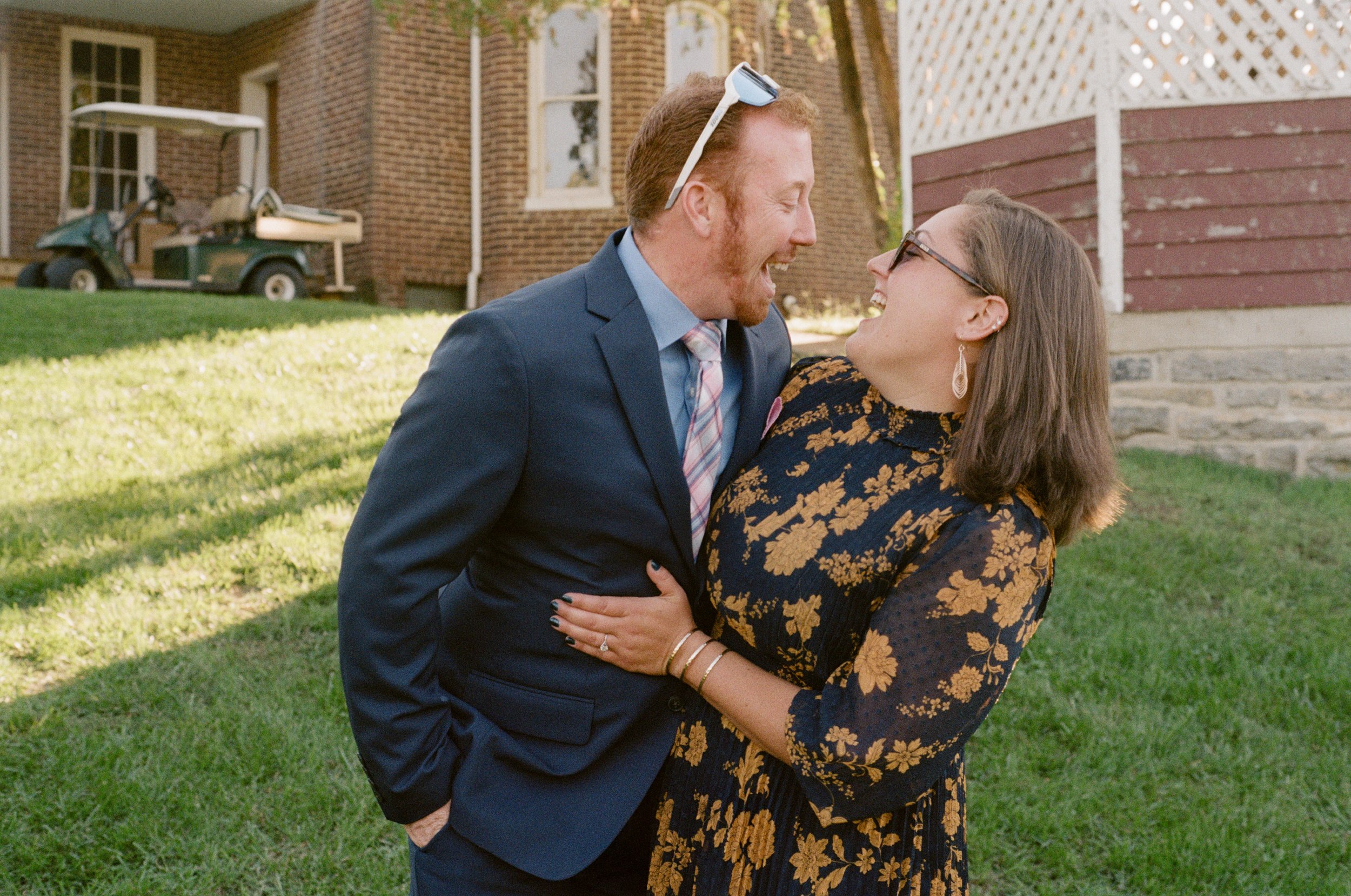
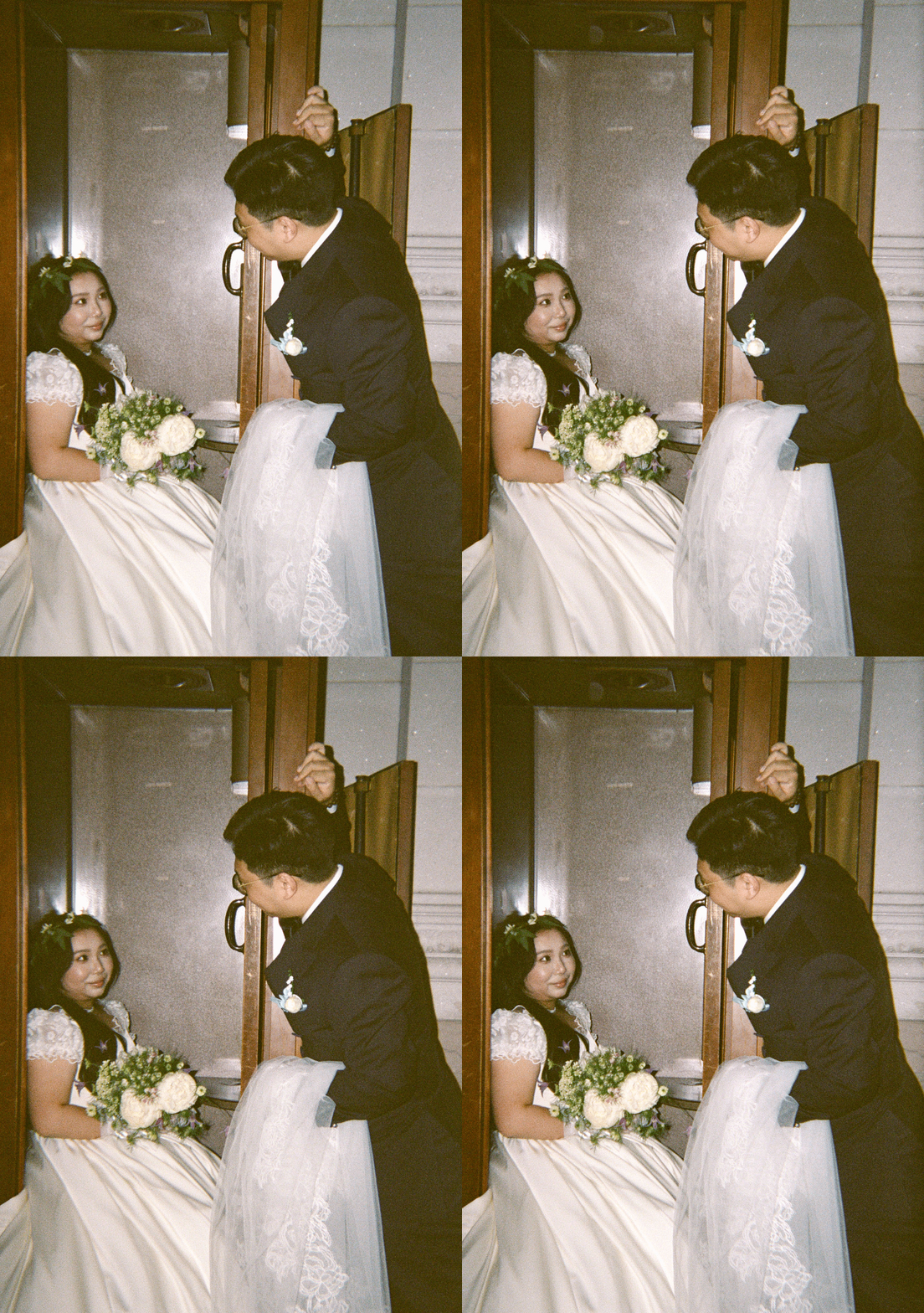
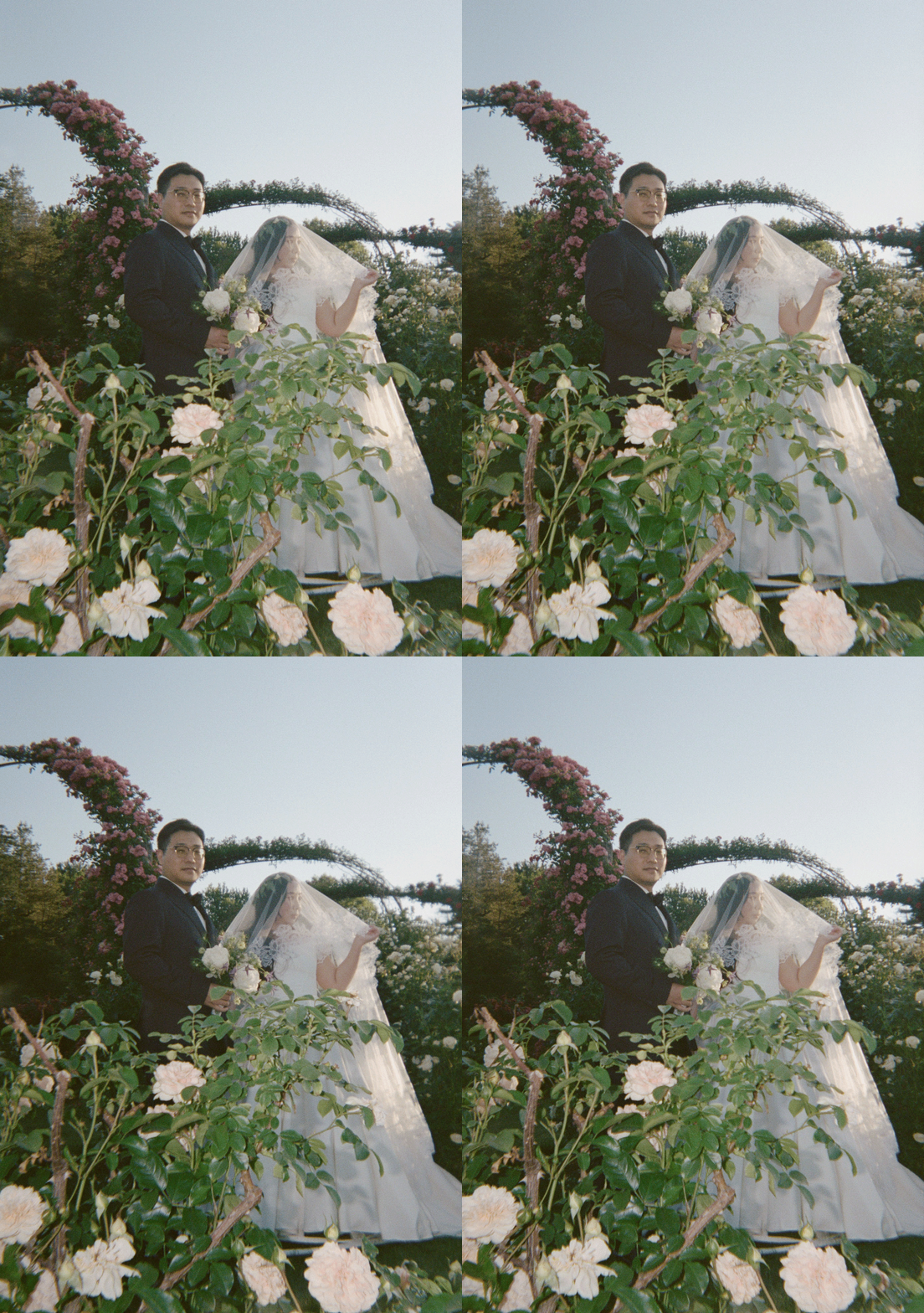
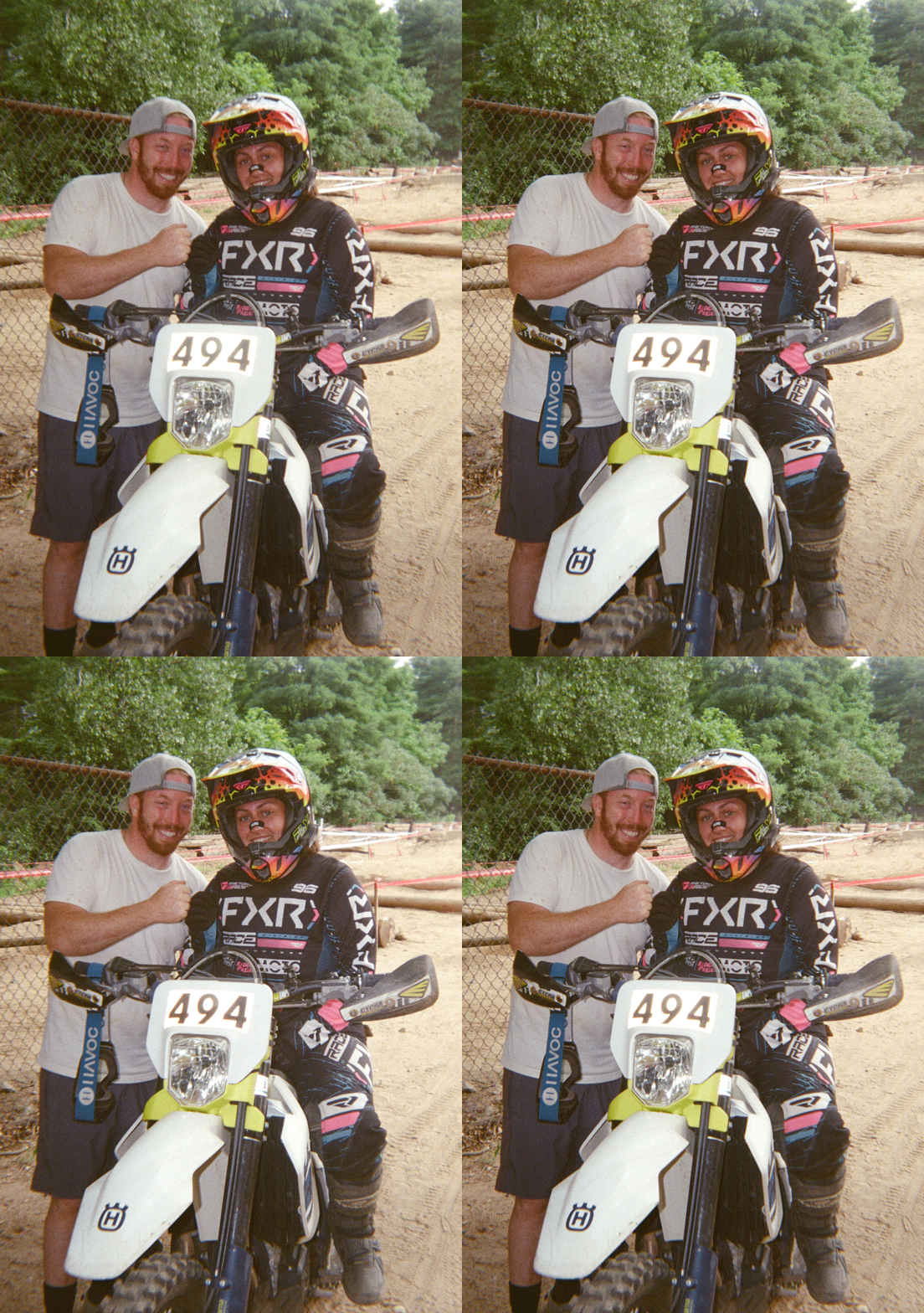
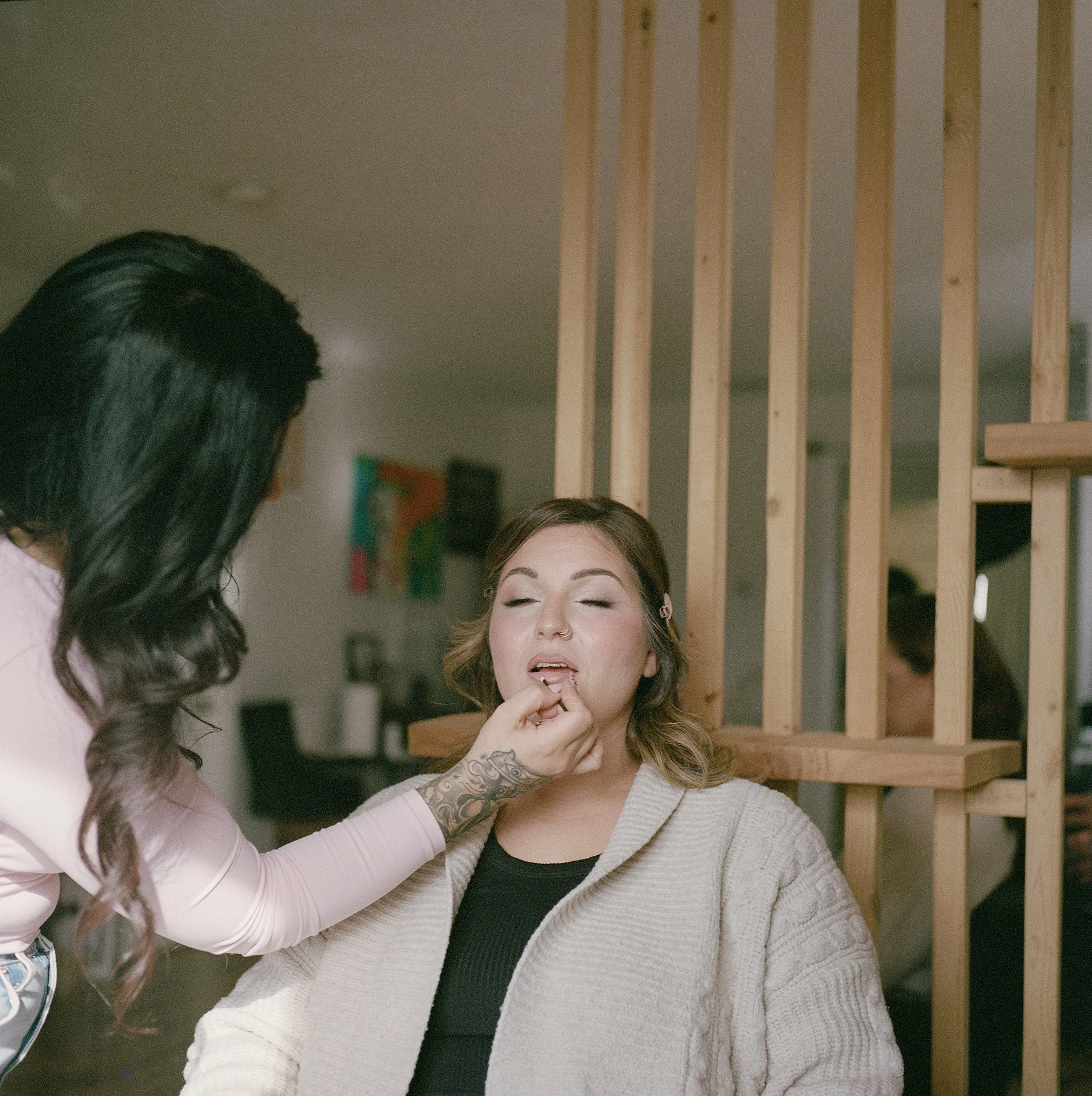
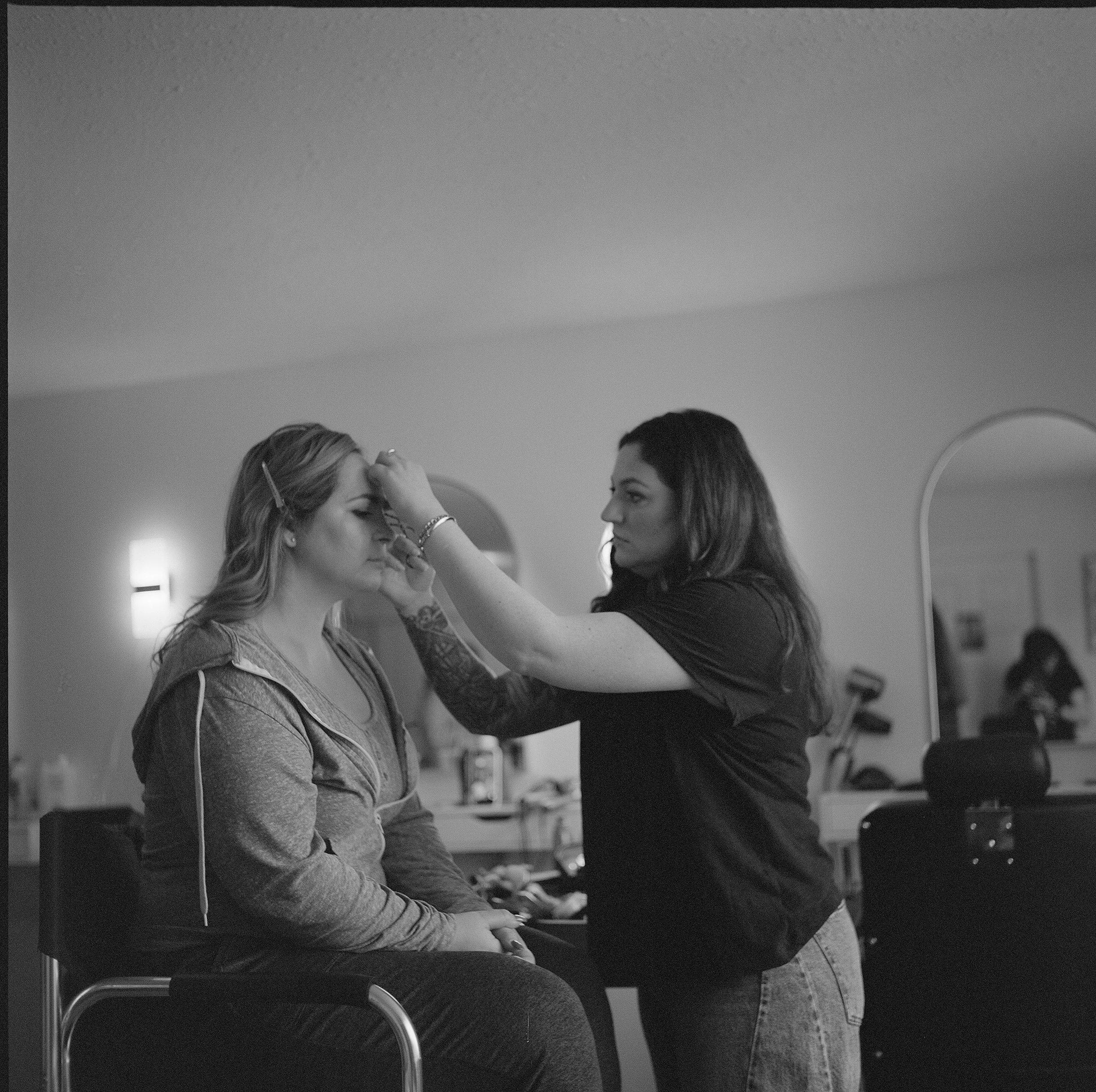
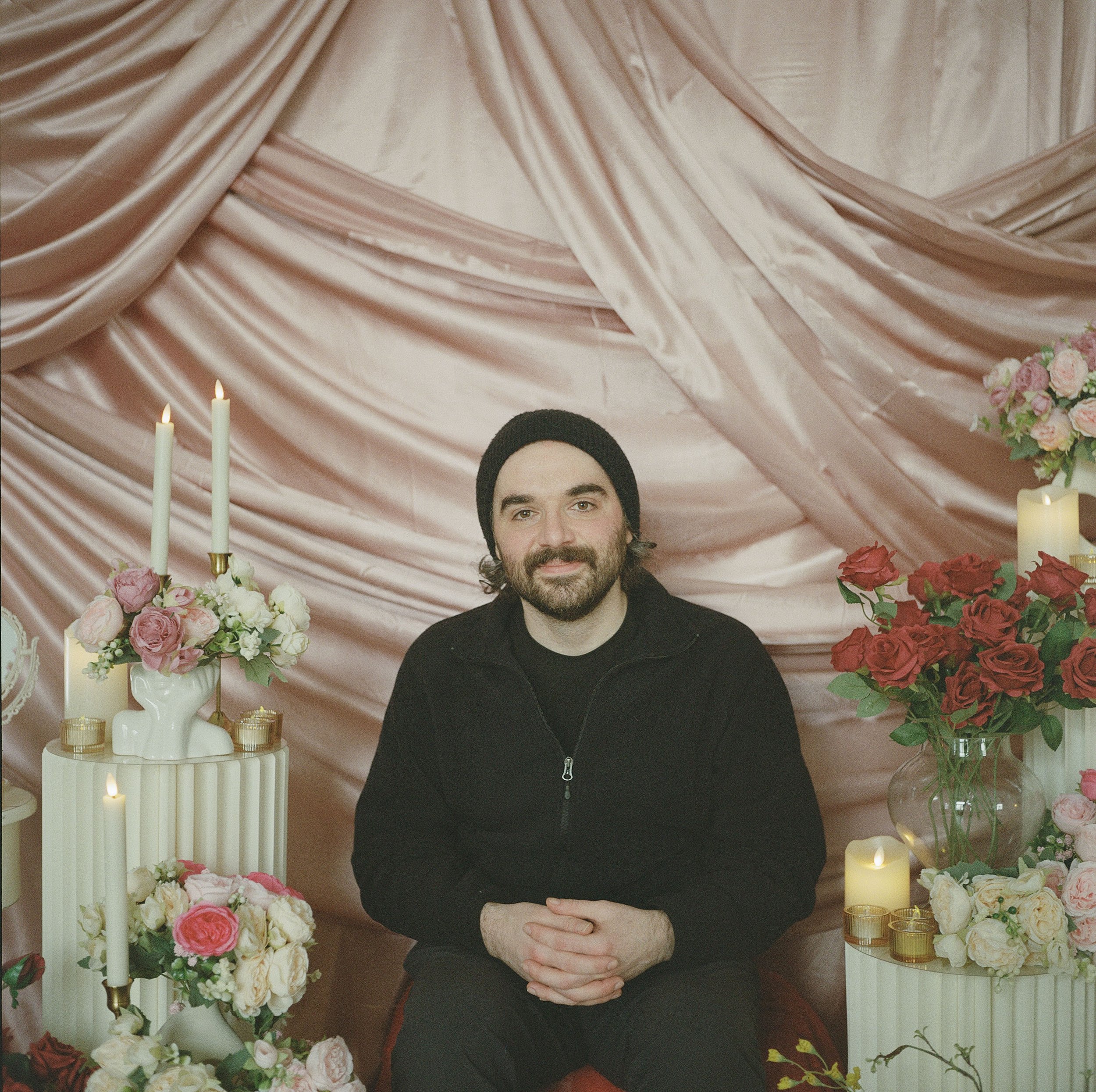
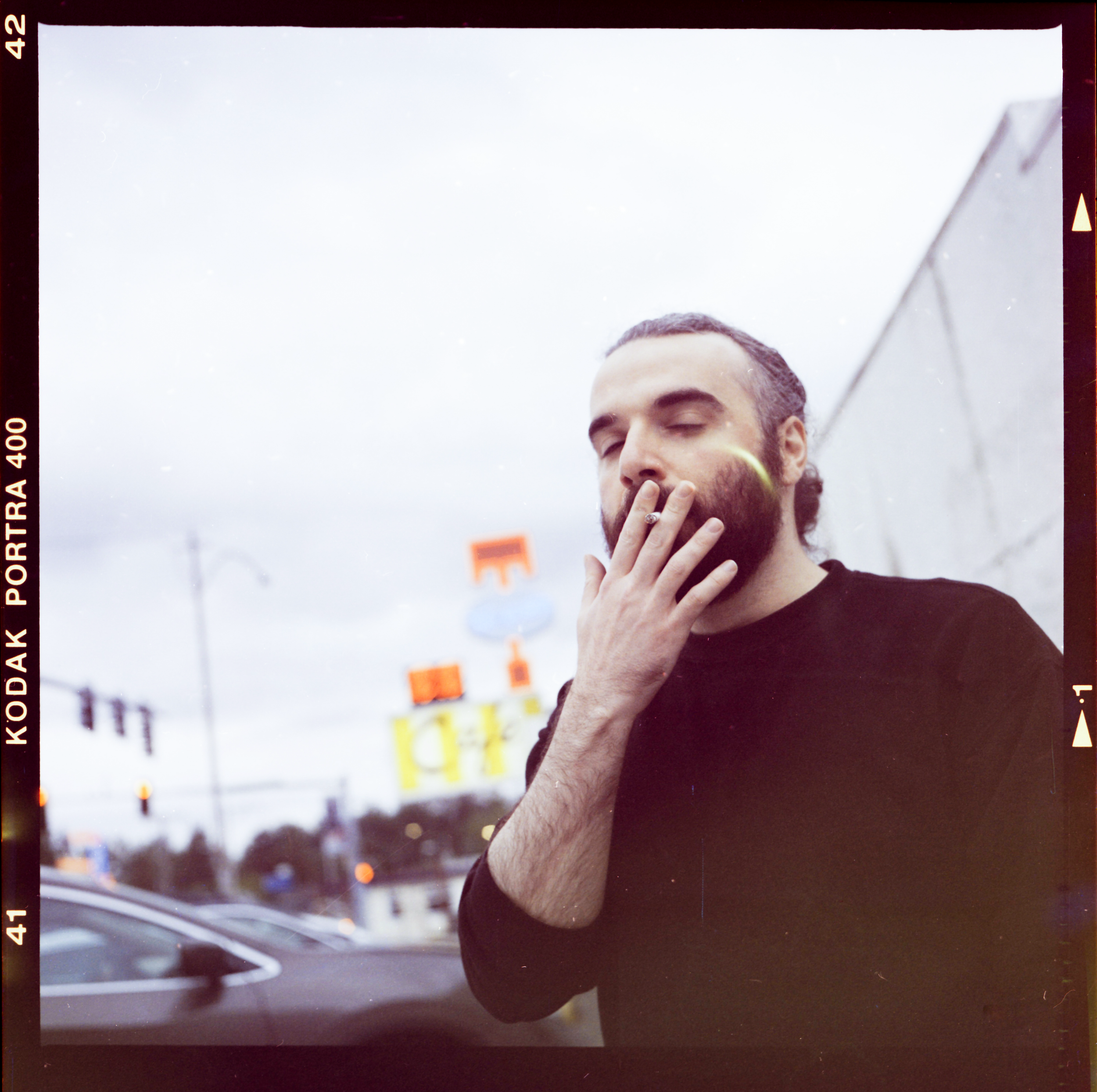
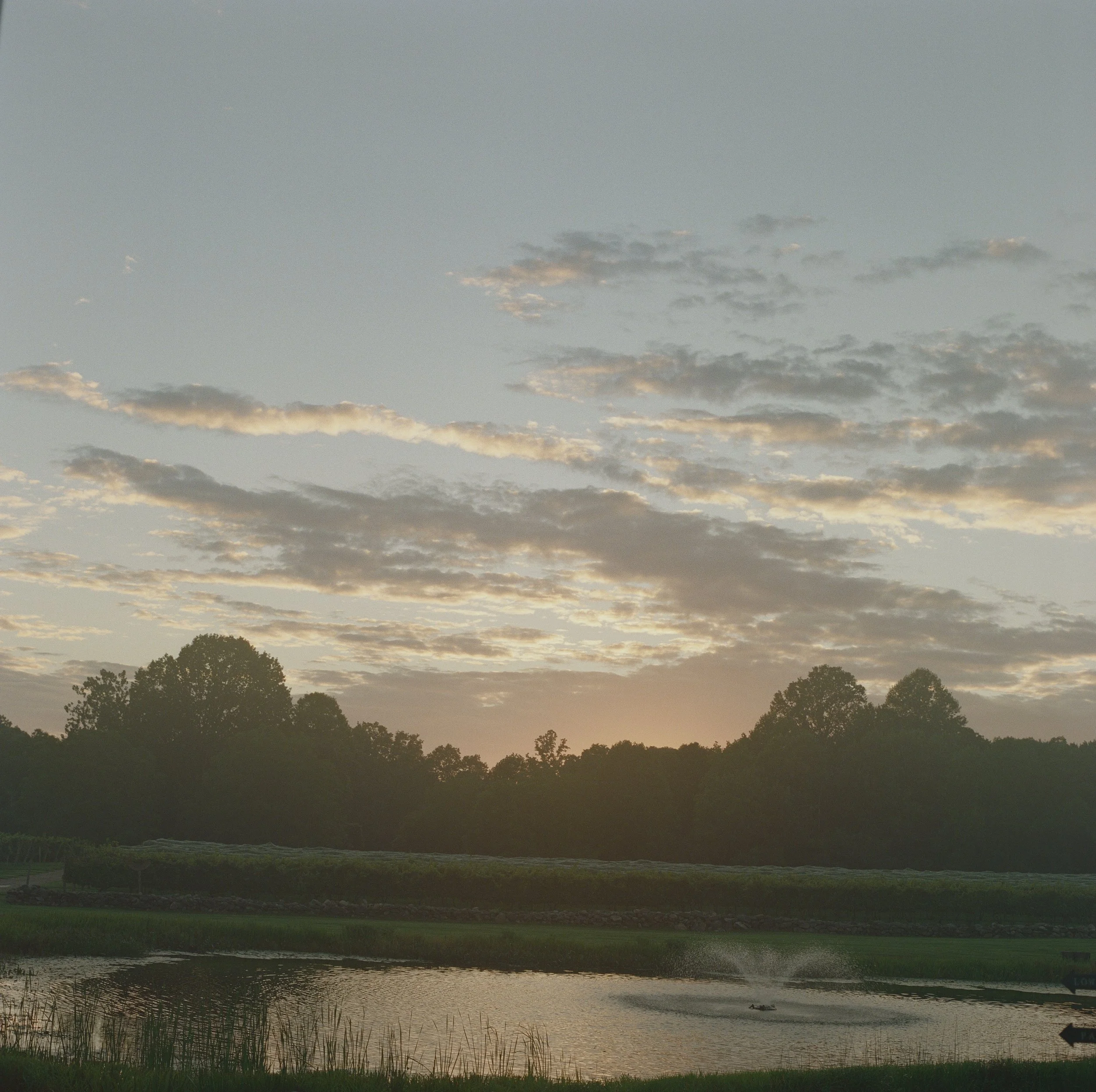
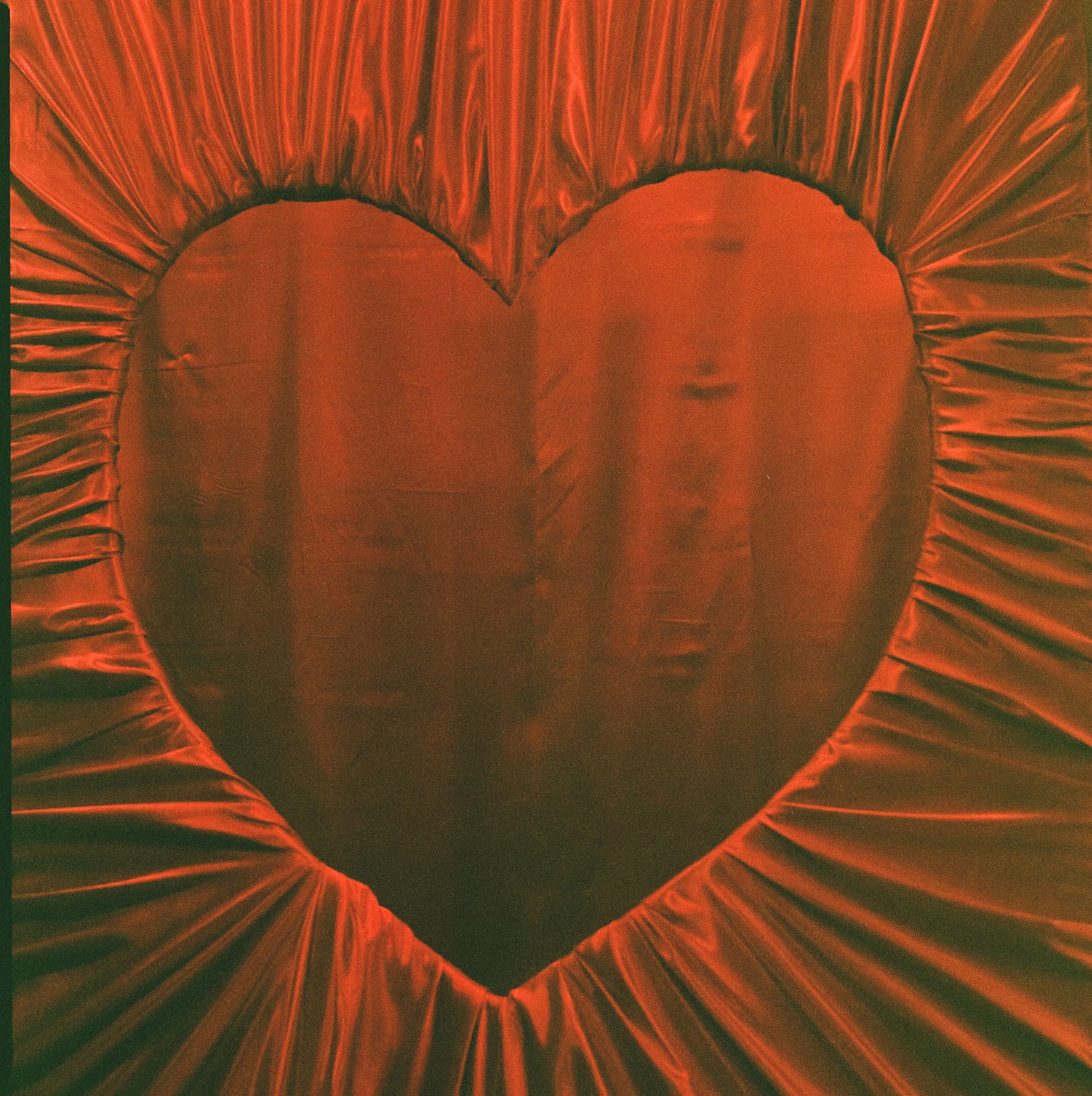
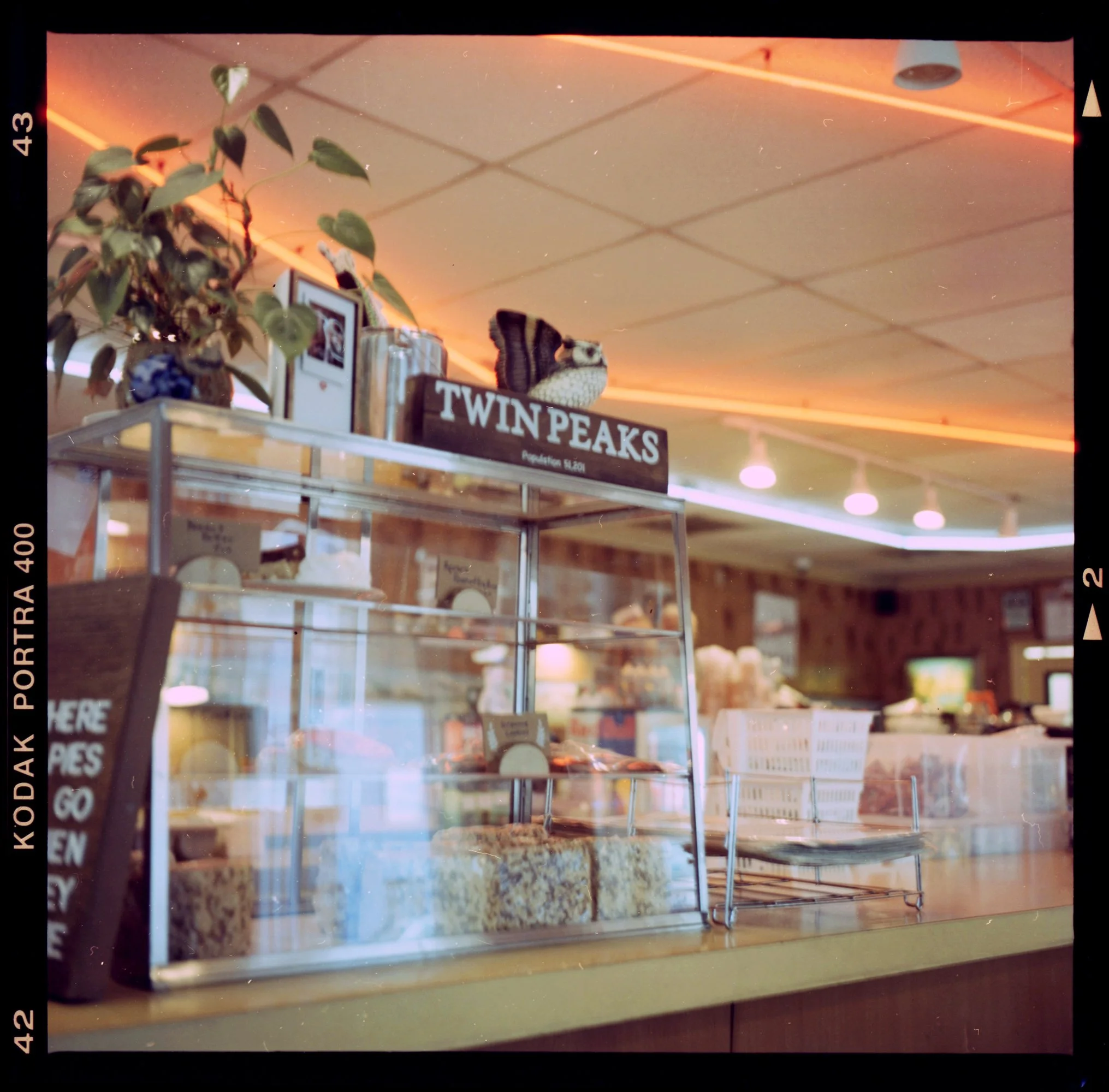
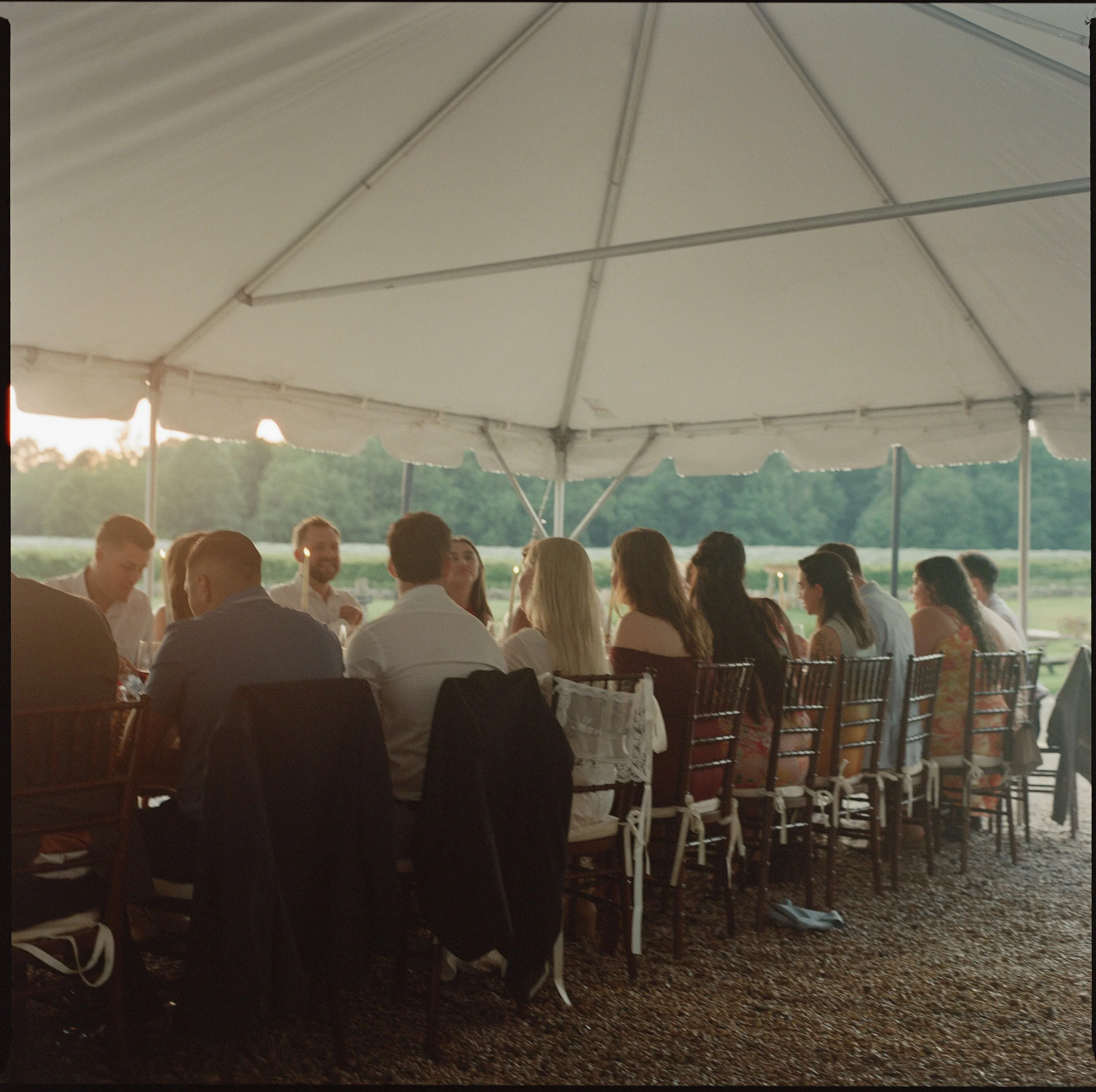
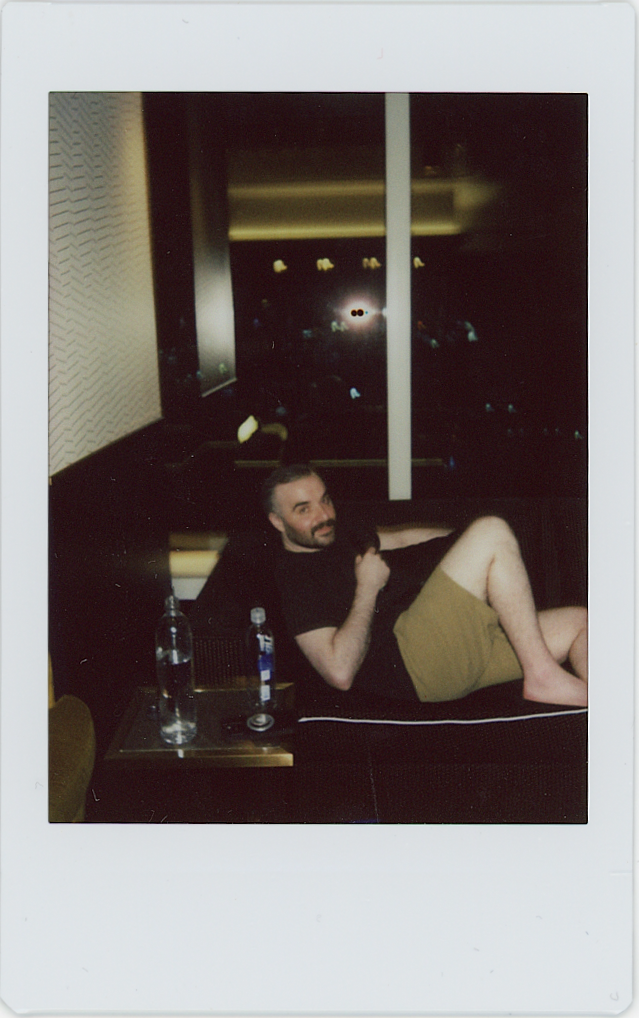
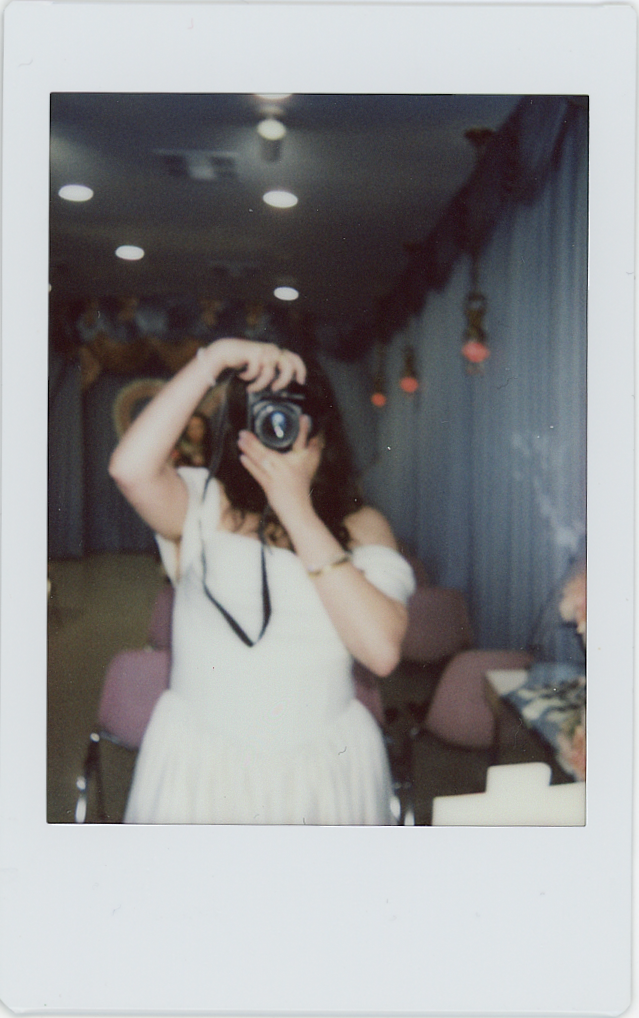
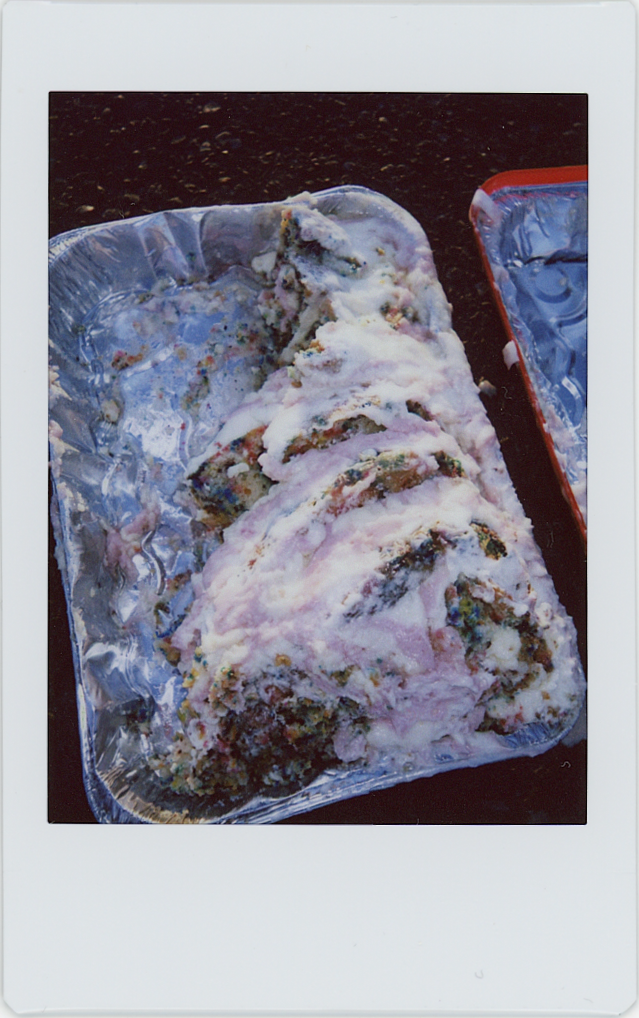
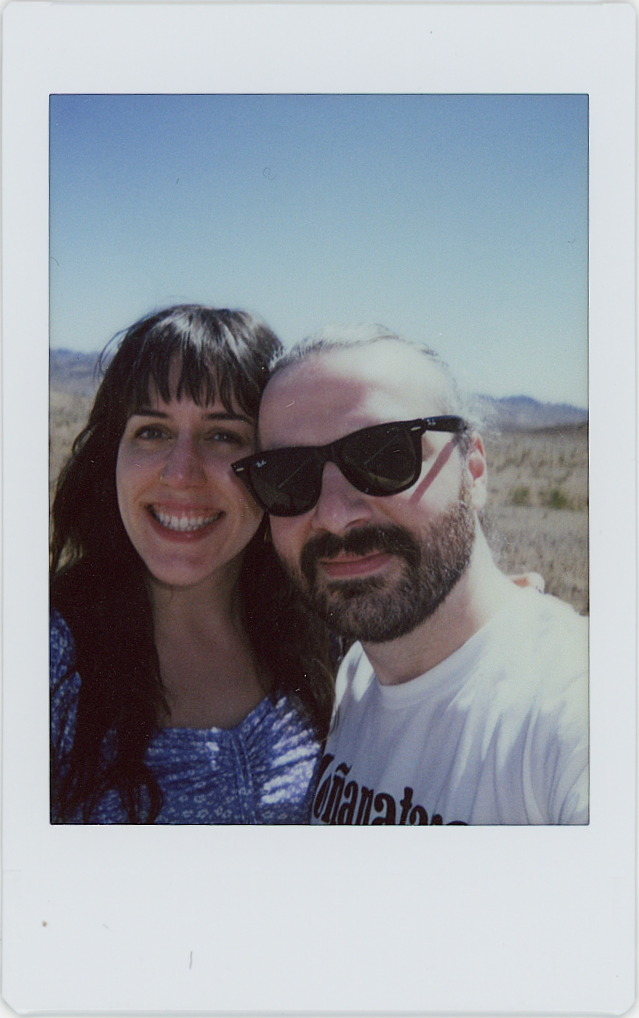
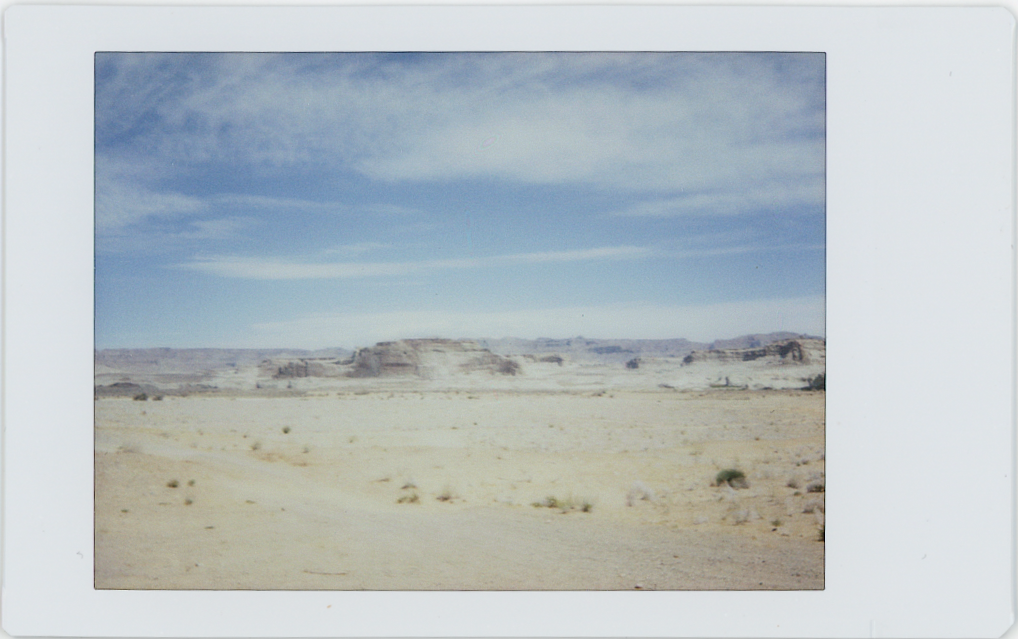
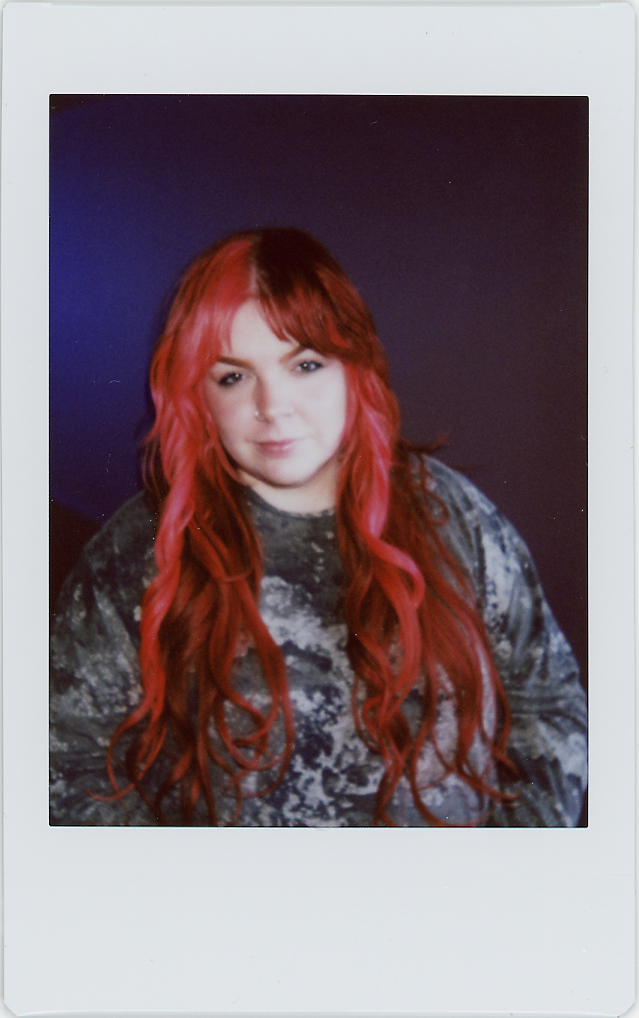
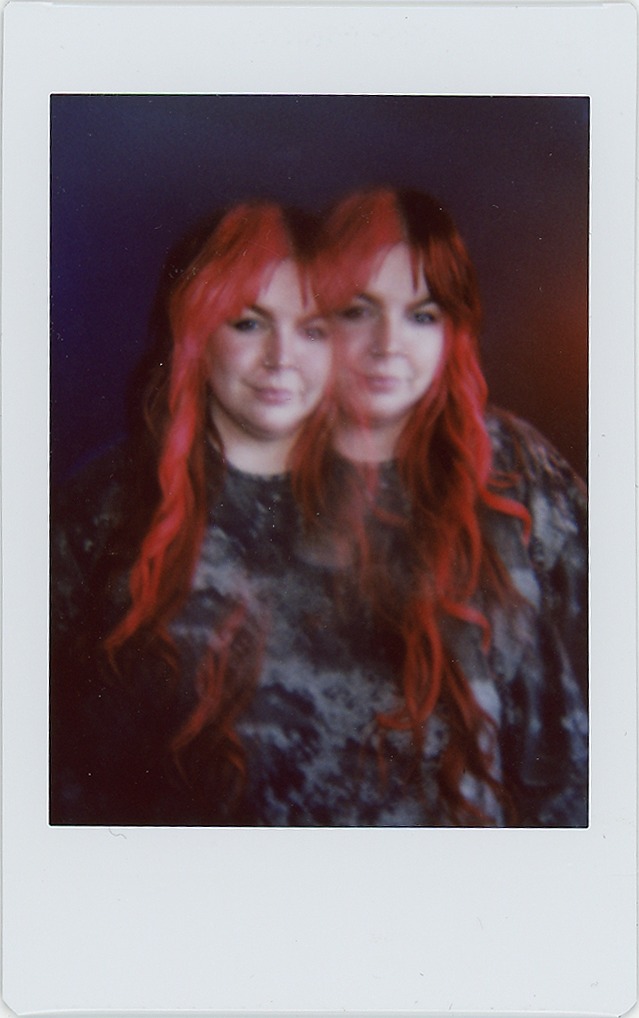
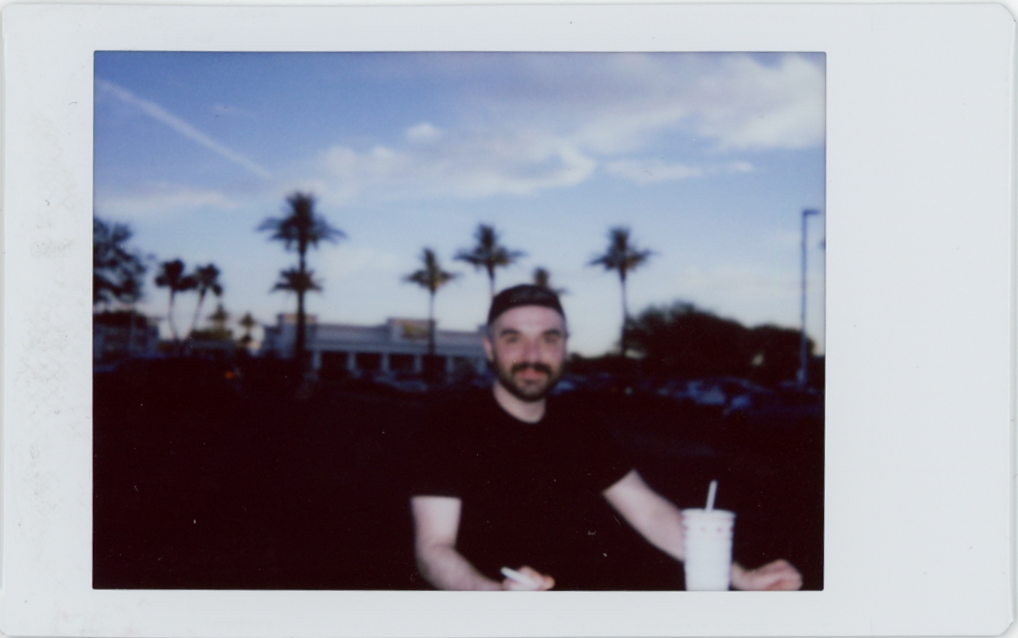
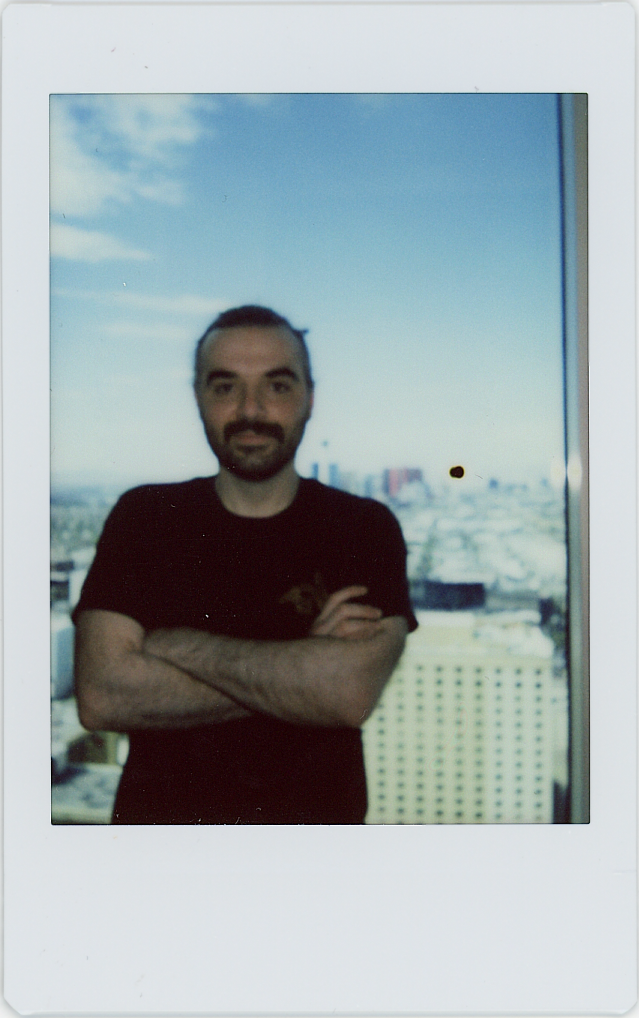
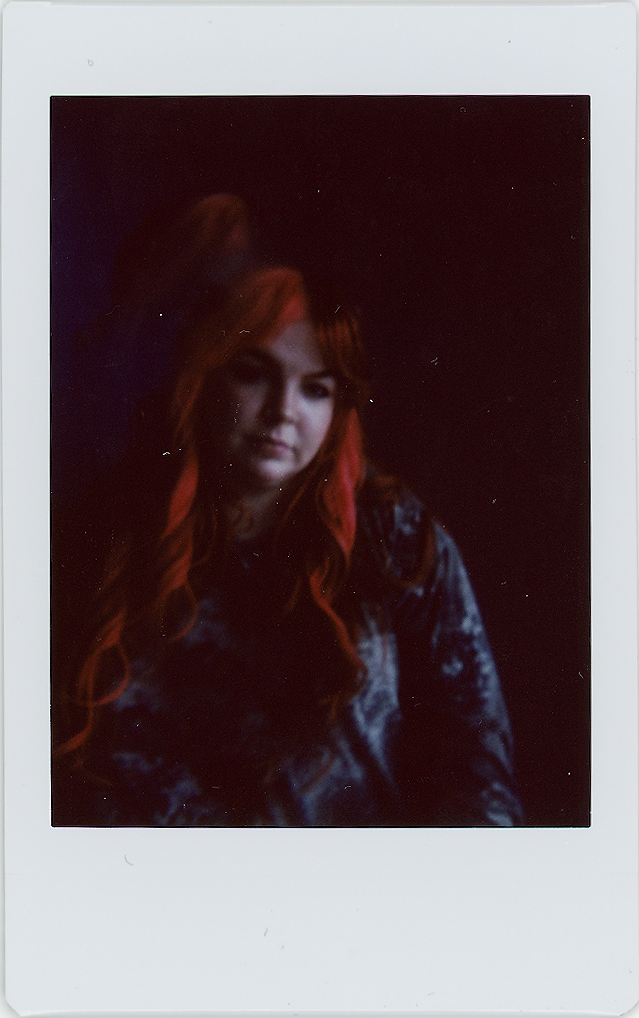
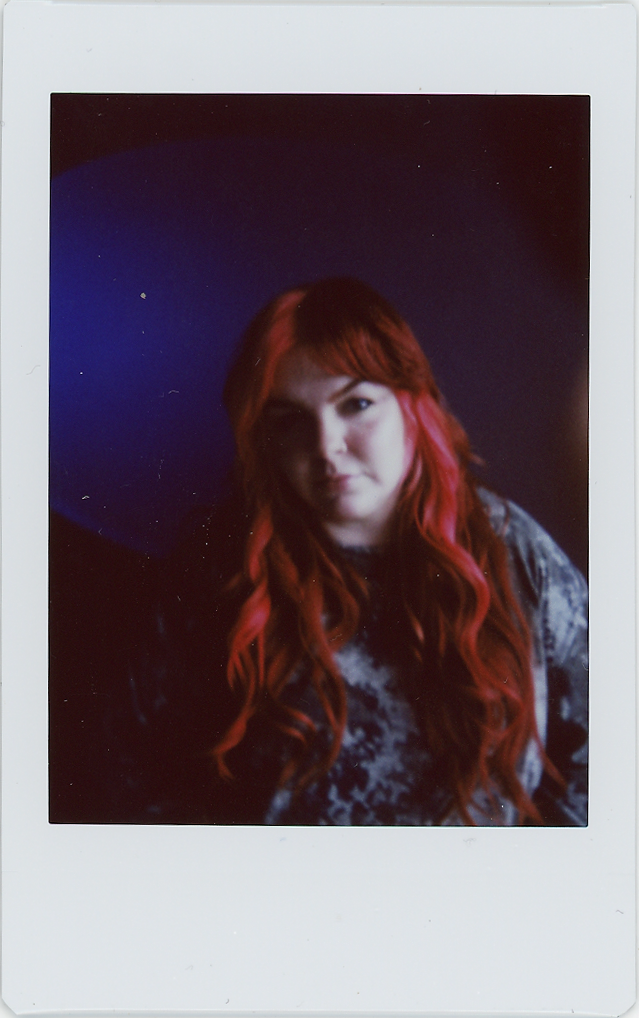
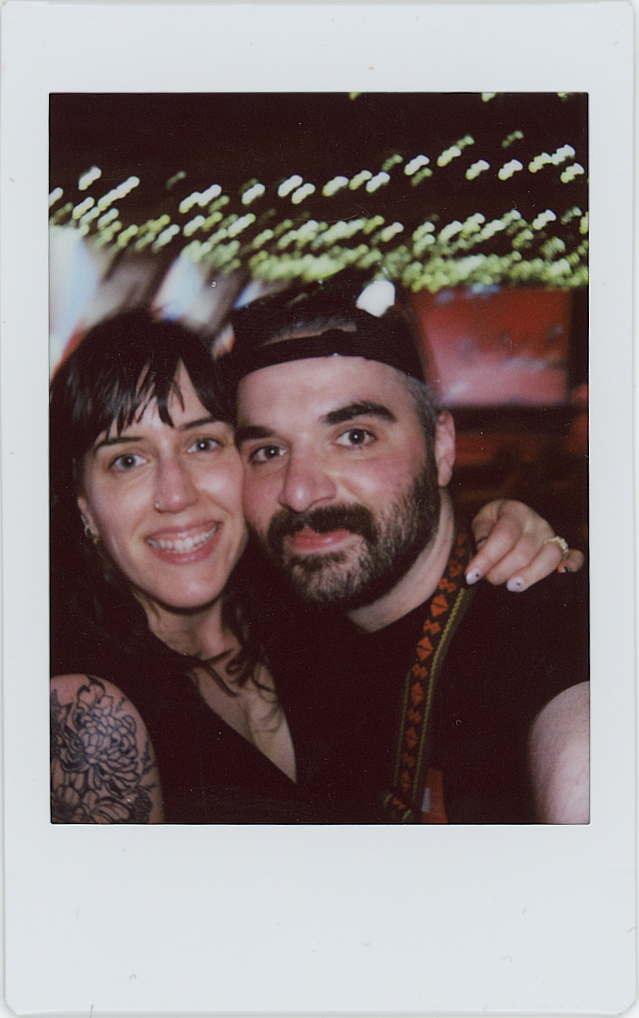
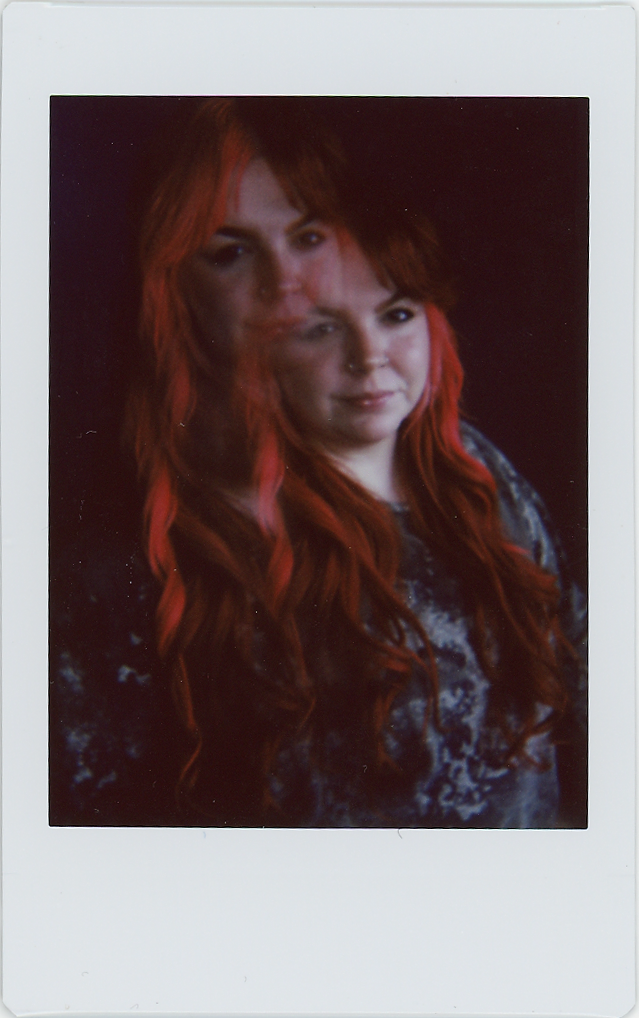
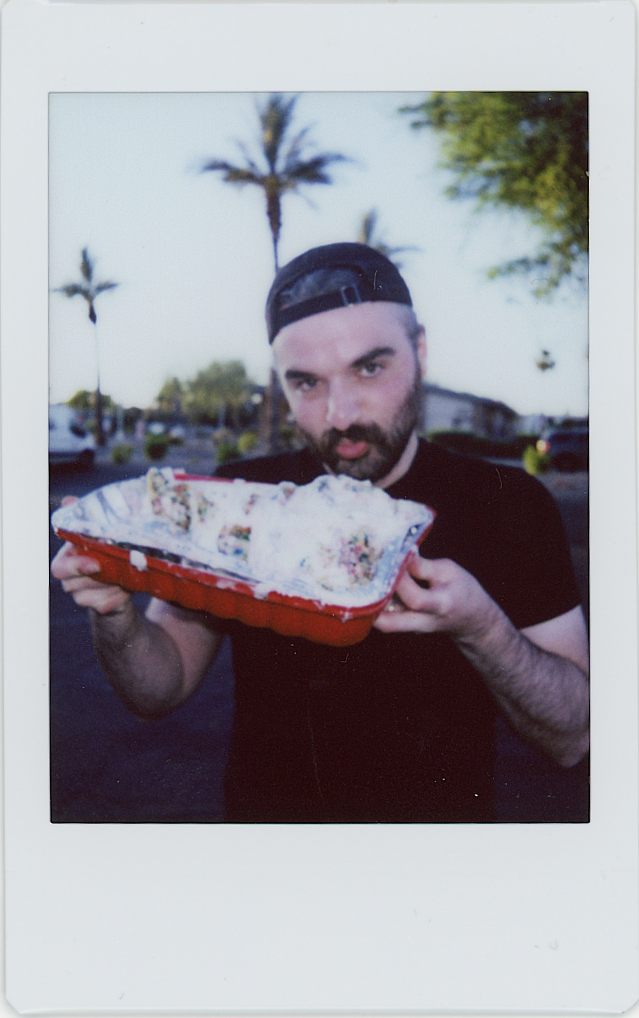
If you’re someone who learns visually, the best way to understand film is to see it. Below, you’ll find examples of 35mm film, 3D wigglegrams on 35mm film, 120 medium format film, Polaroid, and Instax mini images from real sessions. Each format has its own texture, depth, and feeling, but all of them share that timeless, nostalgic quality that makes film so special!
35mm Film

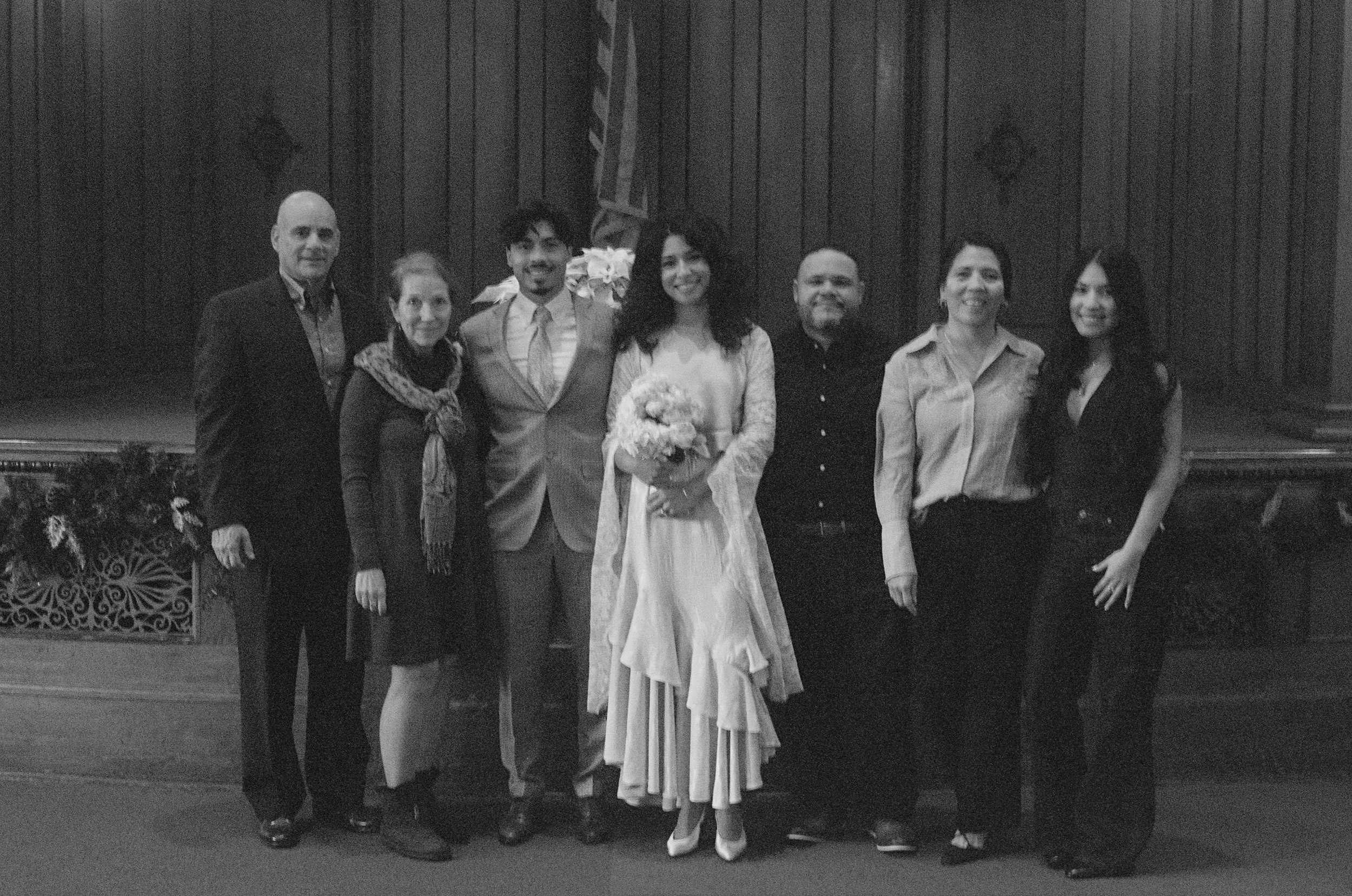

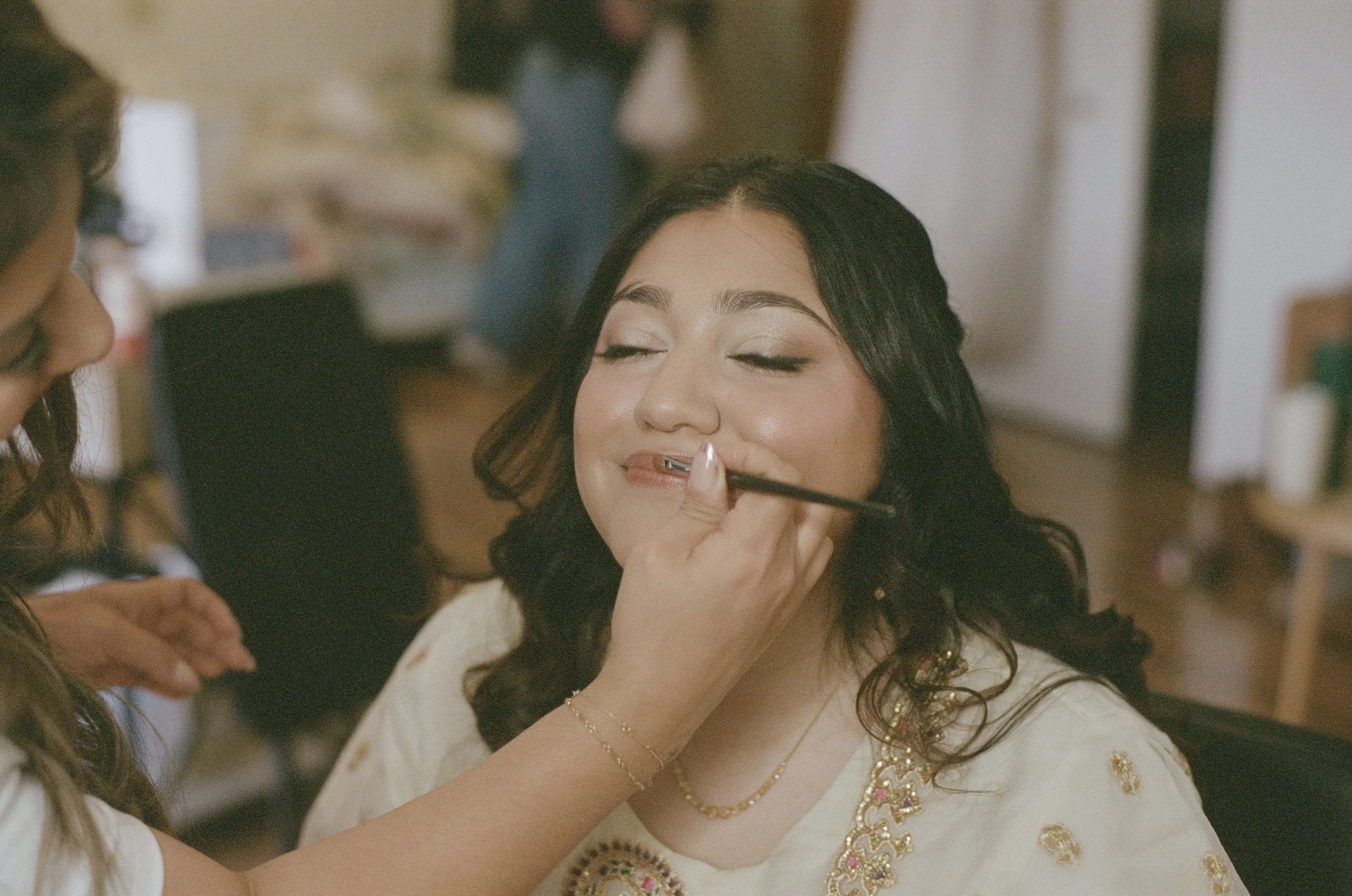
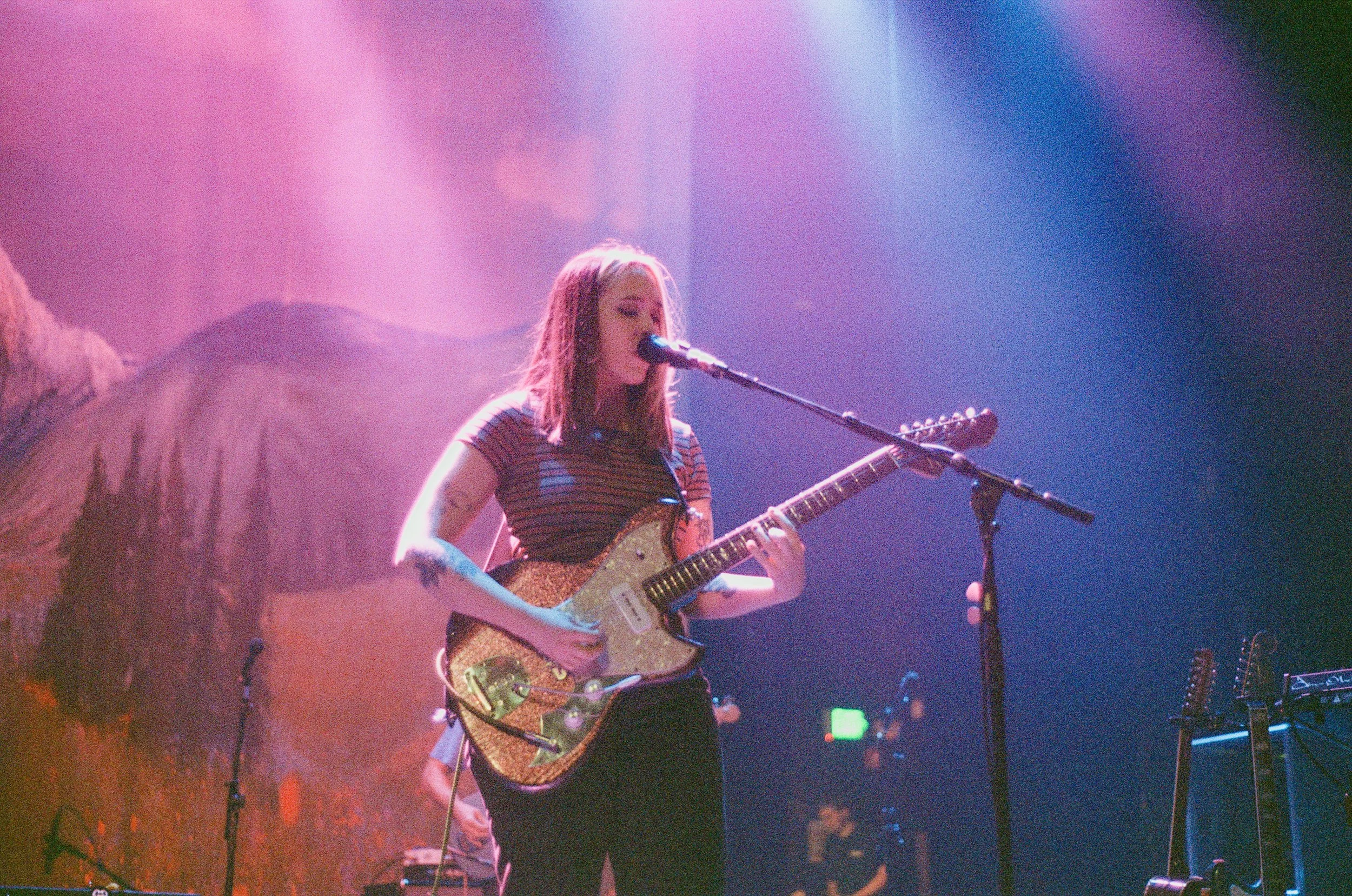
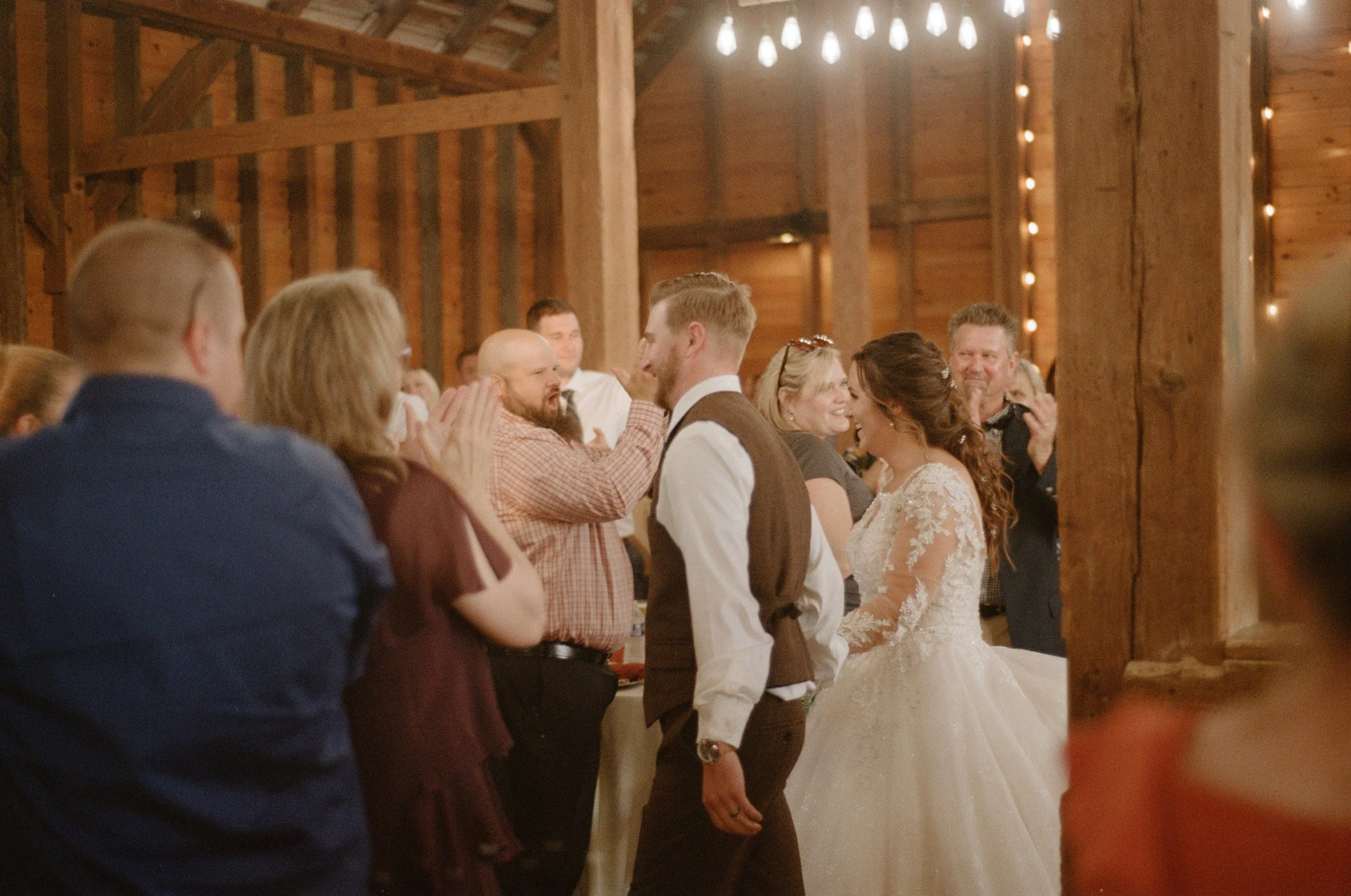
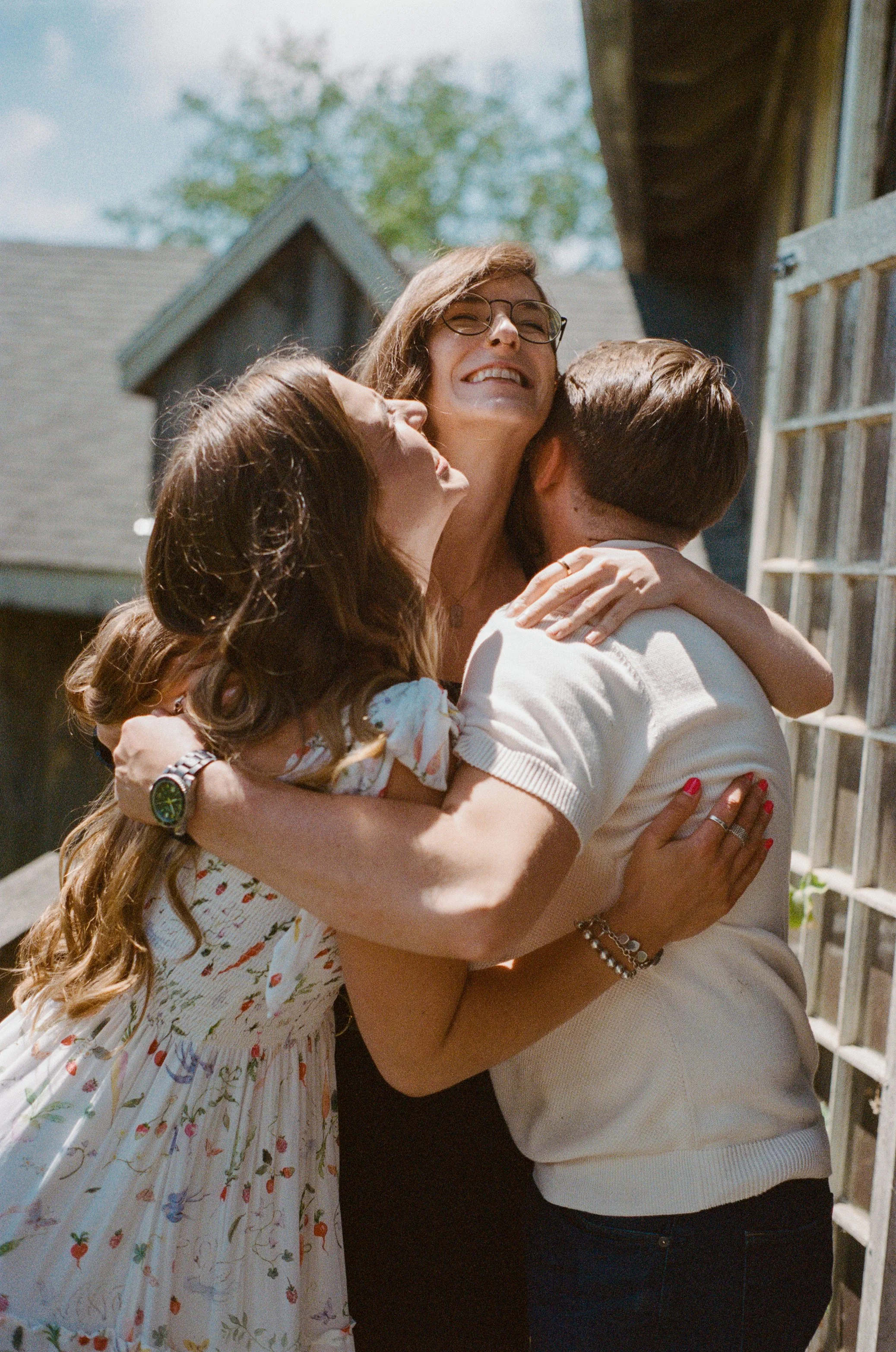
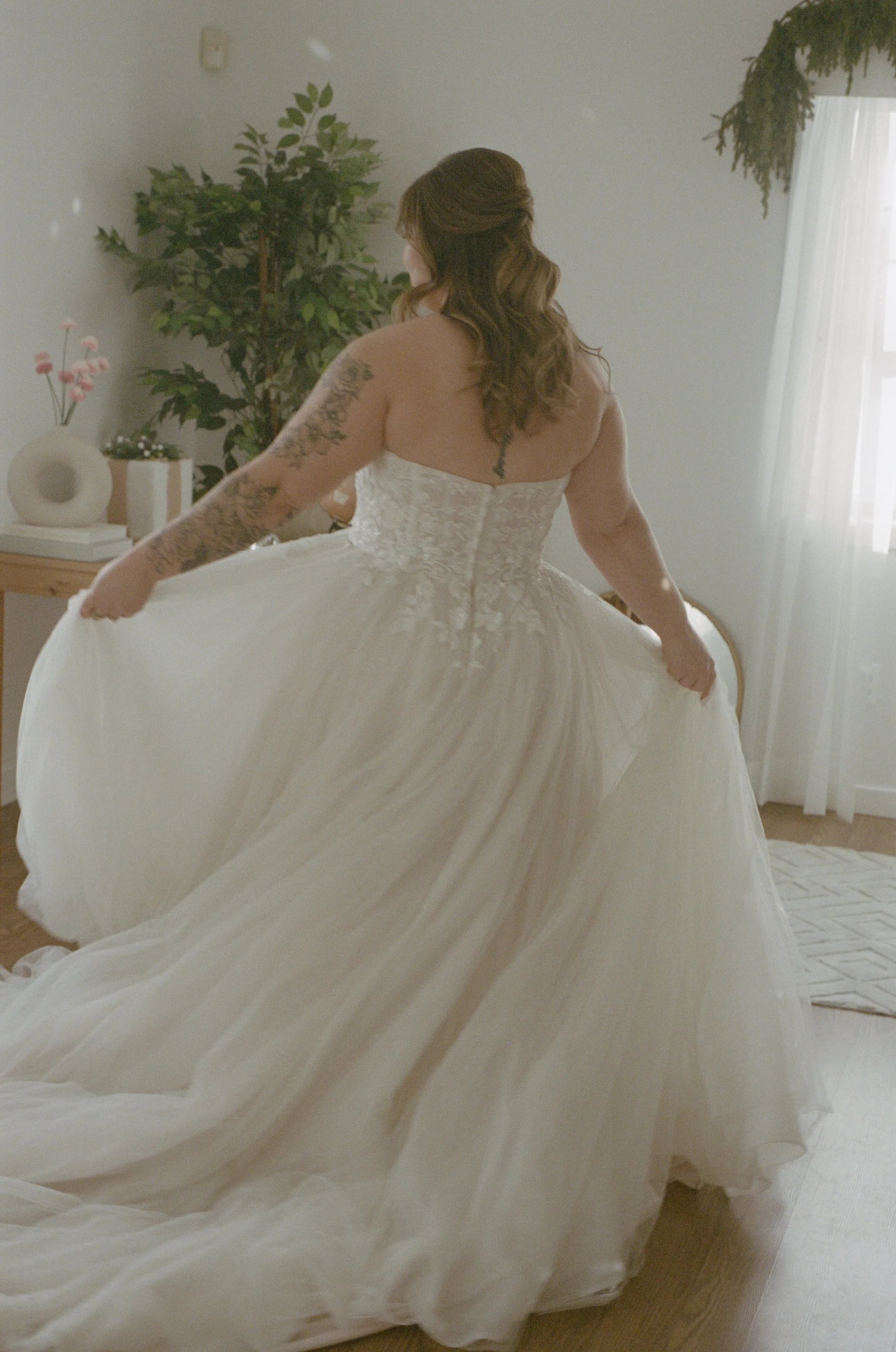

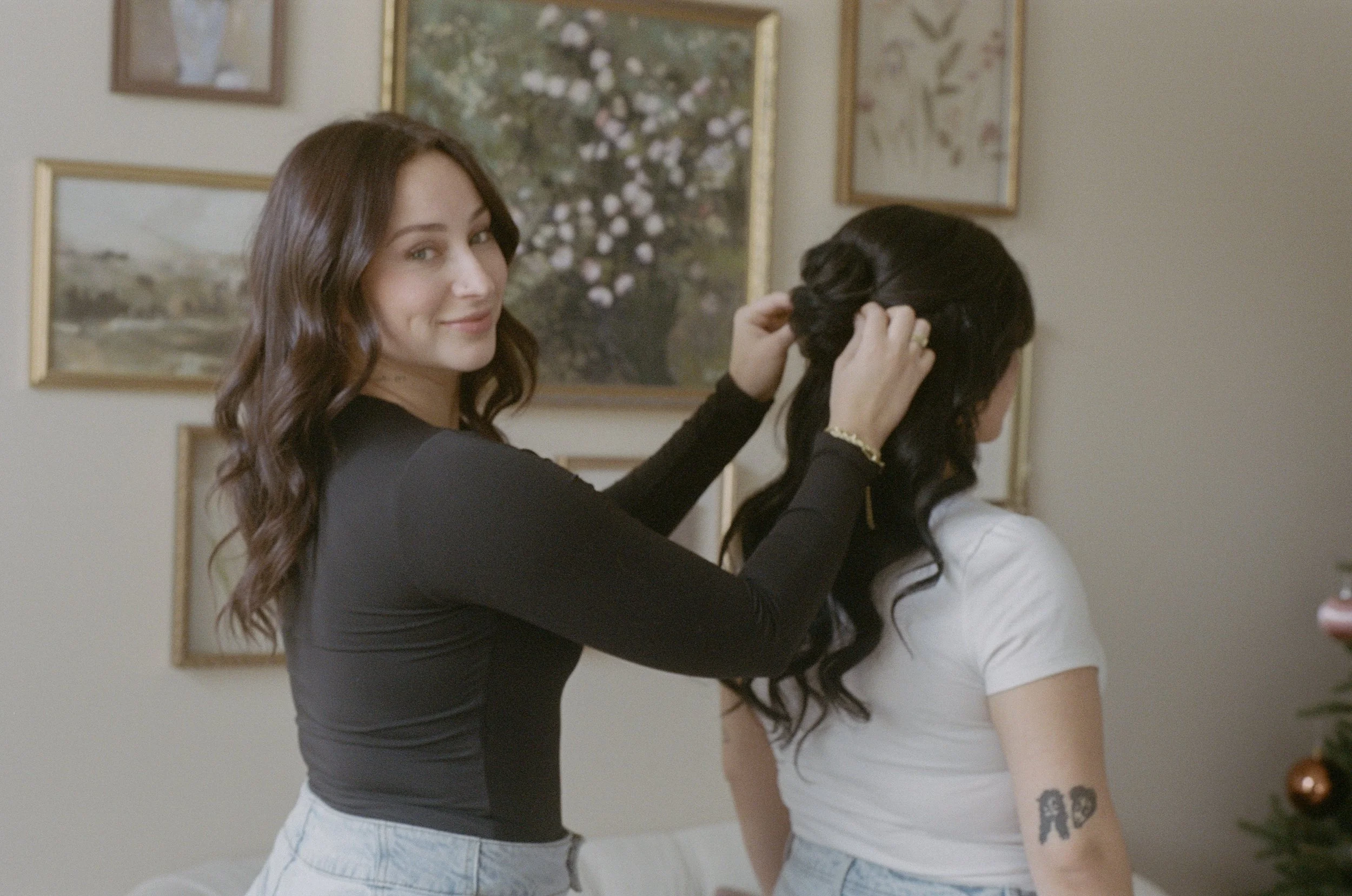
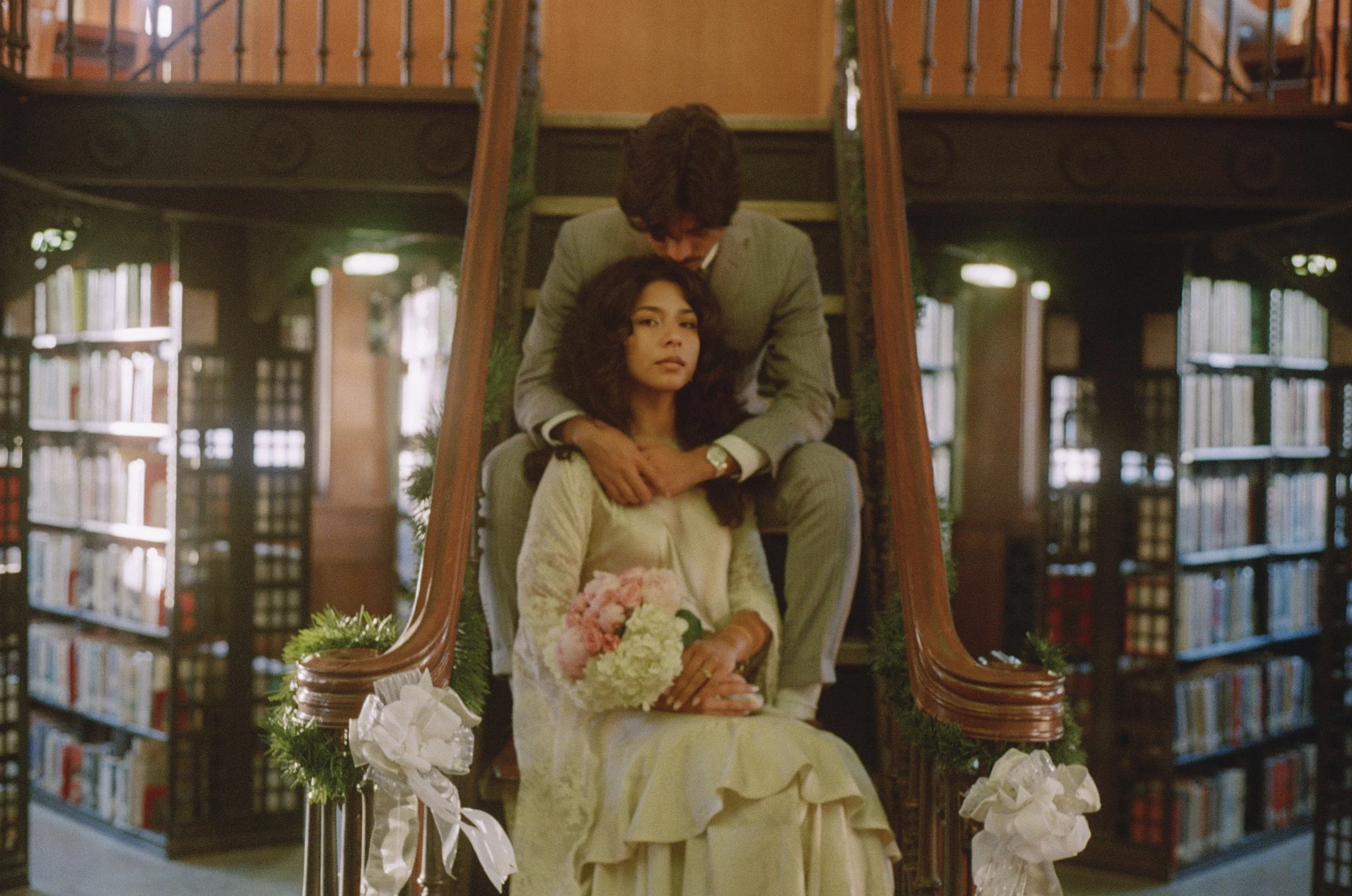
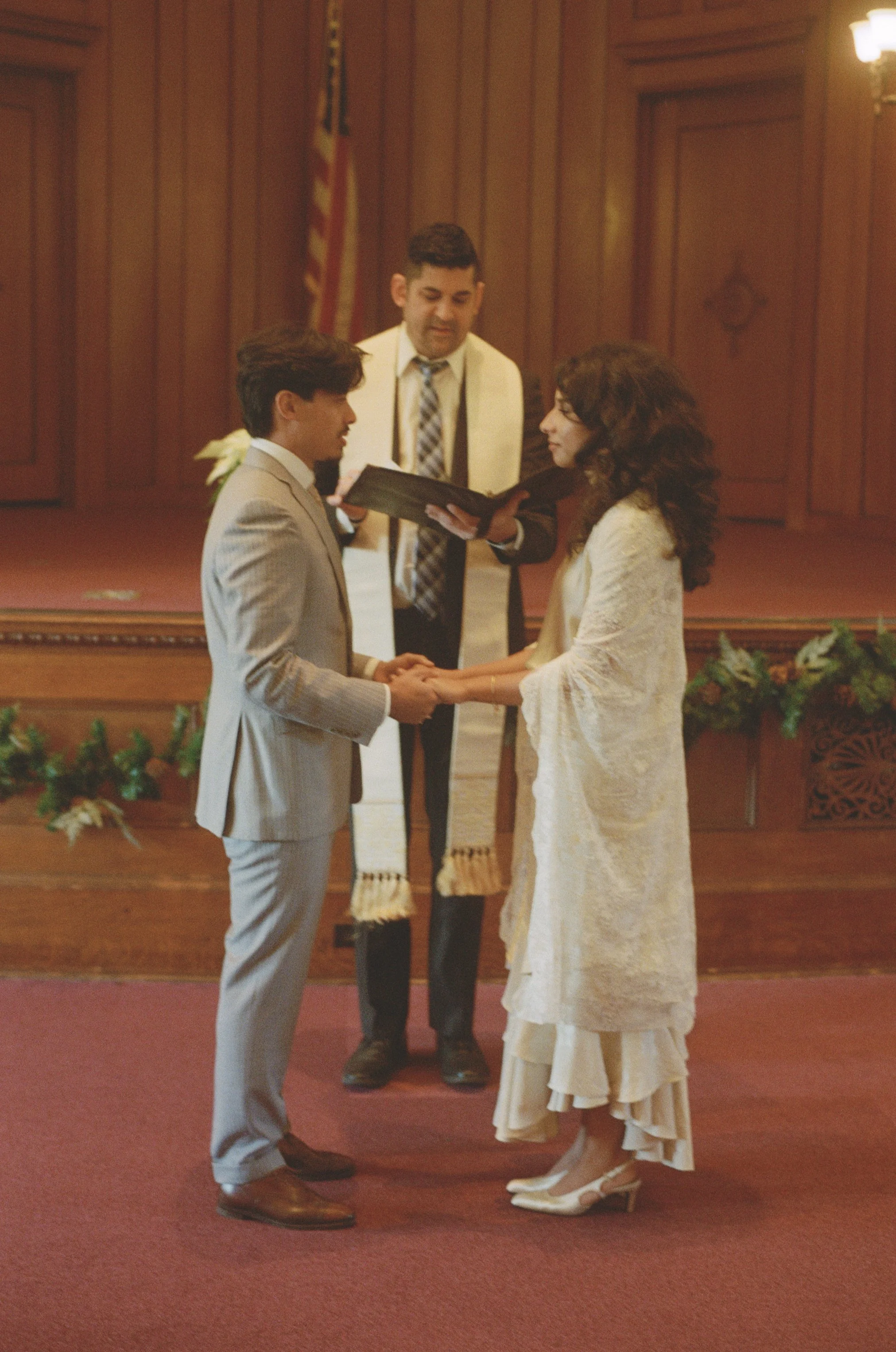
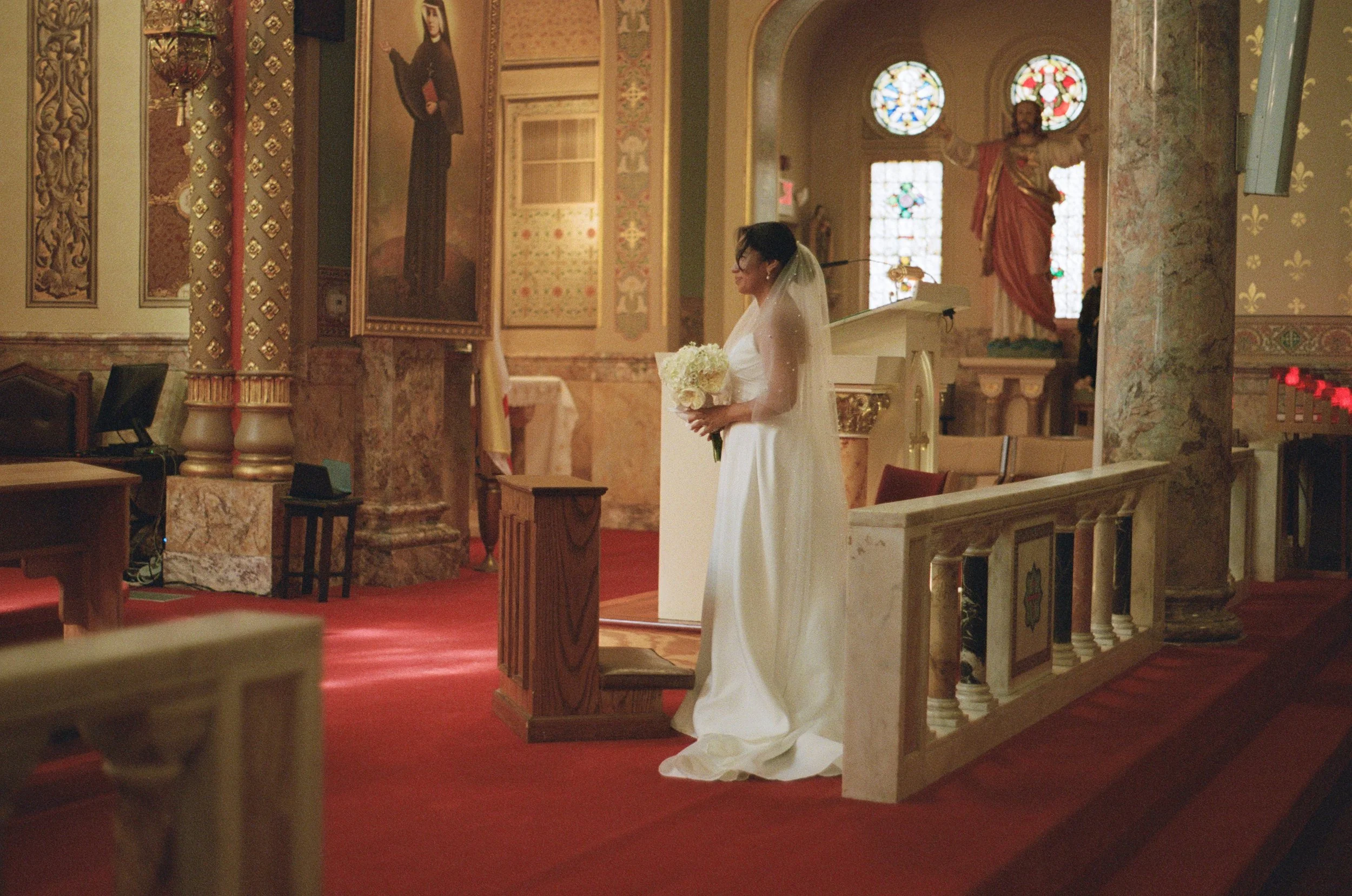
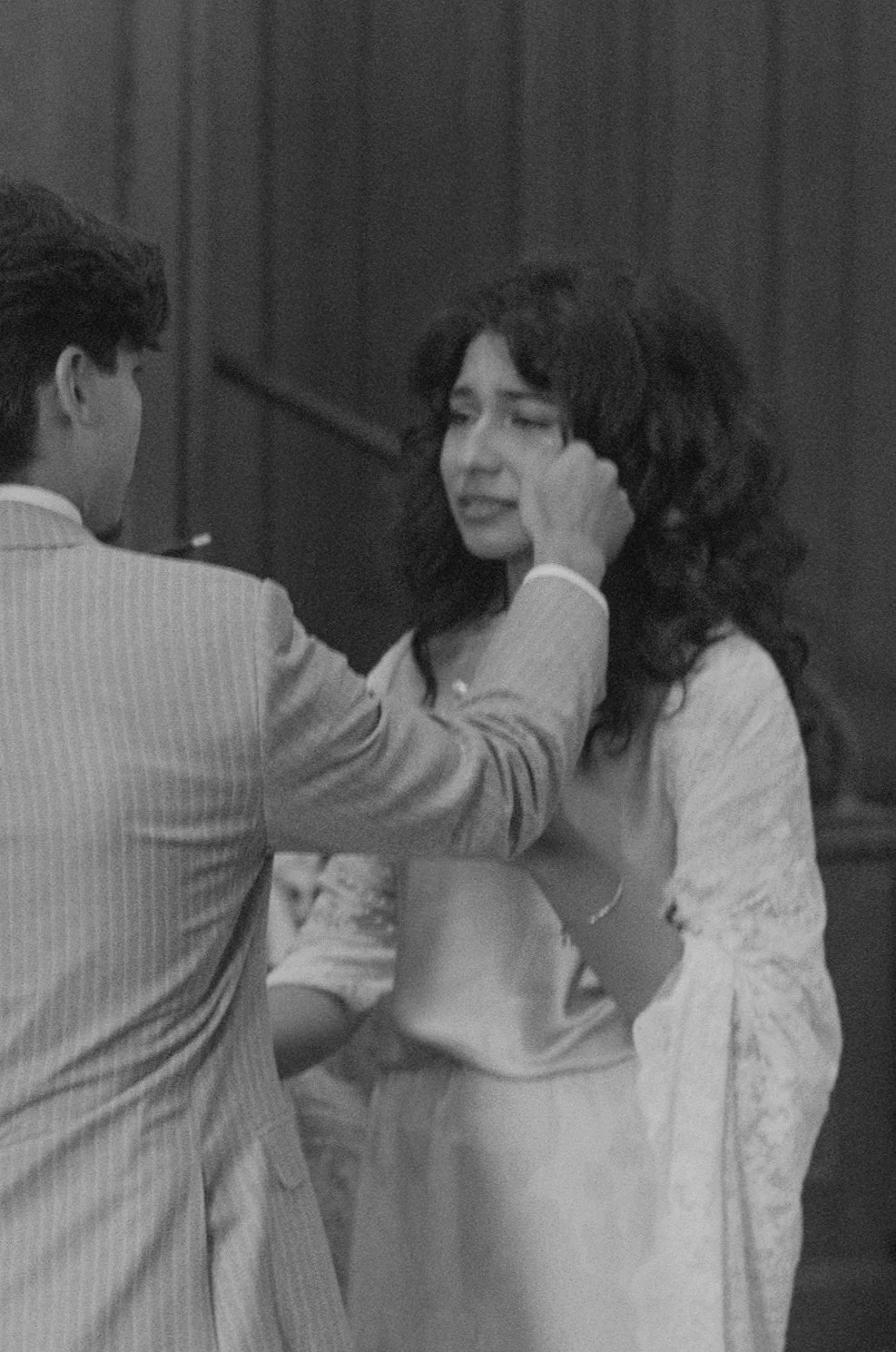
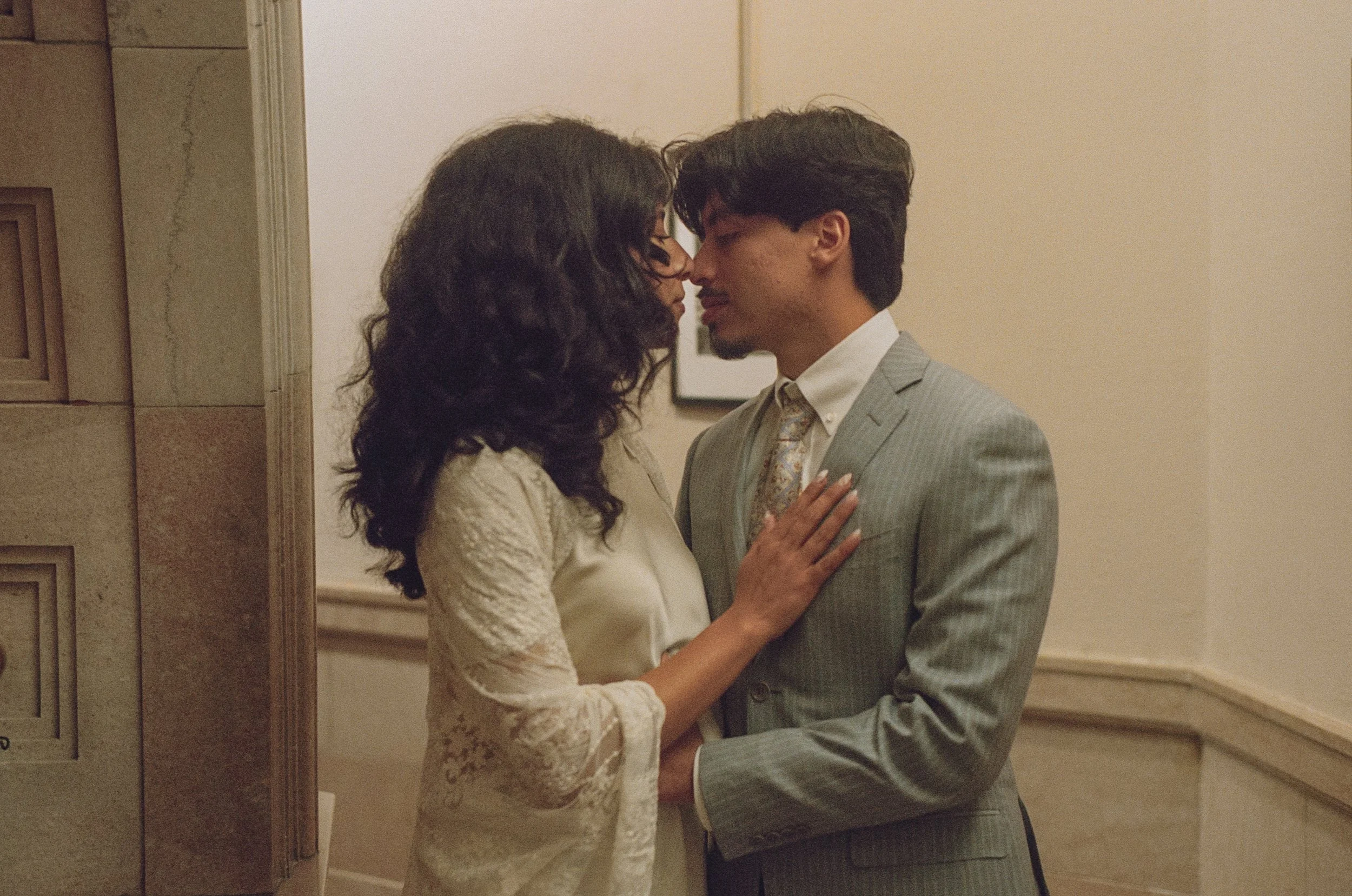

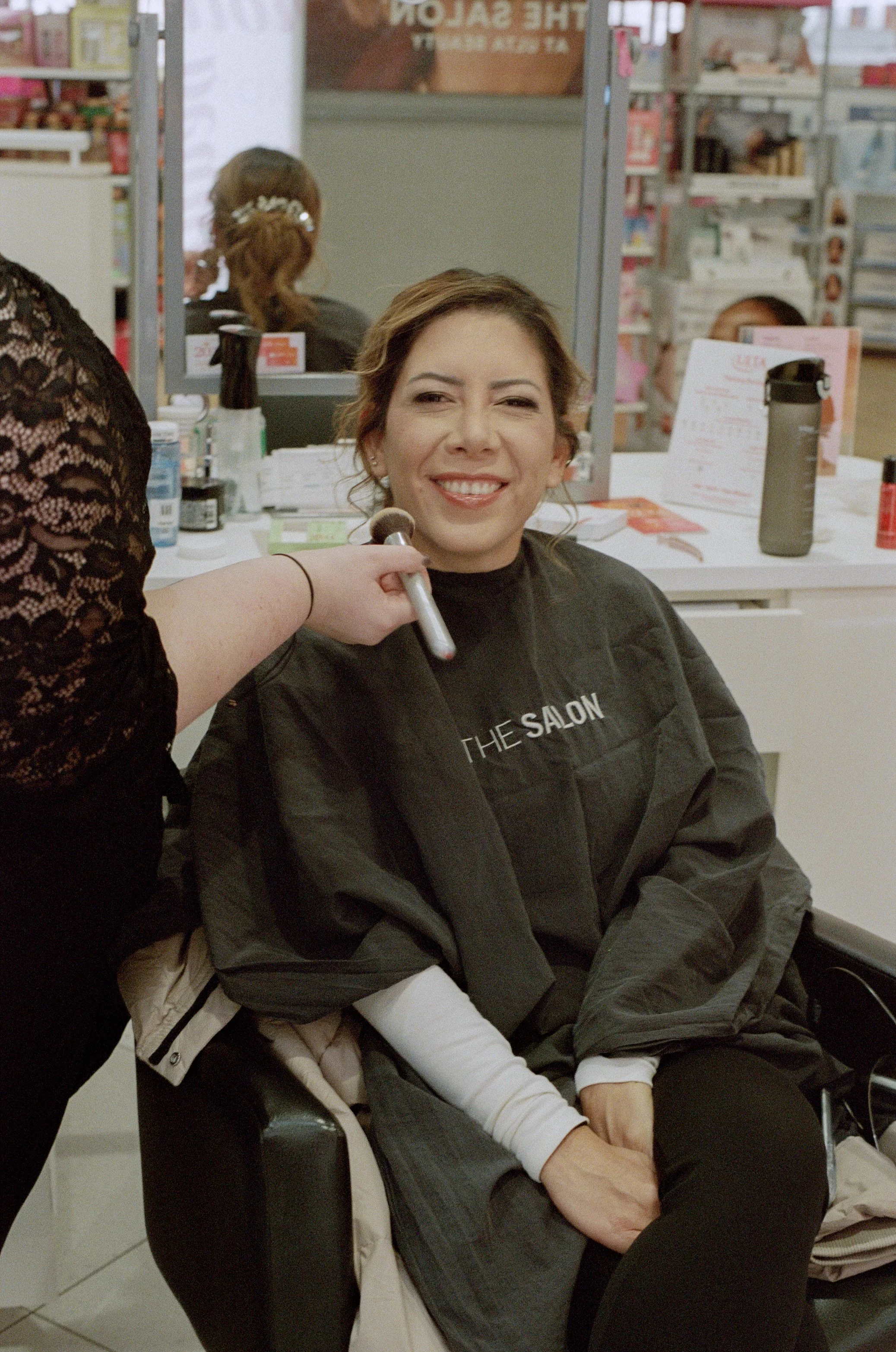
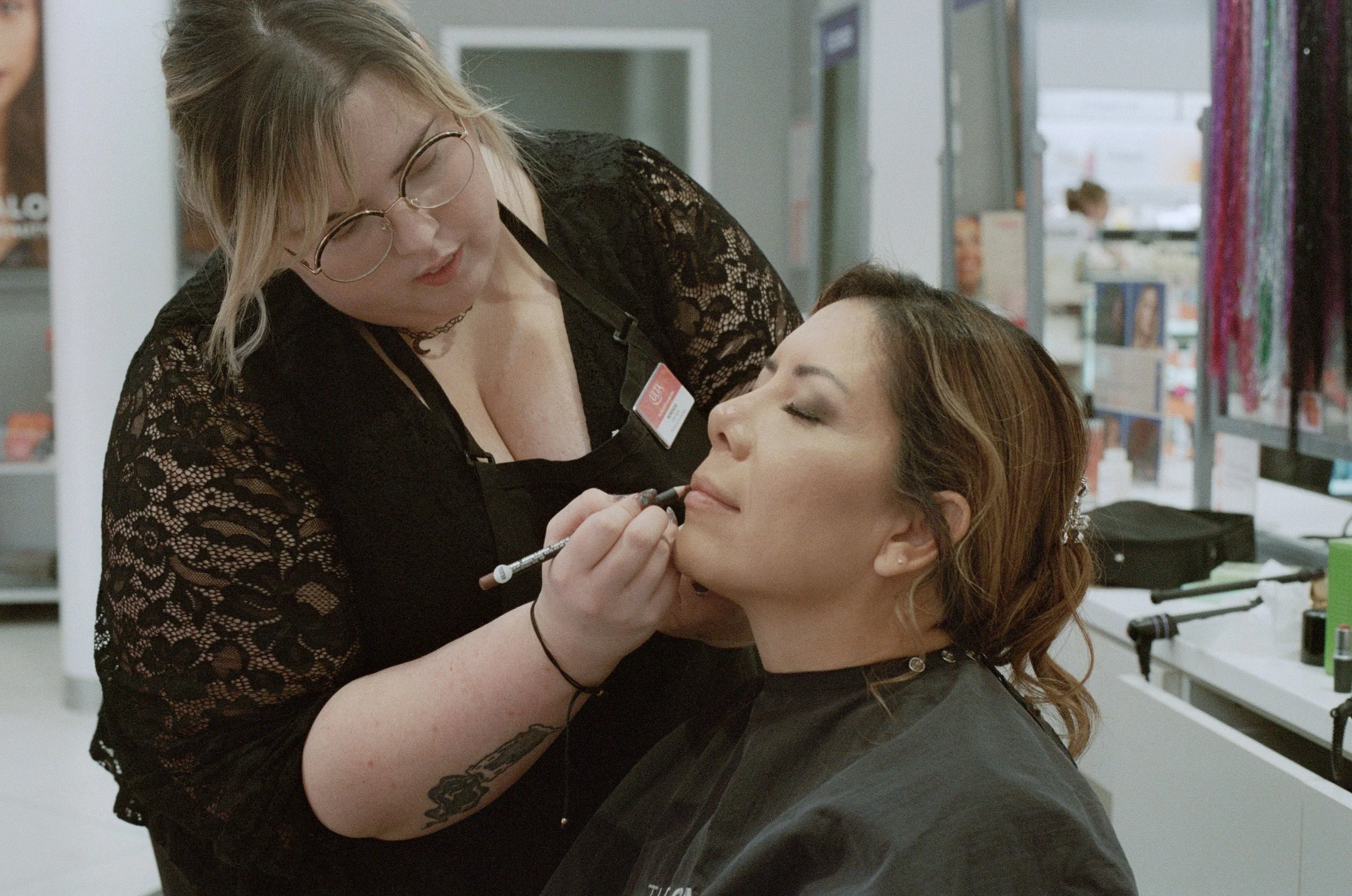
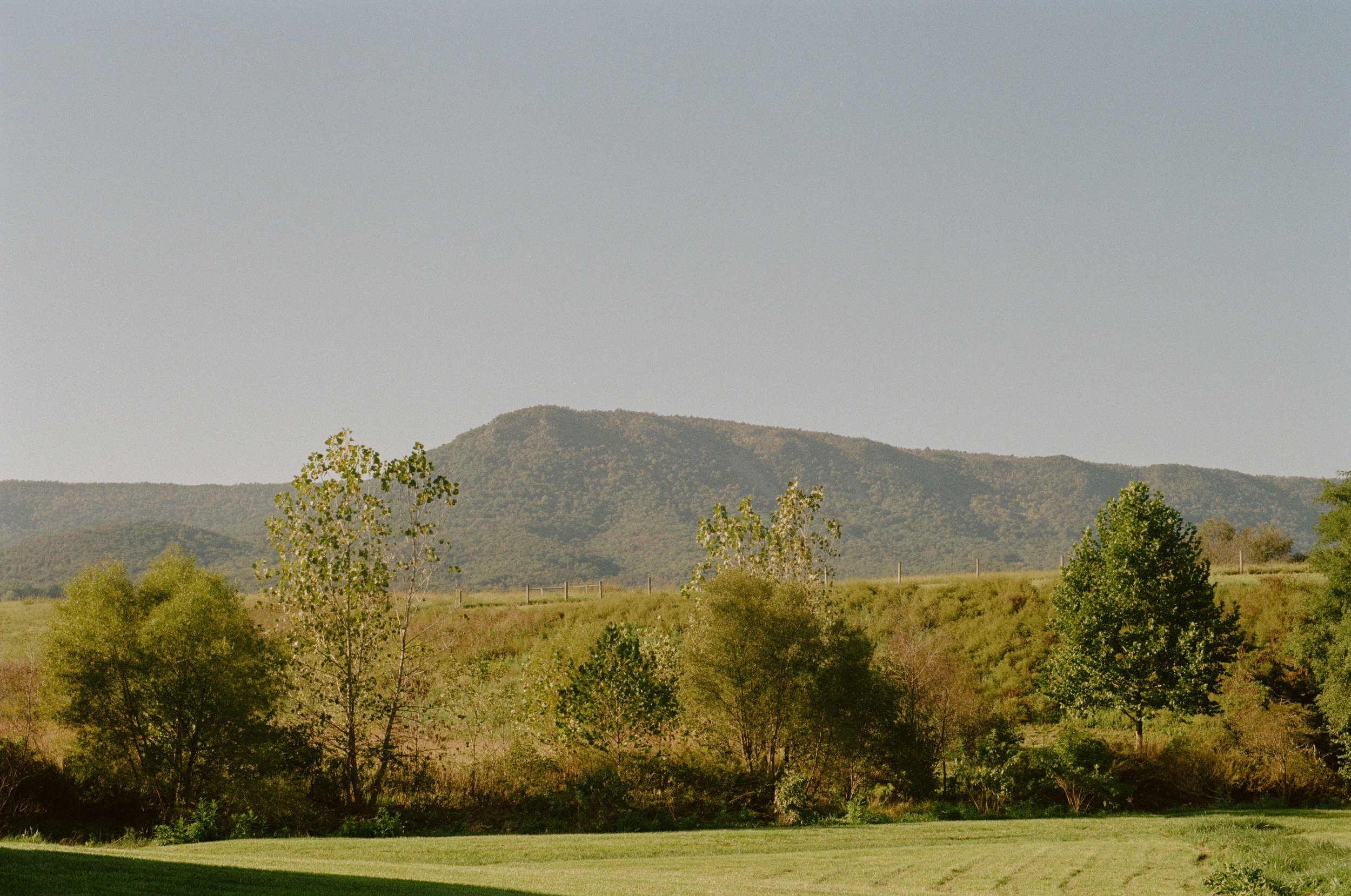
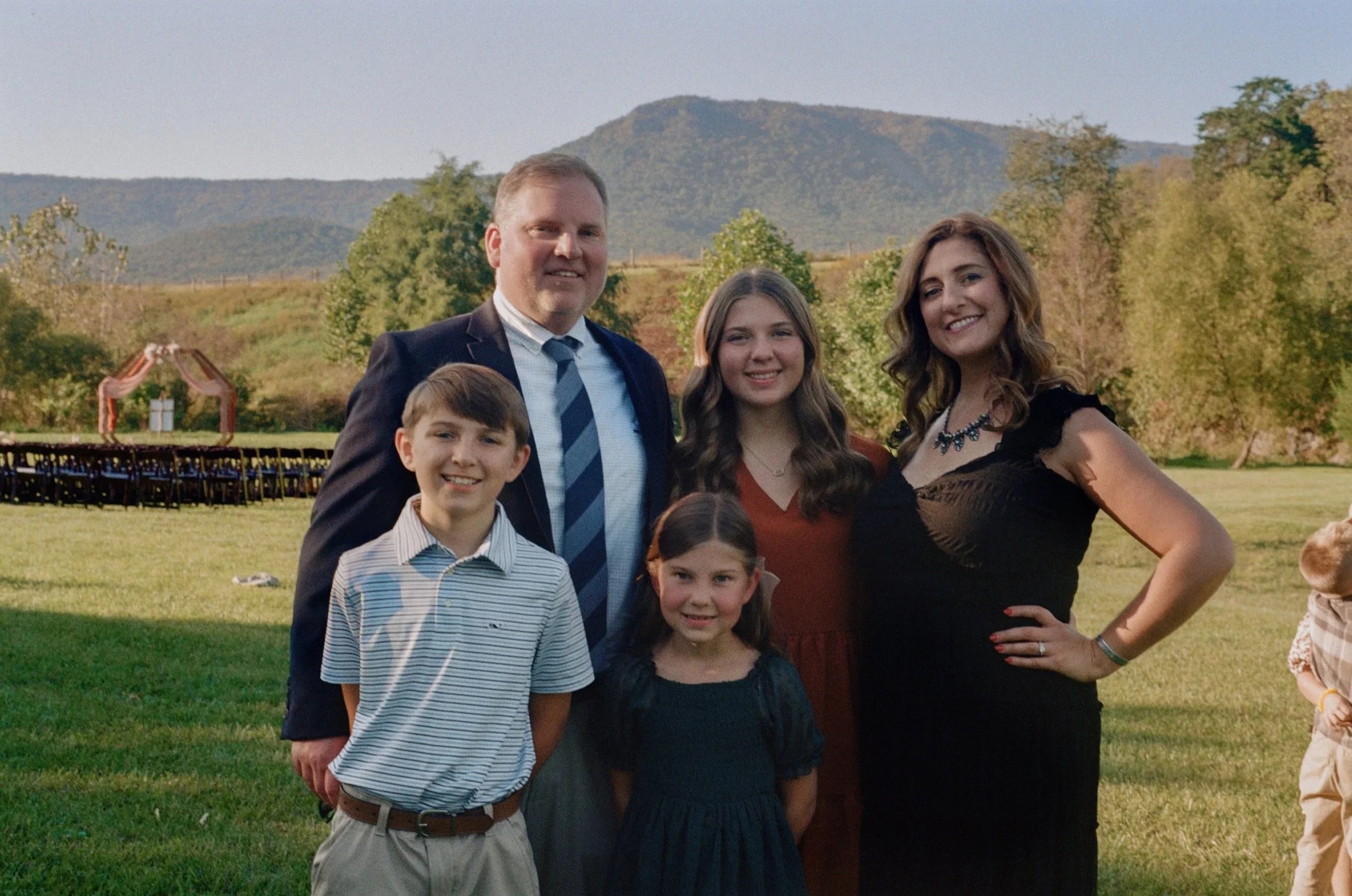
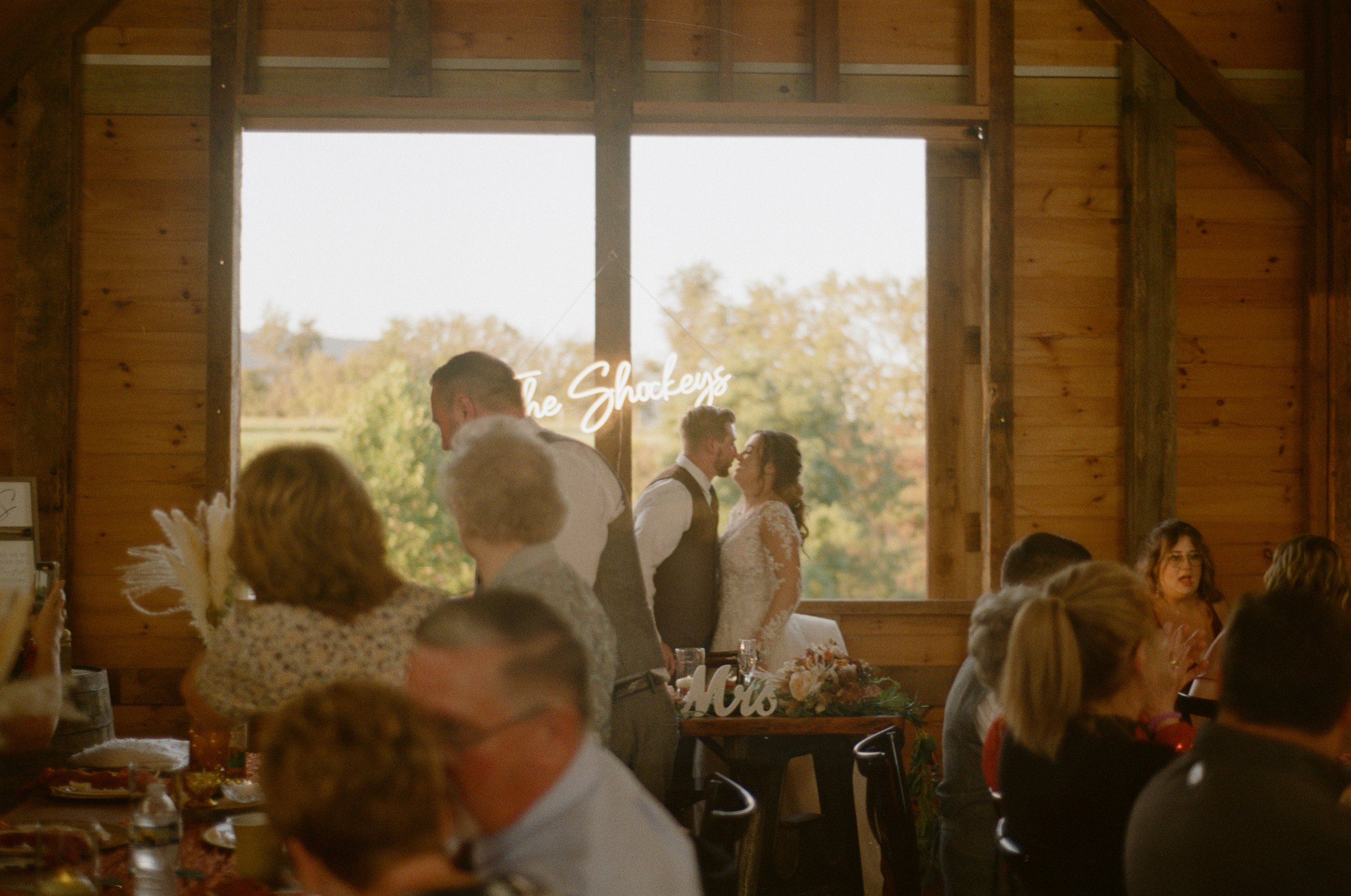
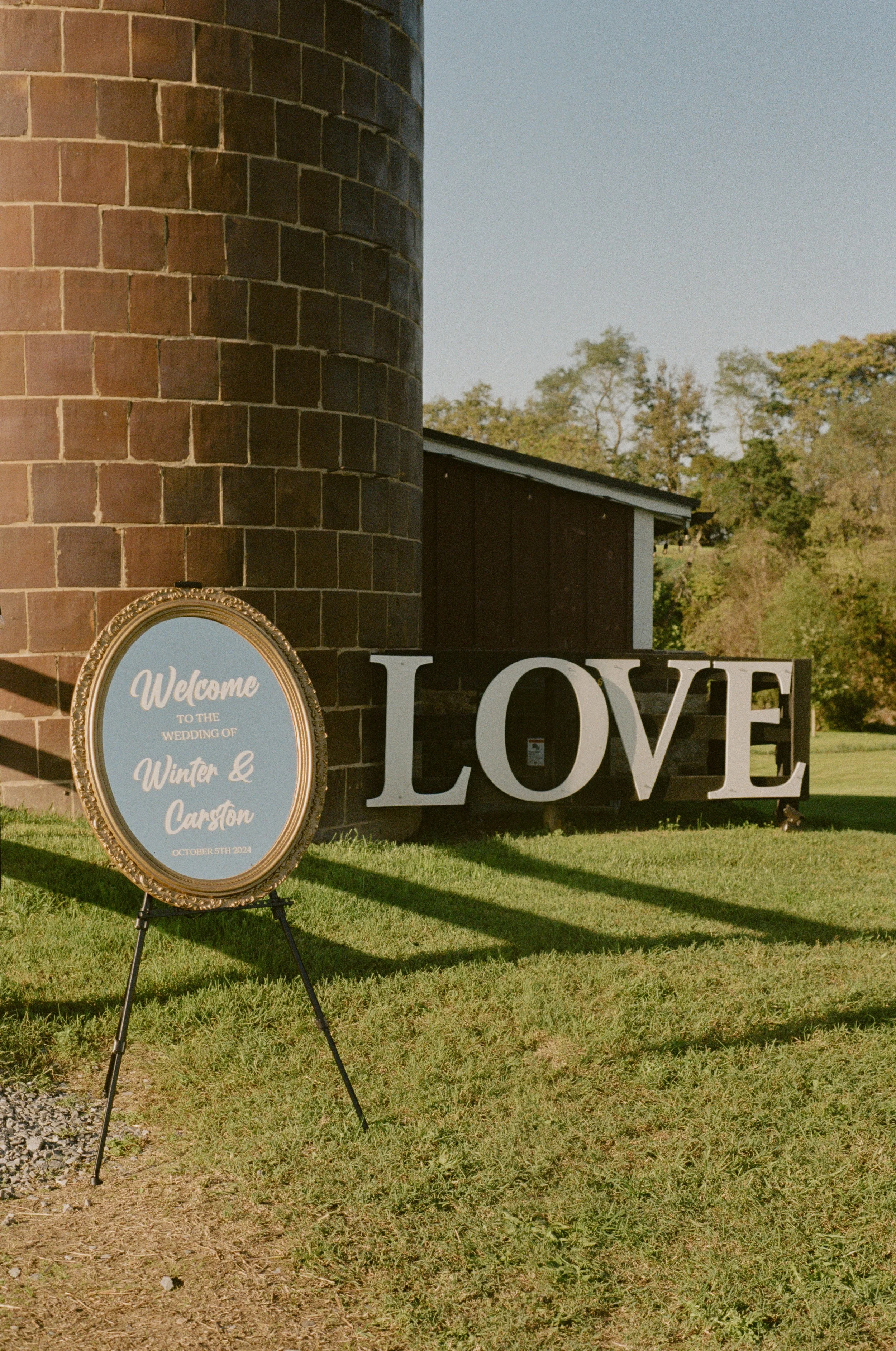
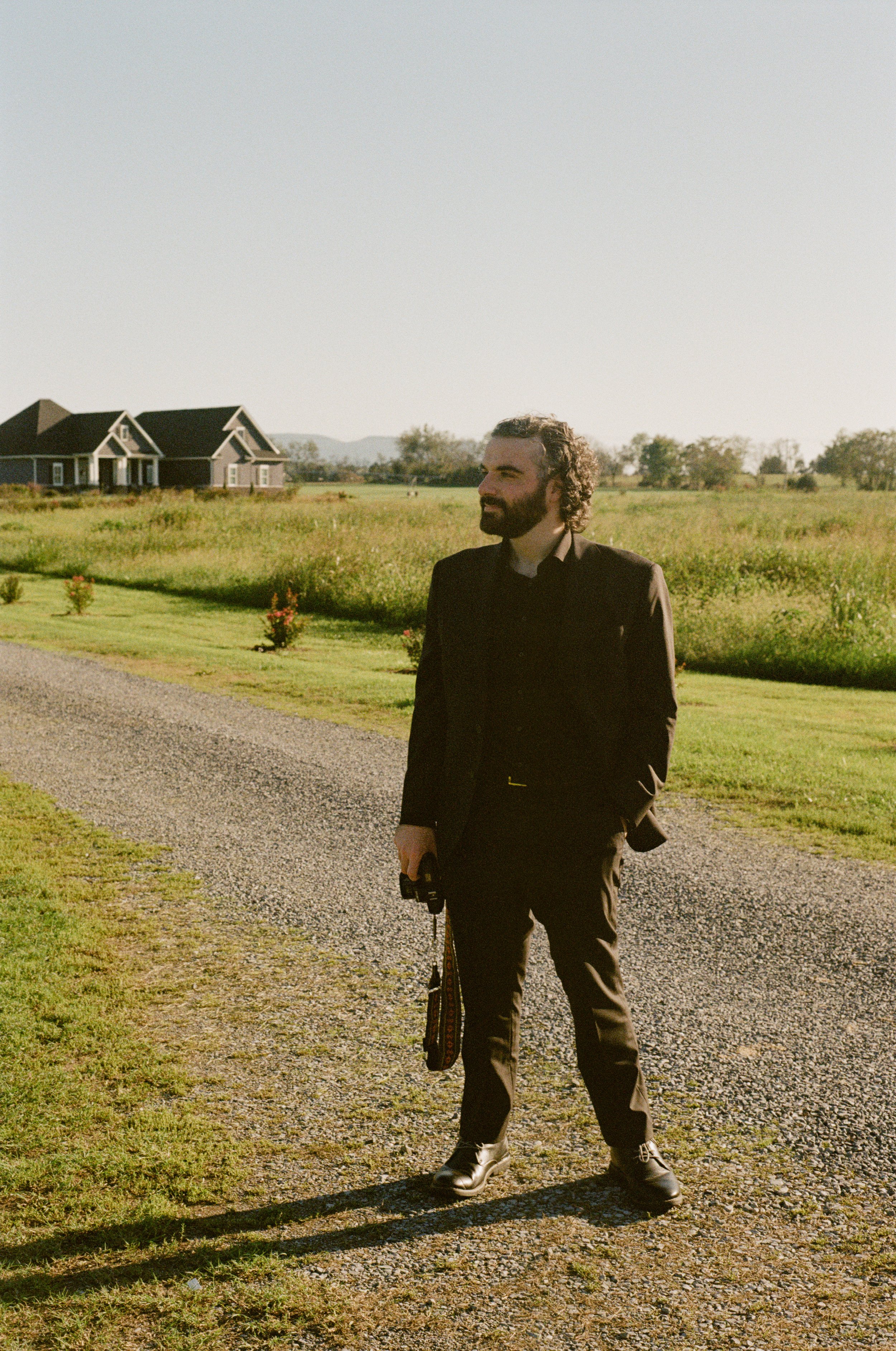
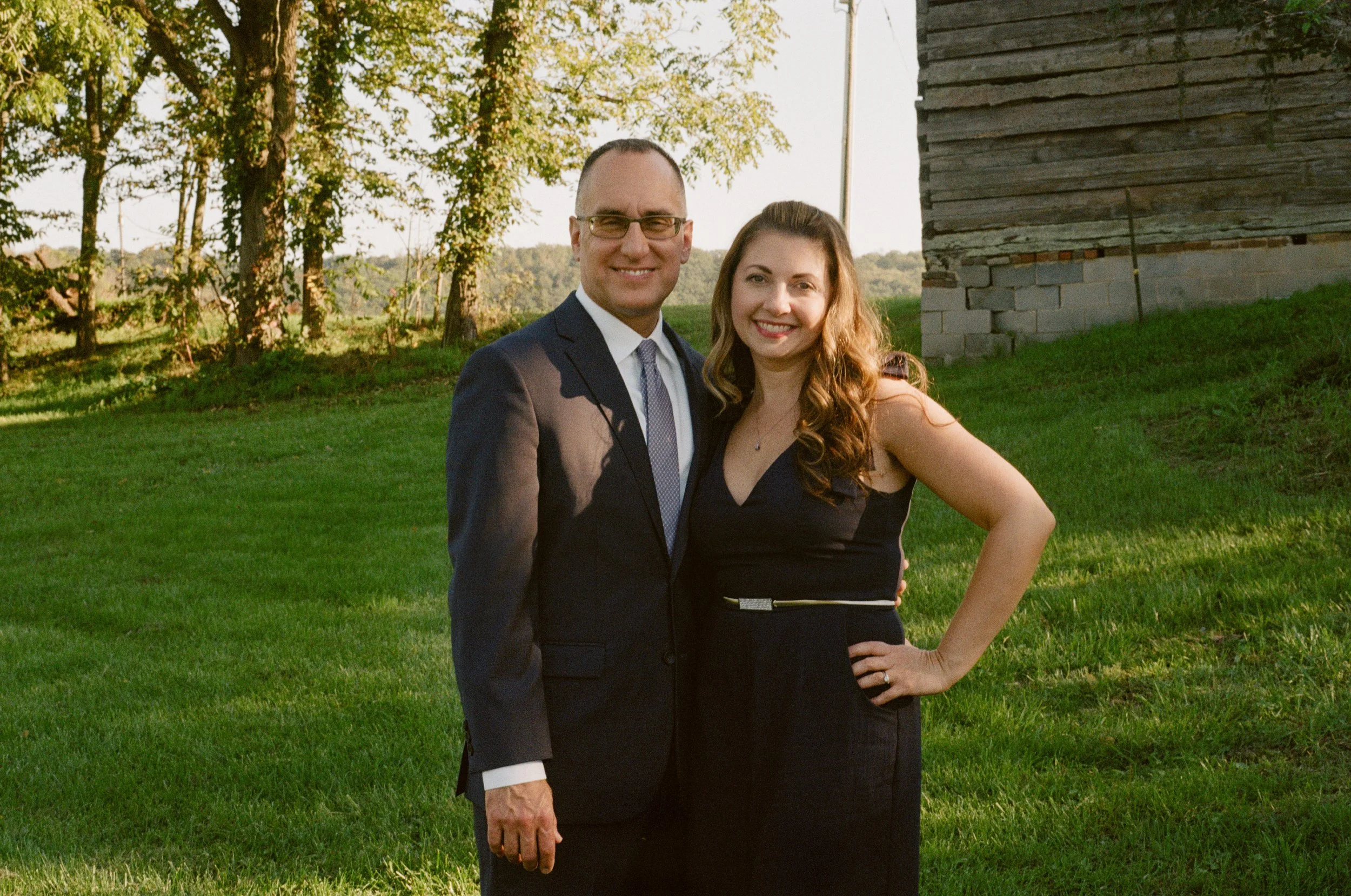
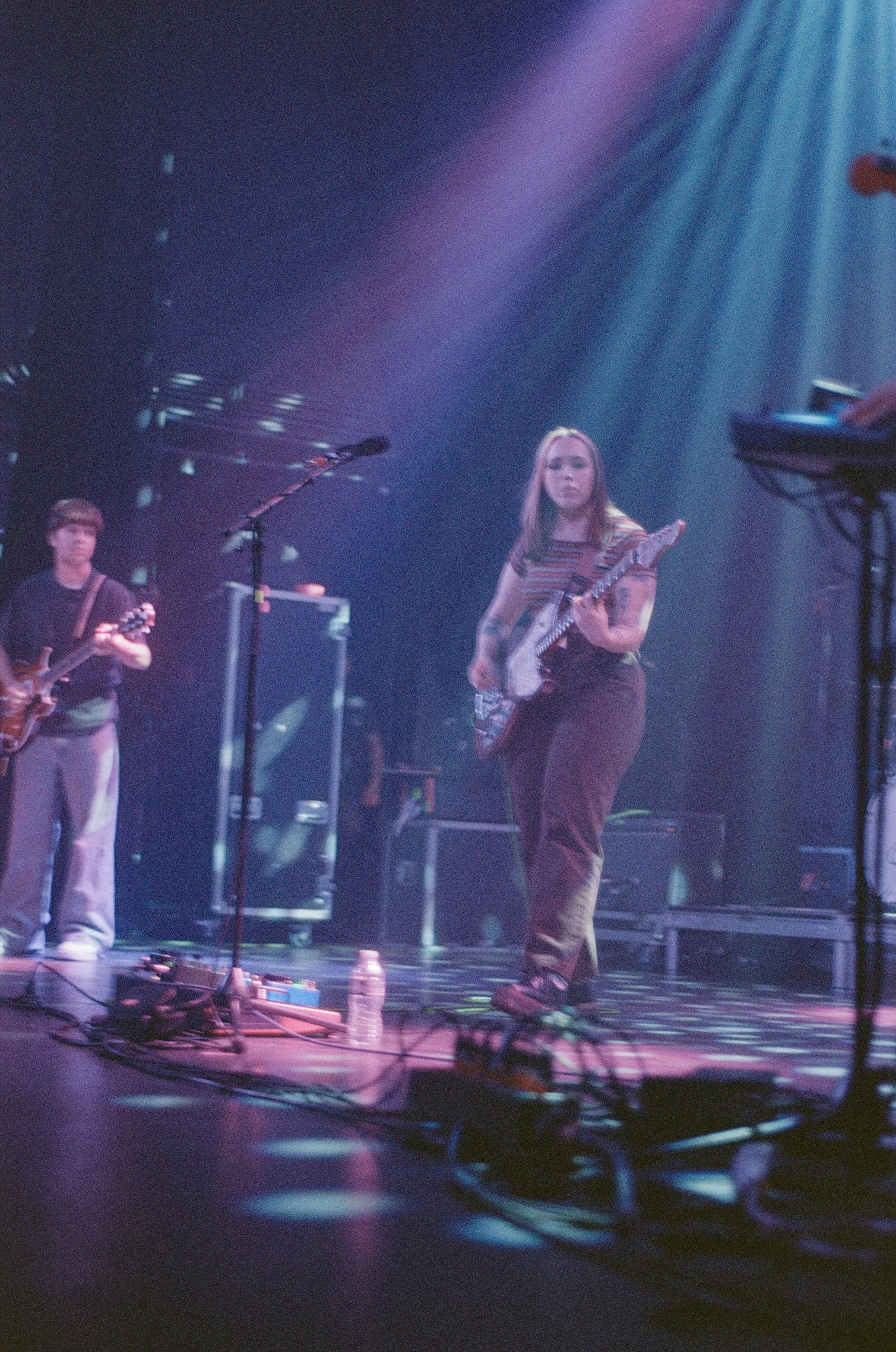
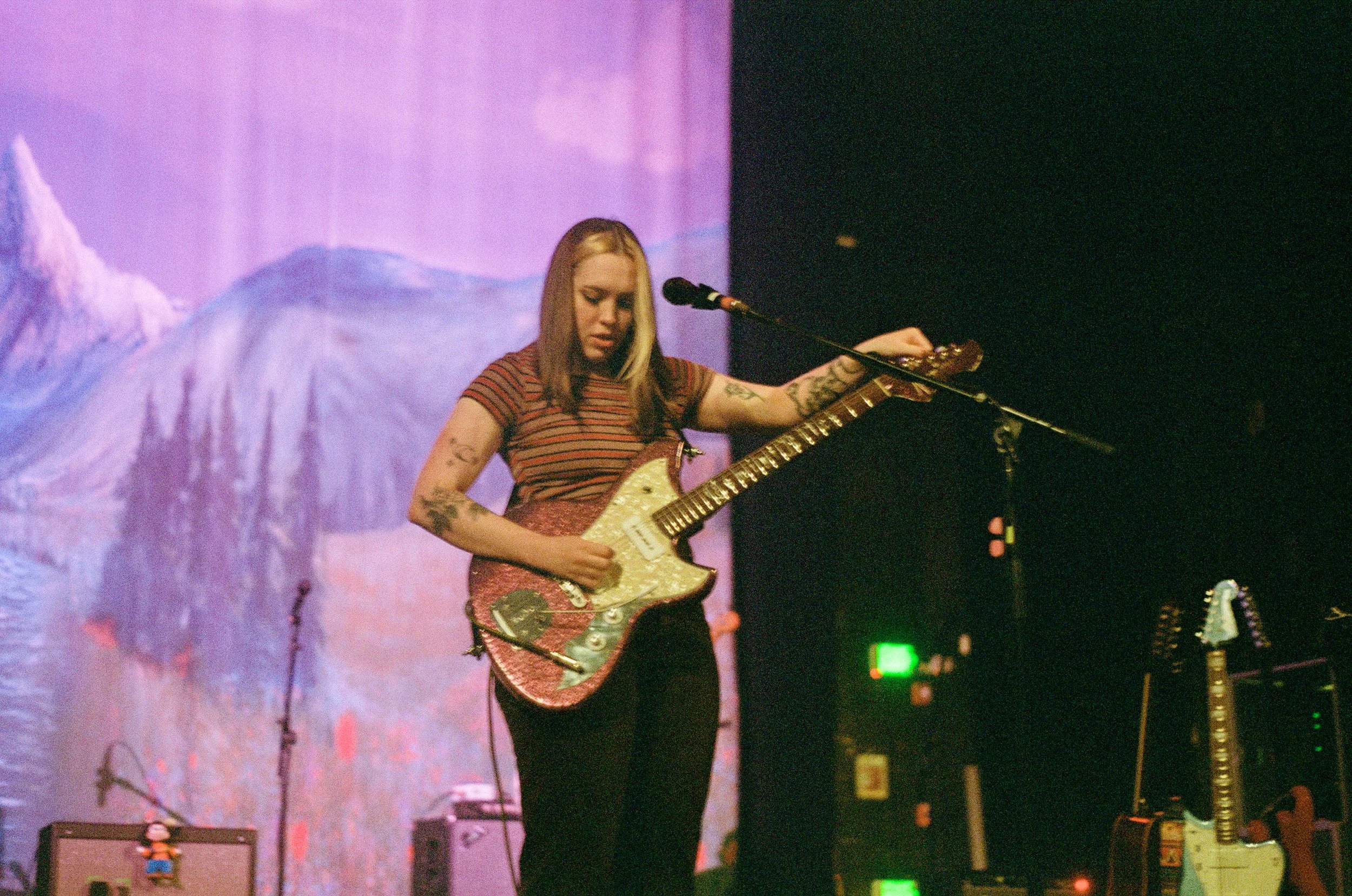
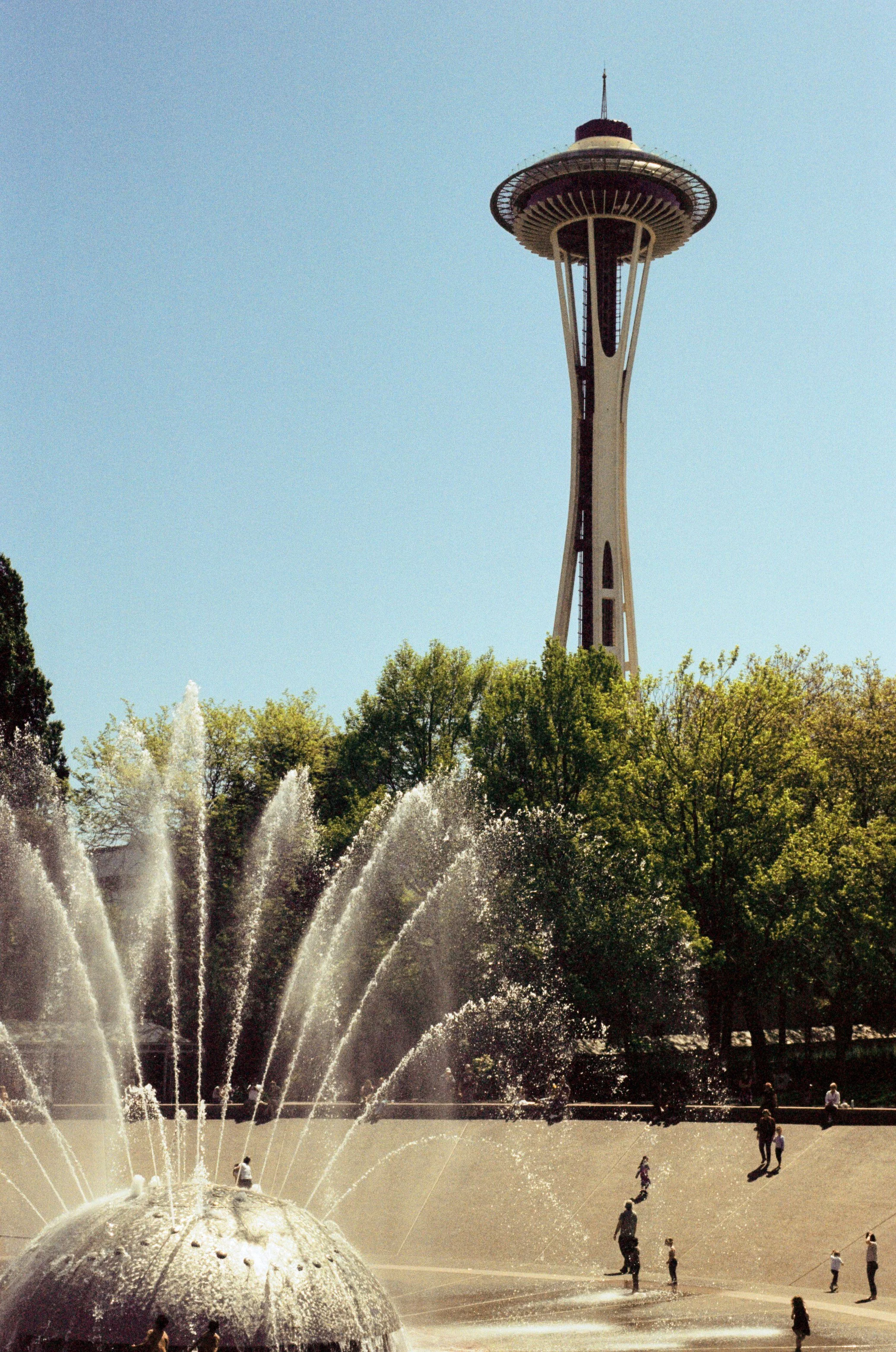
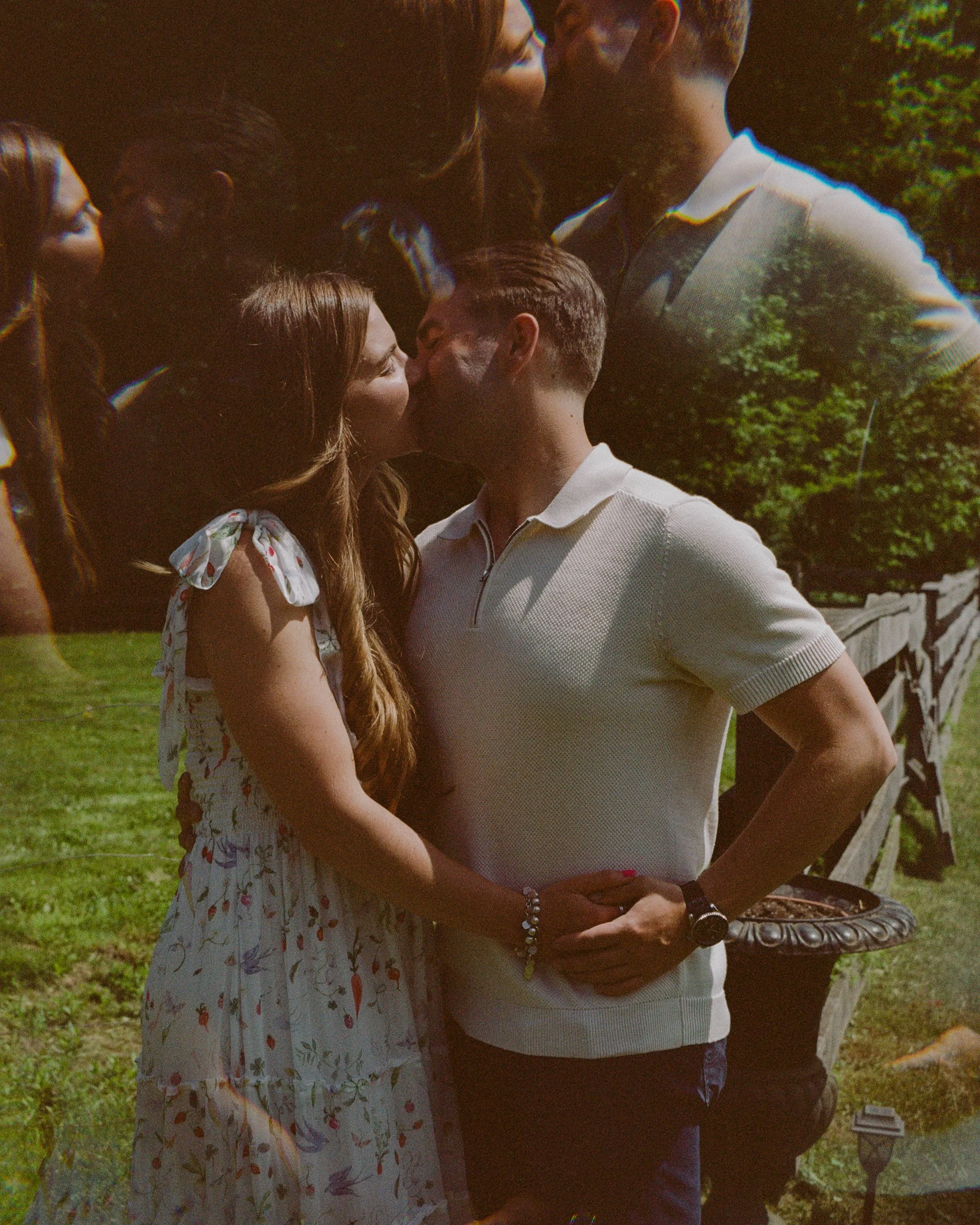
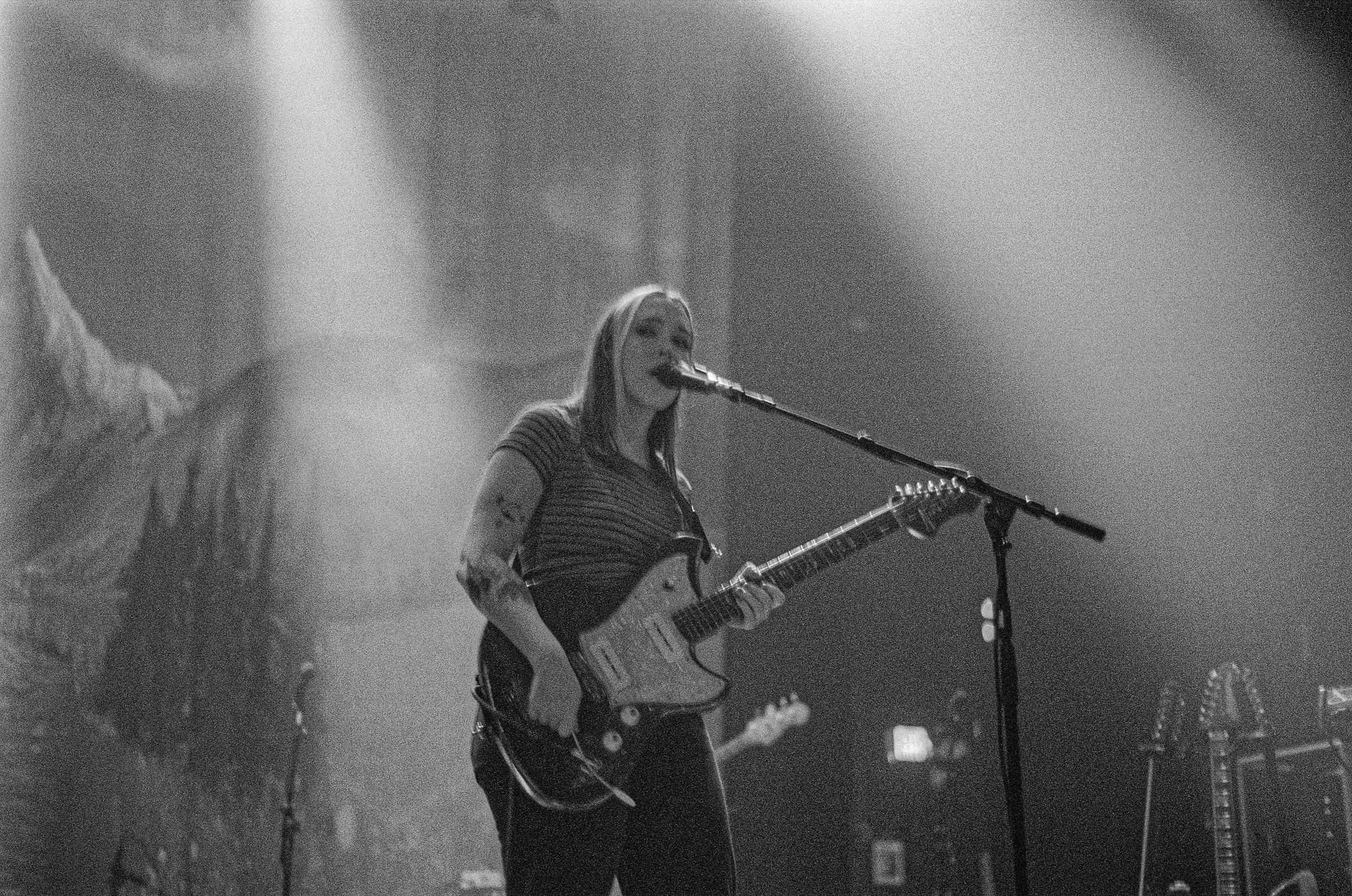
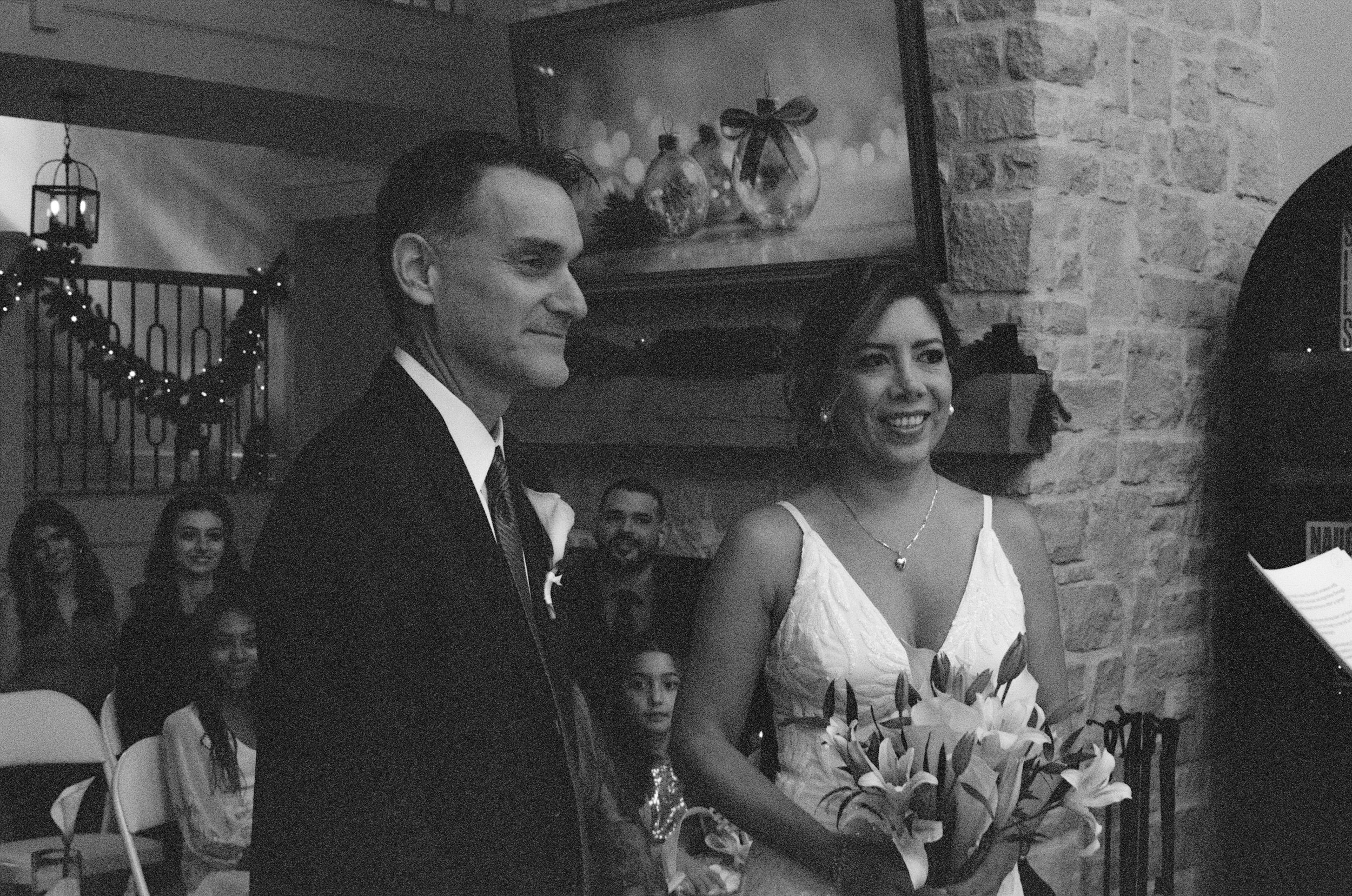
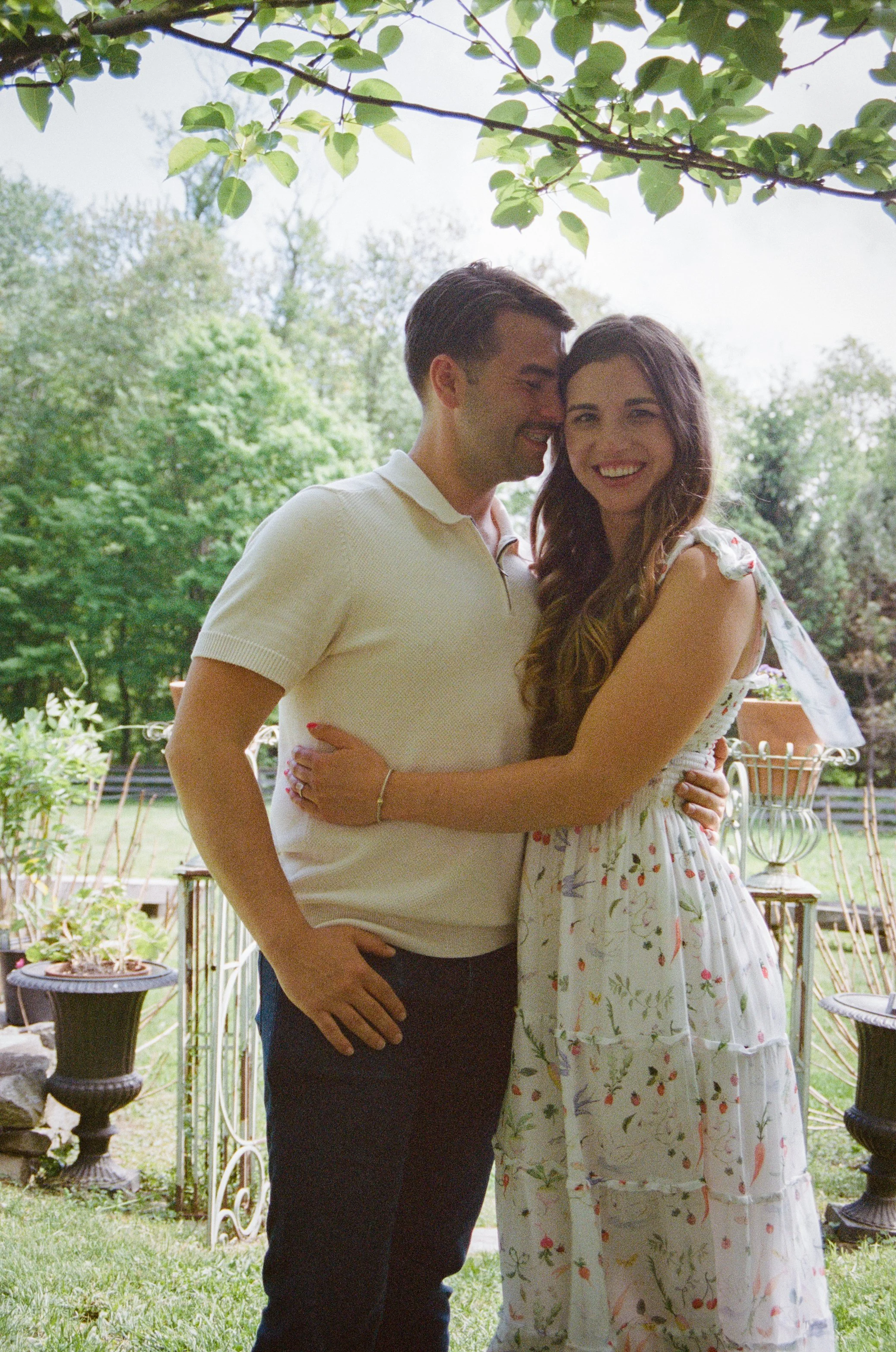
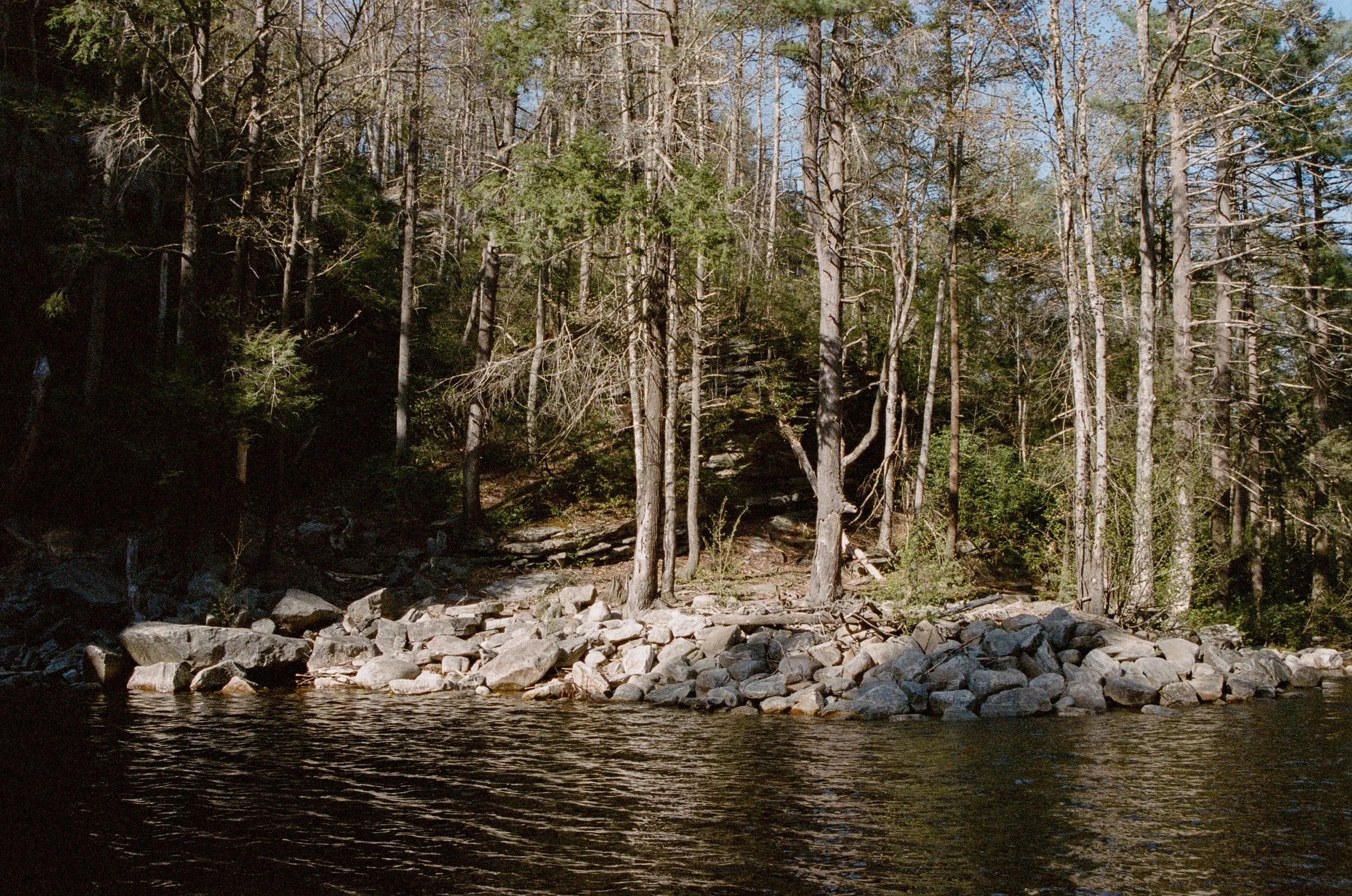
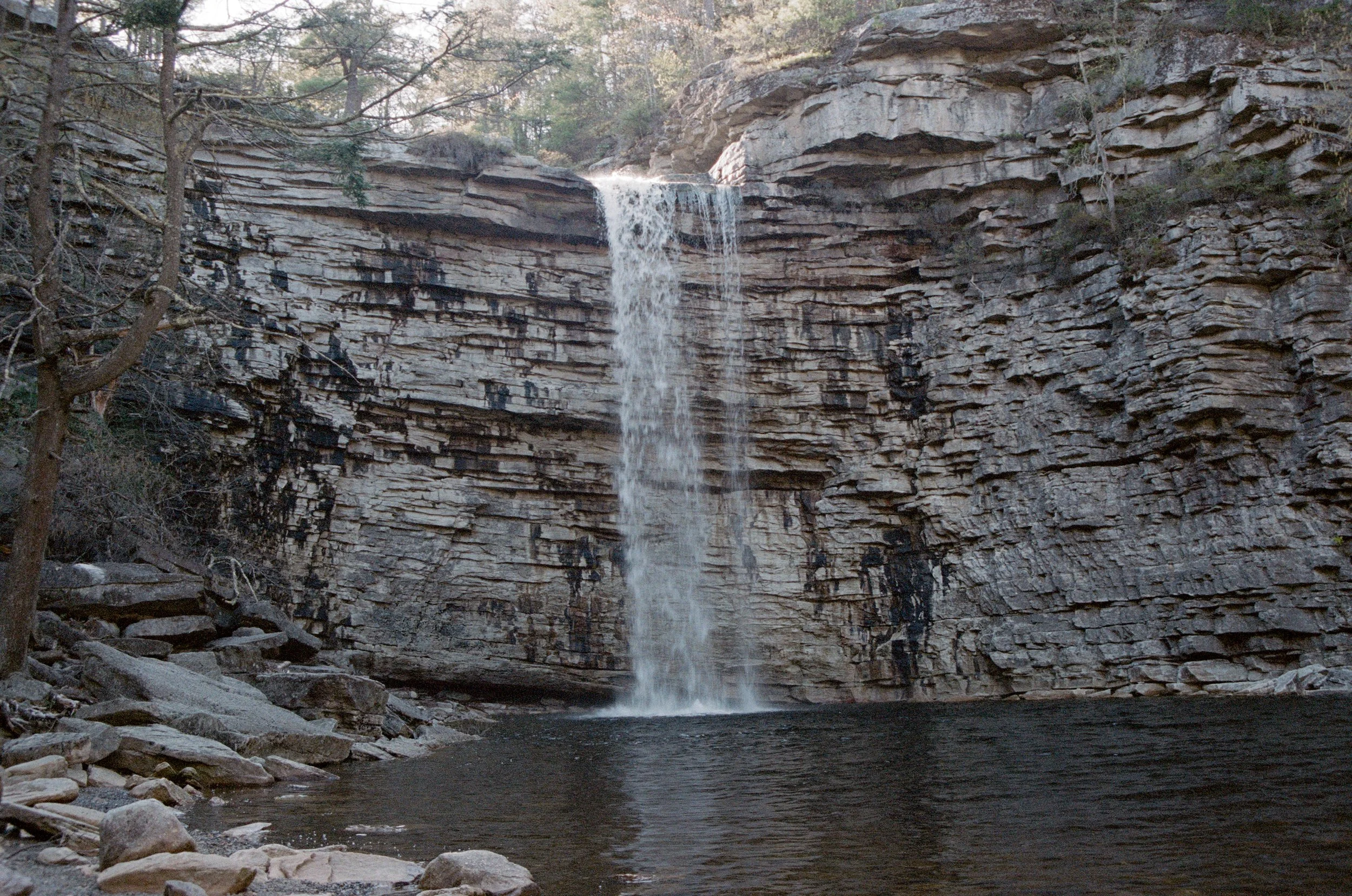
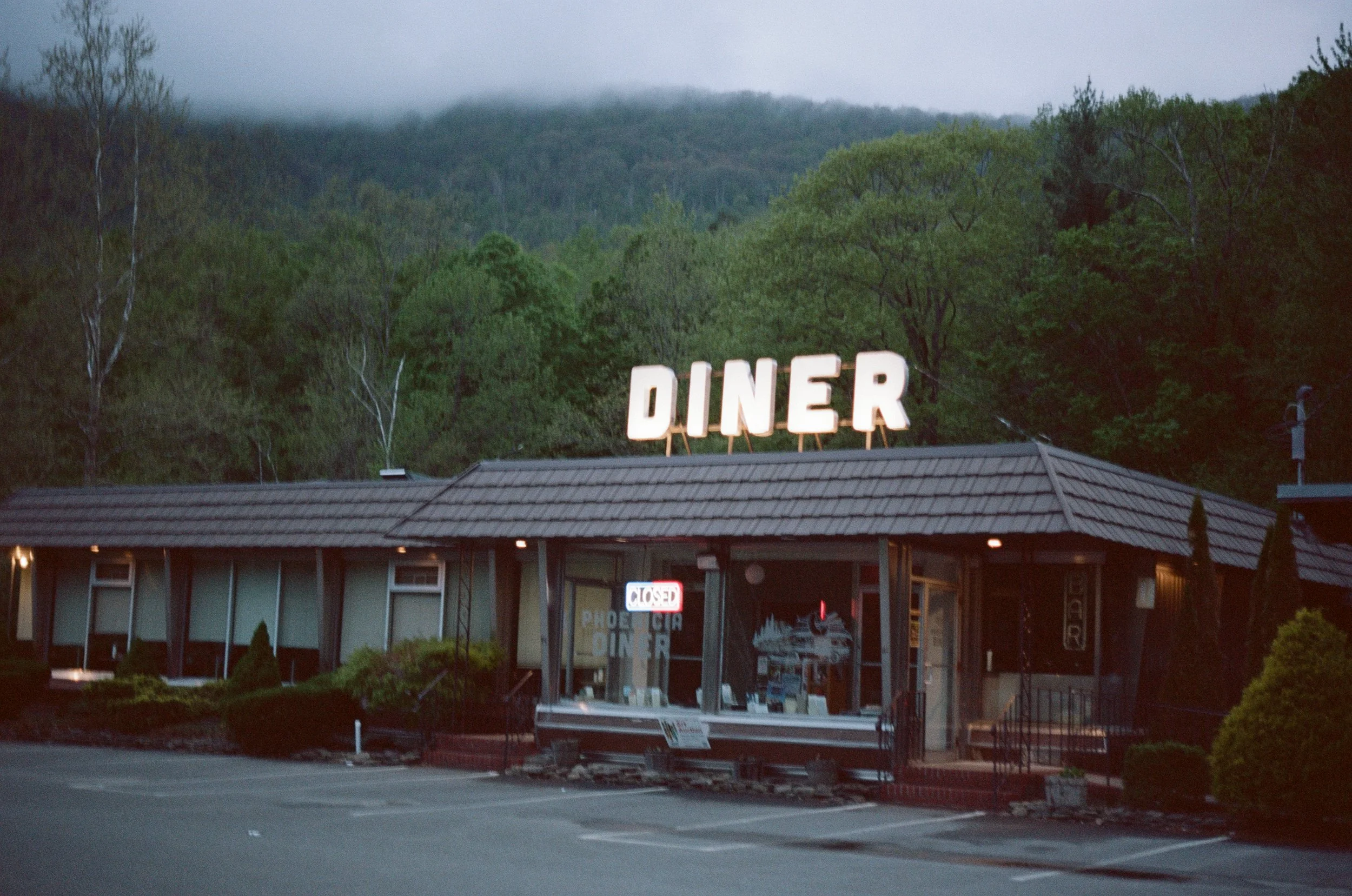

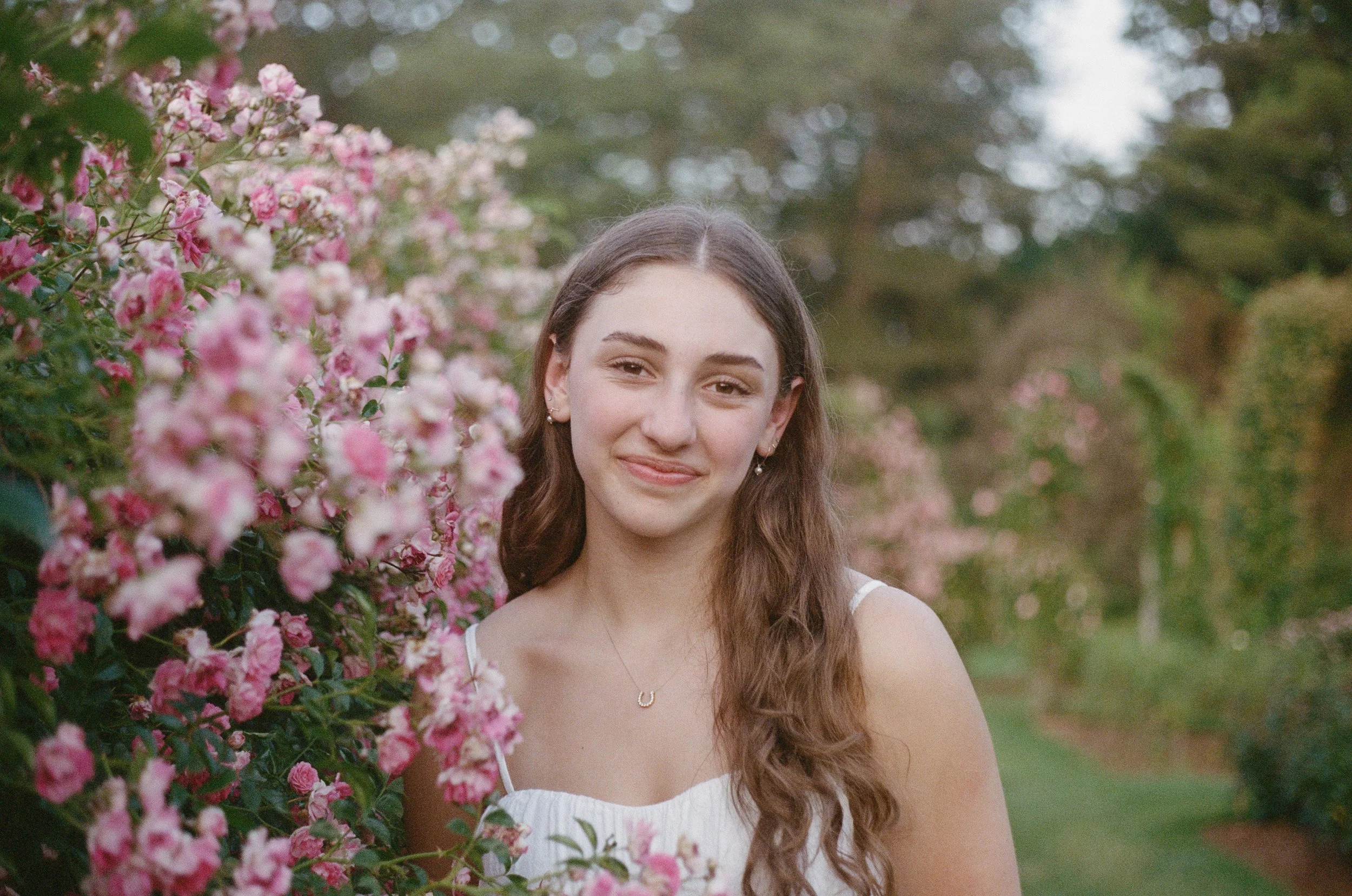
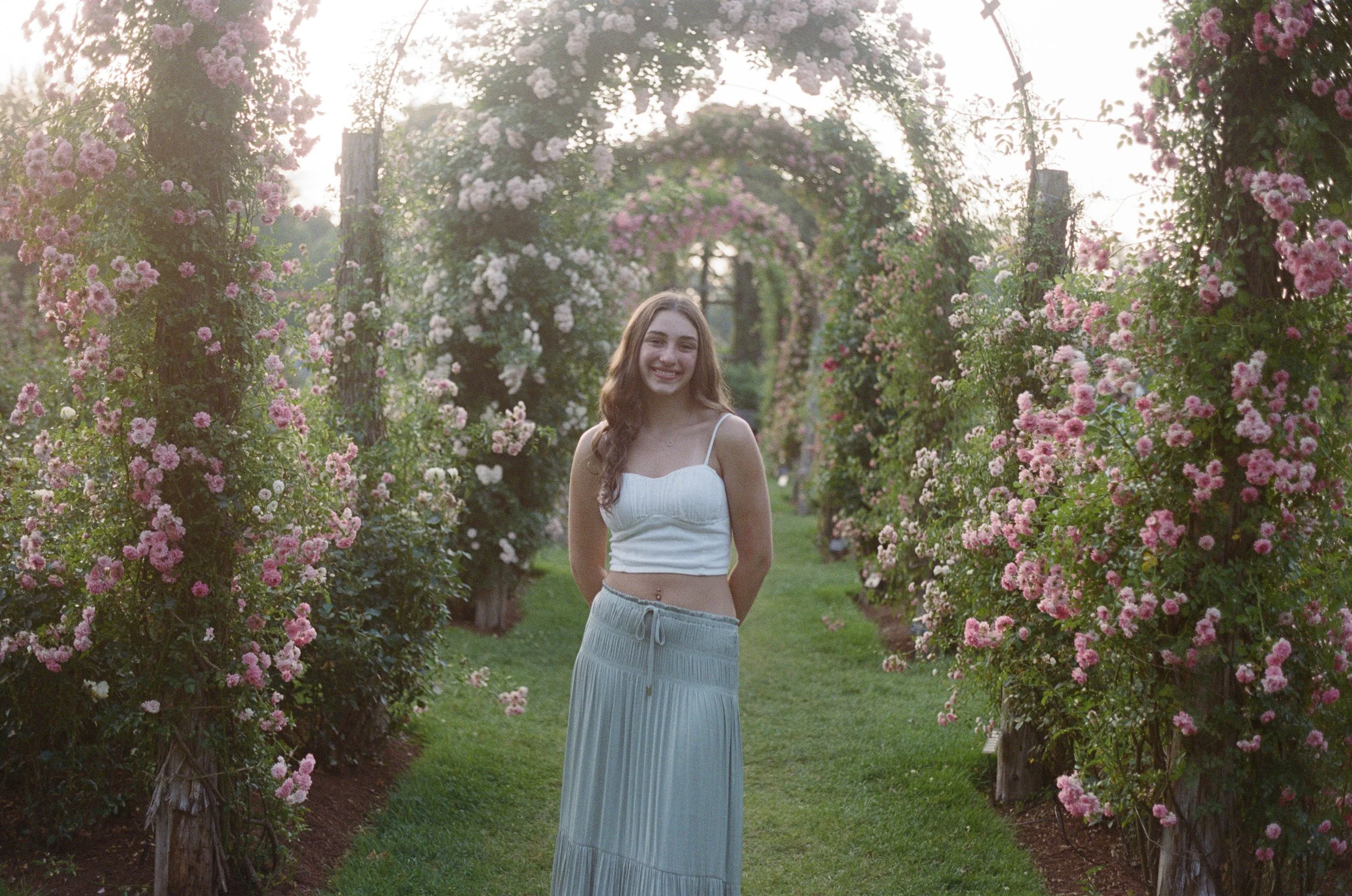



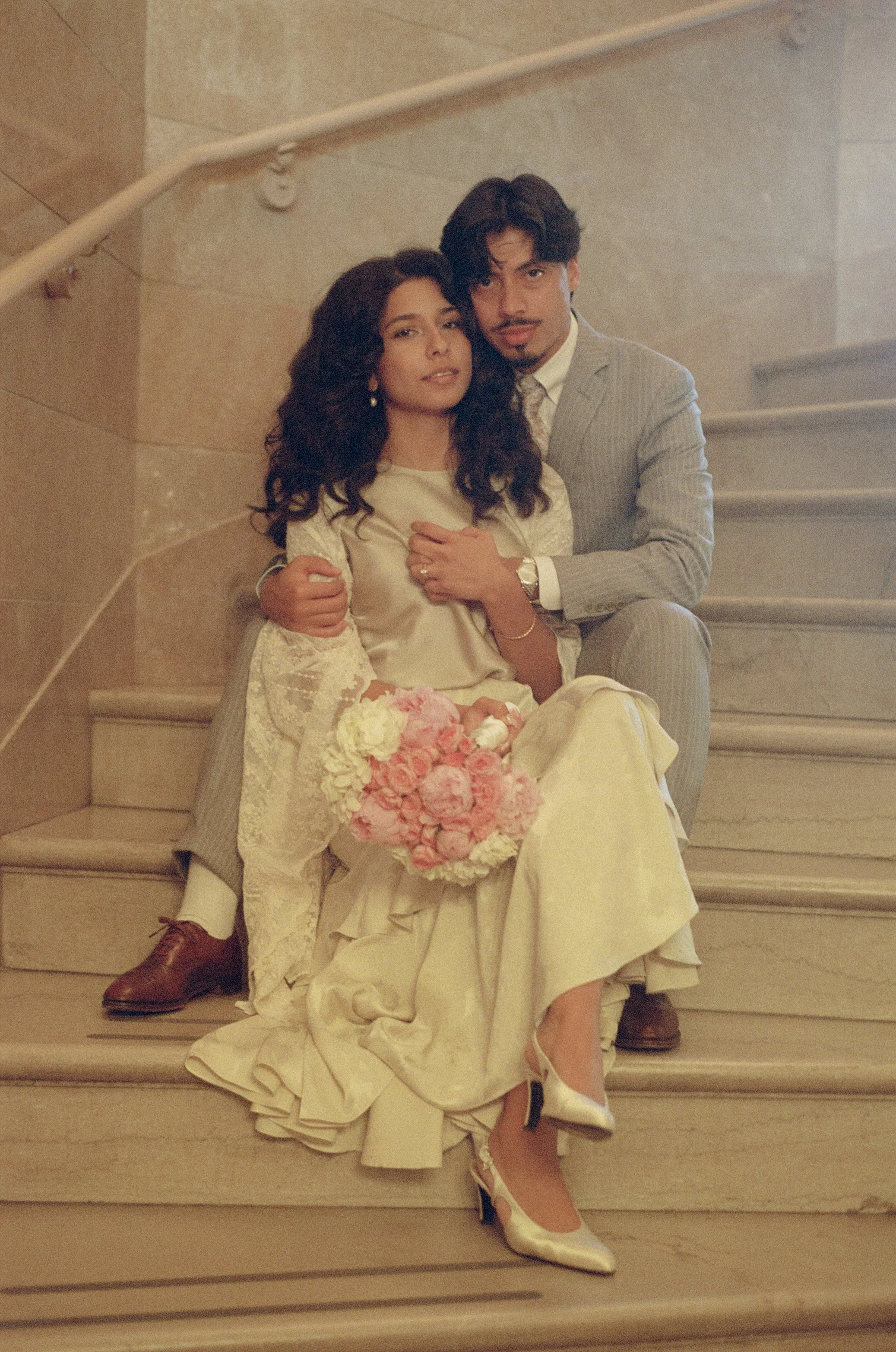
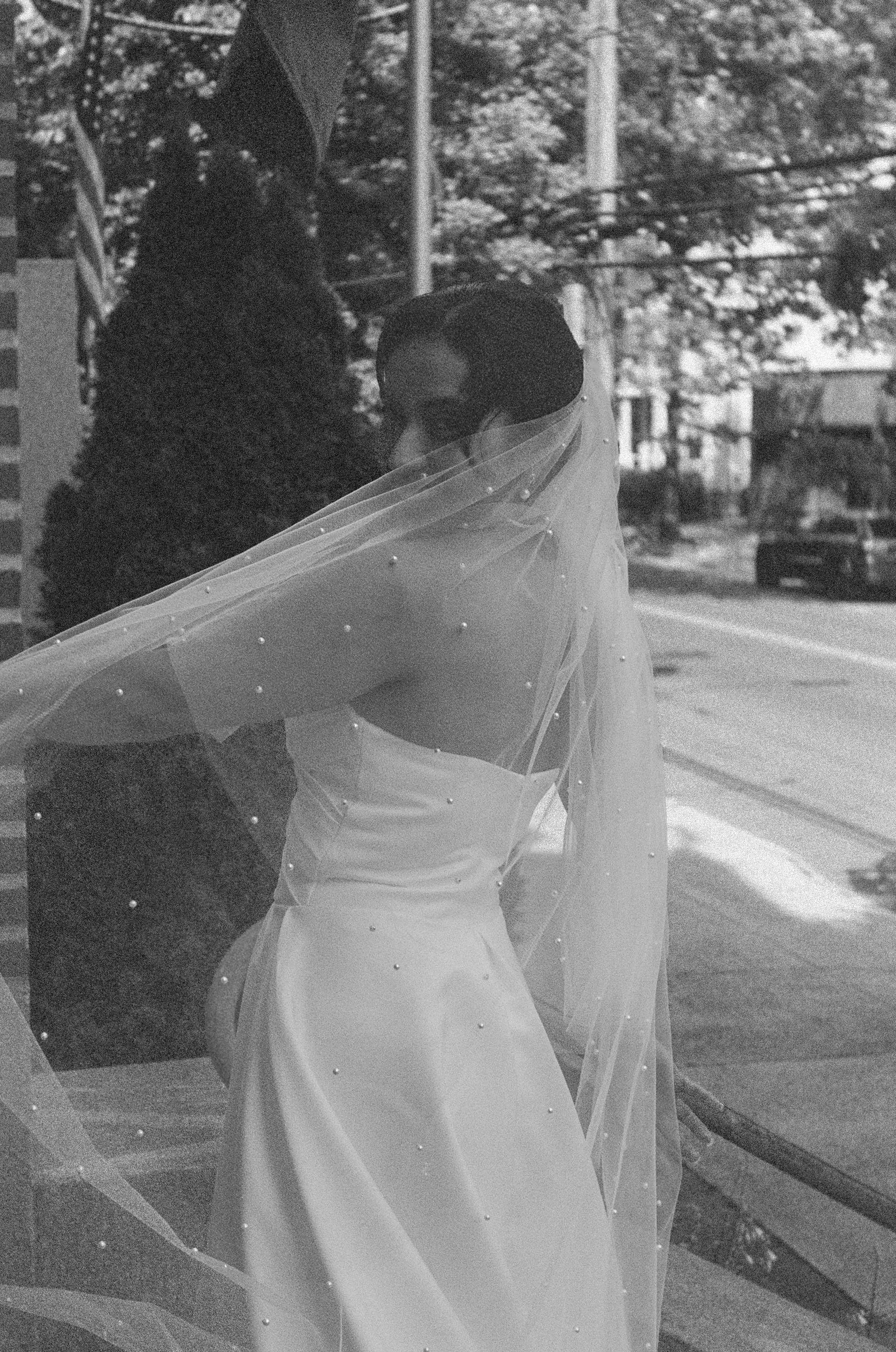
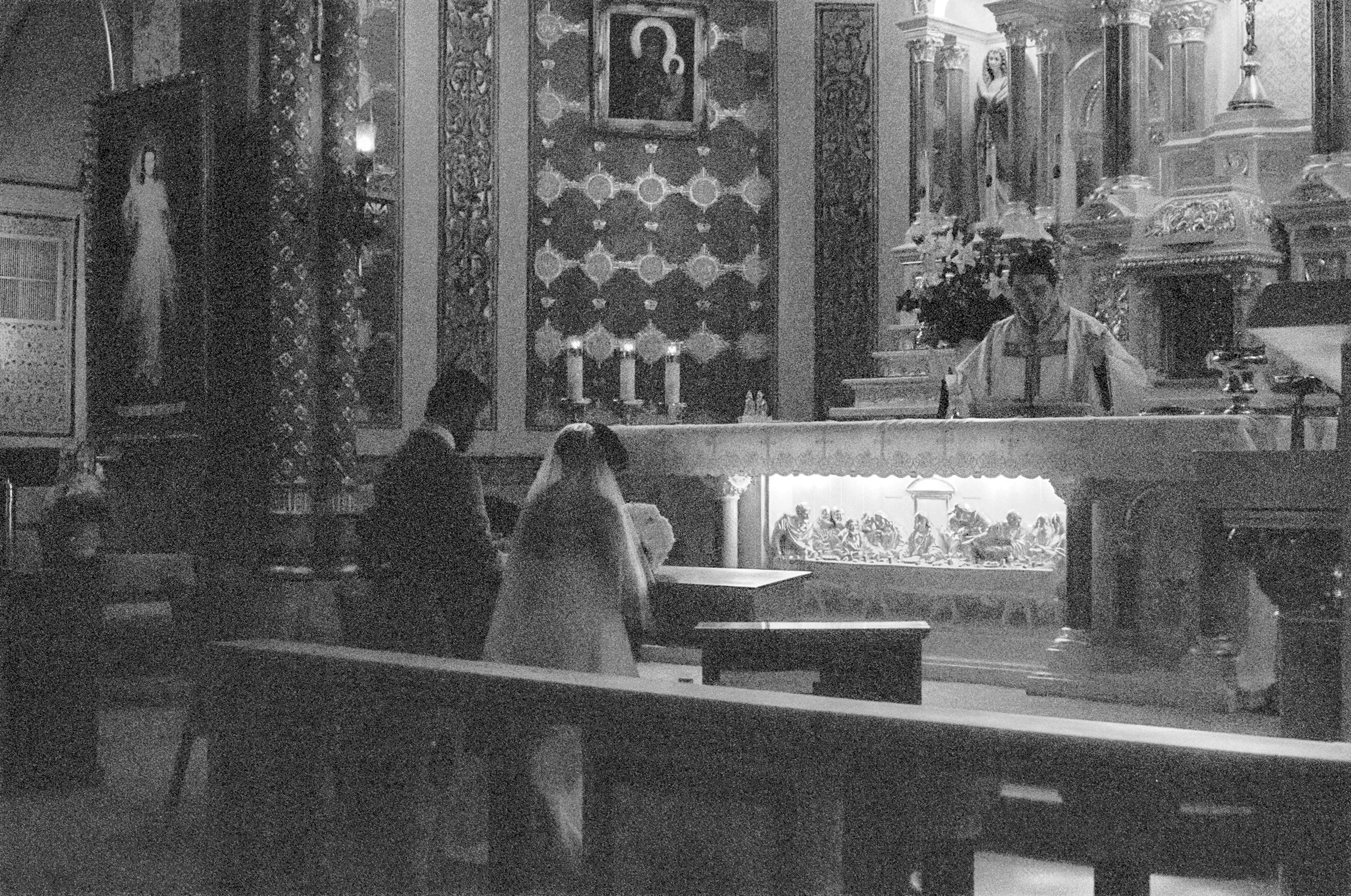
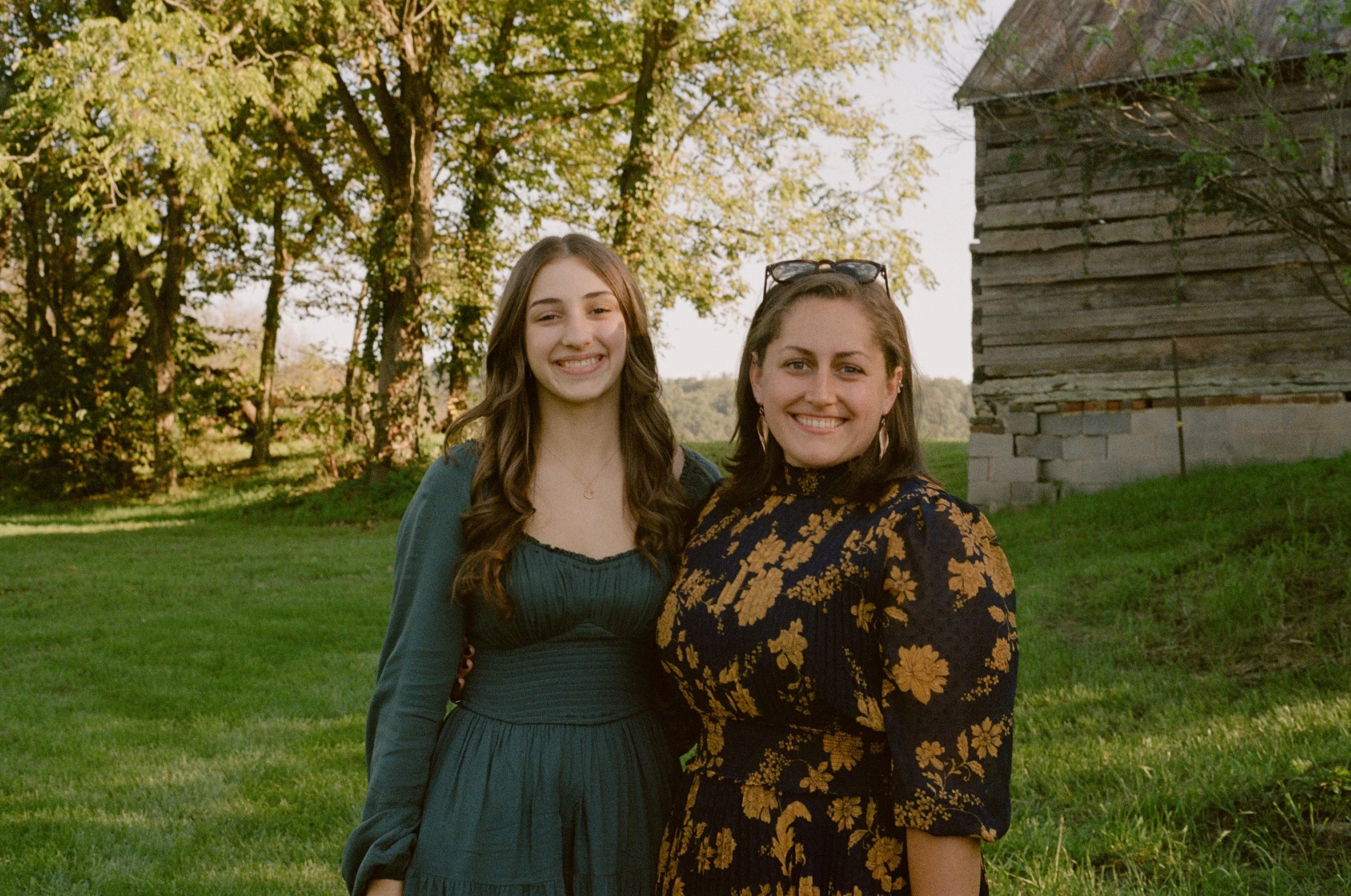
35mm Film Wigglegrams: 3D Wedding Photography
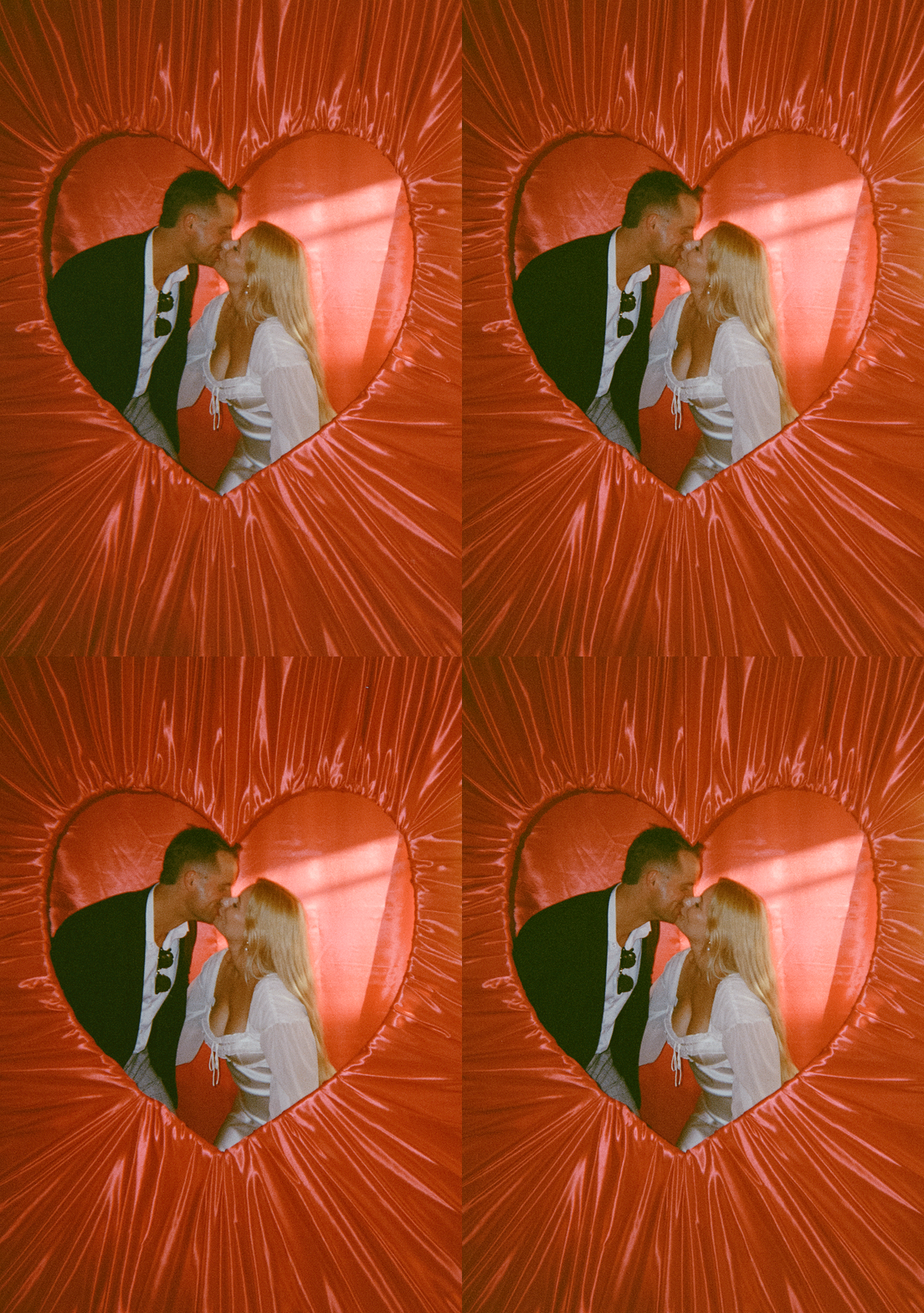
Wigglegrams are created using a 3D film camera with three lenses. A form of stereoscopic photography, the camera captures the same moment from 3 slightly different perspectives on 35mm film. I then stitch the frames together to create a playful illusion of depth and movement. The result is a nostalgic, three-dimensional photograph that feels somewhere between a still image and a tiny piece of moving art / short video.
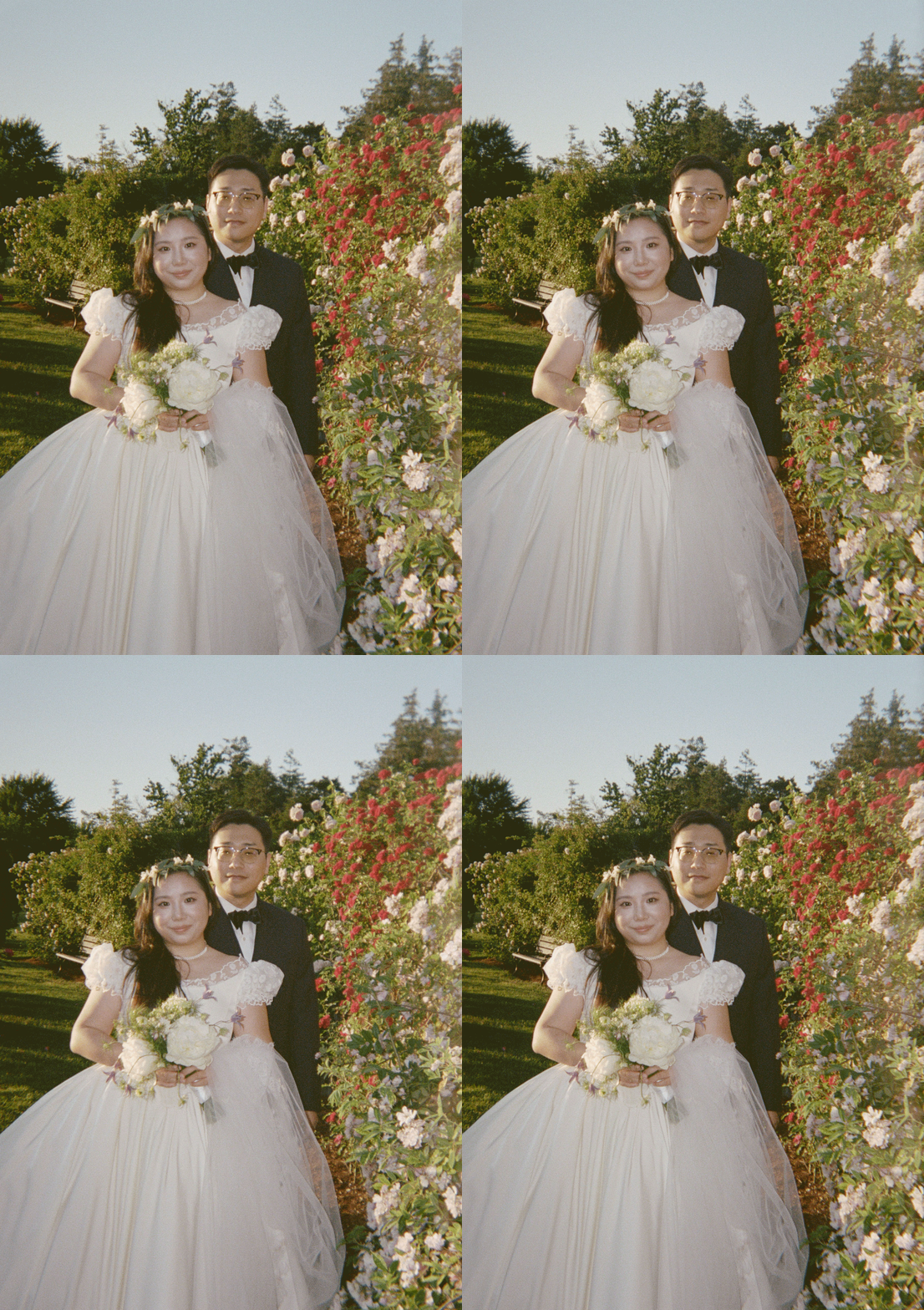
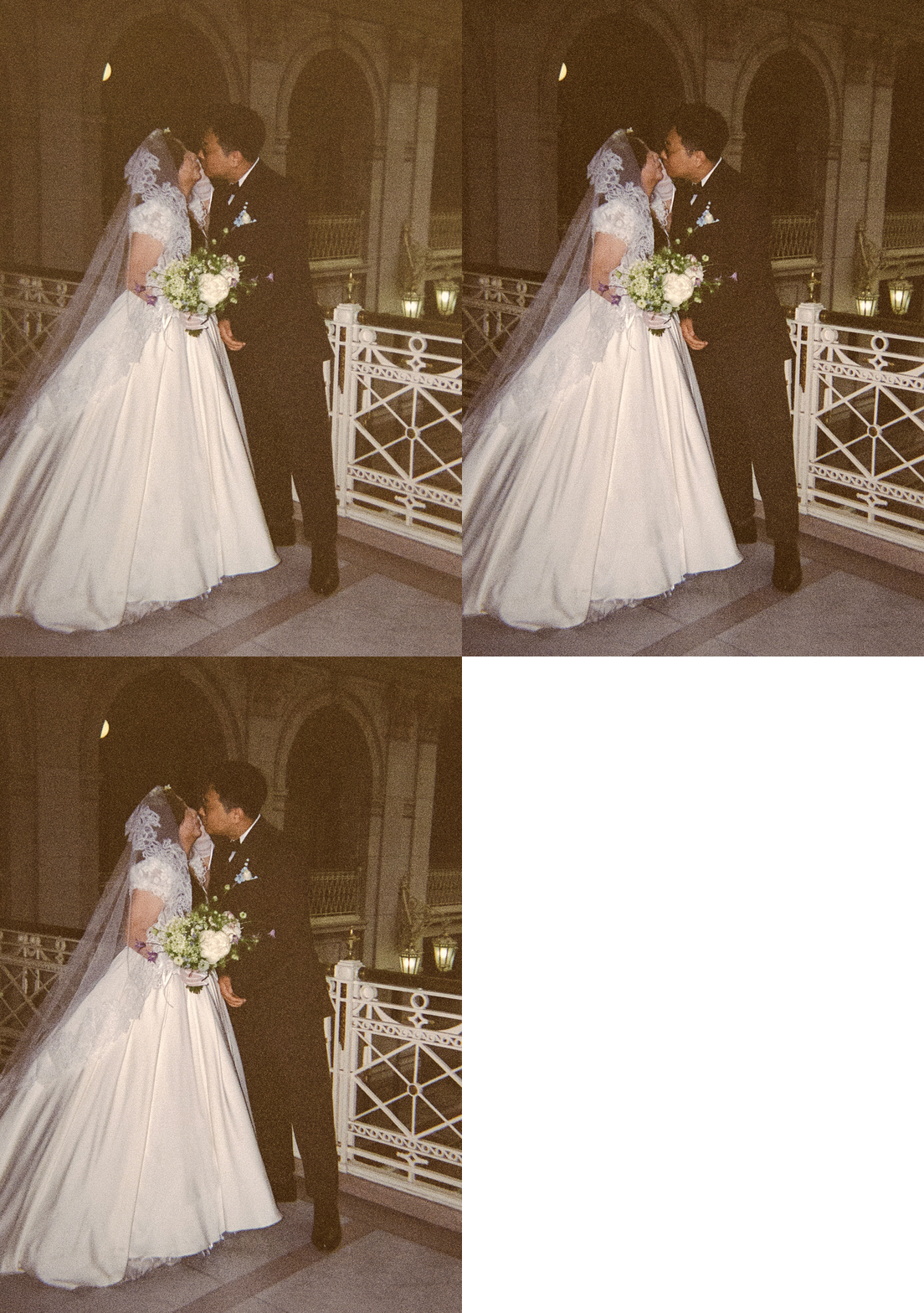
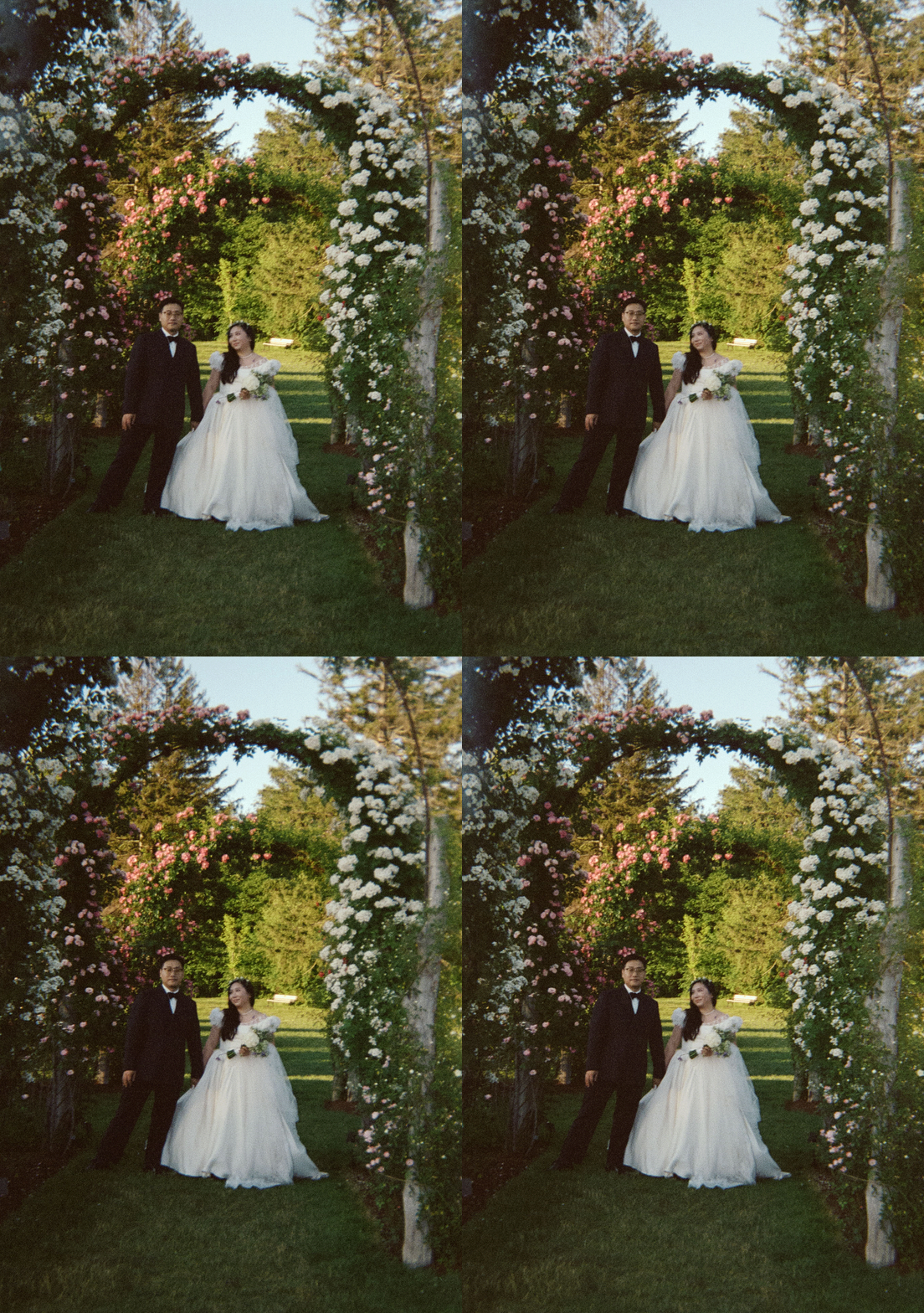
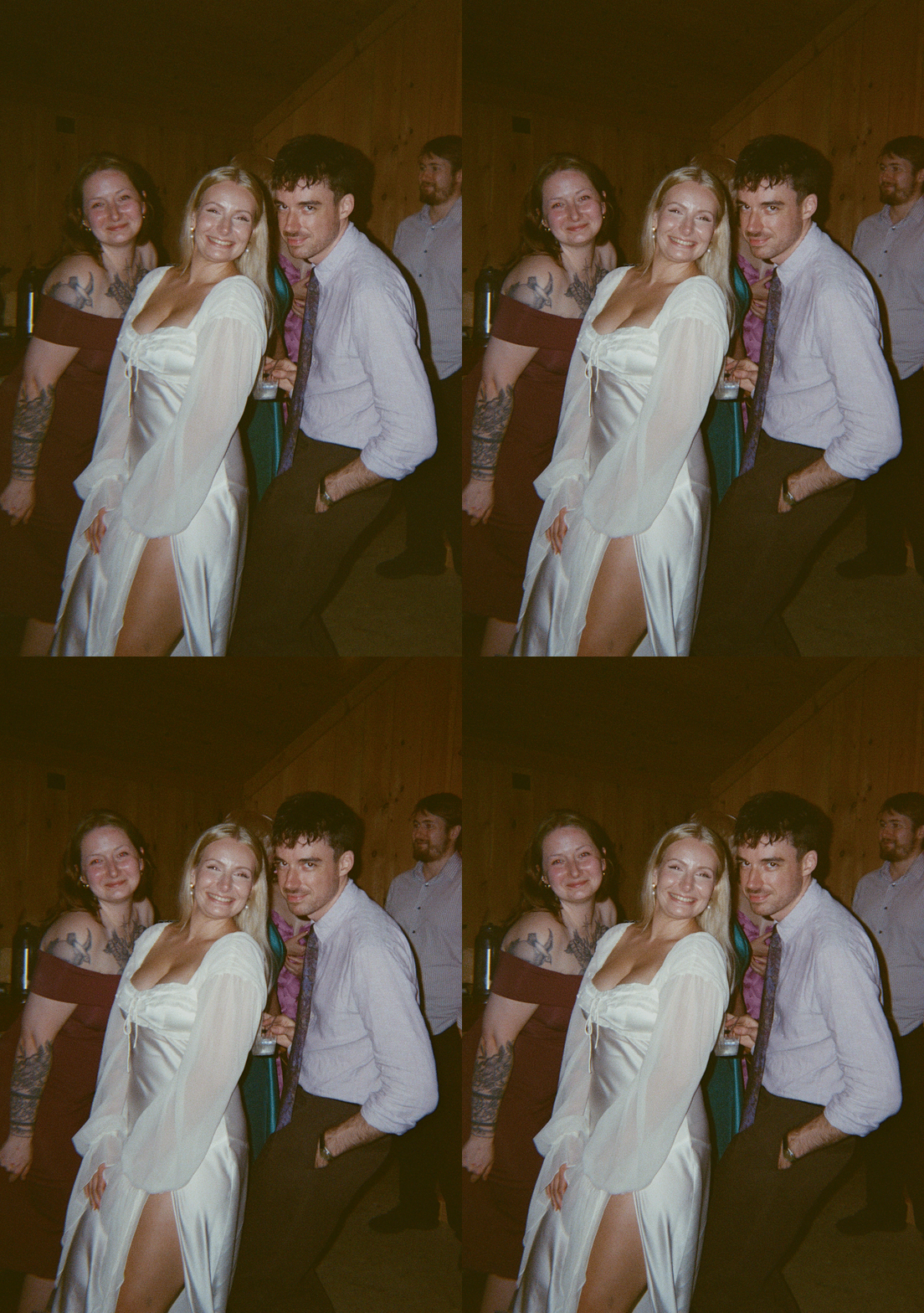
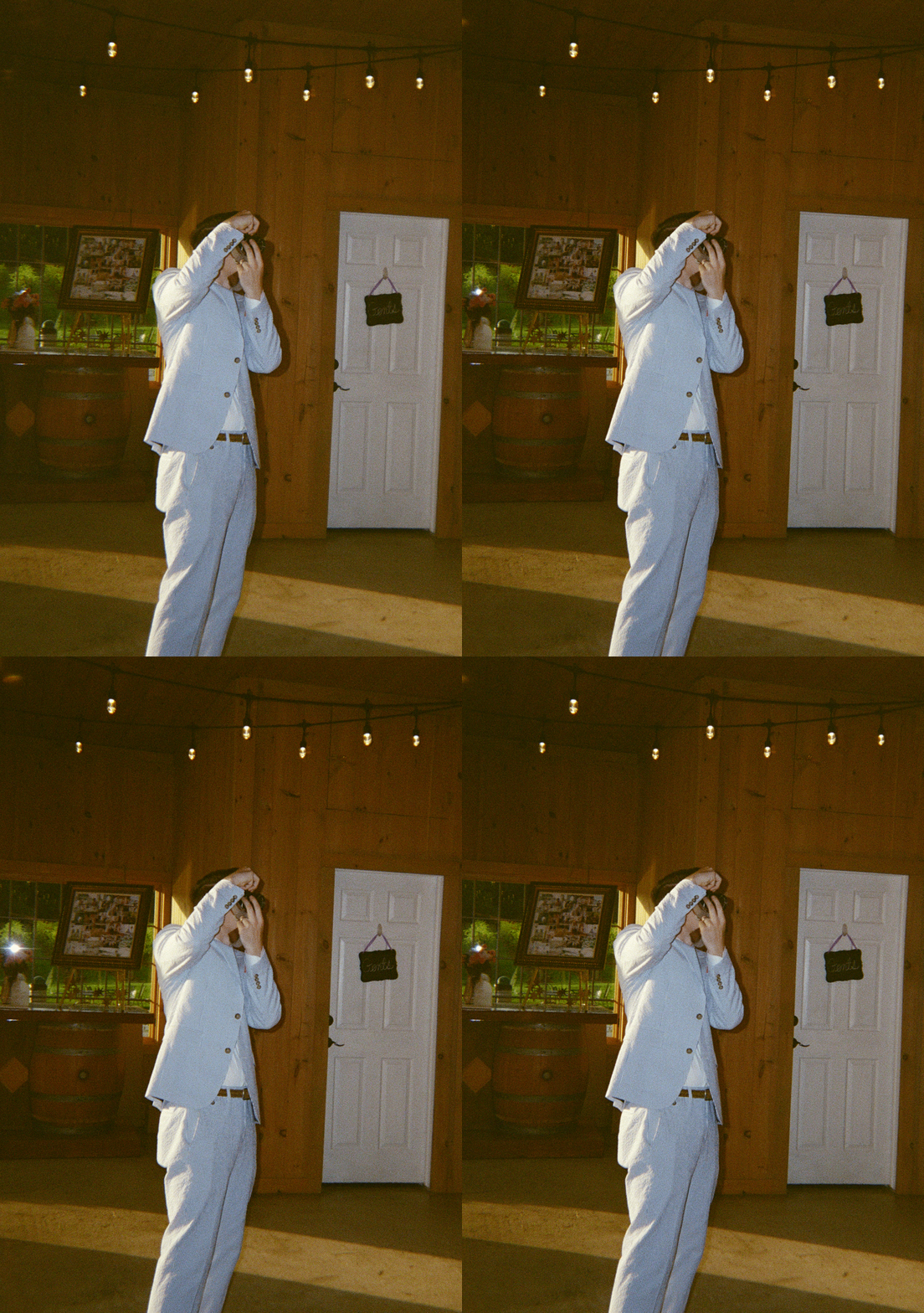
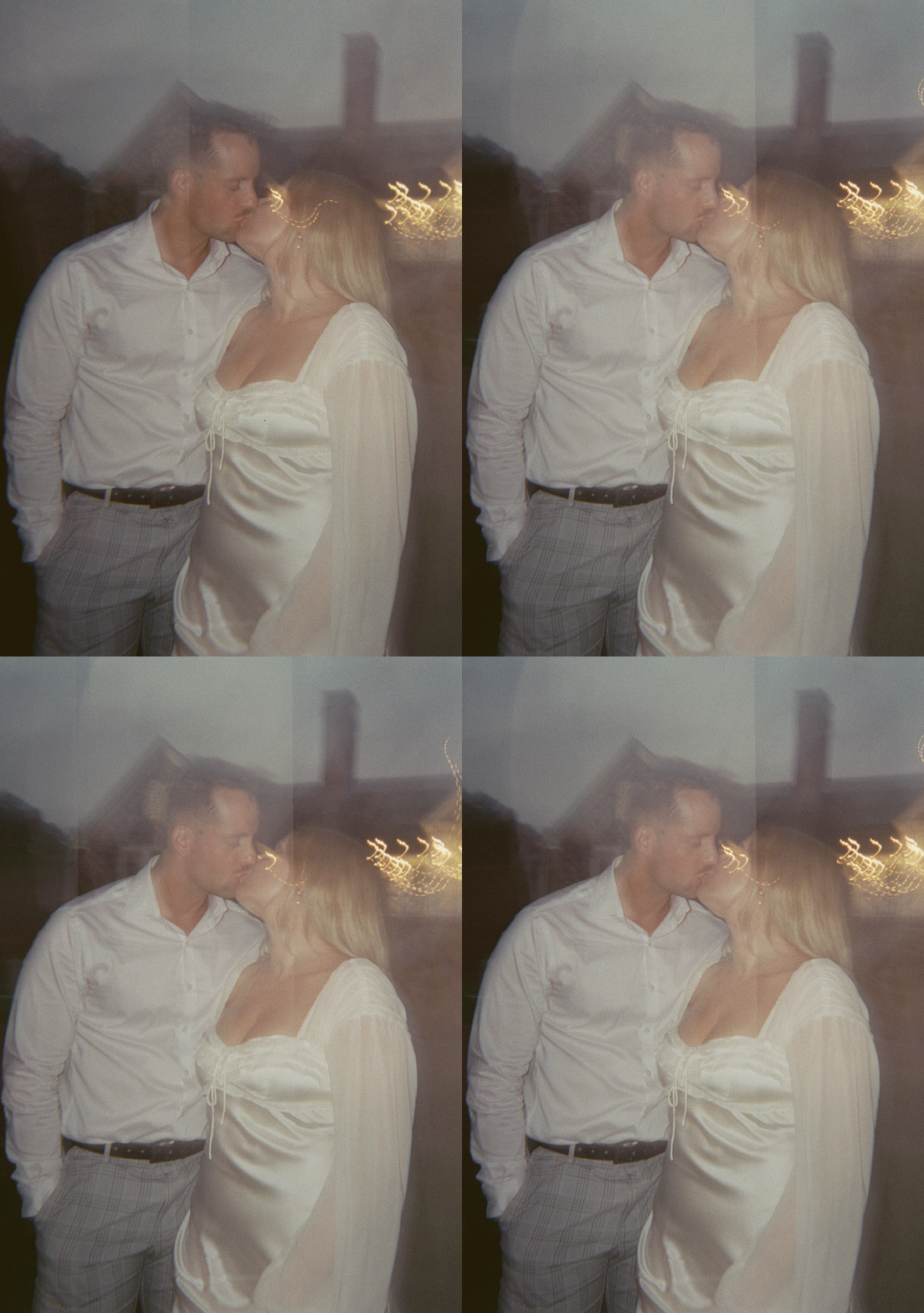
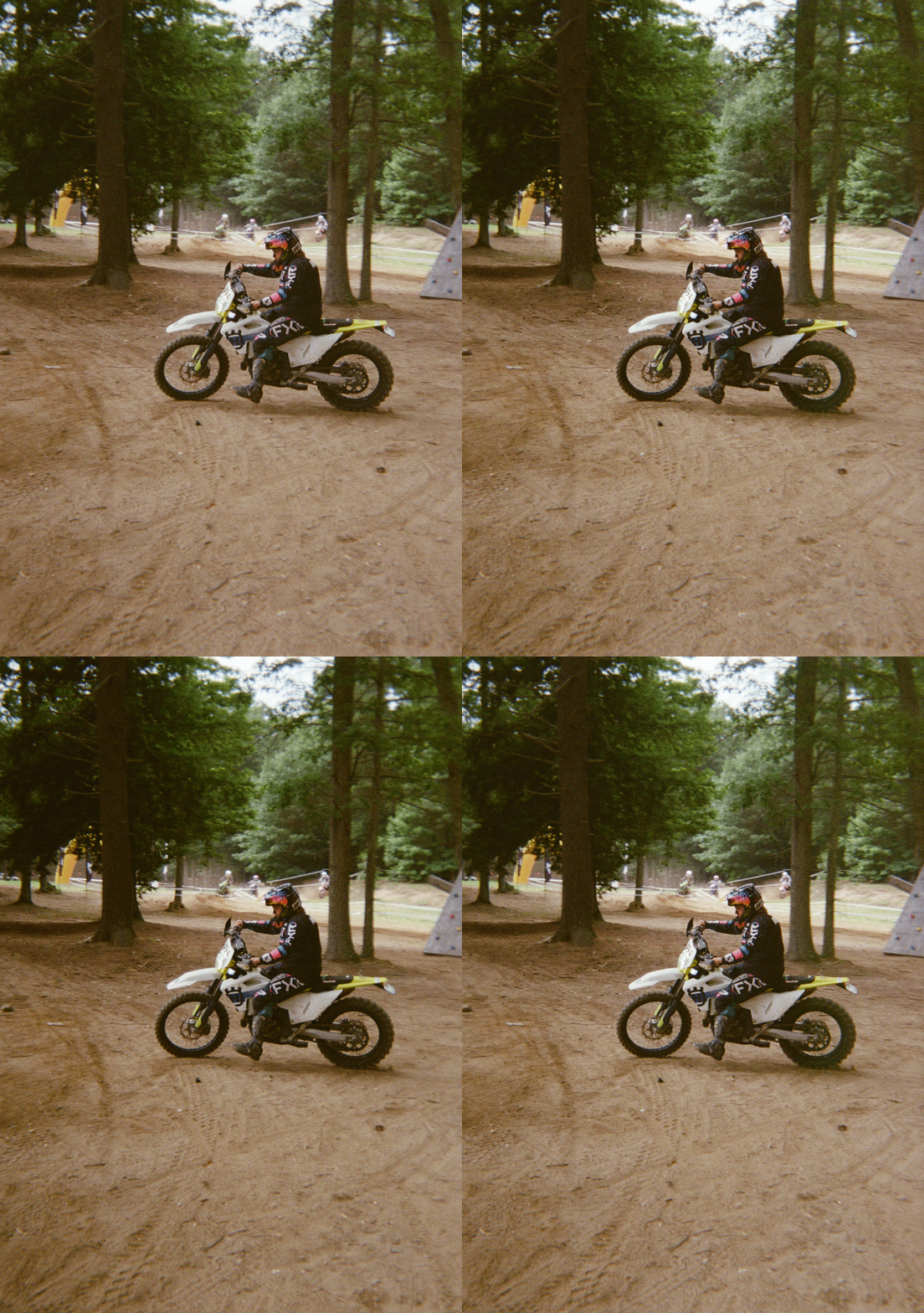
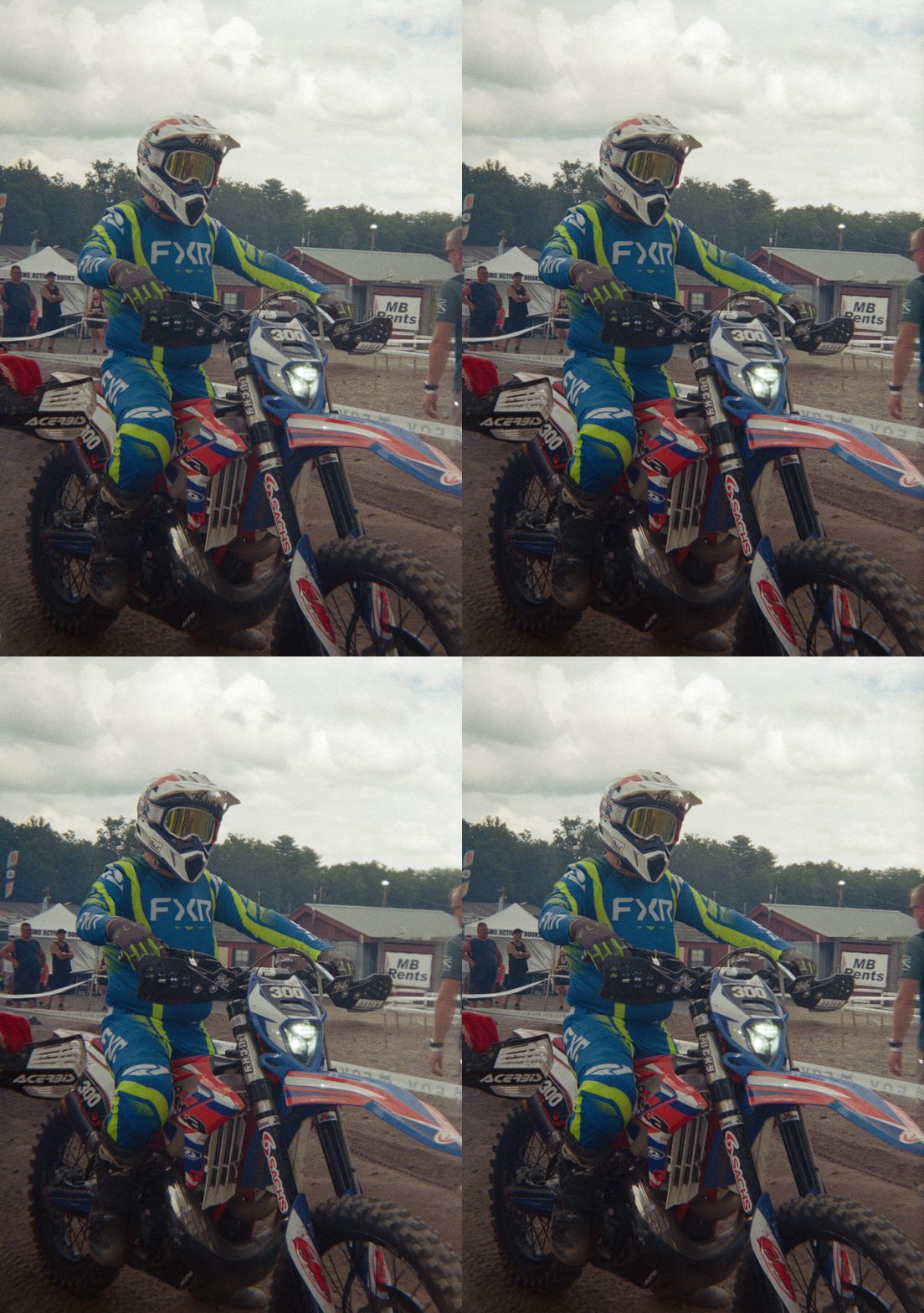
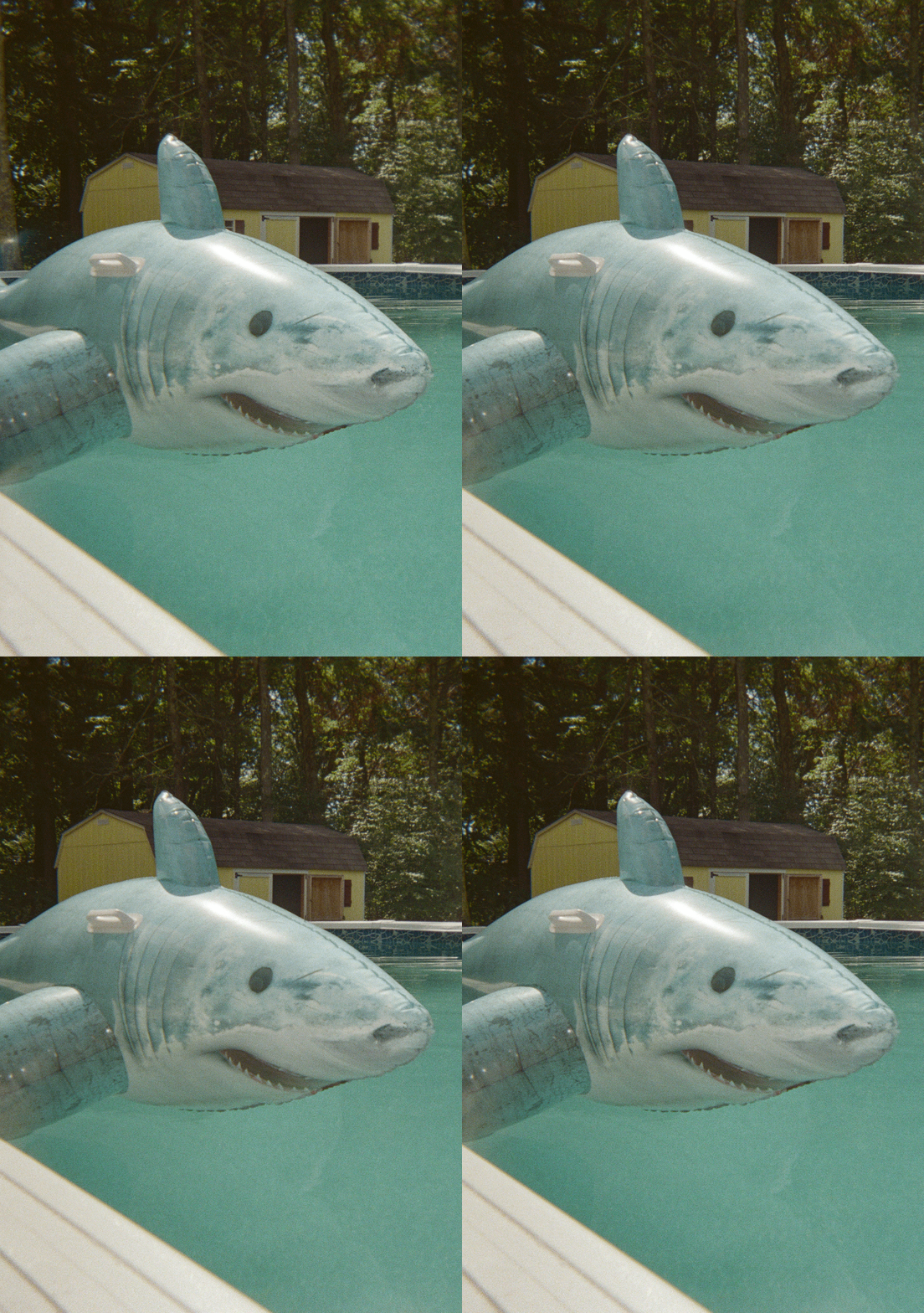
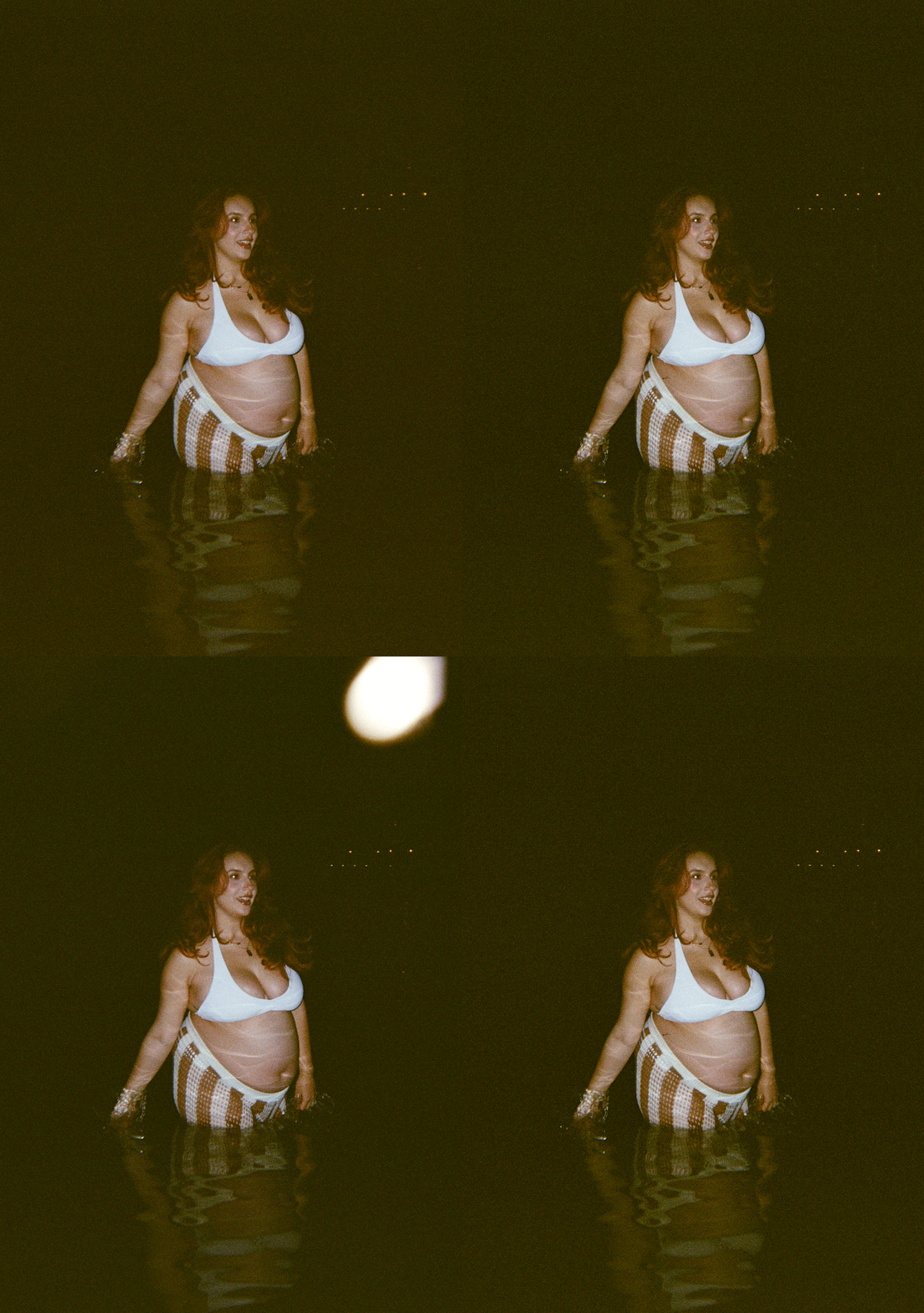
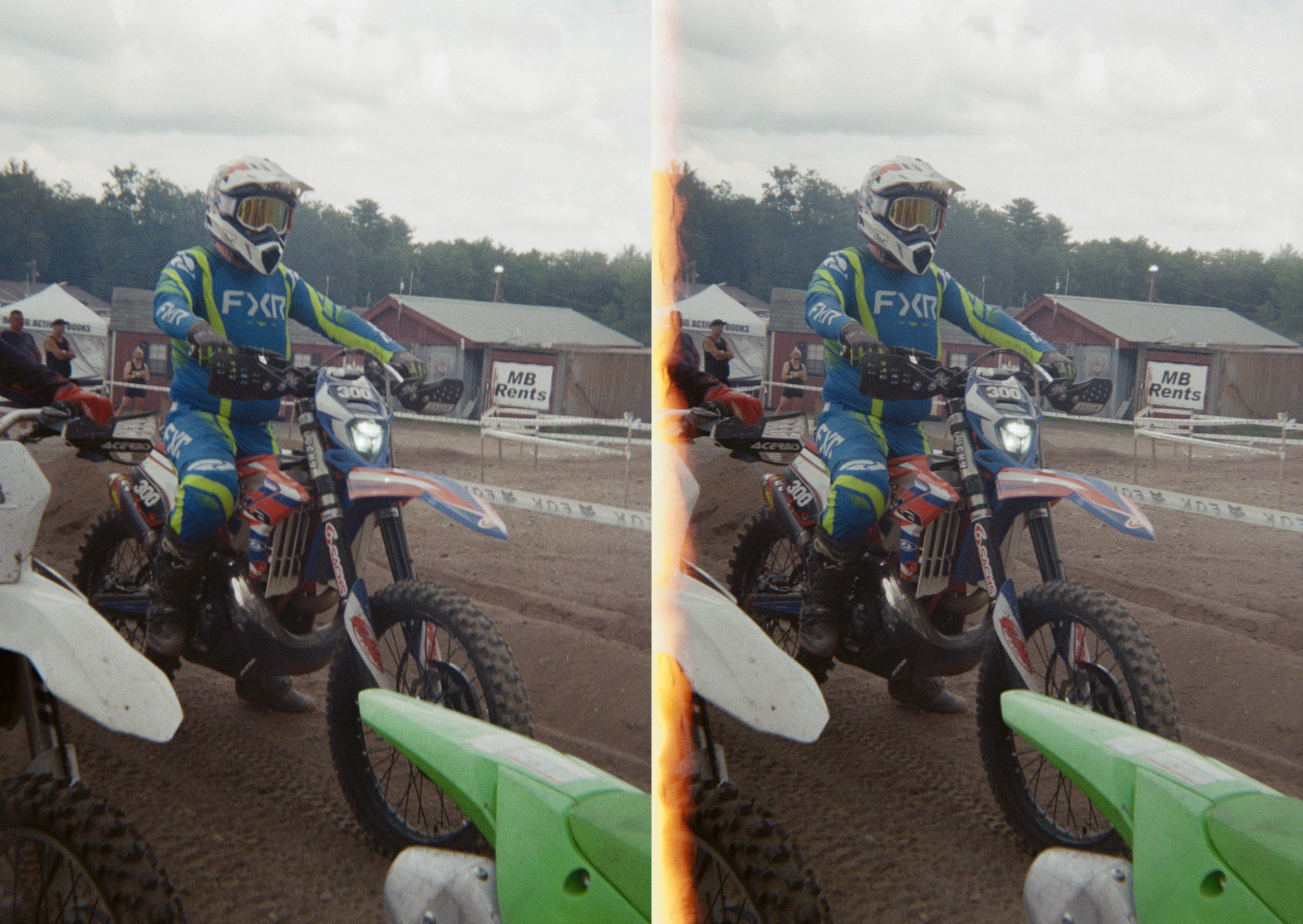
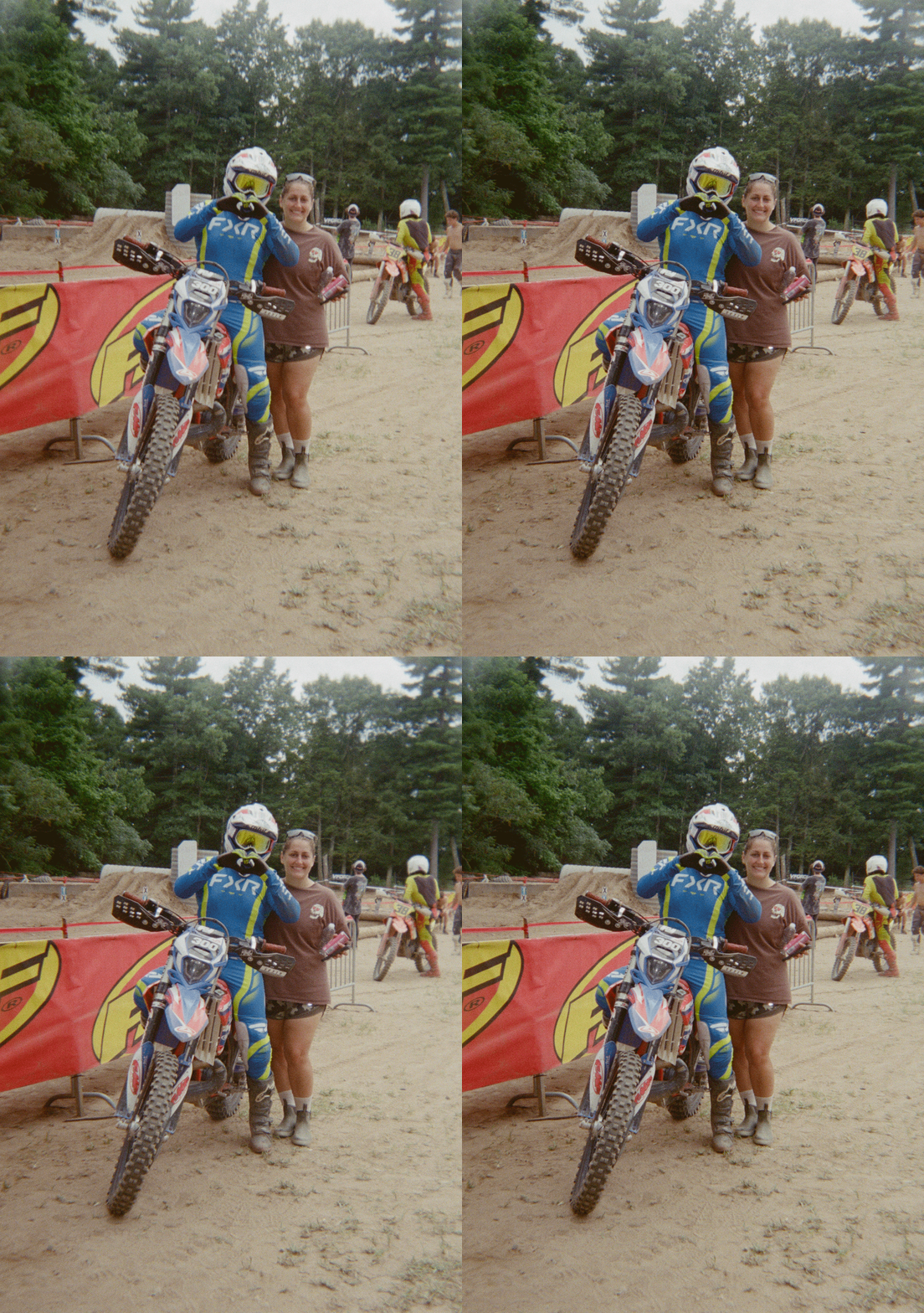
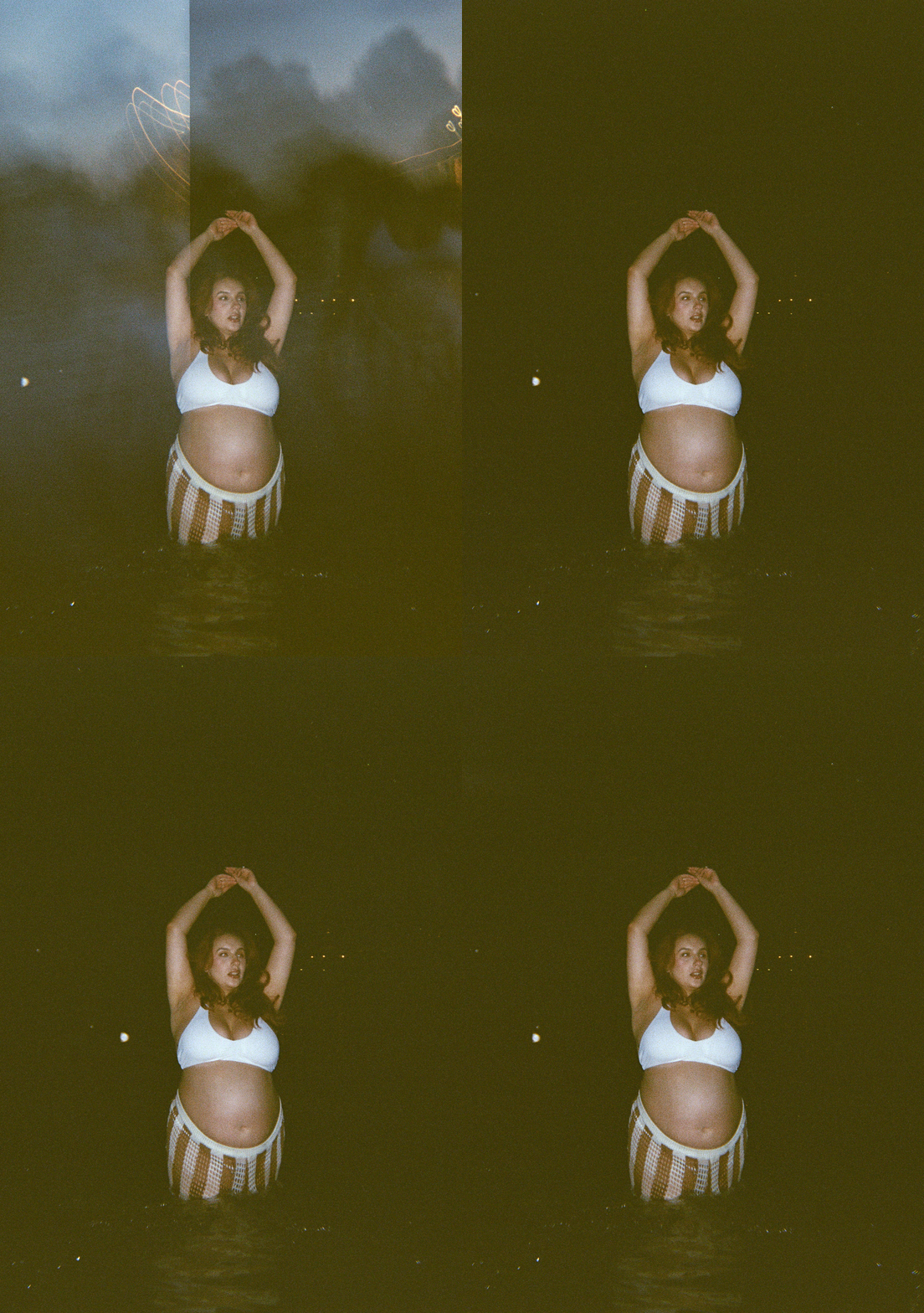
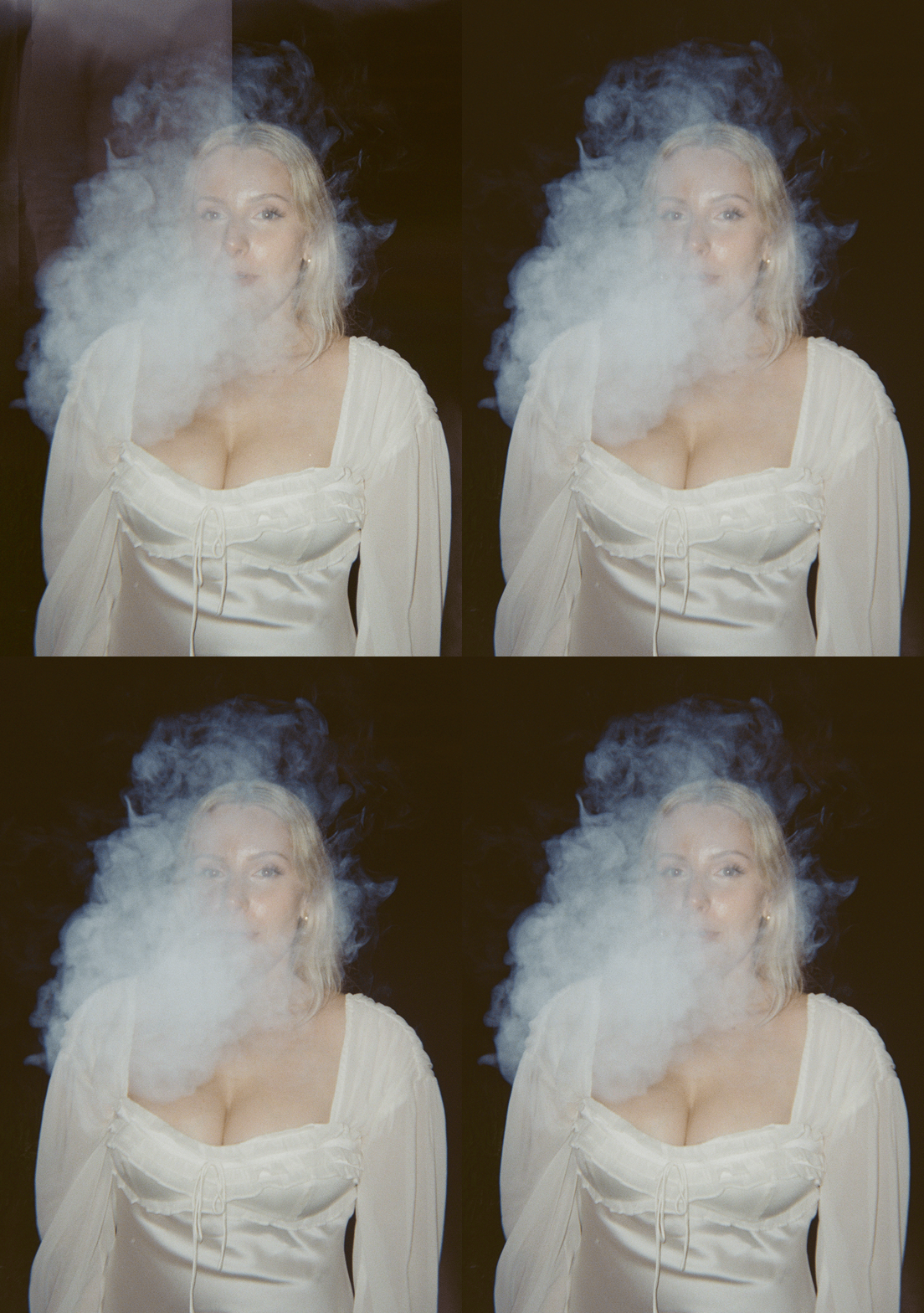
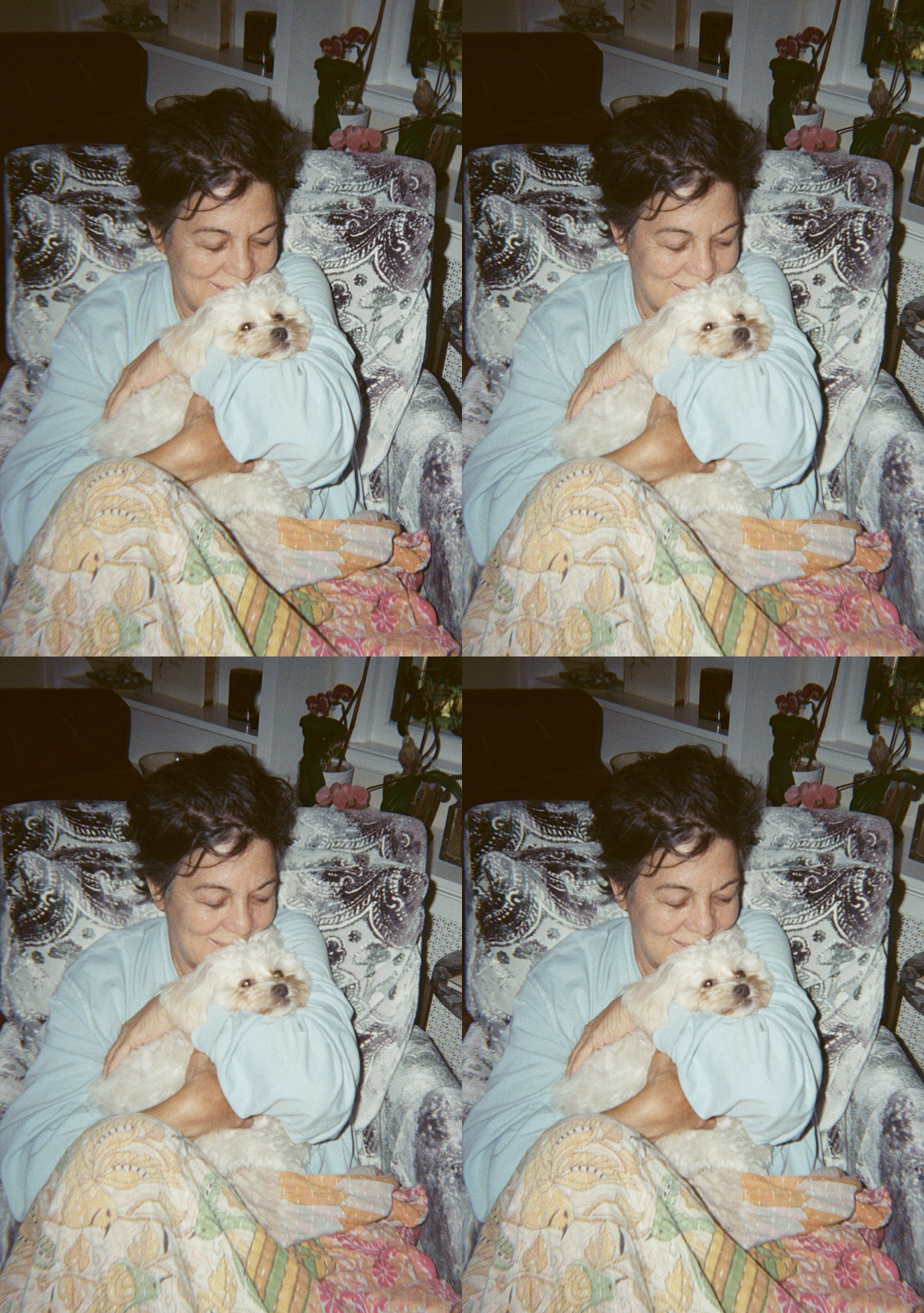
120 Medium Format Film
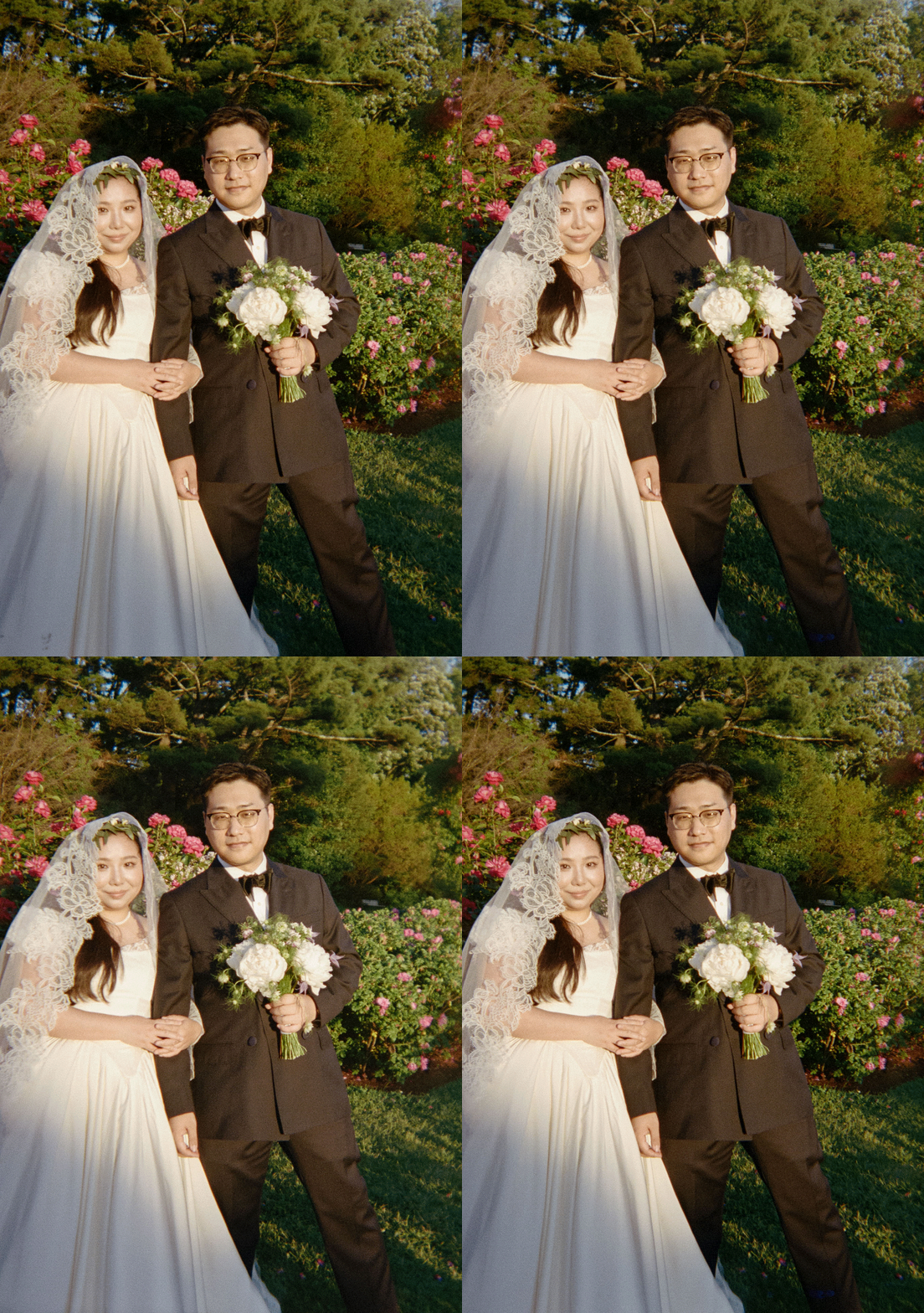
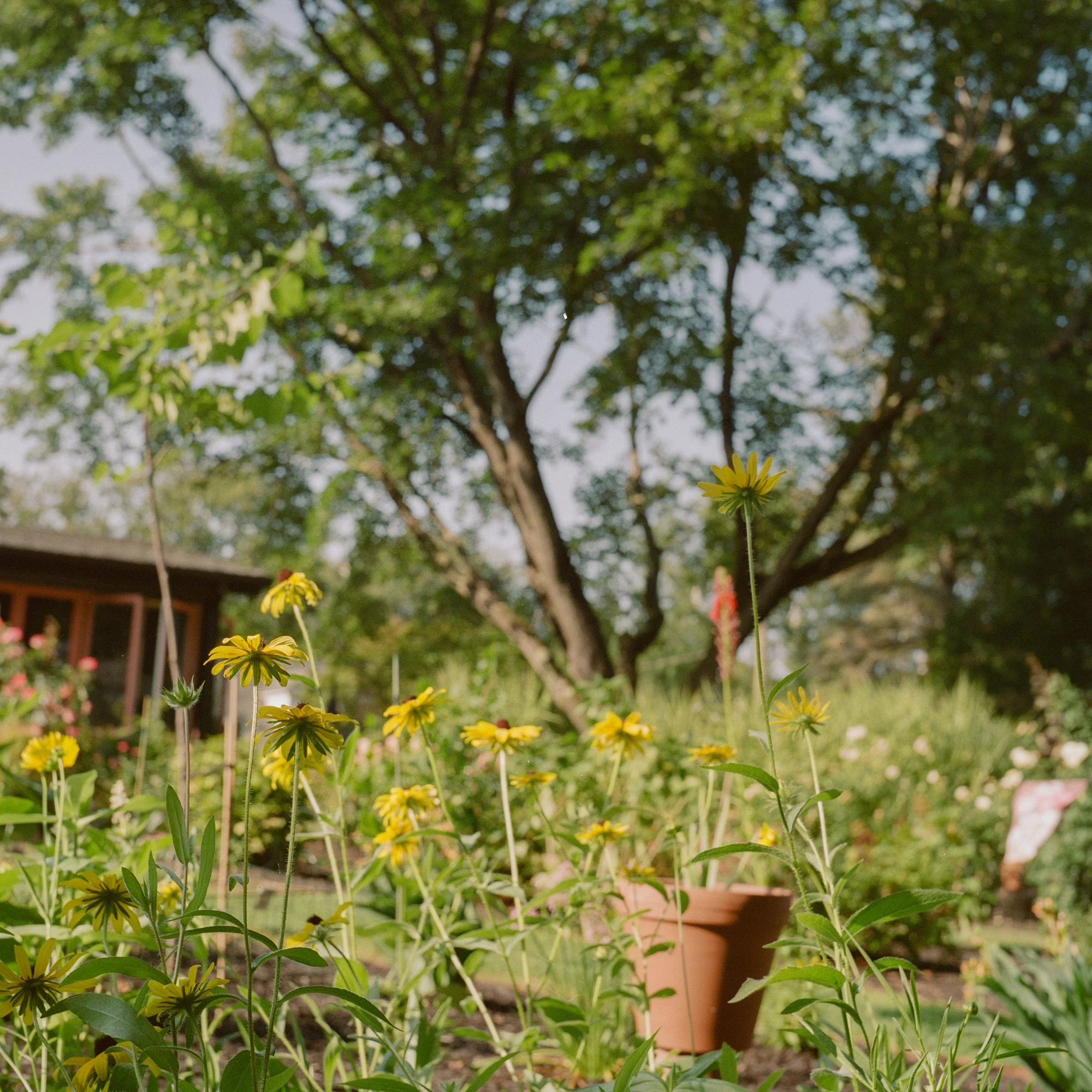
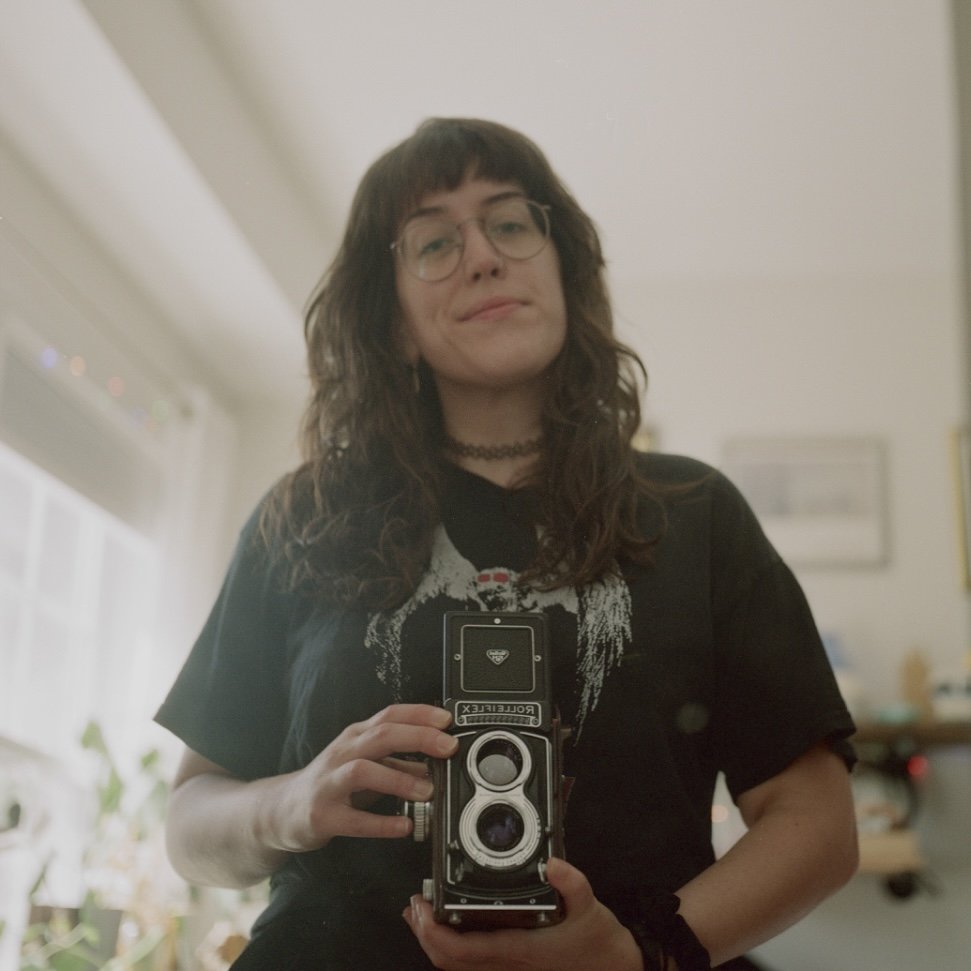
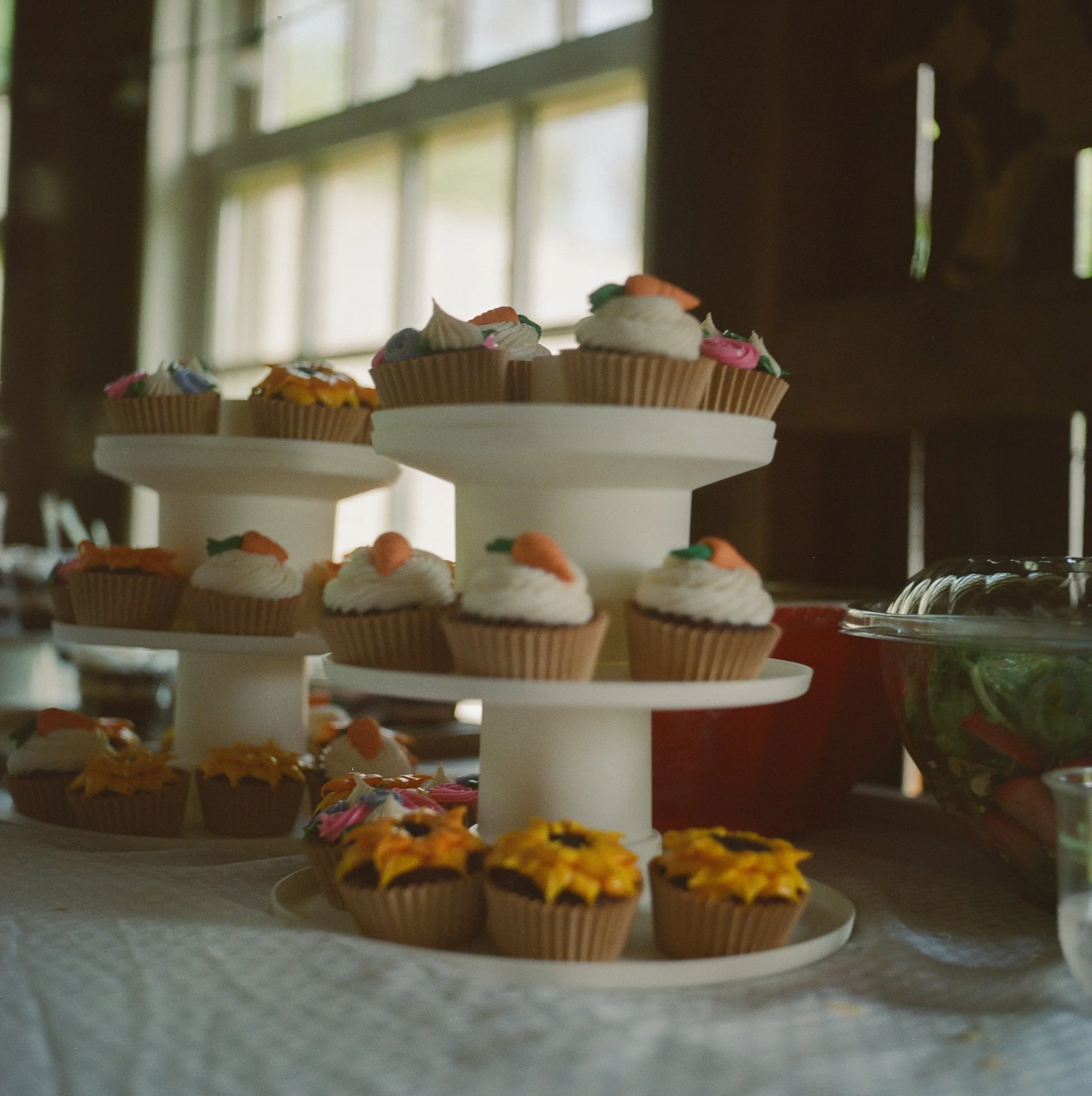
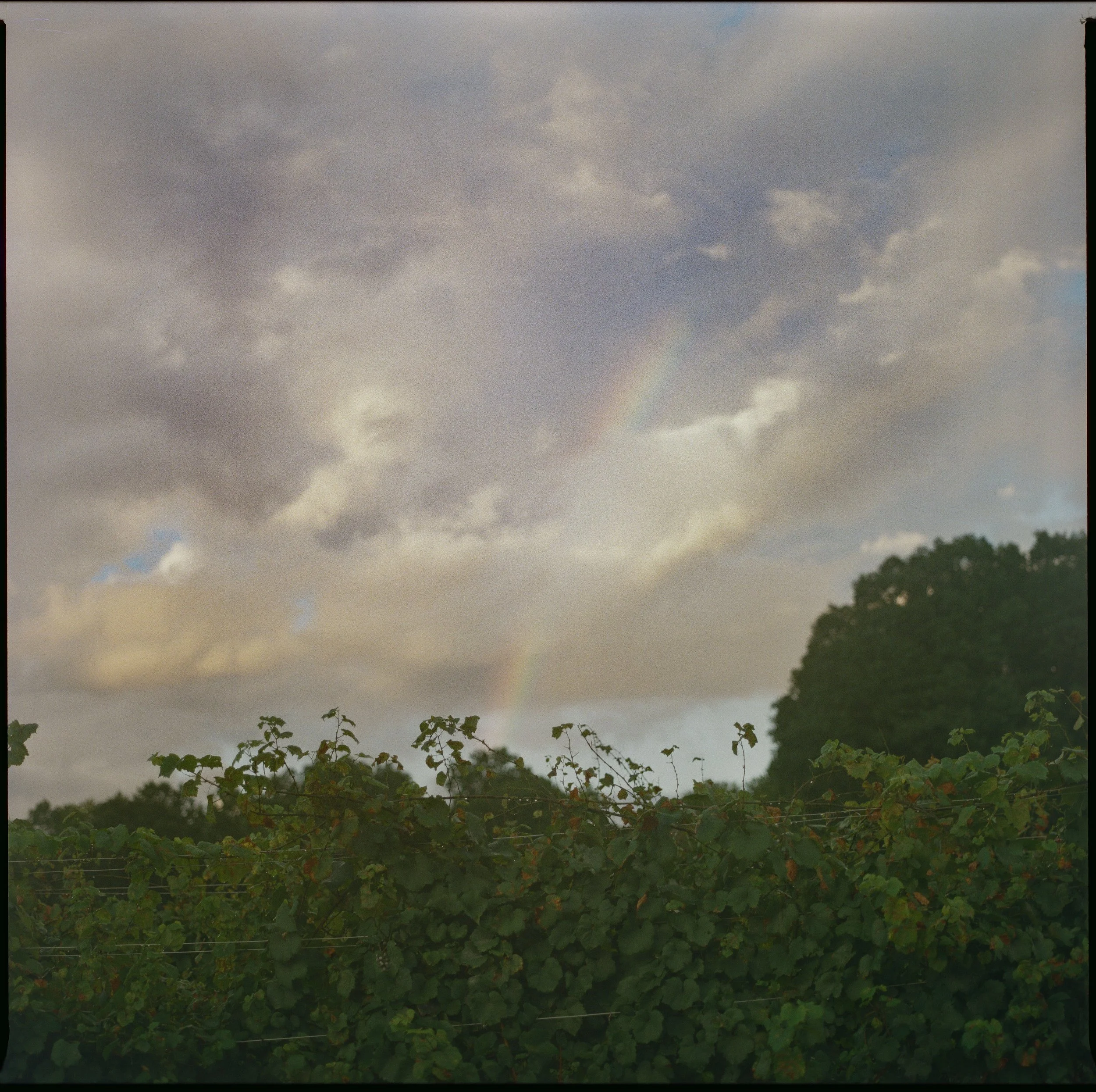
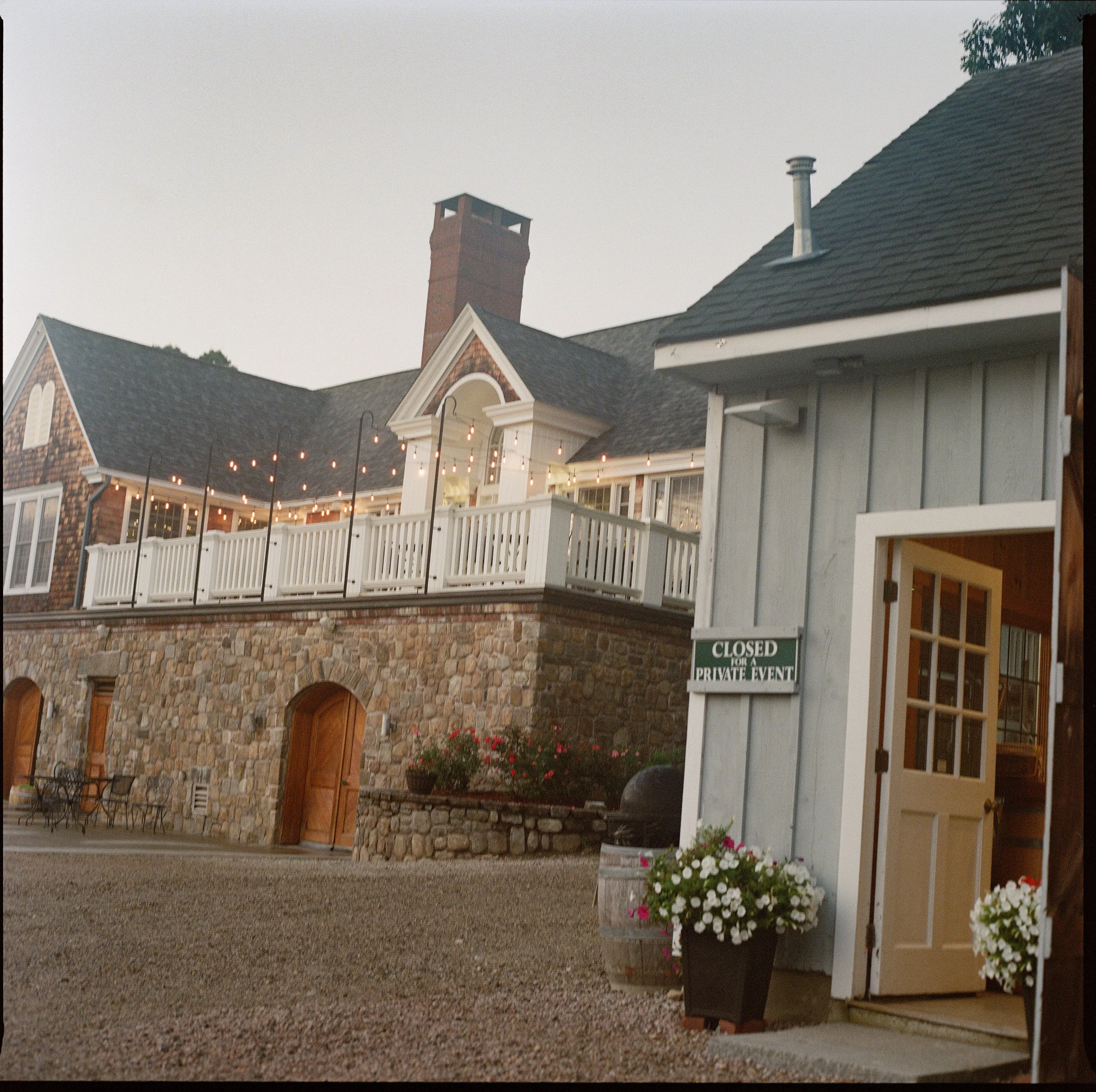
120 film is considered medium format. With the cameras that I use, the negatives are 6×6 cm and square in size — meaning you can enlarge these images beautifully for prints. Larger negatives create incredible depth and detail, making them perfect for portraits and gallery-quality images. On 6×6 cameras like mine, a roll of 120 film produces 12 frames (images).
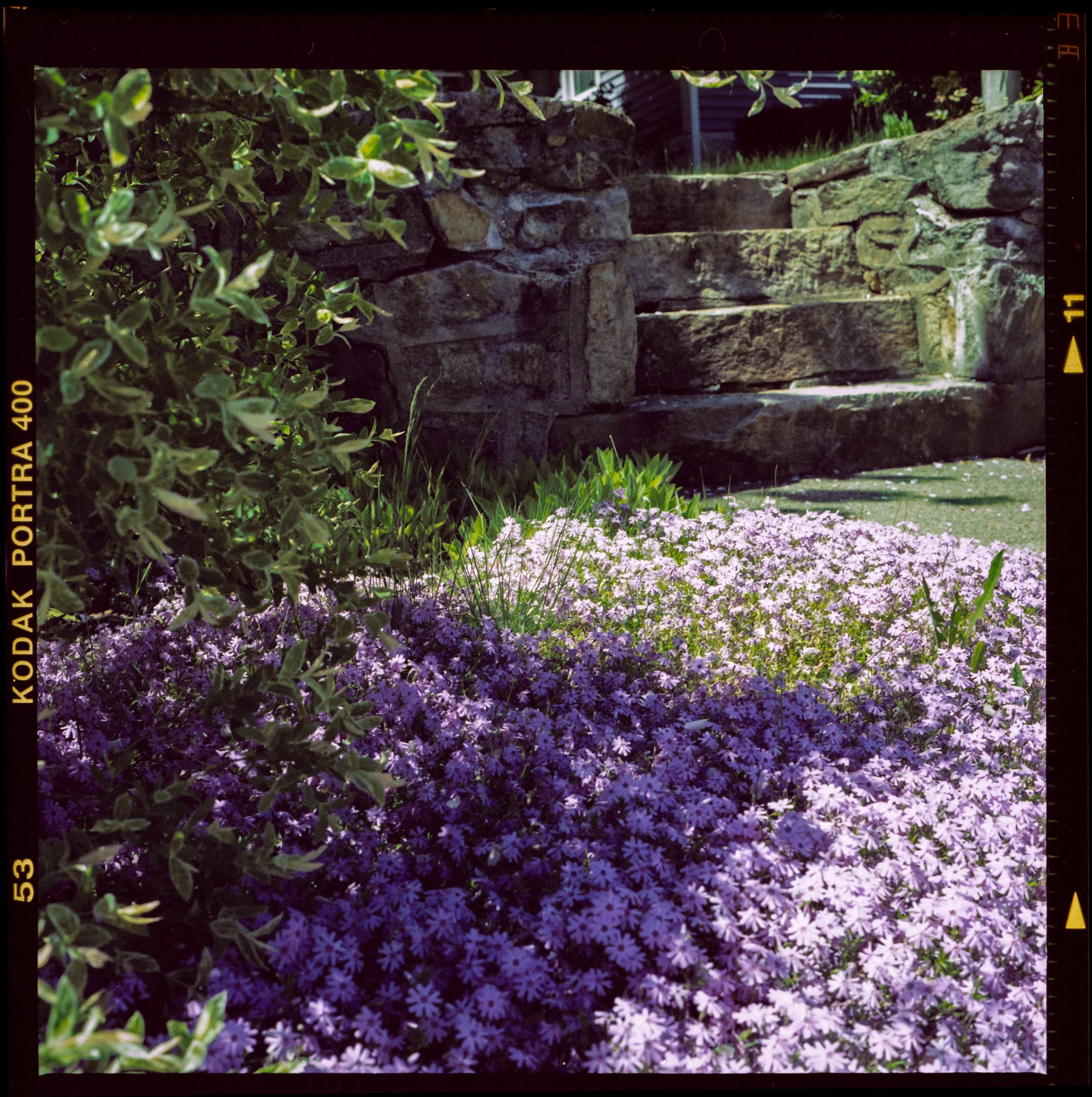
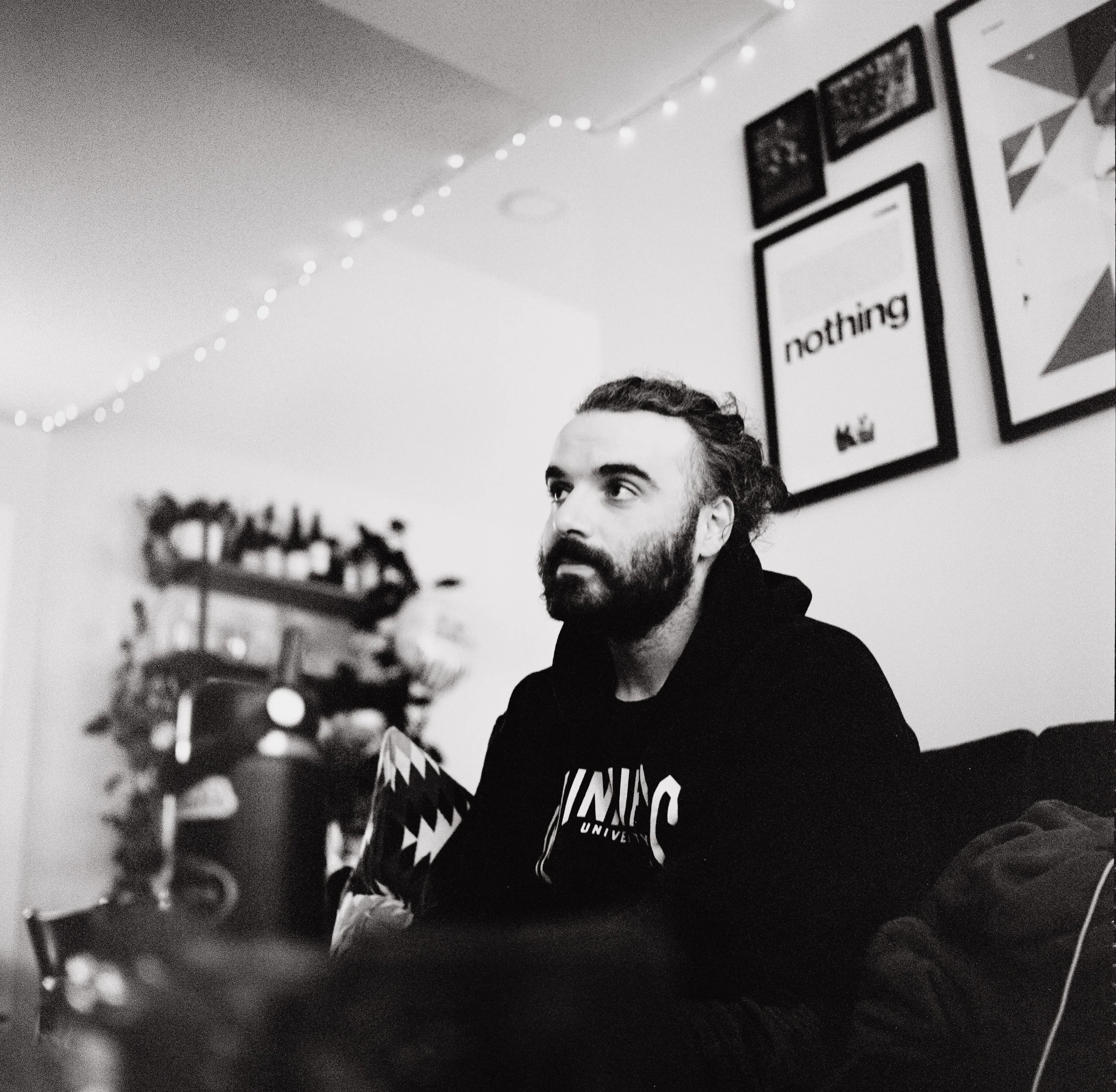
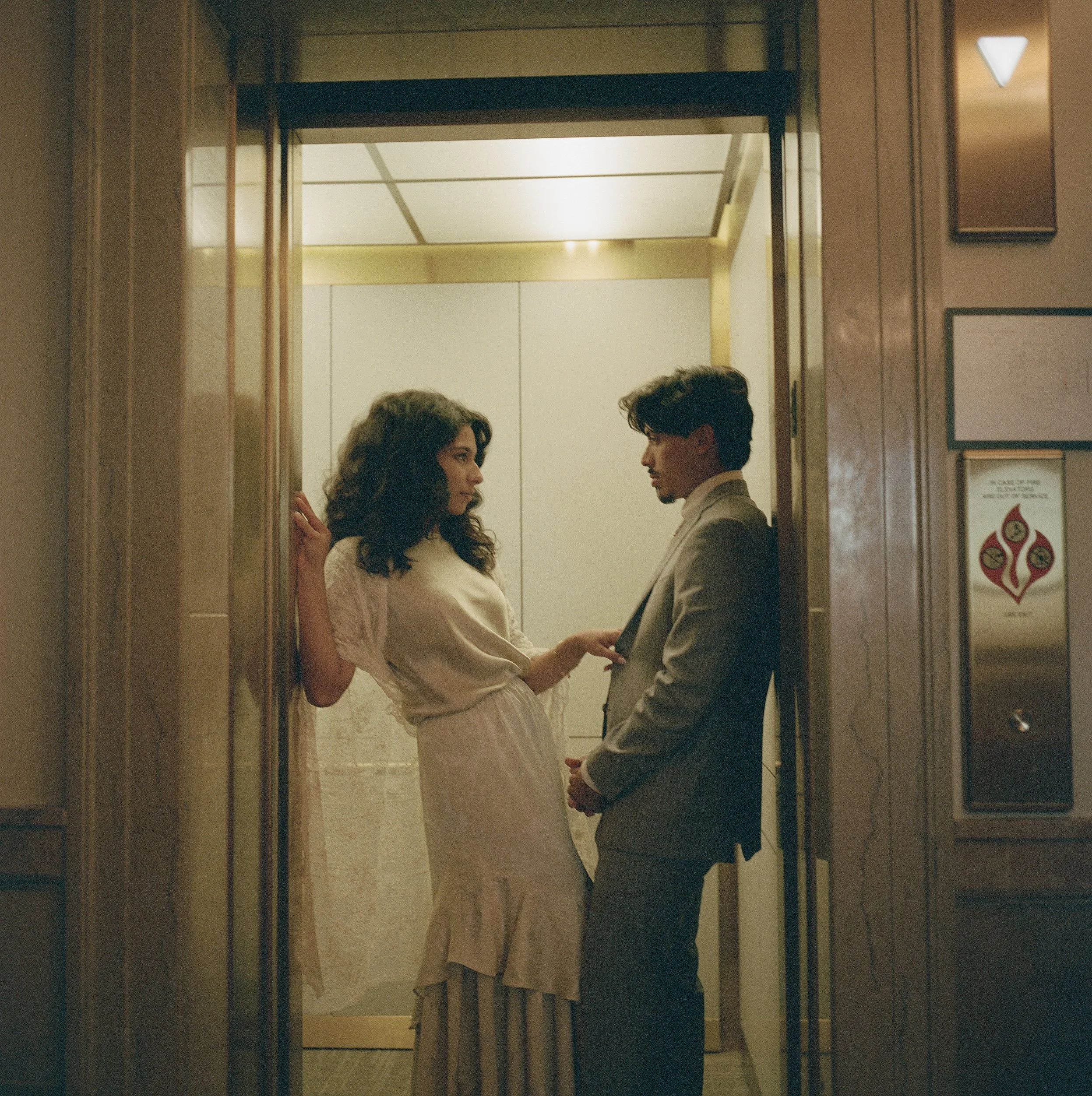
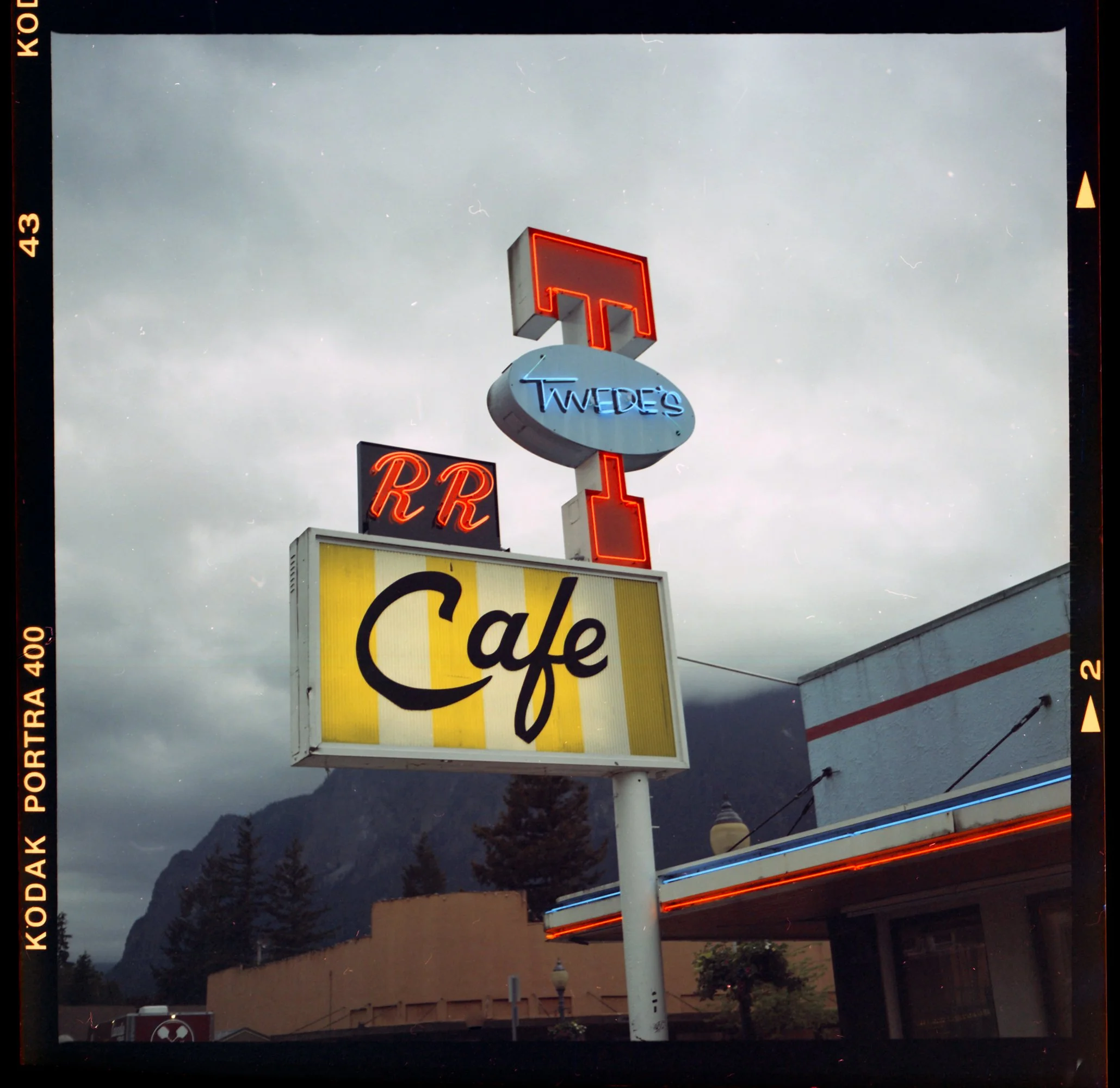



Polariod
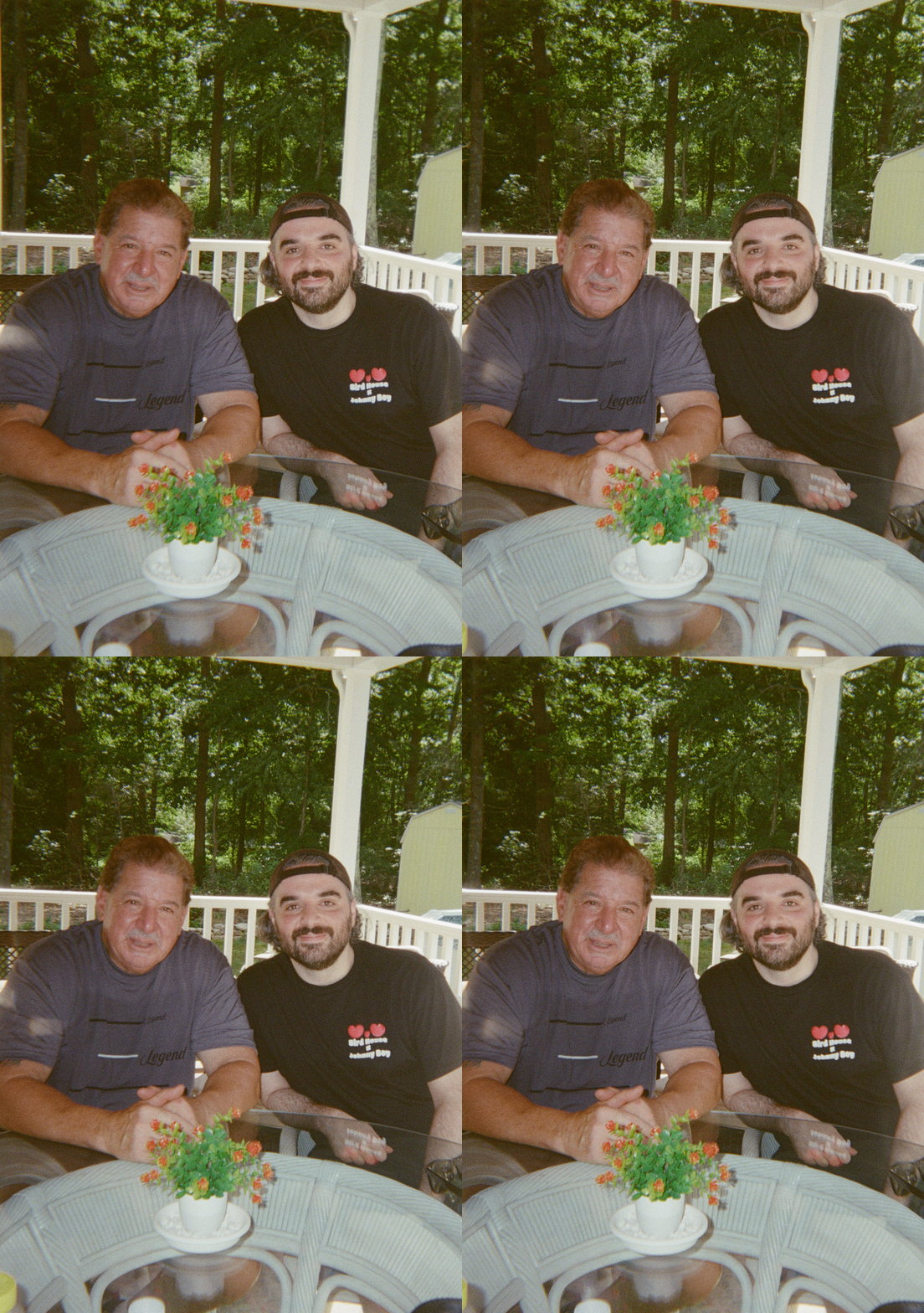
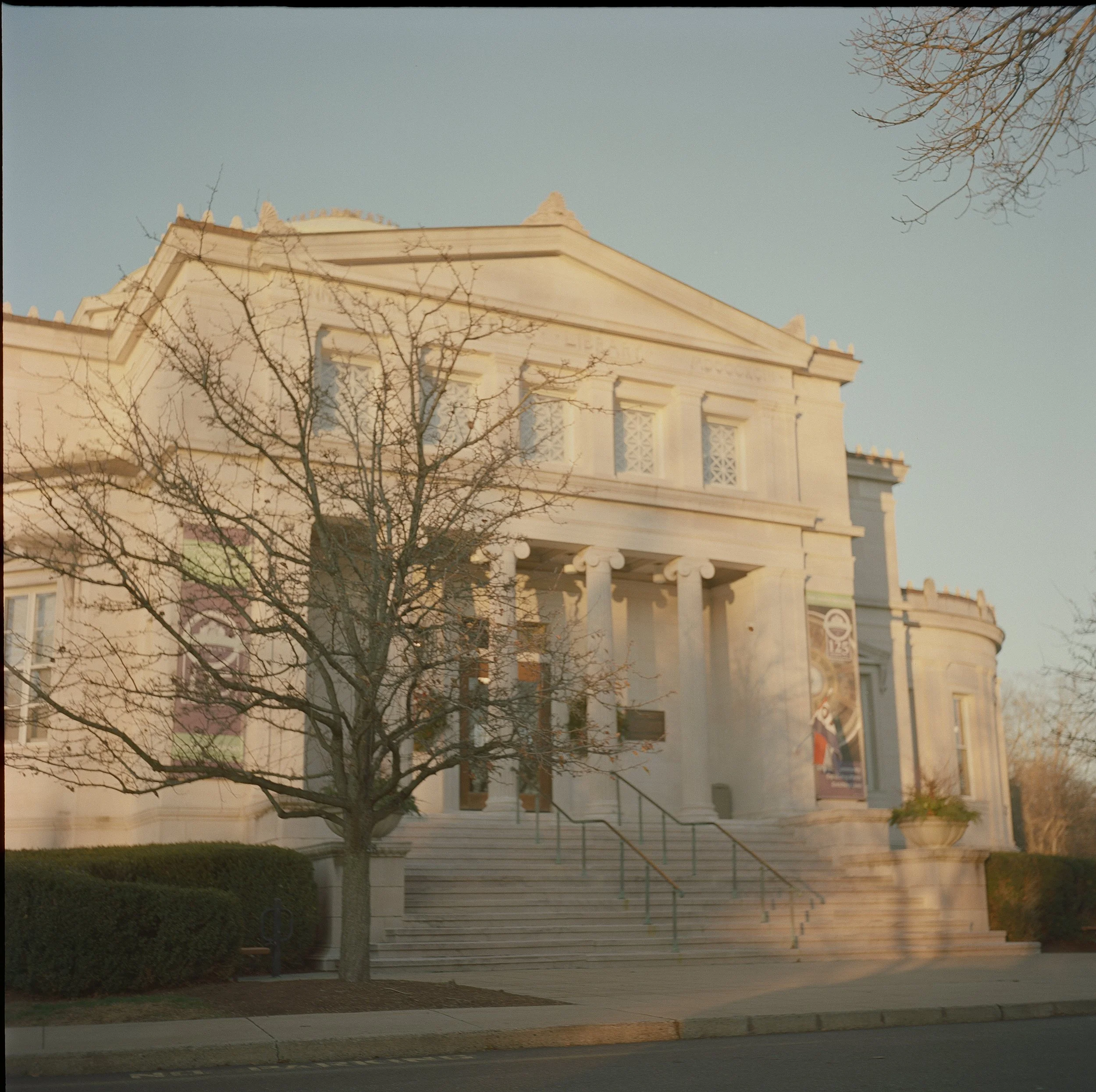
35mm film is your traditional film look. The negatives are 35mm in size (about 1.38 inches) and rectangular. A standard roll of 35mm film typically yields 24–36 exposures (frames), making it versatile for documenting a wide range of moments throughout your day.
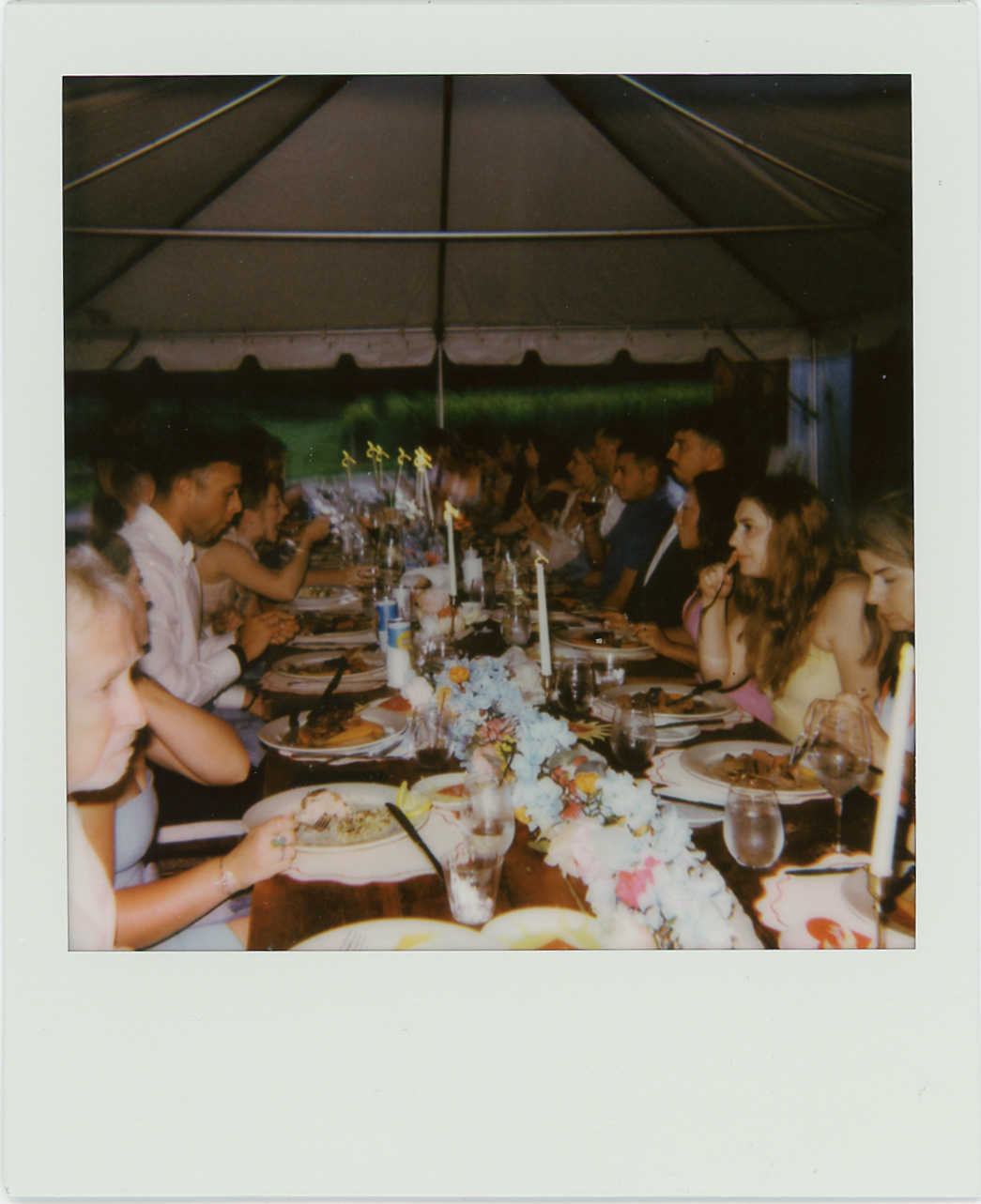
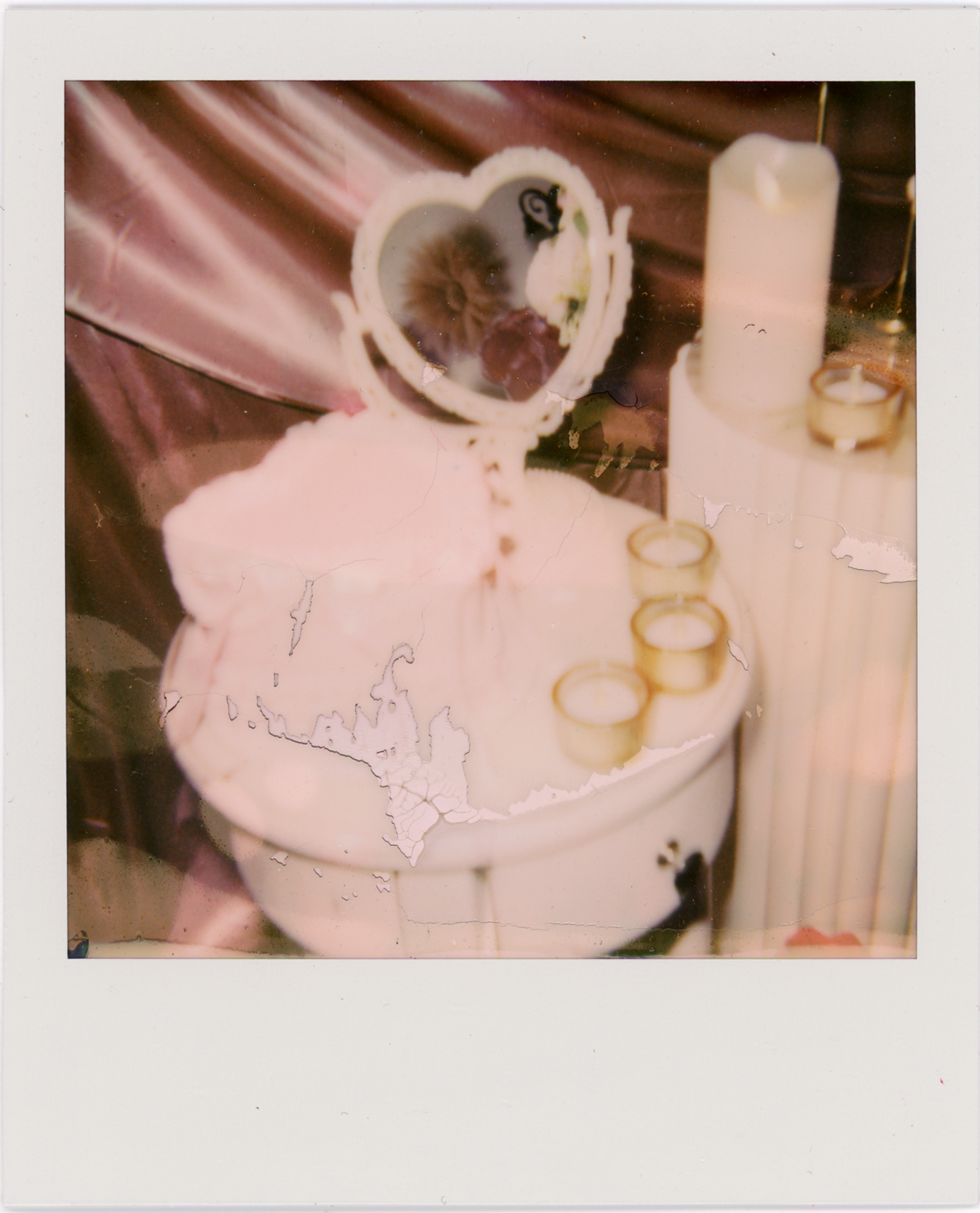

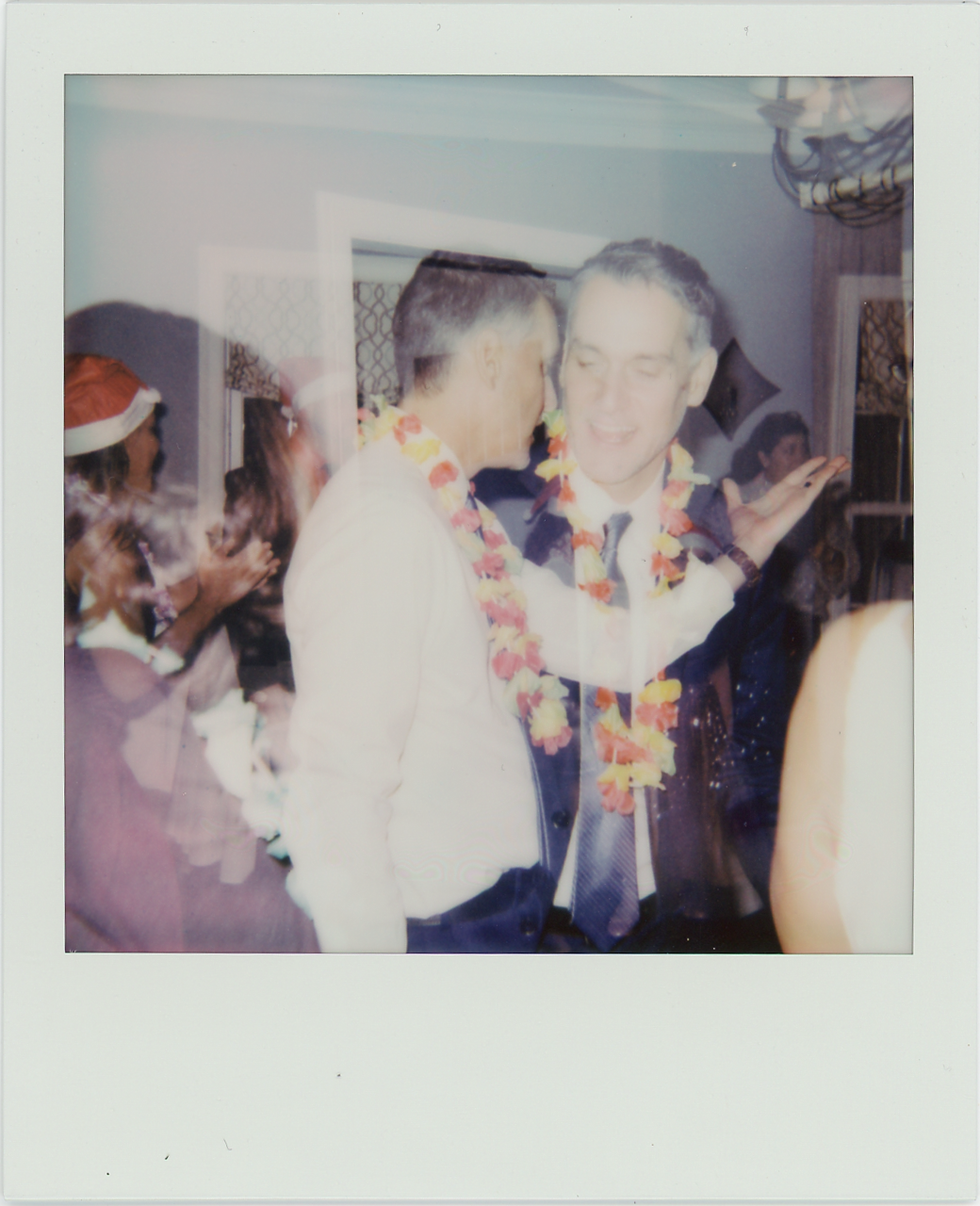
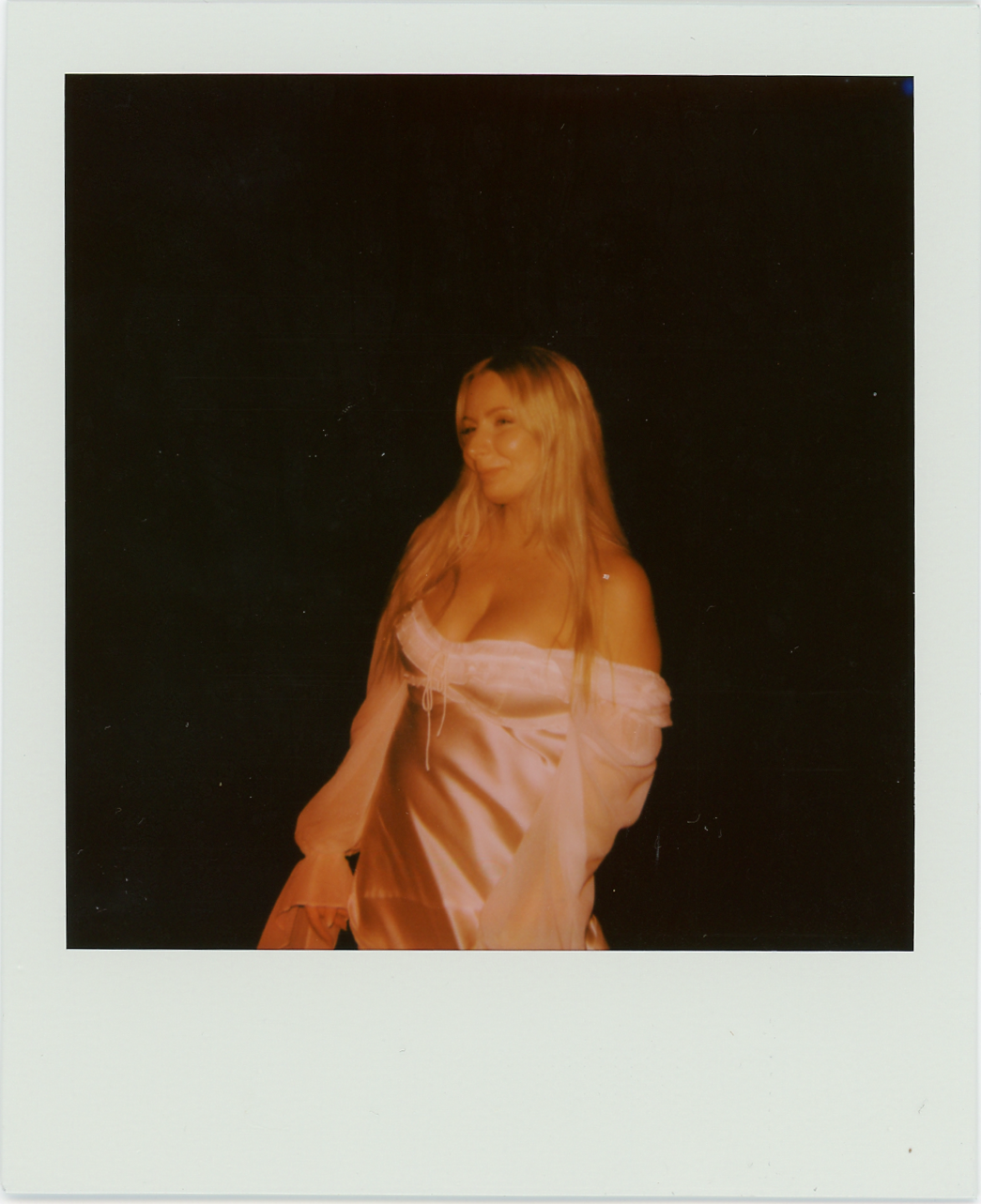
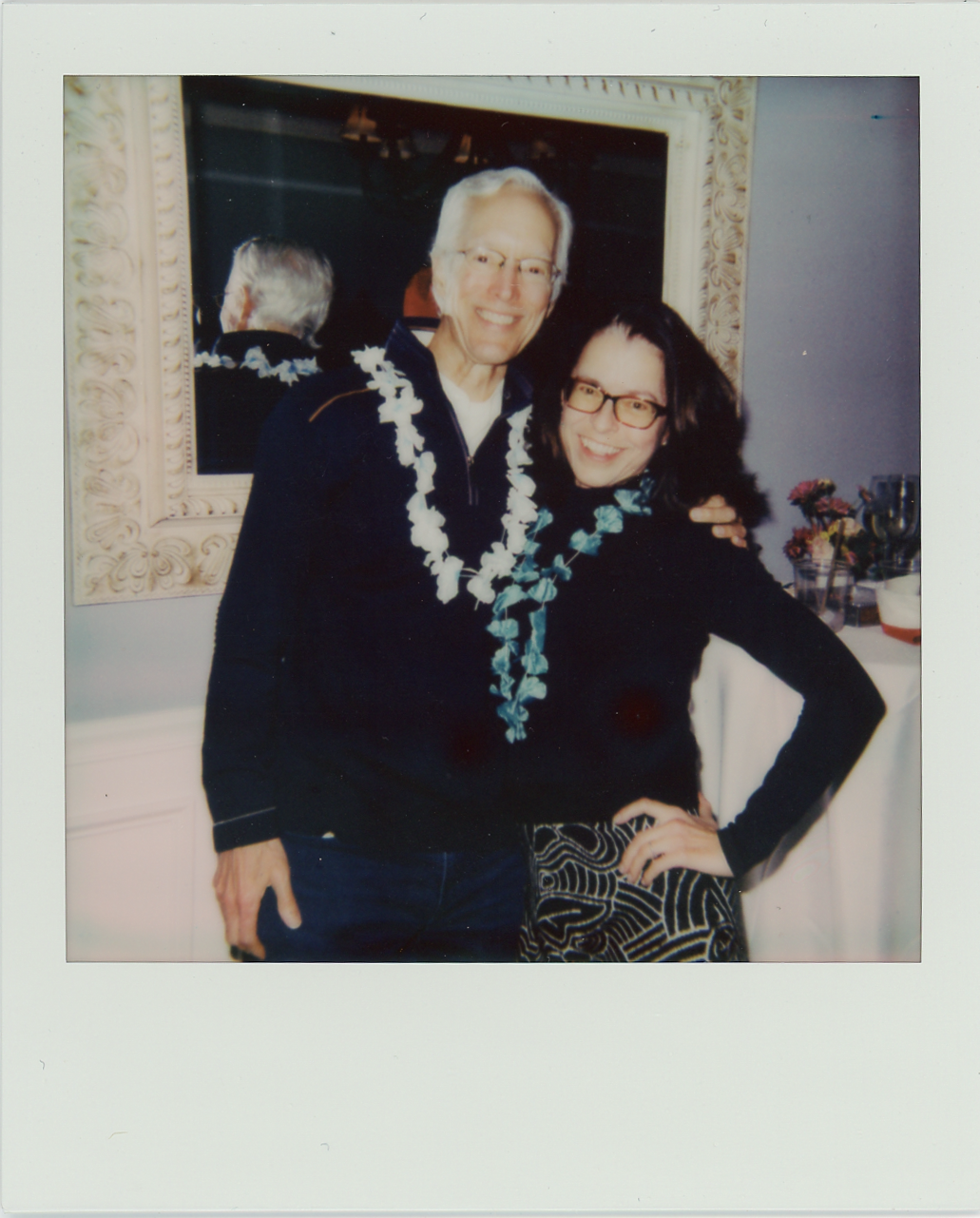
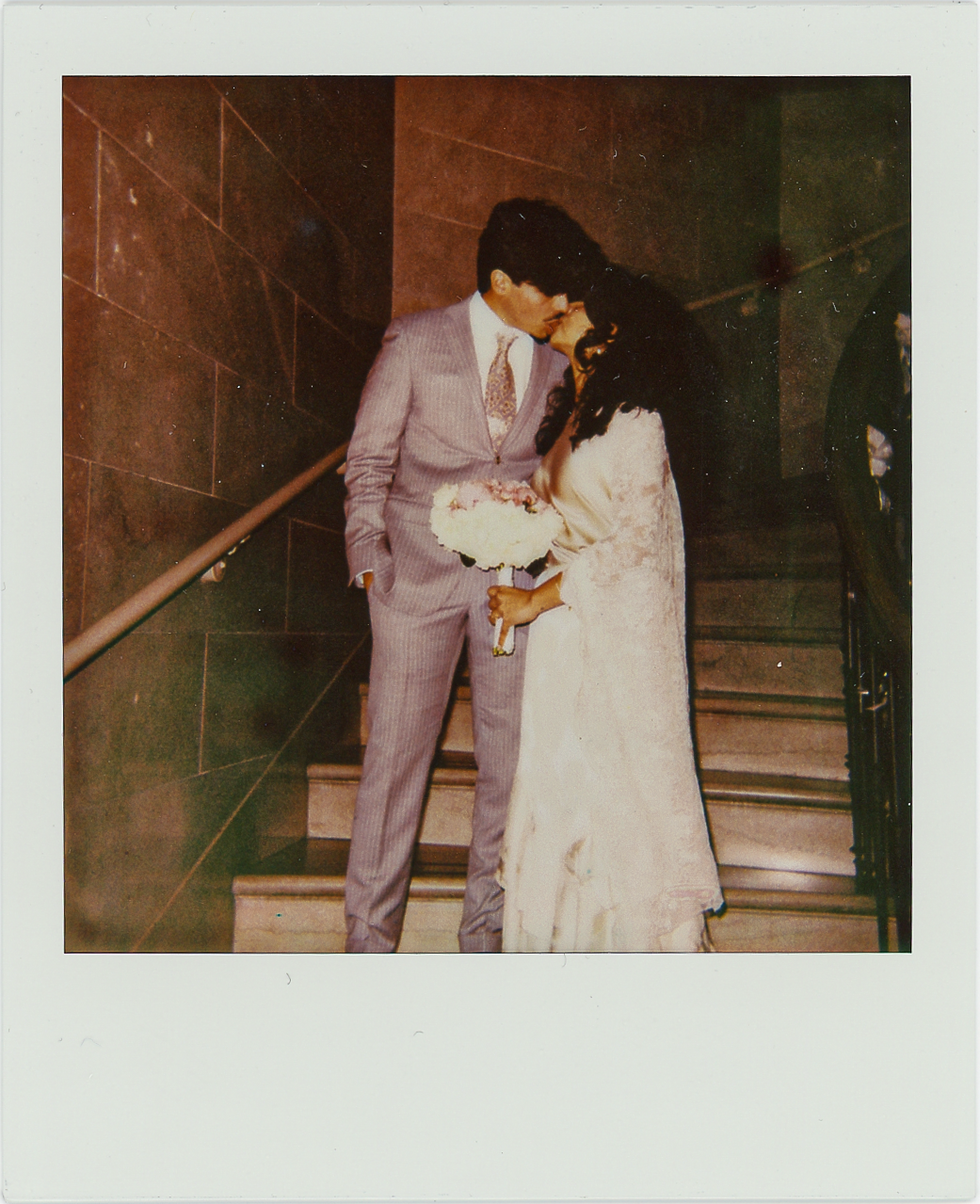

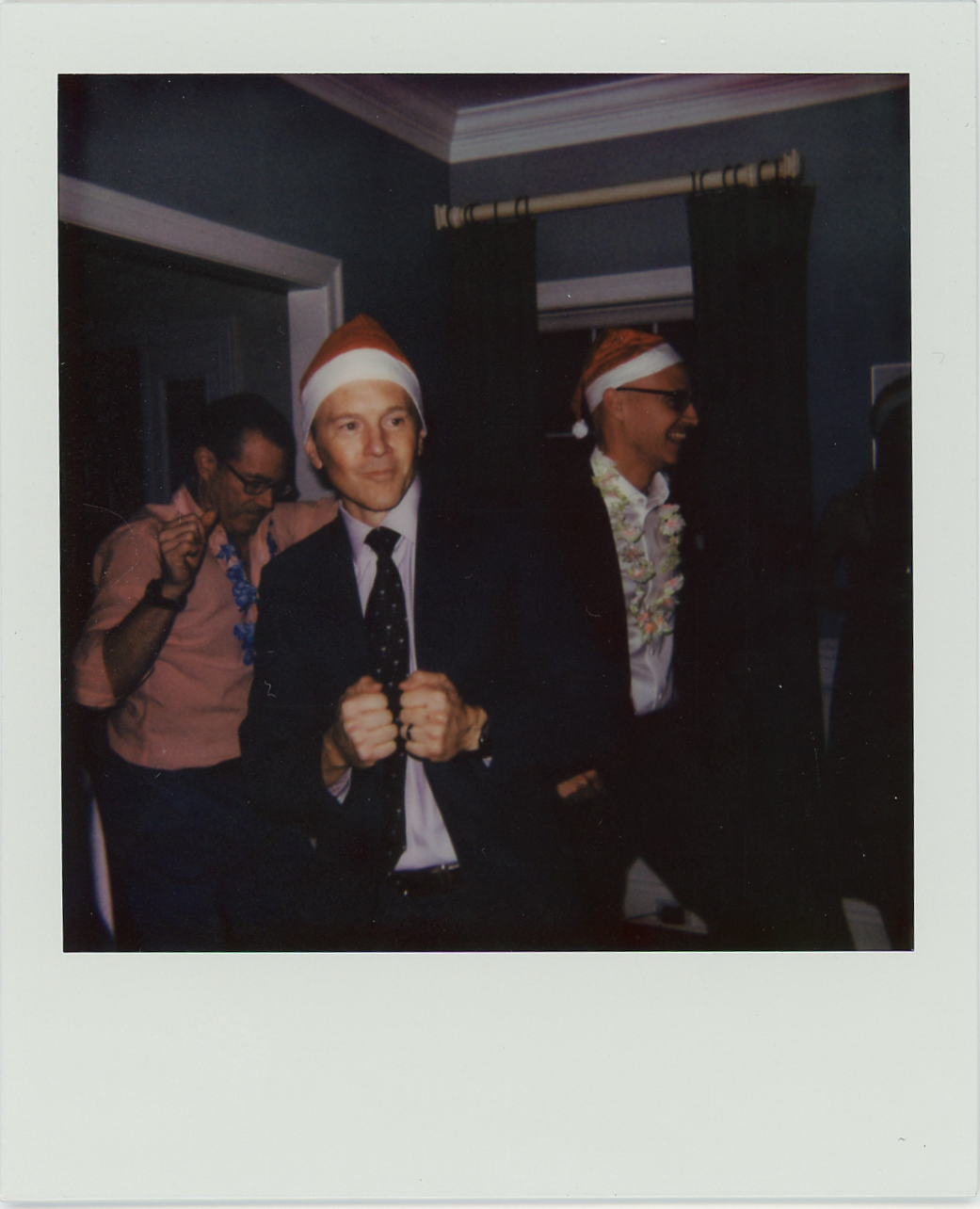

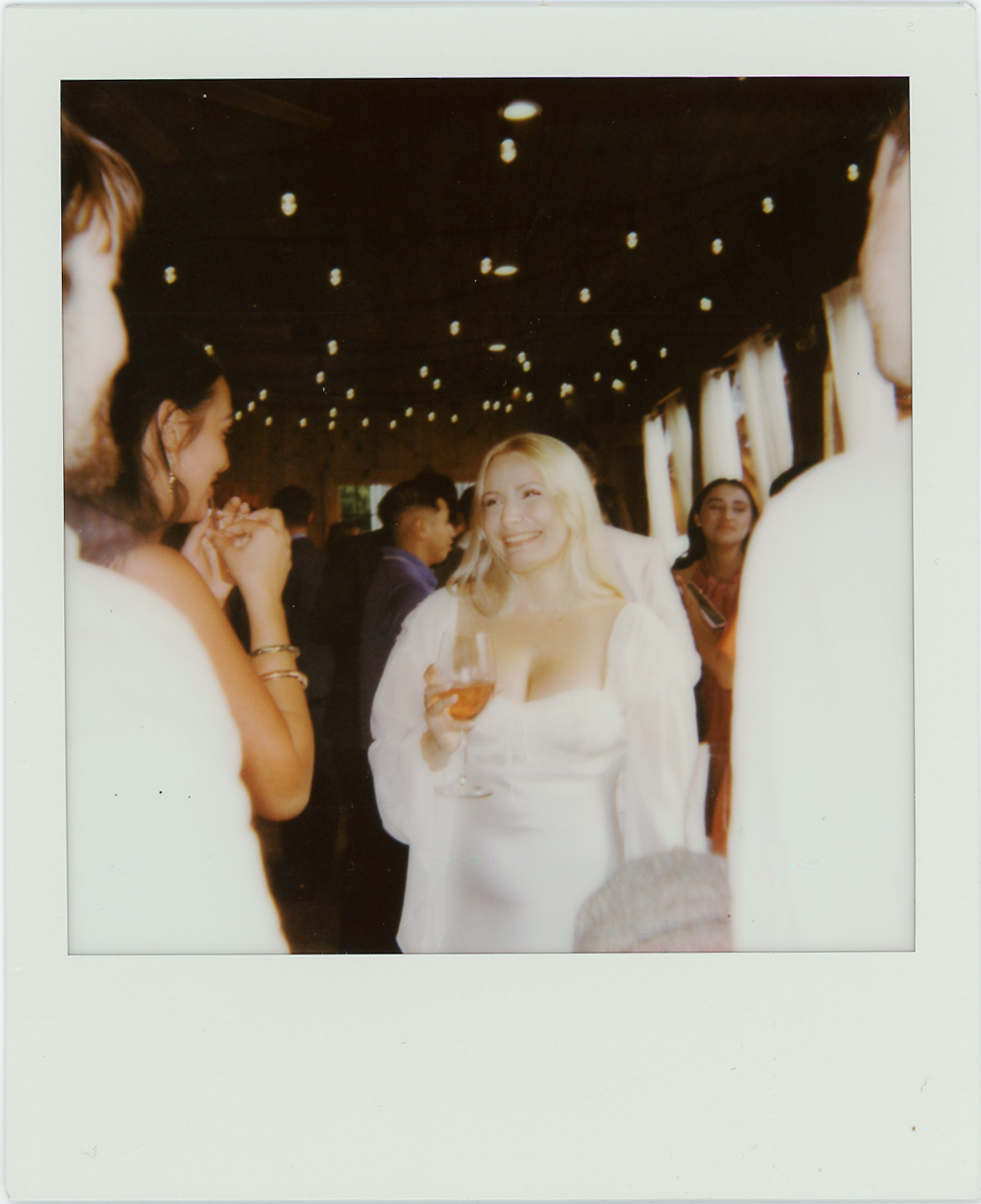
Instax Mini
Incredible Engagement & Elopement Locations
As a destination wedding & elopement photographer, I’m drawn to settings that feel cinematic, nostalgic, and timeless on film. Think city halls and courthouses; retro hotels, historic inns, art-deco spaces, and vintage motels; art museums, libraries, greenhouses, and natural landscapes. Take a look at some of my dream destinations below, and if you have somewhere special in mind, let’s make it happen. While I’m currently focused on destinations within the United States, I’d love to expand internationally in the future, so stay tuned!
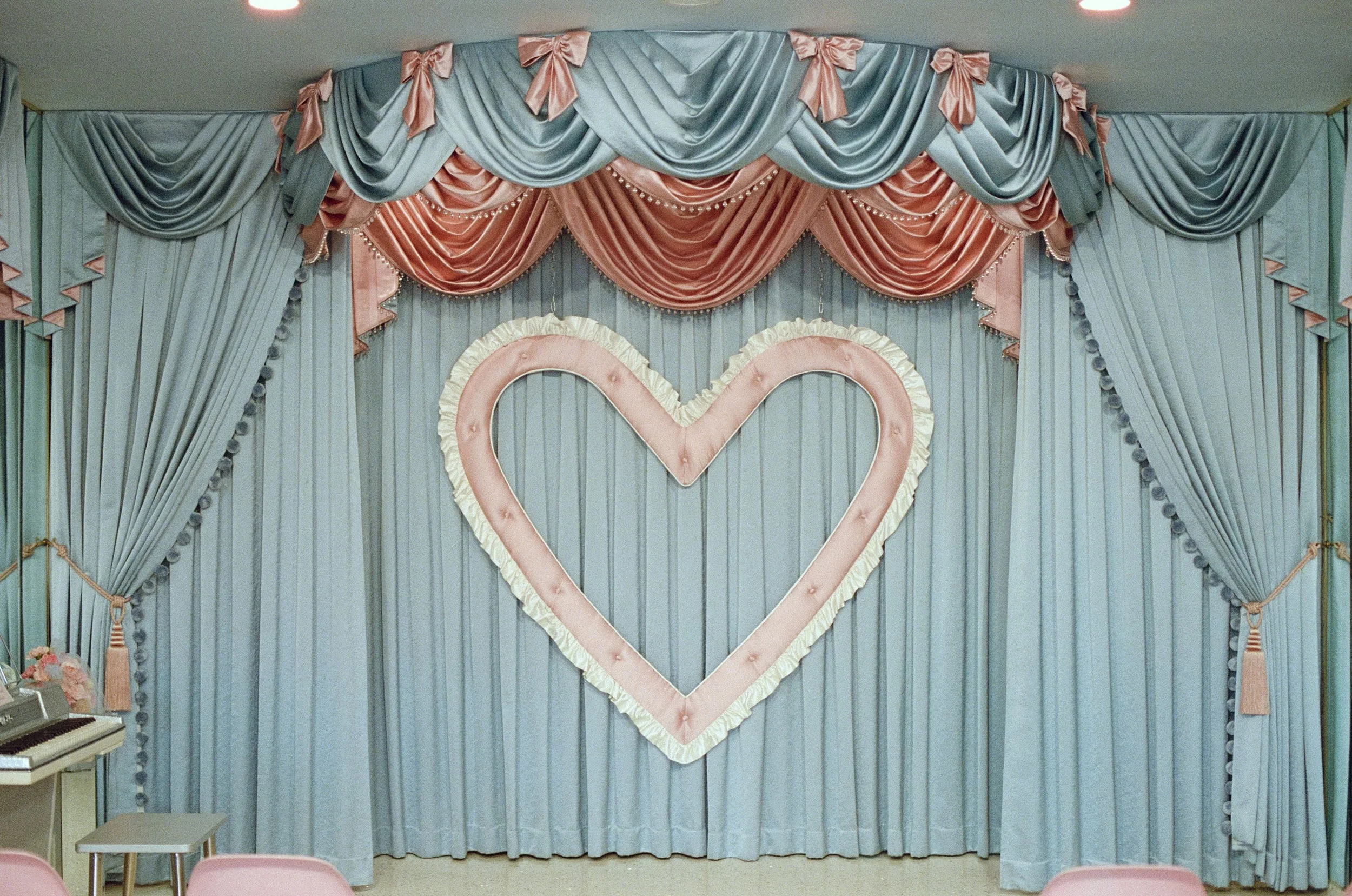
Sure Thing Chapel
Las Vegas, Nevada & New York City
A modern elopement chapel with three thoughtfully designed locations: the original chapel on Fremont Street, Sure Thing Too next door, and Sure Thing Chapel NYC. Blending new-Vegas kitsch with vintage charm, the chapel elevates the classic Vegas elopement through soft natural light and retro furnishings. Lady Elvis and Hellvis are available to officiate! I’d also love to photograph sessions at any Las Vegas hotel, chapel, or unique venue!
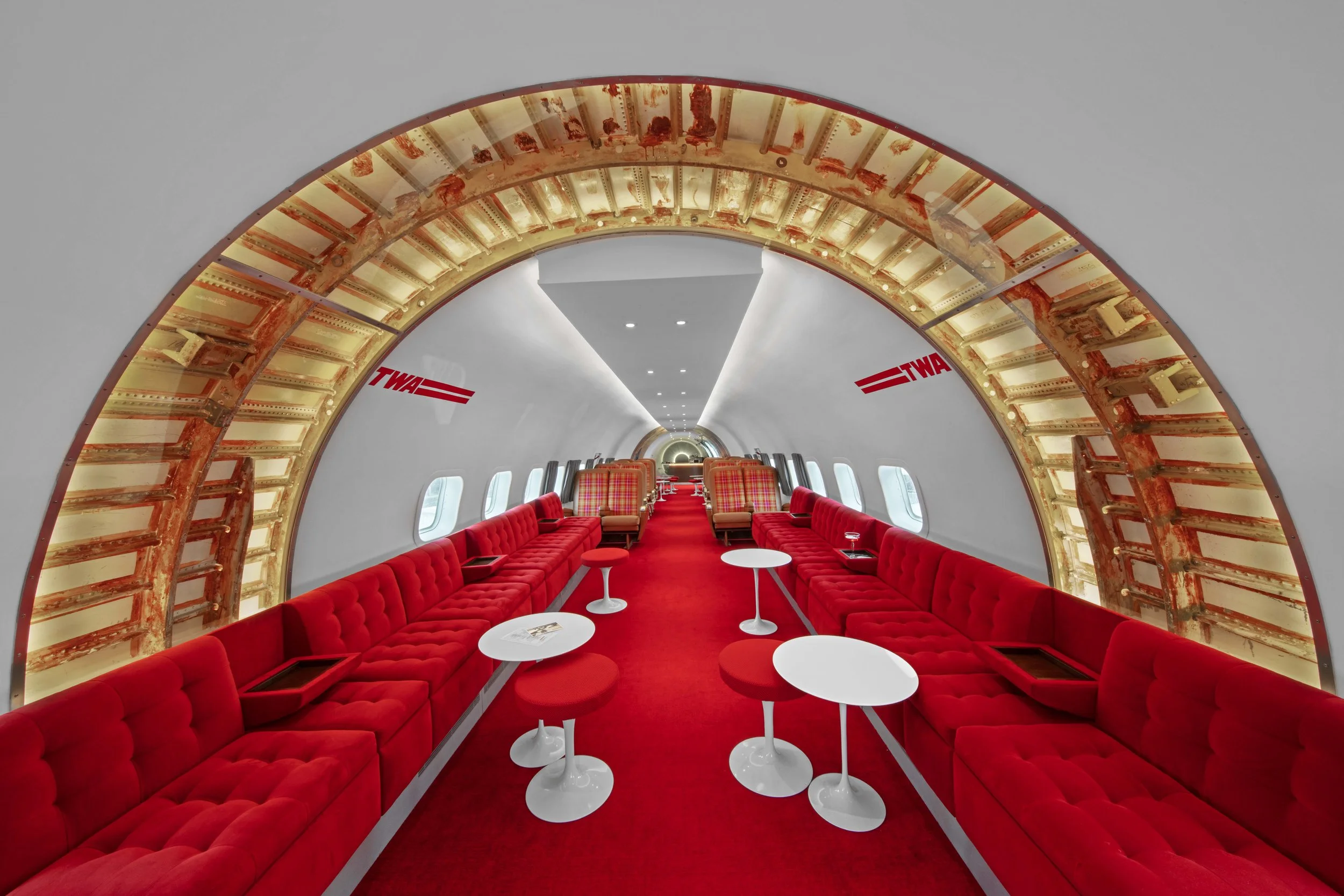
TWA Hotel
TWA Hotel is a midcentury modern landmark at JFK International Airport. Built within the restored 1962 TWA Flight Center, the hotel offers a fully immersive Jet Age experience with runway-view rooms, a rooftop pool, museum exhibits, and iconic venues like the Connie Cocktail Lounge inside a vintage Lockheed Constellation airplane, making it a truly cinematic setting for film-forward weddings, elopements, and engagement sessions.
Queens, NY

Madonna Inn
Madonna Inn is a legendary, maximalist landmark in San Luis Obispo, California. Known for its wildly themed rooms, bold colors, hand-carved stonework, and kitschy charm, the Madonna Inn offers a surreal, retro experience unlike anywhere else. From pink dining rooms to dramatic interiors, every corner feels theatrical and nostalgic—making it a one-of-a-kind, cinematic setting for film-forward weddings, elopements, and engagement sessions.
San Luis Obispo, CA
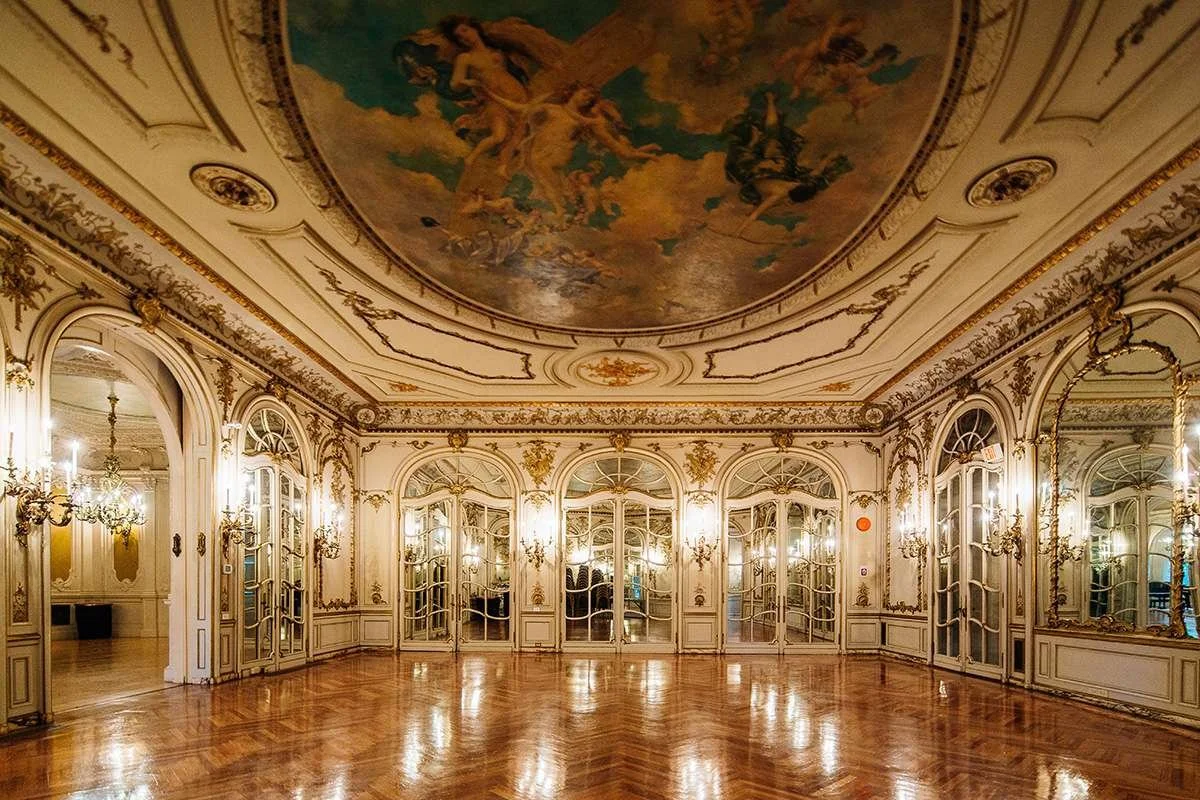
Grey Towers Castle
Grey Towers Castle – Rose Room Ballroom is a historic stone castle nestled on Arcadia University’s campus in Glenside, PA. With its grand architecture, leaded windows, rich wood details, and romantic old-world atmosphere, the Rose Room Ballroom feels timeless and cinematic. The space offers soft natural light and European-inspired elegance, making it a beautiful setting for film weddings, micro-weddings, and engagement sessions with a classic, storybook feel.
Arcadia University, near Philadelphia
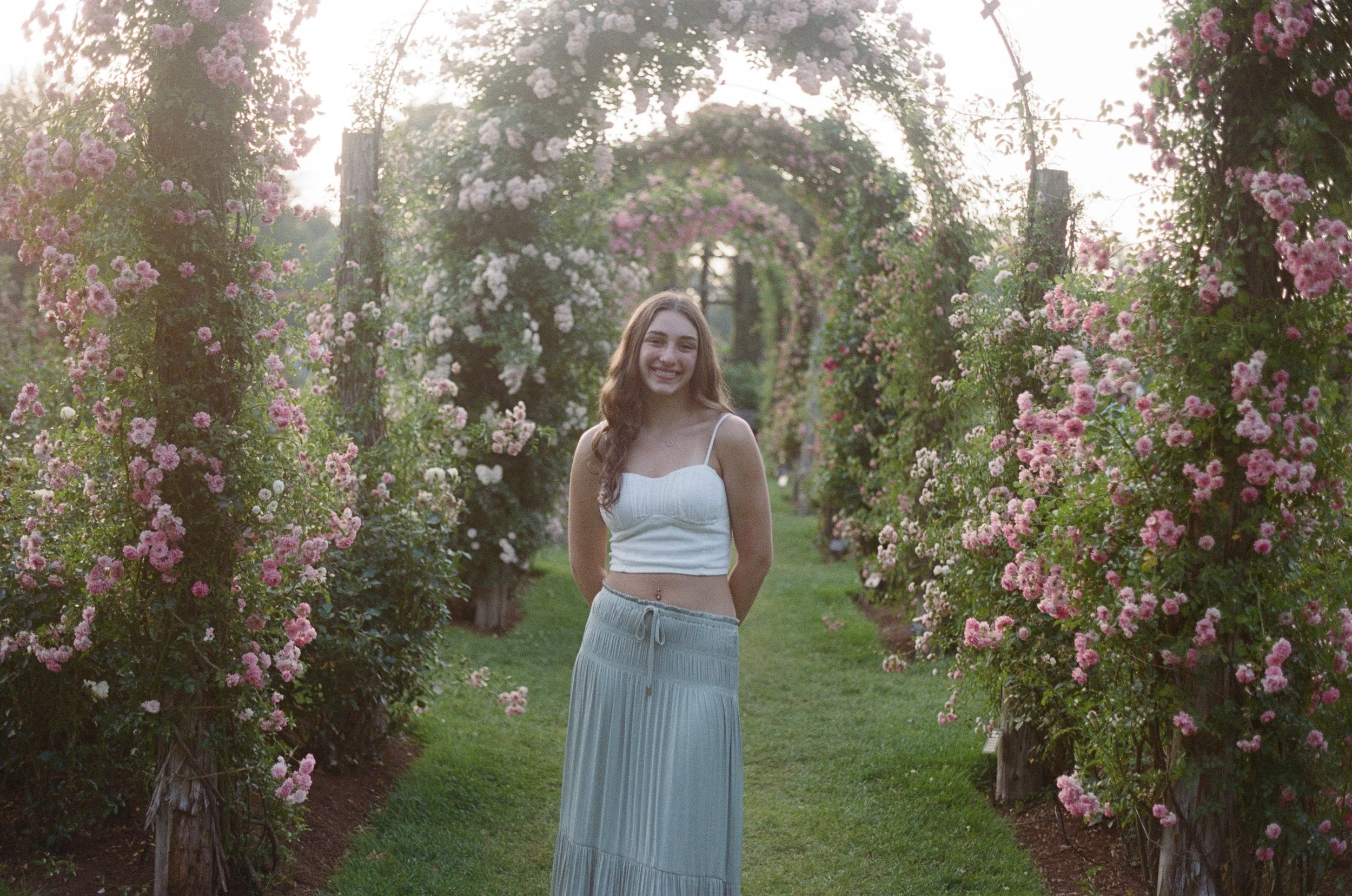
Greenhouses & Gardens
Greenhouses and botanical gardens offer a lush, light-filled setting that photographs beautifully on both 35mm and 120mm film. With glass ceilings, layered greenery, and soft, diffused light, these spaces feel romantic, timeless, and slightly transportive. The mix of structure and nature creates an editorial, old-world atmosphere—perfect for film-forward weddings, elopements, and engagement sessions that feel intimate and alive.
Anywhere, USA
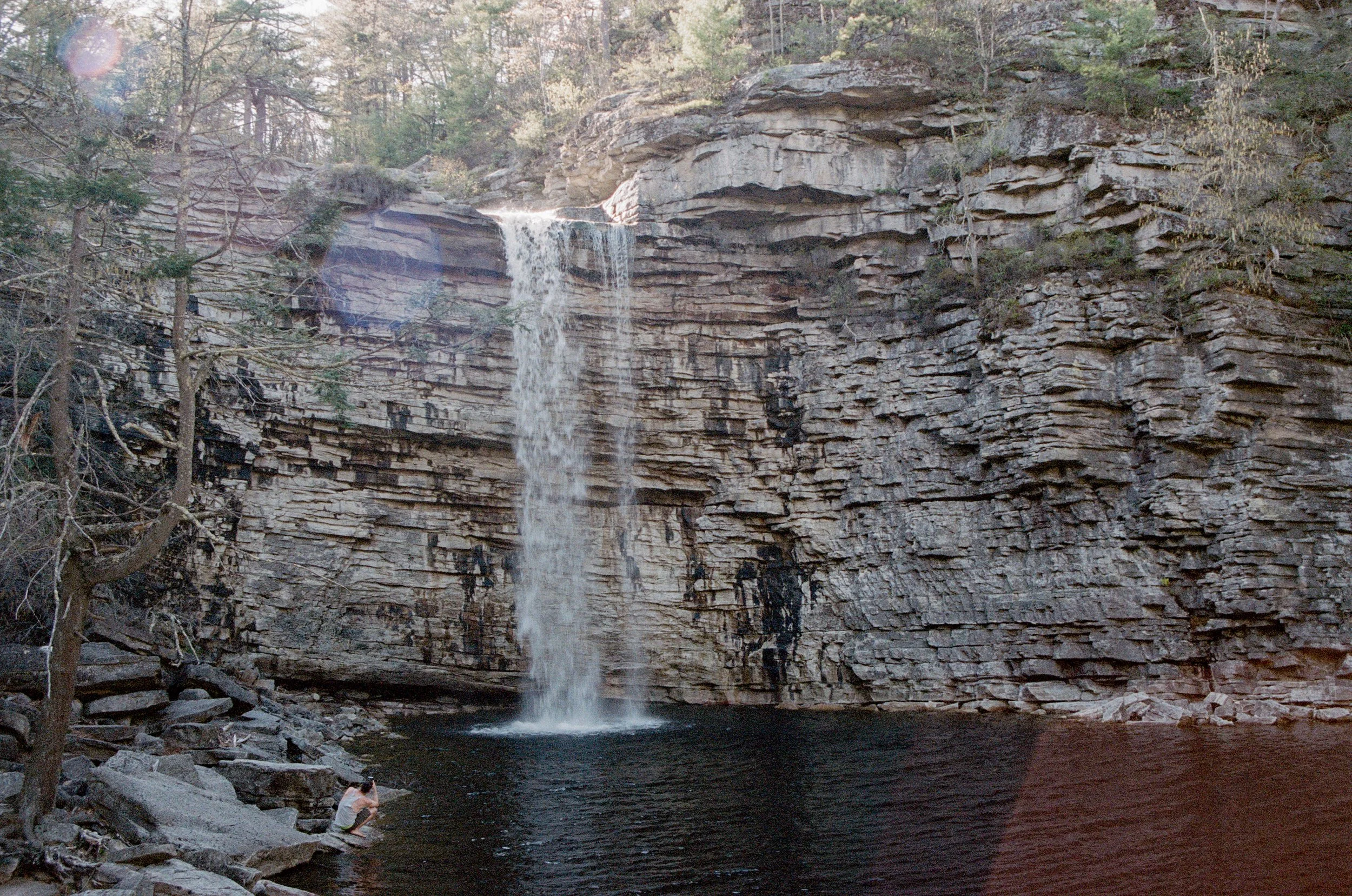
Accessible National Parks
Accessible national parks and scenic overlooks provide a cinematic sense of scale without the need for hiking or strenuous movement. Open landscapes, iconic backdrops, and natural textures translate effortlessly to film, offering depth, softness, and timeless contrast. These locations are ideal for couples who want a quiet, meaningful connection to nature—captured in a classic, documentary style on 35mm and medium format film.
Anywhere, USA
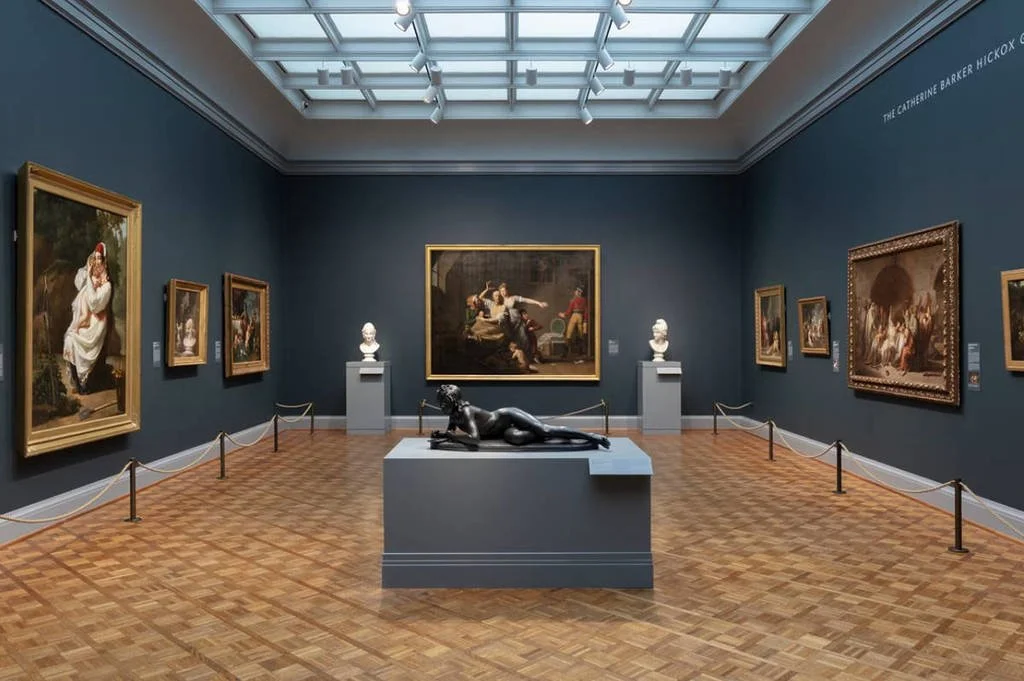
Creative Spaces & Museums
Peerspace studios, creative spaces, and art museums offer privacy, flexibility, and intentional design, making them ideal for film-first photography. From sun-drenched lofts and retro interiors to minimalist galleries and museum spaces, these locations allow texture, light, and composition to take center stage. Clean lines, curated details, and quiet moments create an editorial, nostalgic atmosphere, perfect for couples drawn to artistic, timeless storytelling.
Anywhere, USA
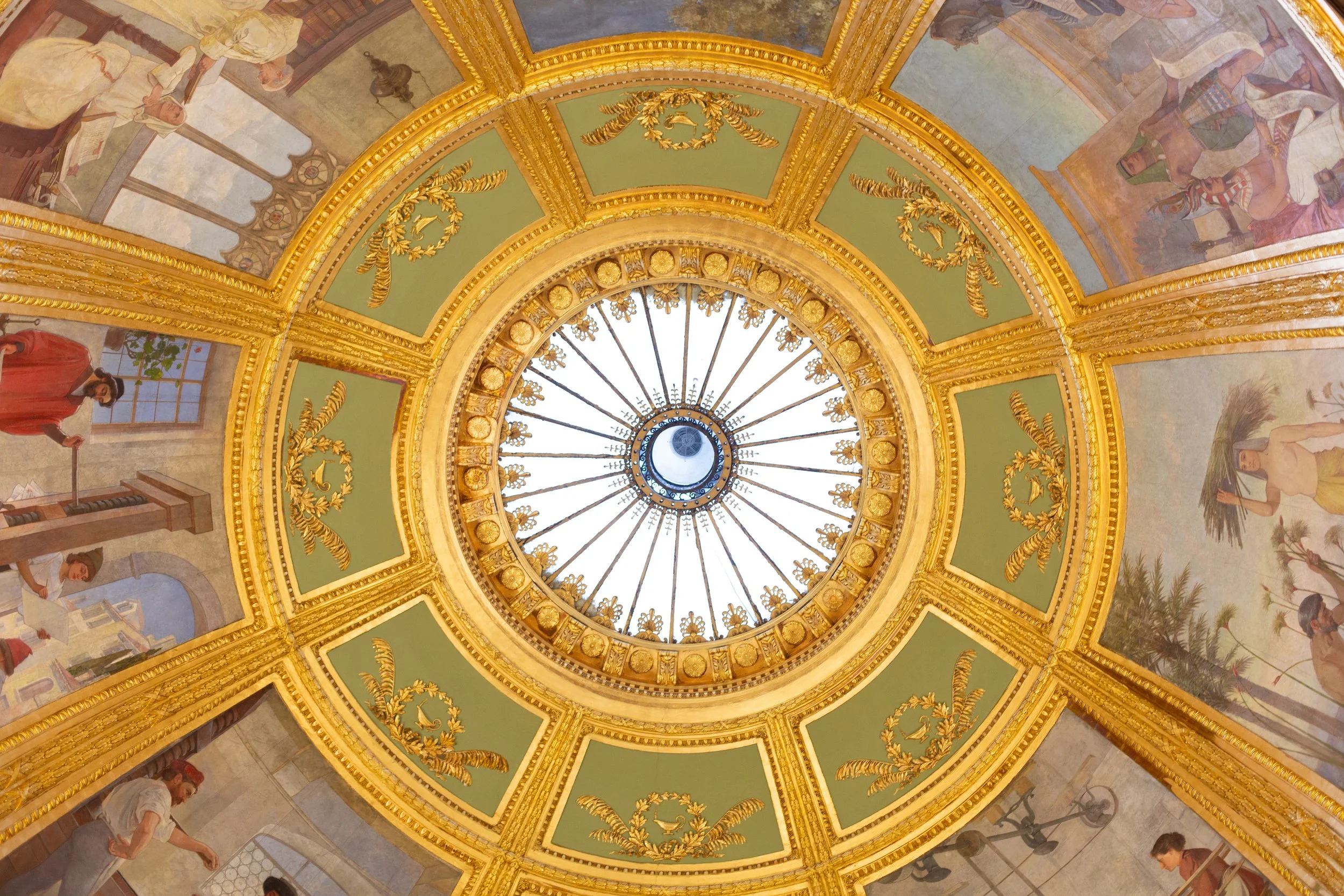
Iconic City Halls
City halls bring history, emotion, and architectural beauty together in a way that feels effortless on film. With grand staircases, marble details, tall windows, and quiet documentary moments, these spaces feel intimate yet monumental. Their timeless design and natural light make them a classic, cinematic choice. San Francisco City Hall, New York City Hall, Pasadena City Hall, and Philadelphia City Hall, are just a few options that would be lovely!
Anywhere, USA
Frequently Asked Questions ♡
-
I send my film out to Gelatin Labs in Maplewood, New Jersey.
-
Editing is where the magic happens. It’s the final step in making sure your wedding photos look exactly the way they’re meant to—timeless, emotive, and uniquely you. That’s why I choose Gelatin Labs for my film scans. They give me complete creative control, ensuring that every detail, from the warmth of golden hour light to the subtle richness in shadows, is preserved and ready for fine-tuning.
-
Film photography is beautiful straight out of the camera, but no scan is perfect right away. Even in the darkroom days, prints were adjusted for exposure, contrast, and color balance. The same principle applies to film scans—getting a quality scan means I can refine the image rather than fight against it.
Gelatin Labs offers Flat Tonality scans, which preserve the highlights, midtones, and shadows without locking in a specific look. This means I can edit each image to match the authentic tones of your wedding day instead of being stuck with a one-size-fits-all scan. They also provide high-resolution TIFF files, which store way more color and detail than standard JPEGs, ensuring that the final edits are rich, natural, and true to the original scene.
What this means for you
When you invest in wedding photography, you're investing in more than just a moment in time—you’re trusting me to tell your story with care and artistry. The edits I make aren’t about changing reality but about refining and enhancing the beauty that’s already there. By using professional-grade scans, I can deliver images that truly reflect the depth and emotion of your wedding day.
To show just how important this is, I’ll be sharing side-by-side comparisons of unedited vs. edited scans. These examples highlight why quality film scanning and thoughtful editing matter—and why investing in professional wedding photography is worth it.
Your wedding photos should feel as timeless as your love. That’s why I use Gelatin Labs.
-
A signed contract and a 50% non-refundable retainer secure your date. The remaining balance is due before the start of the event. The exact due date will be outlined in your contract and may vary based on when you book.
-
I’m based in Connecticut, but I LOVE traveling and photographing love stories in beautiful, character-rich locations throughout New England and across the United States. You can see some of my dream destination locations listed above, and if you have somewhere special in mind, I’d love to hear about it.
Travel Fees: To keep things transparent and simple, travel is handled as follows:
Local Travel: Weddings and sessions within 30 miles of my home base include no travel fee.
Extended Driving: For locations beyond 30 miles, a $150 travel fee per additional hour of driving applies. This helps cover time, mileage, and wear on equipment.
Destination Weddings & Elopements: For destinations requiring airfare, custom pricing is provided. Couples simply cover travel and lodging, allowing me to focus fully on creating thoughtful, nostalgic, documentary-style images. All destination travel costs are discussed and approved in advance — no surprises.
If you’re unsure how travel applies to your location, I’m always happy to walk you through the details during the planning process.
-
Because I photograph small intimate weddings and elopements, I typically shoot solo. However, if you’d like a second photographer for additional coverage, I can arrange that for an additional fee.
-
Rain can add beautiful, cinematic elements to your photos! However, if needed, we’ll create a backup plan for portraits or adjust our timeline to work around the weather.
-
Galleries are delivered in 6-8 weeks.
-
Large Event Fee: A large event fee of $1,000 applies to weddings with over 50 guests. I intentionally keep weddings intimate (under 100 guests) to maintain a relaxed, documentary approach. This fee helps cover additional coordination, film volume, and extended editing time.
Polaroids: Add Polaroids to any package for $300. Includes 10 Polaroids, high-resolution digital scans, and the physical Polaroids mailed to you after the wedding.
Film Scanning Options (Optional): All film packages include professional lab development and Pro-level scans, which are ideal for online sharing, prints, and albums. For couples who want maximum image detail or archival-quality files, optional upgrades are available:
Super-Pro Scanning: (higher resolution, maximum detail)
Available for an additional per-roll fee (pricing varies based on current lab rates)Contact Sheets: Optional contact sheets showing every frame on each roll
Available for an additional per-roll feeIf you’re interested in upgrading your scans or adding contact sheets, I’ll walk you through the options after your wedding and confirm pricing before film is sent to the lab. Any scan upgrades must be approved and paid for prior to development.
Not sure which scan option you need? Don’t worry! Most couples are perfectly happy with Pro scans, and I’m always happy to advise if an upgrade makes sense for your goals.
Travel Fees
I’m based in Connecticut, but I love traveling throughout New England and beyond to photograph weddings, micro-weddings, elopements, and engagement sessions.
Local Travel: Weddings and sessions within 30 miles of my home base include no travel fee. For locations beyond 30 miles, a $150 travel fee per additional hour of driving applies. This helps cover time, mileage, and wear on equipment.
Destination Weddings & Elopements: For destinations requiring airfare, custom pricing is provided. Couples simply cover travel and lodging, allowing me to focus fully on creating thoughtful, nostalgic, documentary-style images. All destination travel costs are discussed and approved in advance — no surprises.
-
The best way to tell if we’re a good match is whether my approach feels like your ✨vibe✨.
For each photography session, I show up as your professional friend with a camera. I’m there to observe, keep things calm and comfortable, capture the joy and the in-between moments, and give you breathing room to actually be present and enjoy your day.
We’ll be an excellent match if you want:
Film-forward, documentary-style photos
A calm, unhurried experience
Natural moments over heavy posing
Small weddings, micro-weddings, and elopements with an intimate feel
Not the best fit if you want:
A heavily posed, editorial-only shoot
A fast-paced, “photo list all day” vibe
Full-day coverage for 150+ guests
A quick note about “Pinterest” photos: The photos I capture are true to you. Nothing can be recreated perfectly, nor should it be. I observe the day and photograph moments as I see them unfold in front of me. If you’d like to send over your Pinterest inspiration boards, I can tell you if I photograph in a similar style. However, the best way to know if you’ll love your final gallery is if you already love the images on this page, the galleries under Recent Work, and the photos in my portfolio.
If you’re not sure if we’re a match or not, that’s okay — reach out anyway! I’m always happy to chat and help you figure out what coverage makes the most sense for your day. I want both of us to feel comfortable so you can have the best experience possible.
-
Yes! If I have availability, I actually love the excitement of a last minute booking! Of course everything is subject to availability, travel, and if any photography permits are needed, but do not hesitate to reach out! I love capturing love stories so much, and I’m here to help you with your needs — however short notice they may be!
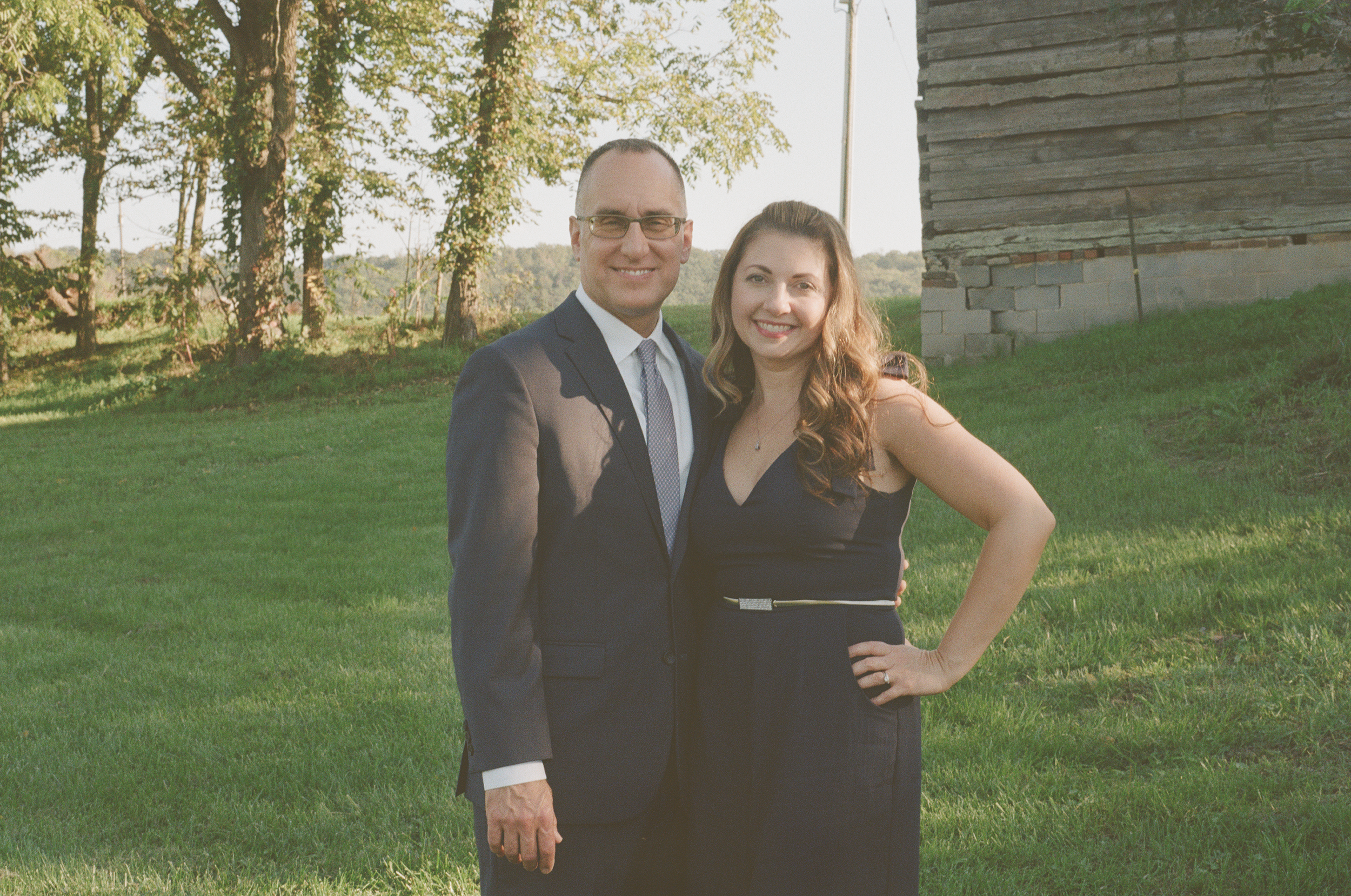
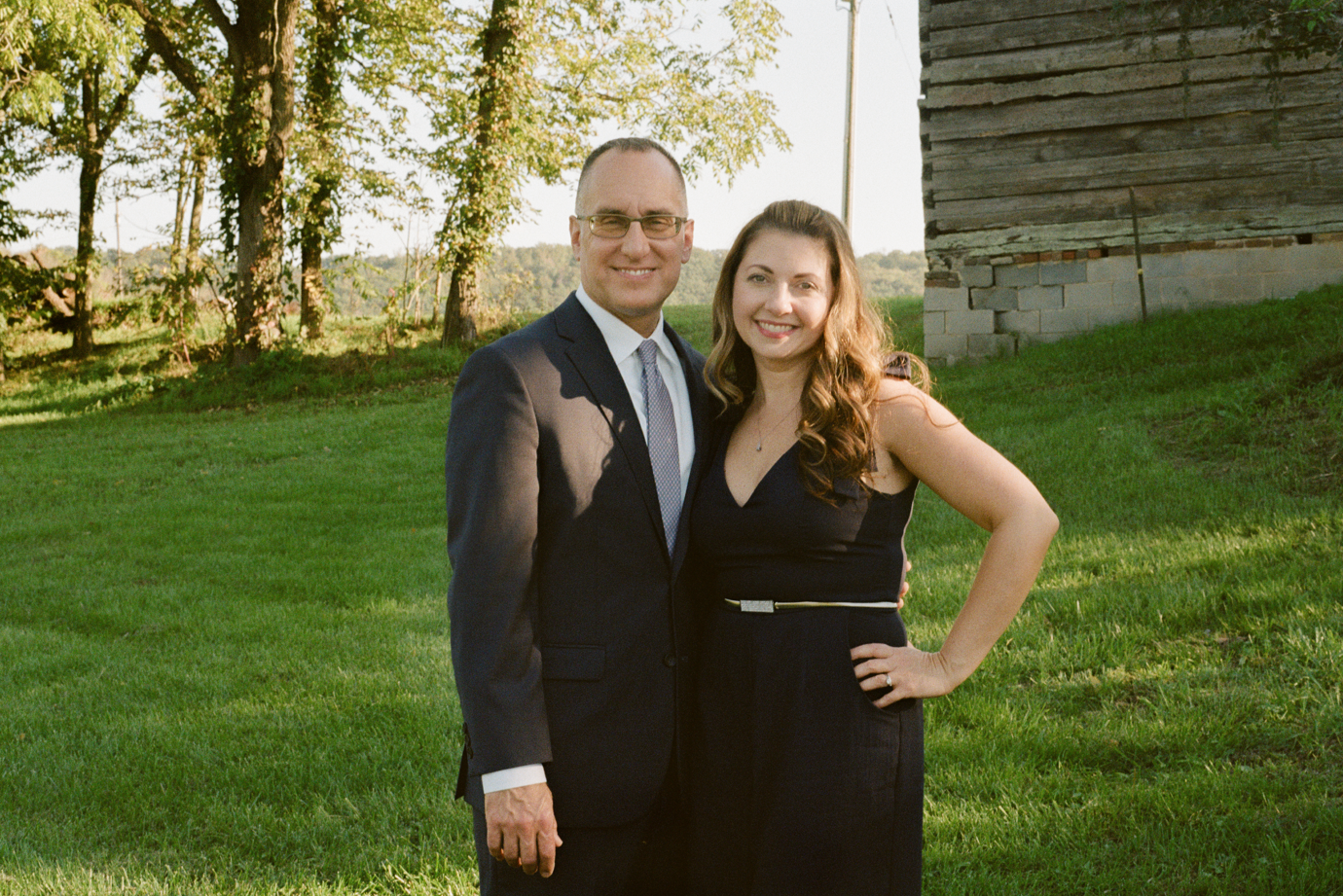
➜
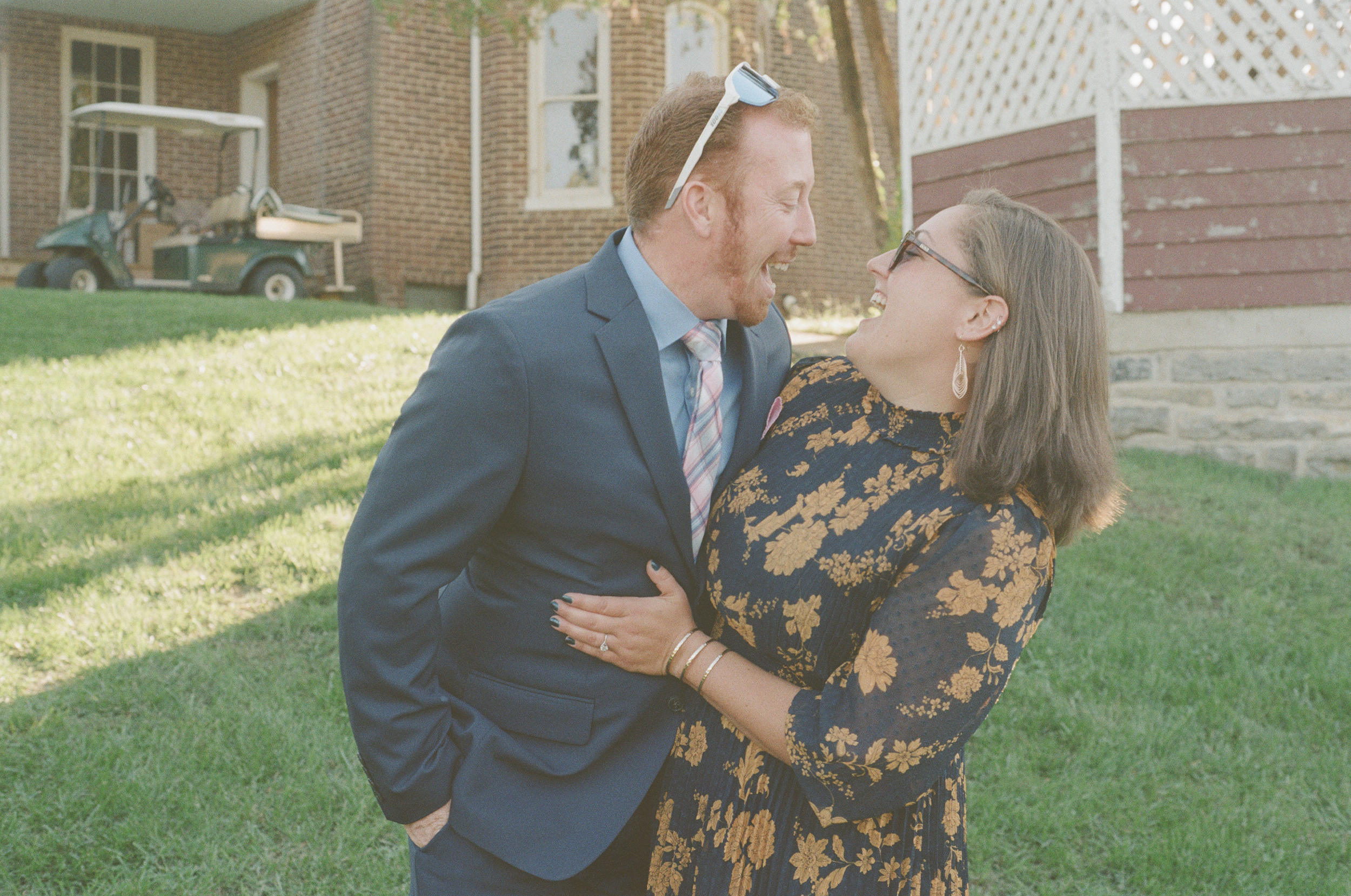
➜
Unedited flat neutral film scan from Gelatin Labs
Edited film scans
Love, on Film.
Everyone’s love is unique — my job is to capture it exactly how I see it. Let’s get in touch! Get your estimate below ♡
Let’s work together!

Hello there! I’m Briana — A Connecticut-based artist specializing in film wedding & elopement photography, writing, and design.
Currently, I’m focused on film wedding and elopement photography in CT, New England & beyond. Specializing in 35mm & 120 film, I capture engagements, elopements & micro-weddings with a nostalgic, documentary style. From Connecticut weddings to destination celebrations, I create authentic, timeless film images that feel like beautiful memories. As both a Connecticut wedding photographer and a destination photographer, I’m drawn to settings that feel cinematic, nostalgic, and timeless — city halls and courthouses; retro hotels, historic inns, art-deco spaces, and vintage motels; art museums, libraries, greenhouses, and natural landscapes. Thanks for reading & let’s stay connected!
view my recent work
♡
view my recent work ♡
Photography Reviews & Photos
-
![]()
Christa & Wyatt
“Briana did an amazing job I cannot recommend her enough! Me and my husband eloped and wanted to do an intimate elopement party/wedding reception with a film photographer to capture couple and family portraits, mixed in with candid moments of us with our closest friends and family. Briana was able to capture that and more while adding some creative shots that exceeded my expectations. She is very fun, easy to talk to/work with and has a great eye for photos and all things creative.”
-
![]()
Sheyla & Italo
“Highly recommended. Briana is a phenomenal photographer. She is a very cheerful, friendly person. Her vibe is absolutely special and makes you feel relaxed on the occasion. The moment we connected via phone call, her professionalism, passion, and creative vision were evident. She helped us capture moments, emotions, and memories in a way that felt both artistic and authentic. She made our wedding so special, not just through her excellent photos, but through her warm presence, genuine care, and patience with every shot.”
-
![Rose garden wedding on film by Briana Raucci at Elizabeth Park Rose Garden]()
Huanna & Shawn
“We hired Briana for a pre-wedding portrait session—something that isn’t especially common in the U.S.—and she handled the entire process seamlessly. We had Briana take 35mm film photos at Hartford City Hall and Elizabeth Park Rose Garden. What we loved most was the way she balanced documentary style with editorial compositions. The photos feel romantic and cinematic without looking staged. We’re incredibly happy with how everything turned out and would recommend Briana to anyone looking for a thoughtful, artistic photographer—especially if you love 35mm film, vintage aesthetics, and wedding photos that feel natural, emotional, and full of character.”
-
![]()
Valentina & Luca
“We loved working with Briana for our small wedding elopement. She was so kind, easy to work with, and incredibly helpful—we never felt lost at any point. She went above and beyond, brought an amazing array of cameras, and the film photography was honestly stunning and timeless. We’re really glad we chose her and would definitely recommend her.”
-
![]()
Josh & Allie
“Briana was absolutely amazing! We loved her creativity and, most importantly, her ability to capture such great photos during a high-pressure, live engagement. She made everything feel natural and effortless while still finding unique angles and moments that we wouldn’t have thought to capture ourselves. The photos turned out incredible and really captured the emotion and excitement of the moment. We couldn’t be happier with how everything came out and would highly recommend Briana to anyone looking for a talented, creative, and easy to work with photographer!”
-
![small wedding photography by Briana Raucci. CT fil, wedding photographer for micro weddings]()
Andrew & Patricia
“We hired Briana as our photographer for our small / micro wedding, and our experience was more than amazing. We were looking for a film wedding photographer because we love vintage-inspired photography, and the photos Briana captured during our wedding turned out sooo pretty, more than expected! Briana's approach to small and intimate weddings felt professional and welcoming. Briana made us feel so social and unique! Thank you, Briana. We can't thank you enough.”
-
![The Hrvatin's newborn family photo on film by film photographer Briana Raucci]()
The Hrvatin's
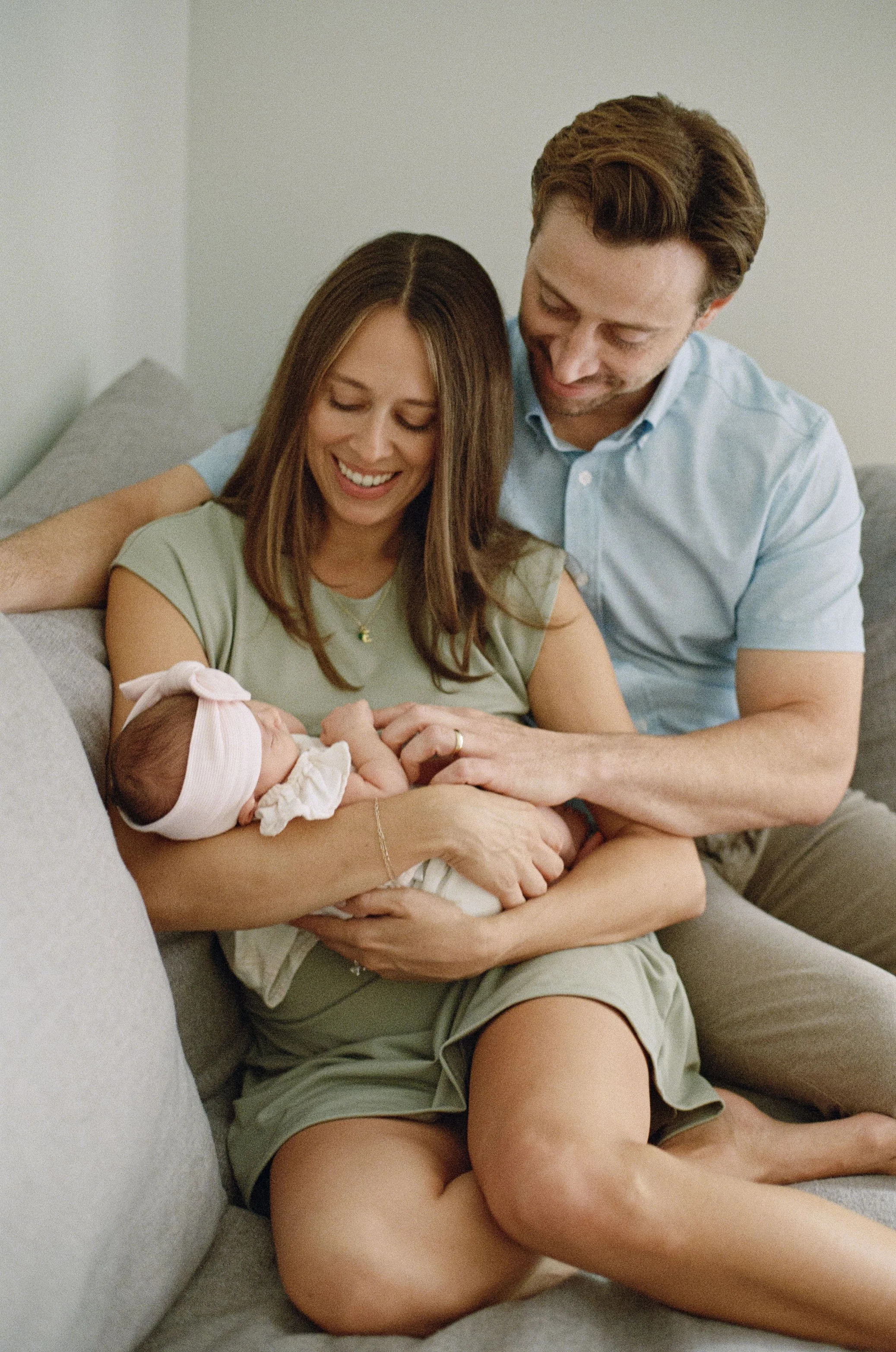
“We couldn’t be happier with Briana’s photos. From our engagement photos to our recent family session with our newborn, she has captured some of the most meaningful moments of our lives beautifully. Her talent with both film and digital photography gives her work such a timeless, authentic, personal feel. She has an incredible eye for detail and a way of making everyone feel comfortable and natural in front of the camera. We will treasure these photos for a lifetime and couldn’t recommend her more highly!”
-
![Alexa & Tom wedding]()
Alexa & Tom
“Briana is a multitalented designer, photographer, and overall artist. This spring, we collaborated on two projects: the kickoff of our cooking sociall and my bridal shower photos. With our photos, she took the time to understand what we wanted from the event, who we needed to capture, and the feeling we wanted to convey through the images. She brought 3 cameras, one digital and two film. The final products reminded us of a rom-com! The turnaround time was wonderful, and we are so happy to have these memories for life.”
-
![Couples Engagement photos, laughing in front of Devils Hopyard Waterfalls by Briana Raucci]()
Vicki & Kevin
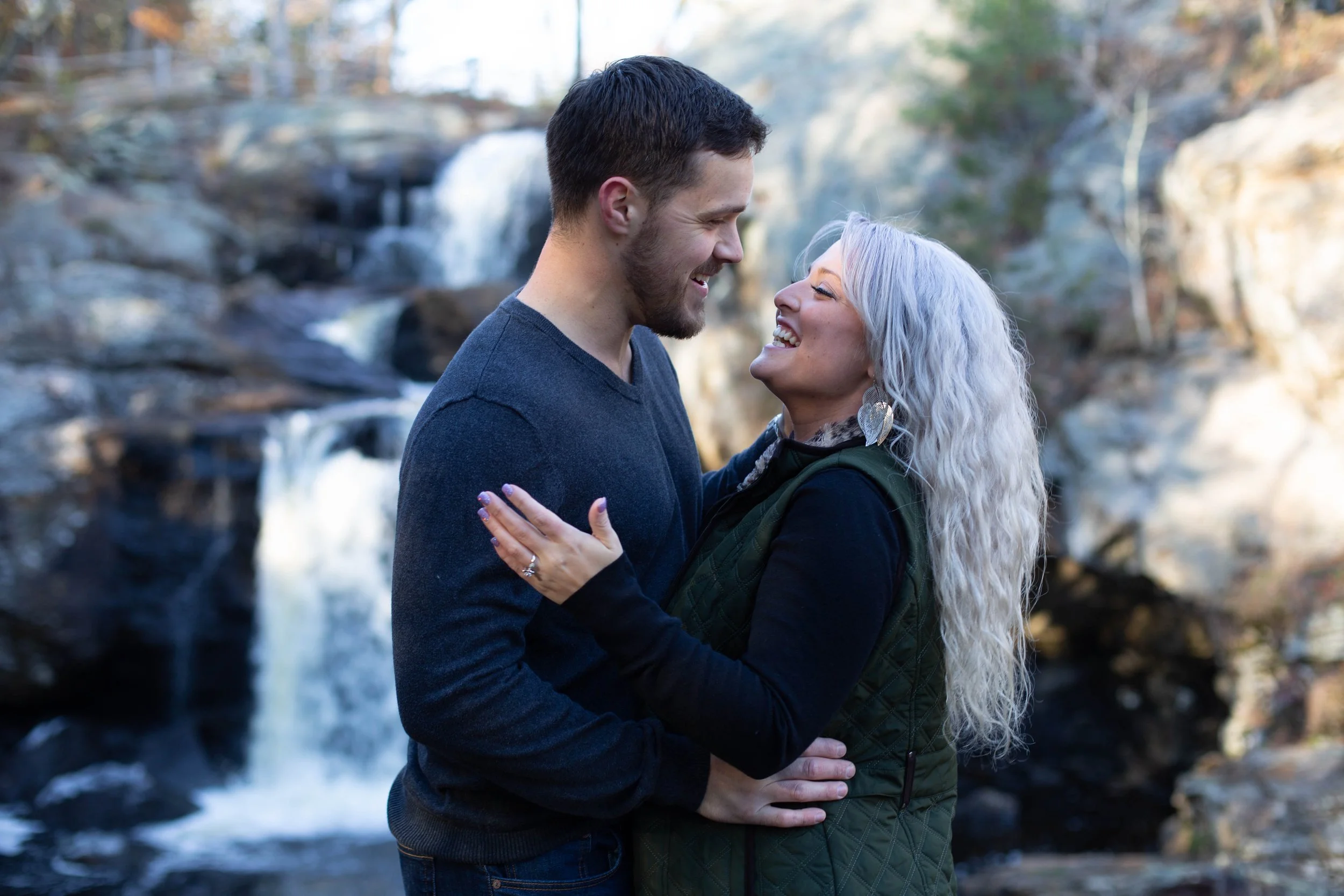
“Highly recommend Briana for any photo needs. She shot our engagement photos that we absolutely love! She was easy to work with in scheduling, and was great in giving us posing directions, and finding a beautiful spot. Briana genuinely made our shoot fun which helped keep us relaxed and I think that came through in our photos. 10/10 would use her for future photo shoot needs!”
-
![Husband and wife exchanging vows]()
Bryce & Matt
“Briana did our wedding. It was a small, intimate affair at Madison Beach Hotel and she was the perfect choice- super professional, laid back and delivered amazing photos we still cherish. She blended in seamlessly and made the whole experience a dream. I can’t recommend enough. 10 stars!”
-
![Engagement photos of a couple laughing together]()
Jordyn & Matt
“Briana was absolutely amazing to work with! She did engagement photos for my husband and I and also created a personalized drink sign for our wedding. She is extremely attentive to detail, patient, and passionate about art. I would recommend her to anyone!”
-
![Film branding photo in CT by Briana Raucci]()
Dani
“Briana is one of the only few people I’d let photograph me. I usually am behind the camera and she made me feel incredibly comfortable in front of it. I needed creative branding photos and wasn’t sure if I wanted digital or film done, so she said we could do both. She is so incredibly thoughtful, funny and talented. I can’t wait to get more branding photos and headshots from her in the near future.”
-
![Corey Torok]()
Corey Torok
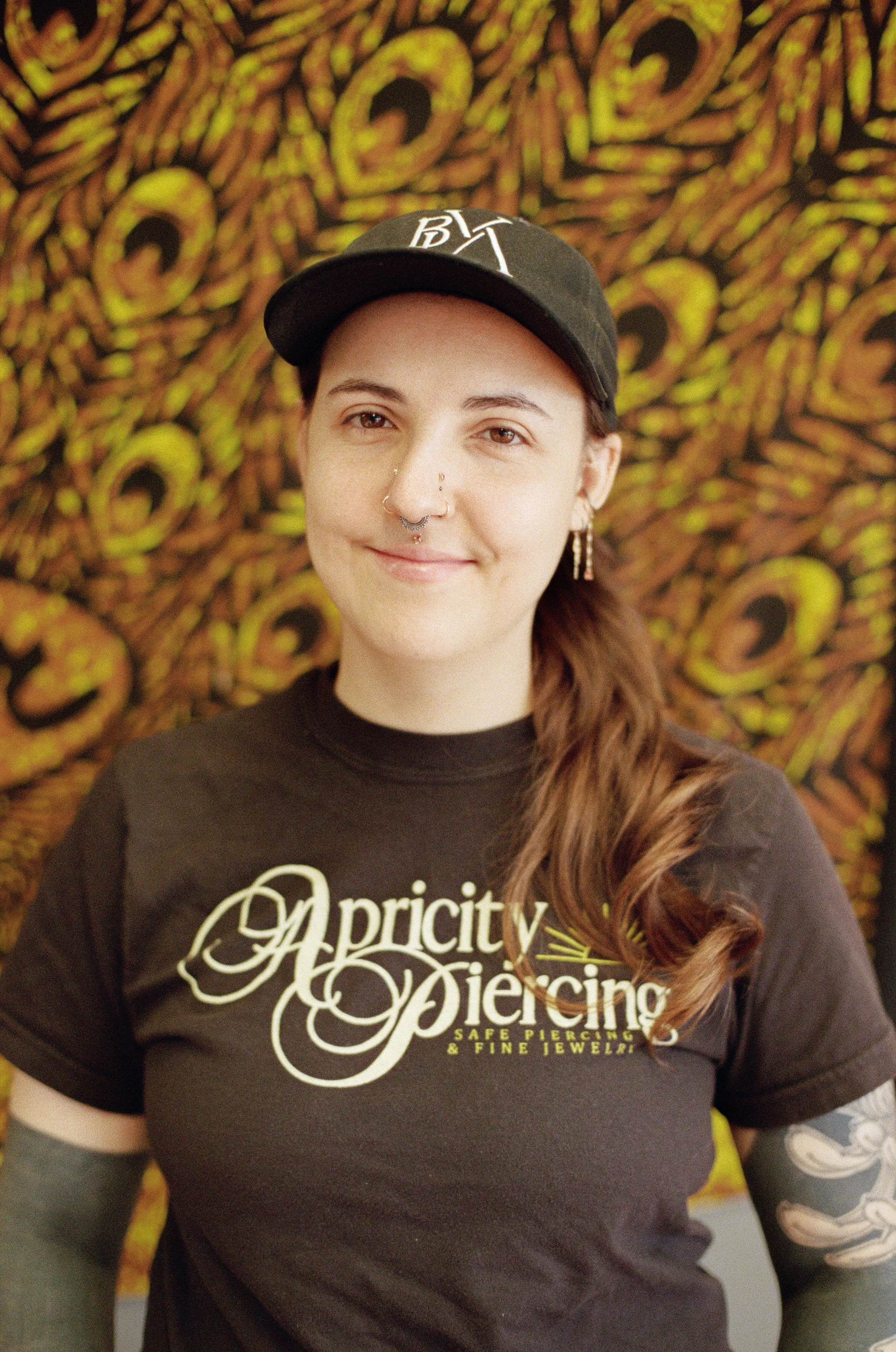
“Briana is truly phenomenal to work with! She has an incredible talent for capturing the emotion and energy of a space, along with a beautiful eye for all of the little details that make it unique. She perfectly captured the atmosphere and personality of my piercing studio in a way that felt authentic to my brand. Beyond her talent behind the camera, she creates such a fun, comfortable experience that makes the entire process feel effortless. She ensures everyone involved feels seen, respected, and at ease throughout the shoot, and the final images reflect that genuine connection! I'm so grateful to have connected with Briana and couldn't be happier with the photos she created for me. I can't wait for the opportunity to work with her again on future photography projects!”
-
![]()
Eddie & Sal
“Bri was a professional! She took excellent headshots for my business cards and couples photos! She helped get my business cards designed and printed. She has exceptional taste and a great eye for detail. I would recommend and use her talents again thank you!!”
-
![Husband and wife taking a selfie while they sign paperwork in the town hall on their wedding day]()
Ericka & Mario
“Briana took newborn photos of our son Carter and we loved her work! We had to have her take our wedding photos! She did an amazing job capturing our wedding at New Haven City Hall. I would absolutely recommend her!”
-
![Couple dancing on their wedding day]()
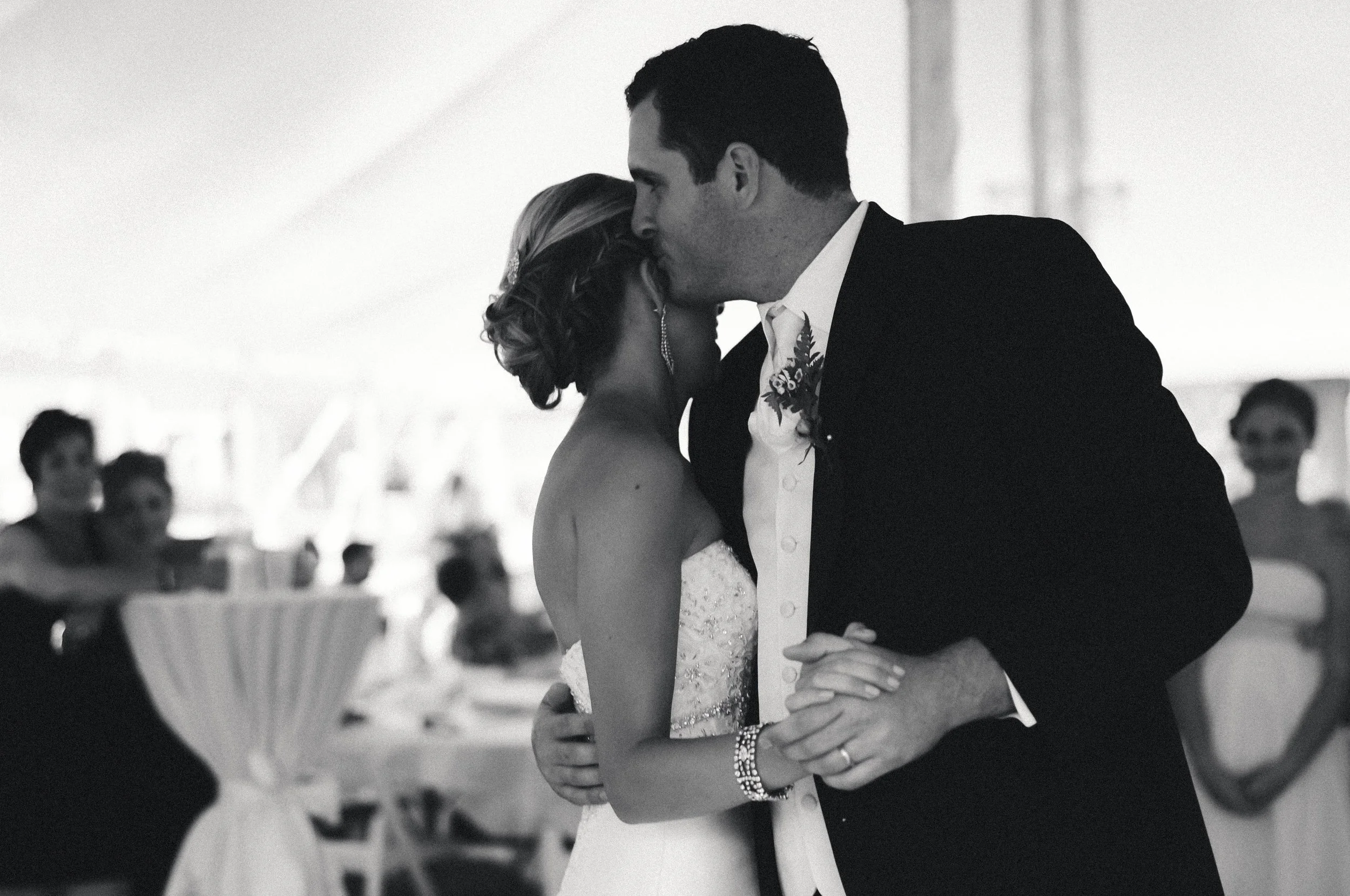
Joe & Jessica
“Could not have been happier with Briana's work! She was fast, smart, creative and super helpful. Everything we wanted was accomplished -- and at a super reasonable price! Would use again for family photos or other photo needs, for sure.”
-
![Melissa gender affirming photoshoot by Briana Raucci film photographer in CT]()
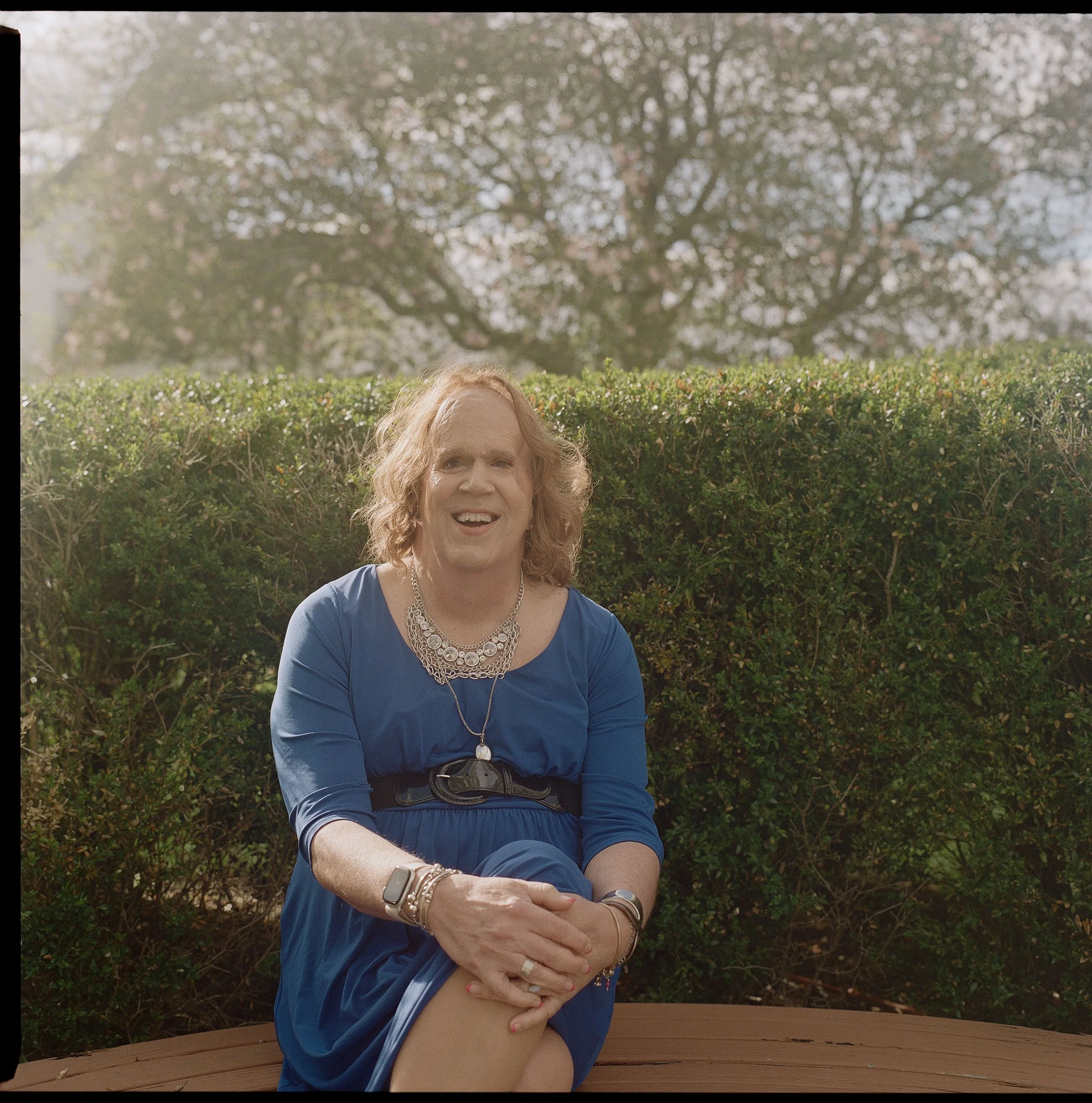
Melissa
“I had a gender, affirming film photo shoot with Briana and it was a wonderful experience. I am legally blind, and she really went out of her way to accommodate that, she came up with wonderful suggestions as to where we should do the photo shoot, she assisted me and making arrangements for hair and makeup prior to the photo shoot and it was a pleasure working with her. The photos she took came out really, really great and I highly recommend her for all types of photo shoots.”
-
![Couples pose in CT vineyard]()
Steven & Joey
“I hired Briana to photograph my wife's birthday, which took place at a beautiful location. Briana has an amazing eye, a true artist. The shots of our friends and family are scrolling through our digital frame, we see them daily. Her pictures of the venue are gorgeous. She is a great photographer, artist, and editor.”
-
![A couple is laughing at eachother on 35mm film]()
Lauren & Bobby
“Briana did headshots for us and they came out absolutely amazing! Highly recommended, will be using again and again!”
-
![A couple laughs together on their wedding day]()
Natalie & Donny
"Briana did an incredible job with both our wedding and engagement photos. We printed them out and look at them every day. We loved Briana’s work and would highly recommend her for your film and digital photography needs.”
-
![Couple kissing with snow behind them and red roses on their wedding day]()
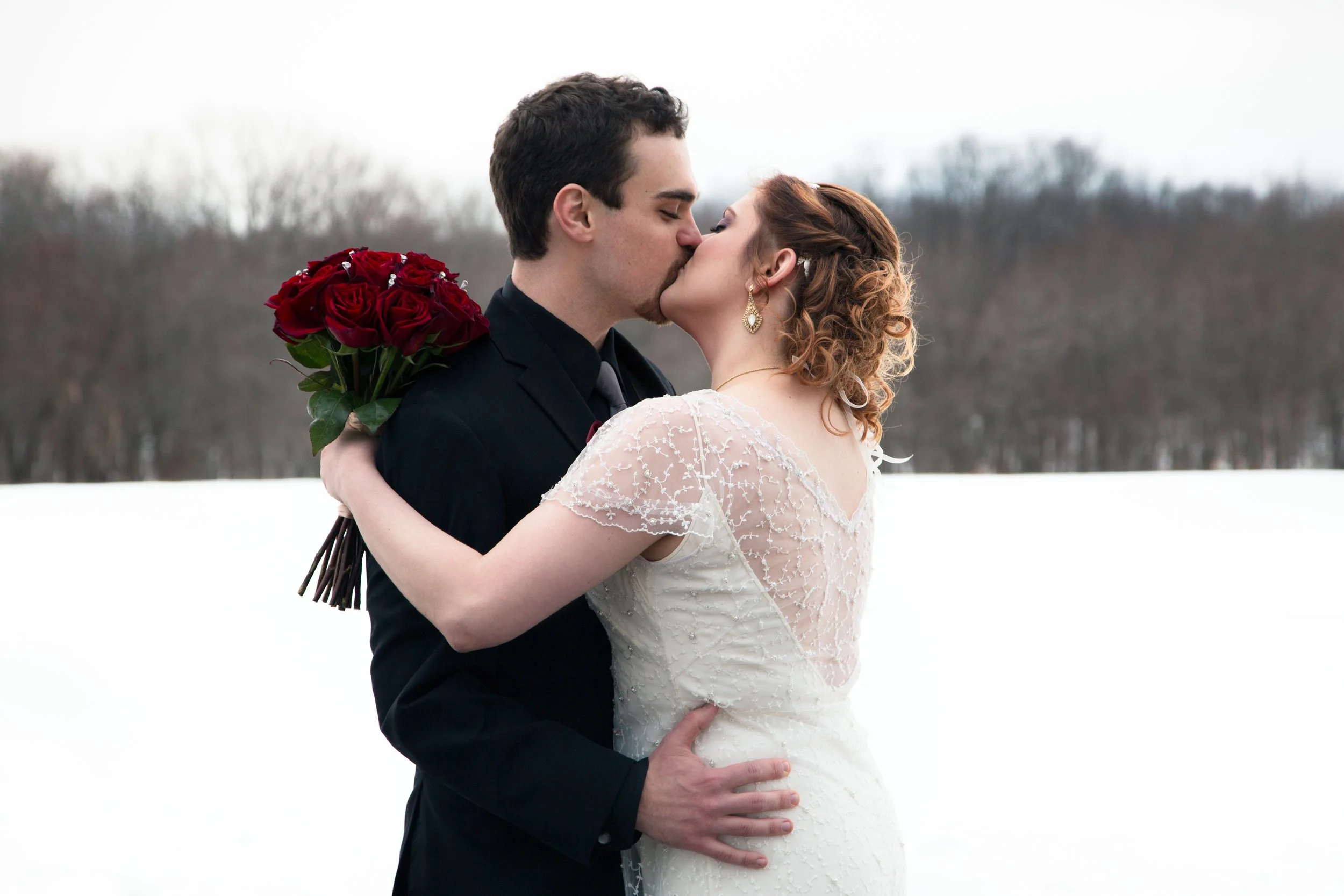
Seth & Alyssia
“Briana took our wedding photos back in March 2017 and we would definitely recommend her. Bri made us feel comfortable even in the cold weather and made our wedding very special. We had fun and created memories we’ll remember for a lifetime.”
-
![Emily & Danny walk in to their wedding reception]()
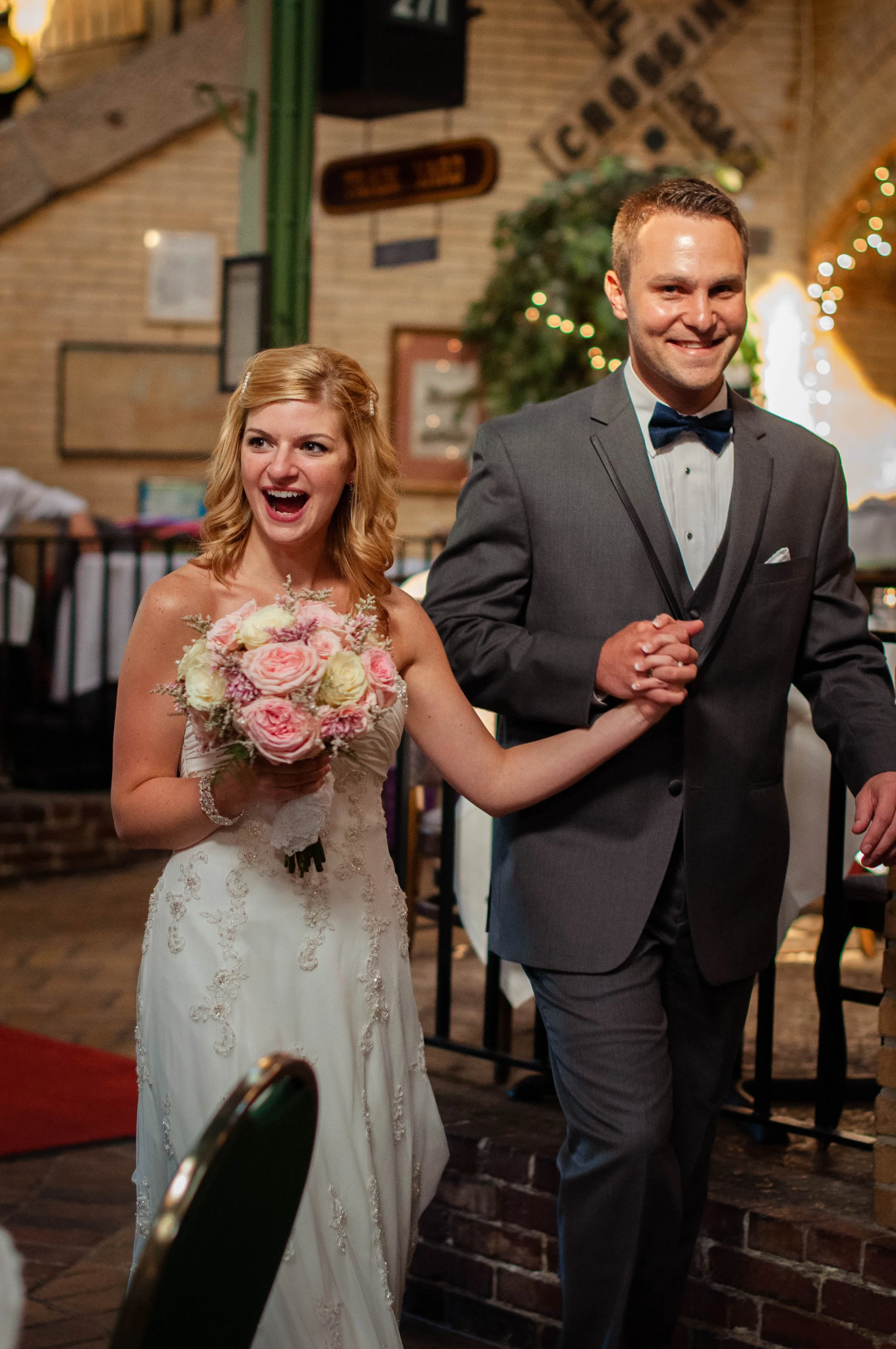
Emily & Danny
“We adore the candid wedding photos Briana took at our wedding. She captured intimate moments no one else noticed and we would absolutely recommend her for your photography needs.“
-
![Jordan gets ready on her wedding day. Bride Smiling at camera]()
Jordan & Jimmy
“We loved Briana’s photos of our engagement and at our wedding. Briana’s work is so stunning that I actually hired her to travel for my cousins wedding as well. She is worth the investment and her work speaks for itself. Briana has also taken branding photos for my business over 10 years ago that I still use to this day. It is beautiful, candid, and genuine to the experience. 10/10 would recommend.”