Film vs. Digital
Why Film Wedding Photography Looks Timeless & Is Film or Digital Right for You
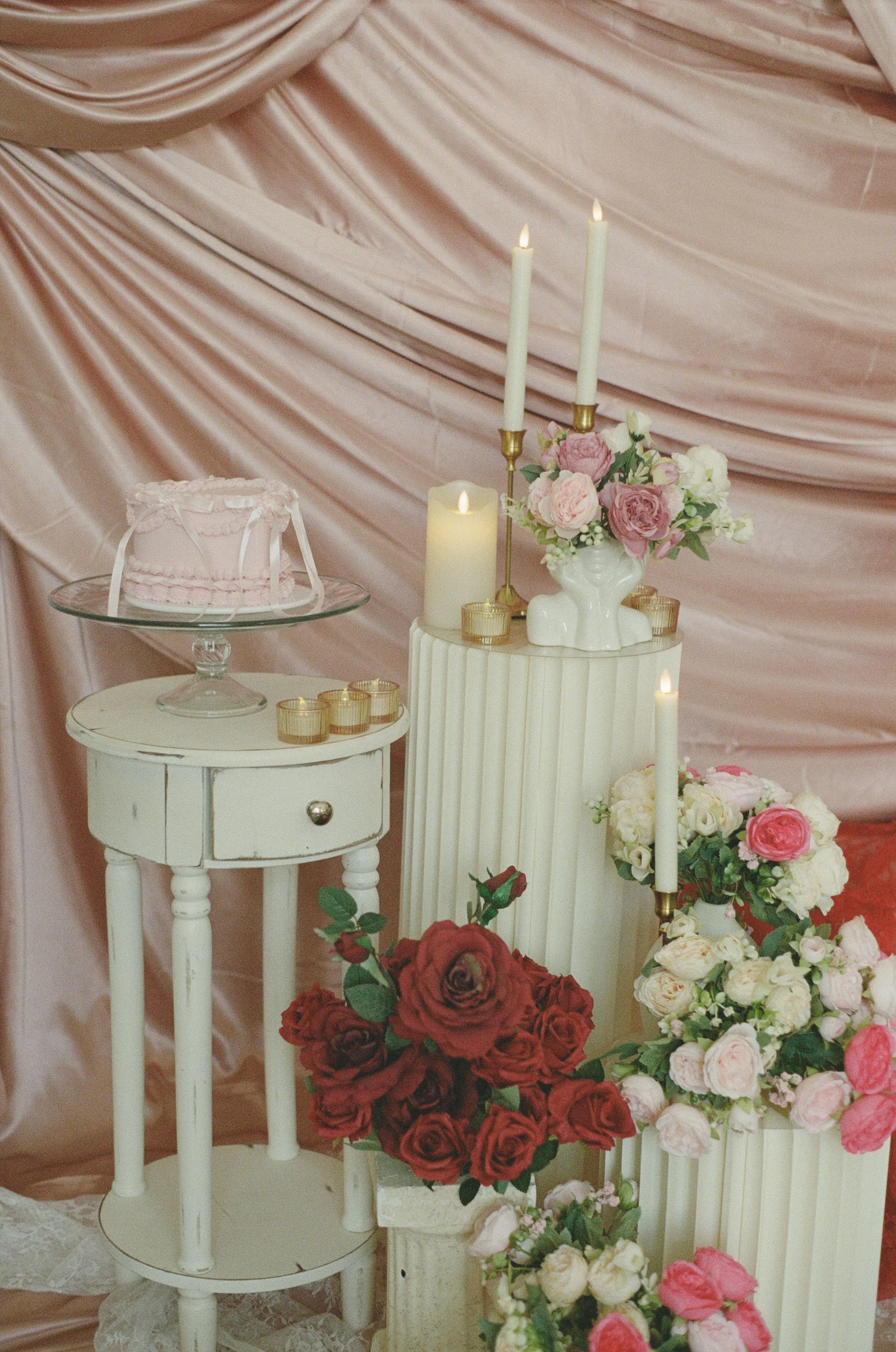
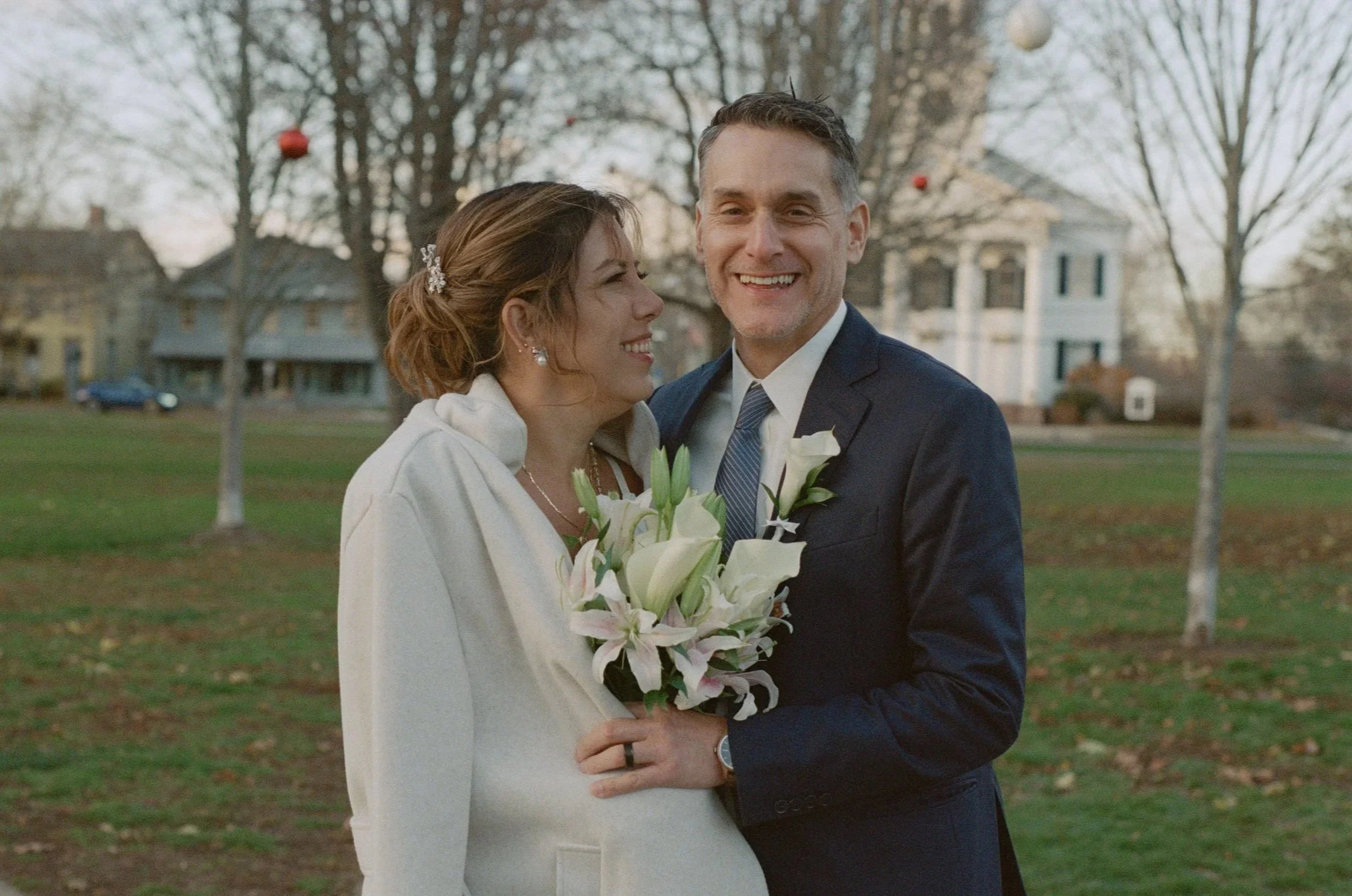
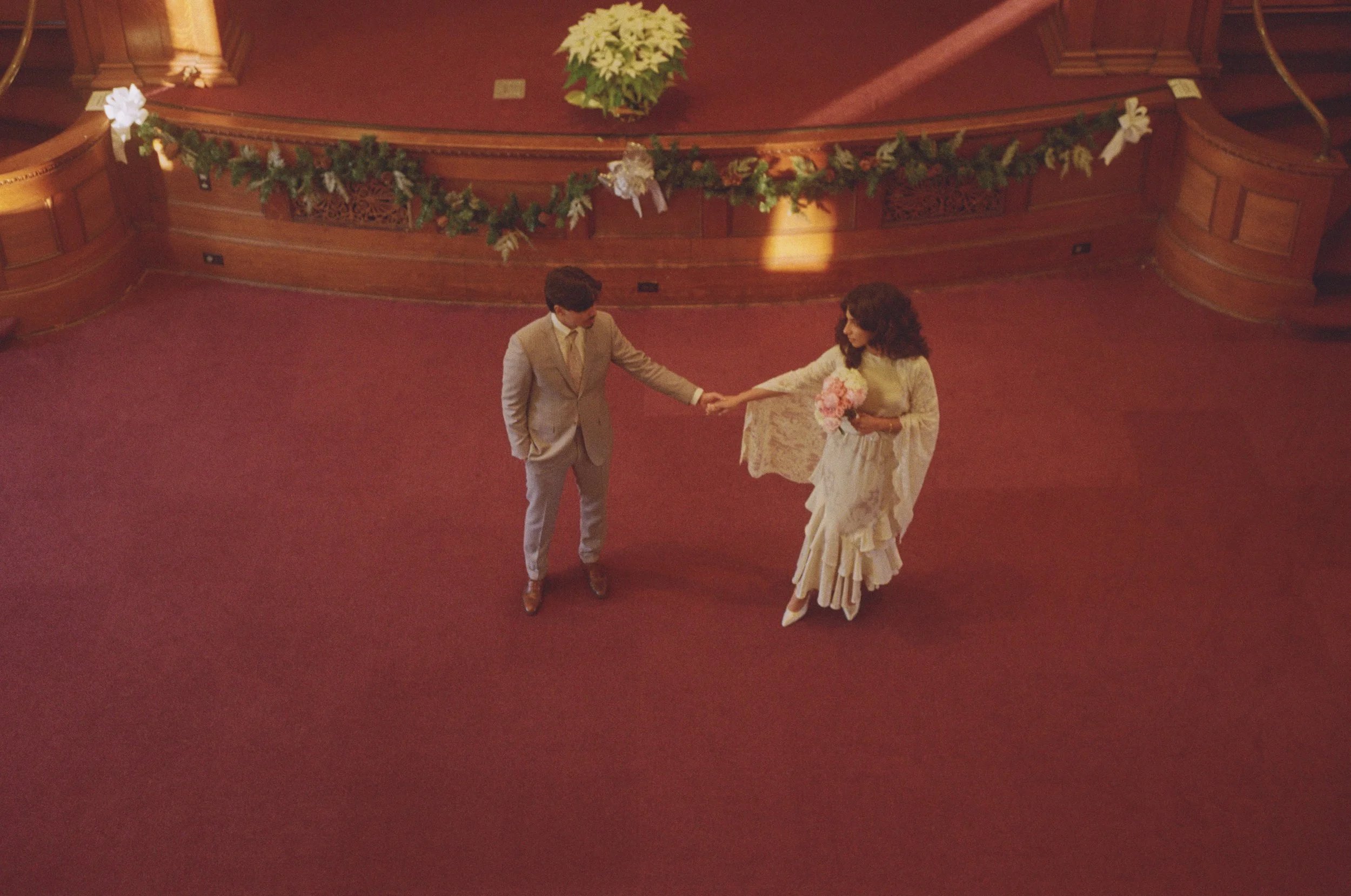
If you’re planning a wedding, elopement, engagement, or family portrait session, you’ve probably asked yourself: Is film photography worth it, and how does it compare to digital?
Those are excellent questions to be asking, so let me help you figure out your needs and priorities! On this page, I outline the differences between film and digital photography, the pros and cons, and why I choose to shoot film as a small wedding & elopement photographer.
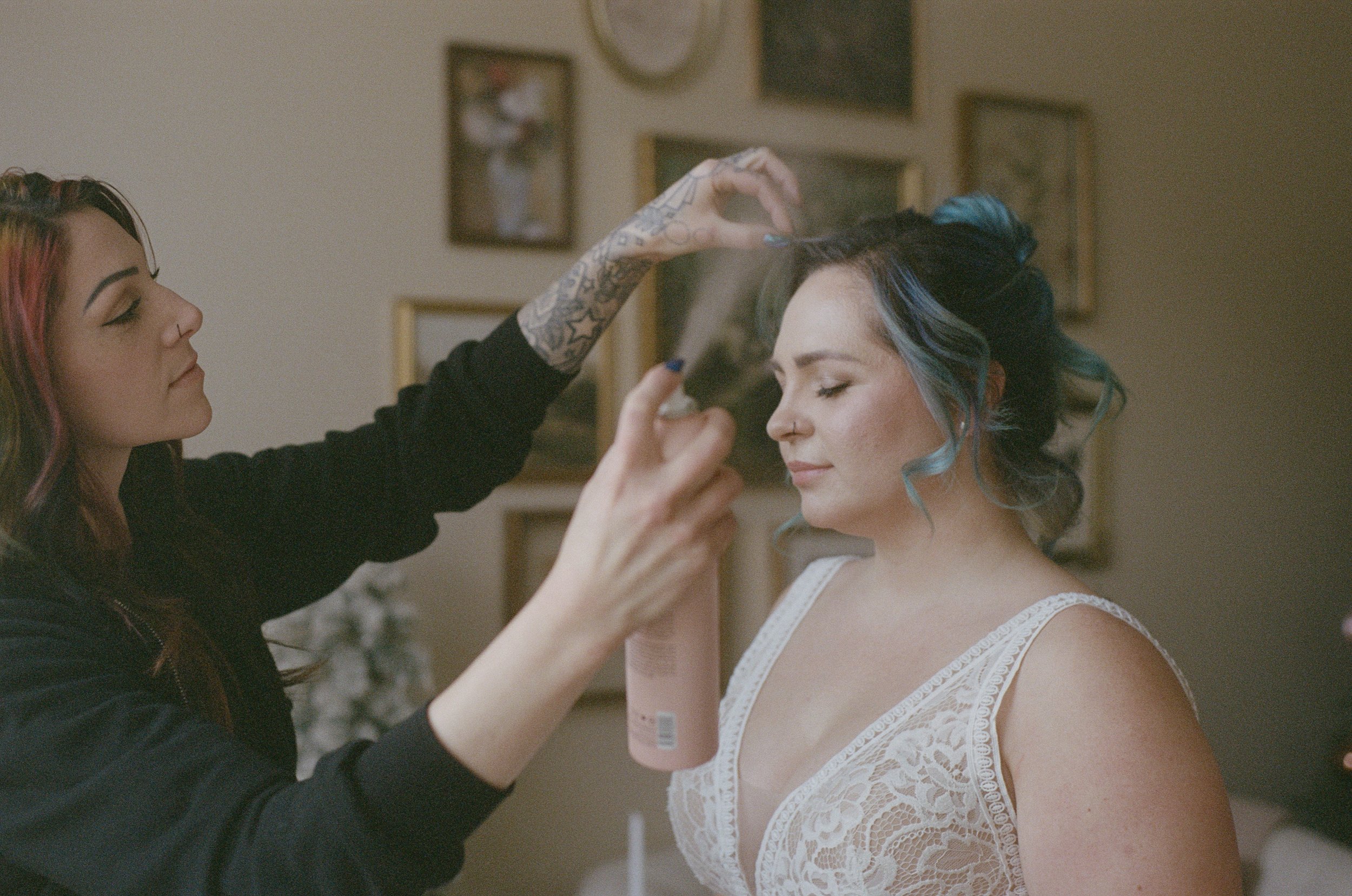
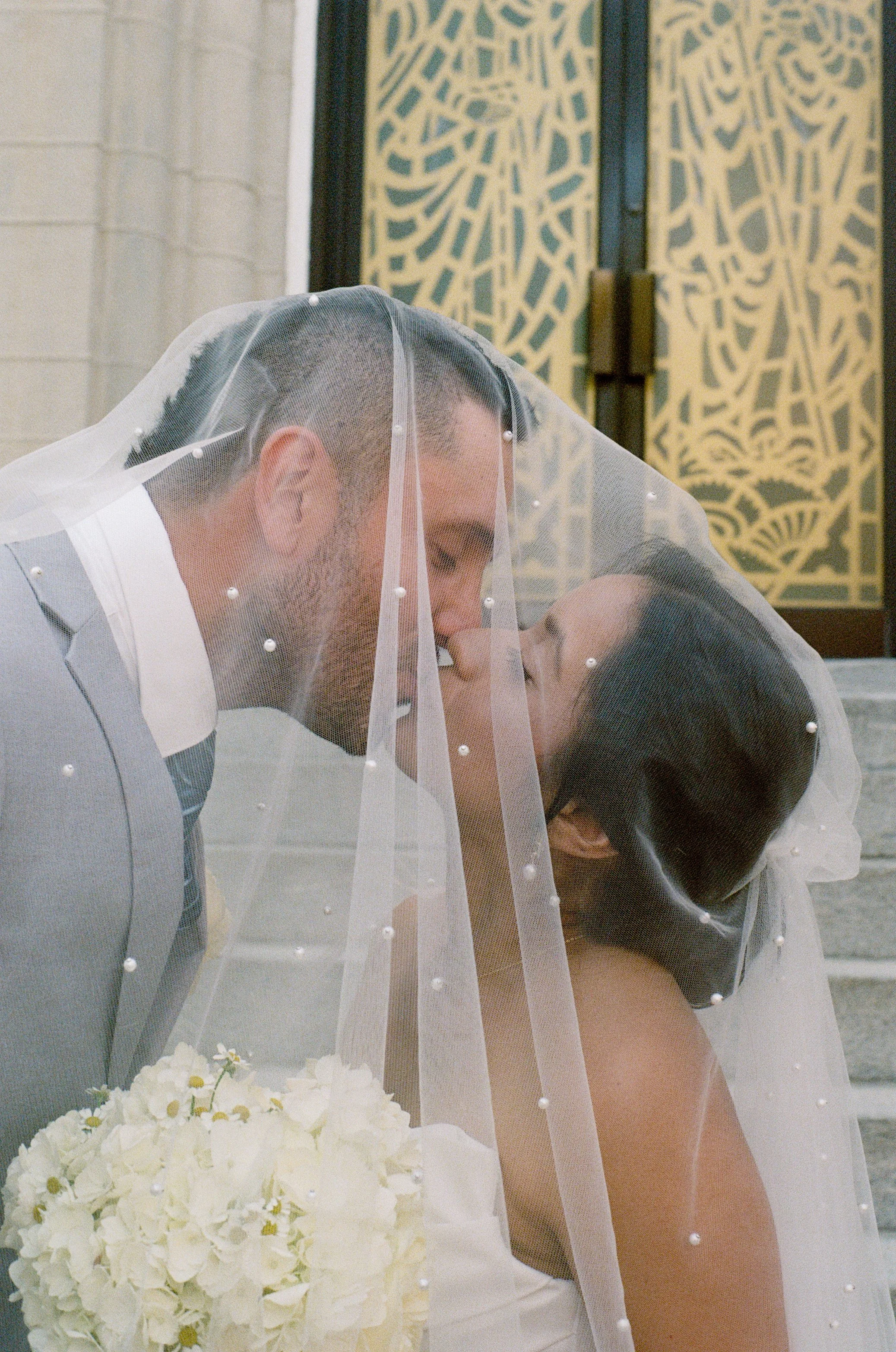
Film Wedding Photography &
The Analog Process
Film photography uses light-sensitive rolls of film, film cartridges, and photographic plates instead of digital sensors. Every frame counts, the process is slower, and requires more premeditation than digital. This technique creates images that feel documentary, timeless, and true to the moment. Skin tones are natural and soft, yet the colors simultaneously feel rich in a way that is both cinematic and nostalgic. Film has endured for over a century despite new digital technologies because its emotional resonance is unmatched. The grain in film adds texture, movement, and depth; and light interacts with celluloid in ways digital sensors can’t fully replicate.
Because film involves concentrated thought, time, and dedication to learning its quirks, it creates an experience that feels intentional and thoughtful. While you can snap dozens of photos in seconds on a digital camera to ensure you catch every single moment, the careful, deliberate film approach requires you to slow down, manually change settings, wind each frame by hand (depending on the type of camera), and replace the film once you finish a roll. The time it takes to remove a film roll, plate, or cartridge and load a new one, gives both the photographer and client time to take a pause, breathe, and enjoy the moment together. In an extremely fast-paced world where we can’t take a moment to sit with our feelings and appreciate things, film forces you to do just that – reflect on the energy of the moment and enjoy it. When crisp, hyper-clear digital images are available at the ready, film may seem slower, more imperfect or even challenging, but these qualities create warm, sentimental images that feel candid, emotive, and authentic.
One of the most interesting aspects of film is it also has the benefit of capturing the exact moment in time on a physical medium that you can see and touch, which will last for decades to come. Having an image printed on a negative means that light photons are actually preserving the moment, exactly as it was, imperfections and all. My friend once said film is essentially like the closest we can get to time travel, because it’s captured through light itself. Film preserves moments as memories rather than just images, creating a lasting connection to your story.
As previously mentioned, the beauty of film is capturing a moment on a physical medium. When you choose film photography, after the wedding or elopement (or whatever we’re shooting) is done, the film is processed, developed, scanned, and edited. I can then mail you the original negatives. Negatives can be preserved for hundreds of years, leaving a lifelong physical legacy in a digital world. Film photography is beautifully imperfect by nature, which is part of what makes it so special. I shoot thoughtfully and with intention to ensure full coverage while embracing the organic character that makes film timeless.
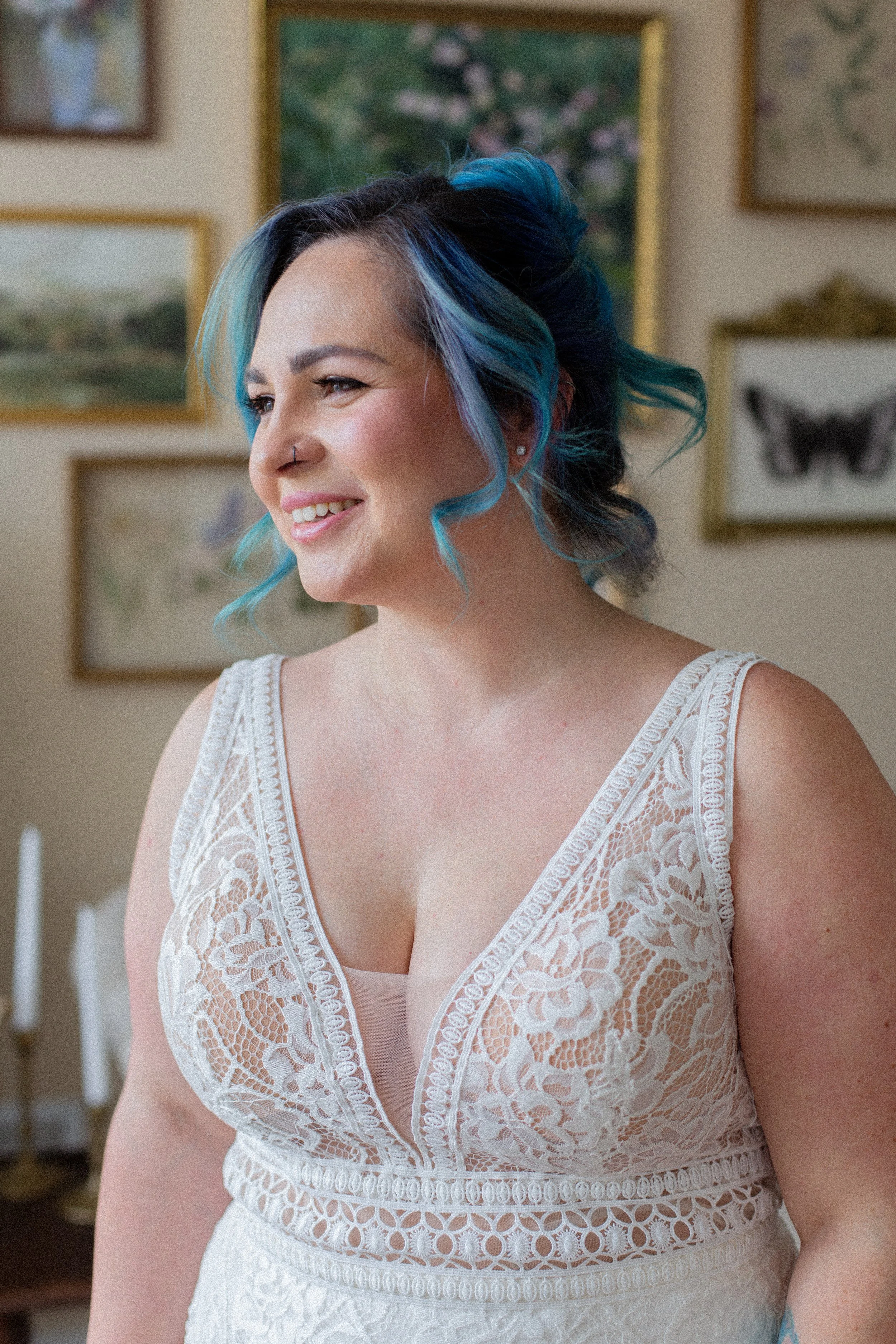
Digital Wedding Photography: The Modern Photography Process
I may be biased, but I always say film feels like a beautiful memory, whereas digital feels like a false impression of reality. Digital images often feel overly polished or “perfect.” Sharpness, clarity, fast turnaround, and capturing every moment are often the goal. While color rendering in film is largely impacted by the film stock or type, digital color is shaped by camera brand technology, which can sometimes render tones more saturated or unnatural.
Editing digital images also requires more correction work; including color grading, contrast adjustments, and retouching to smooth imperfections. While digital is more cost-effective because it doesn’t require physical materials, that very difference is part of why film feels more intentional and valuable to me.
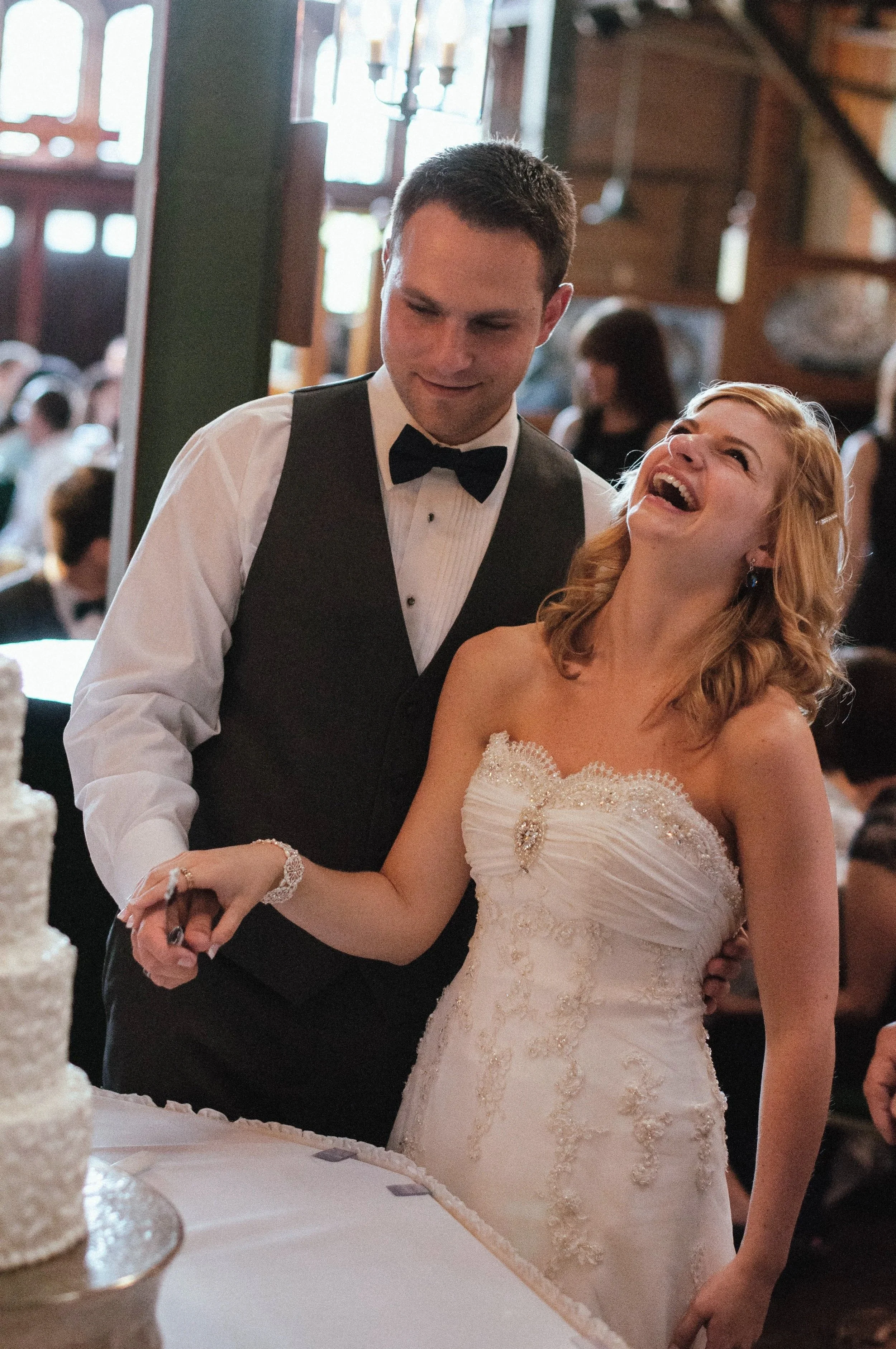
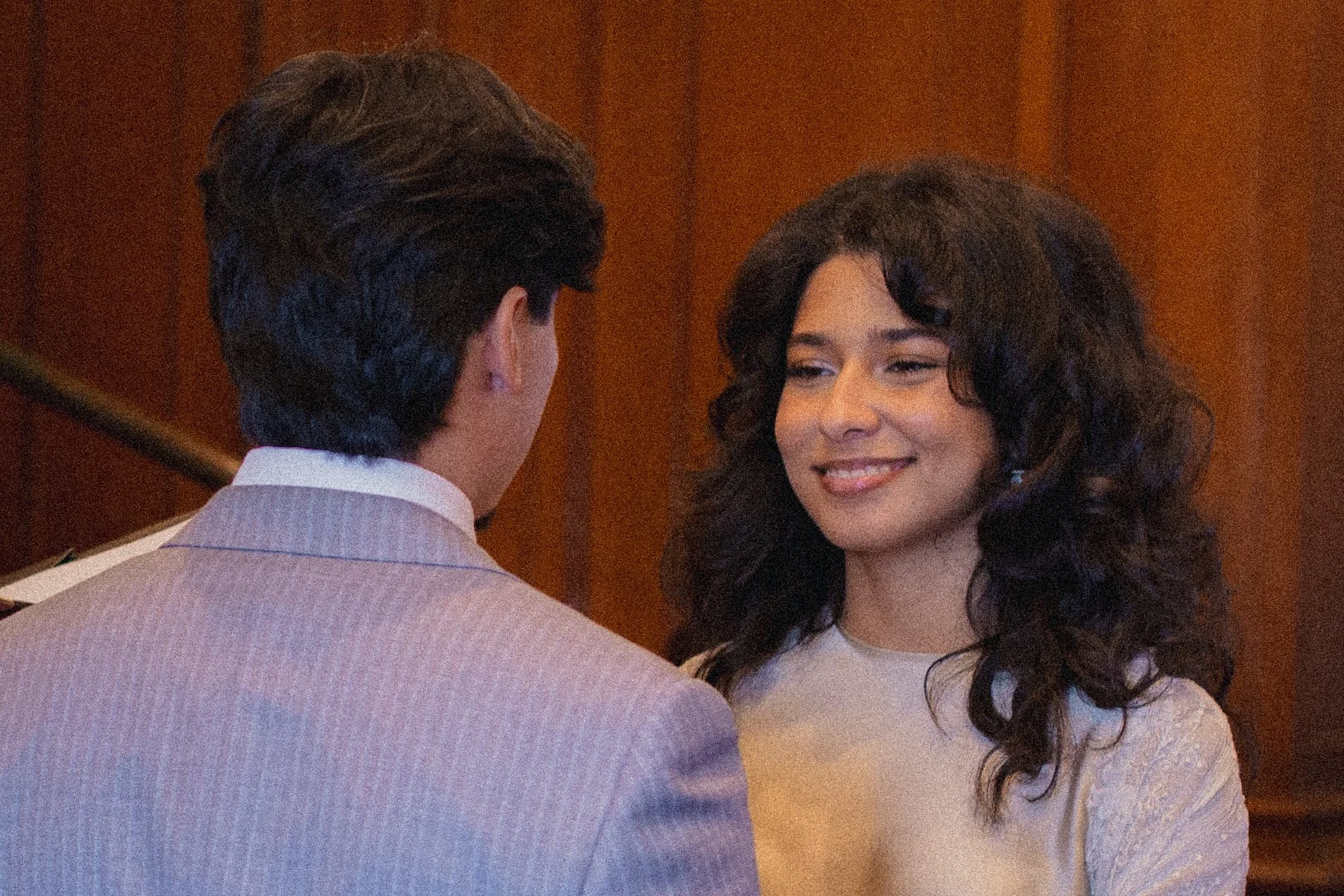
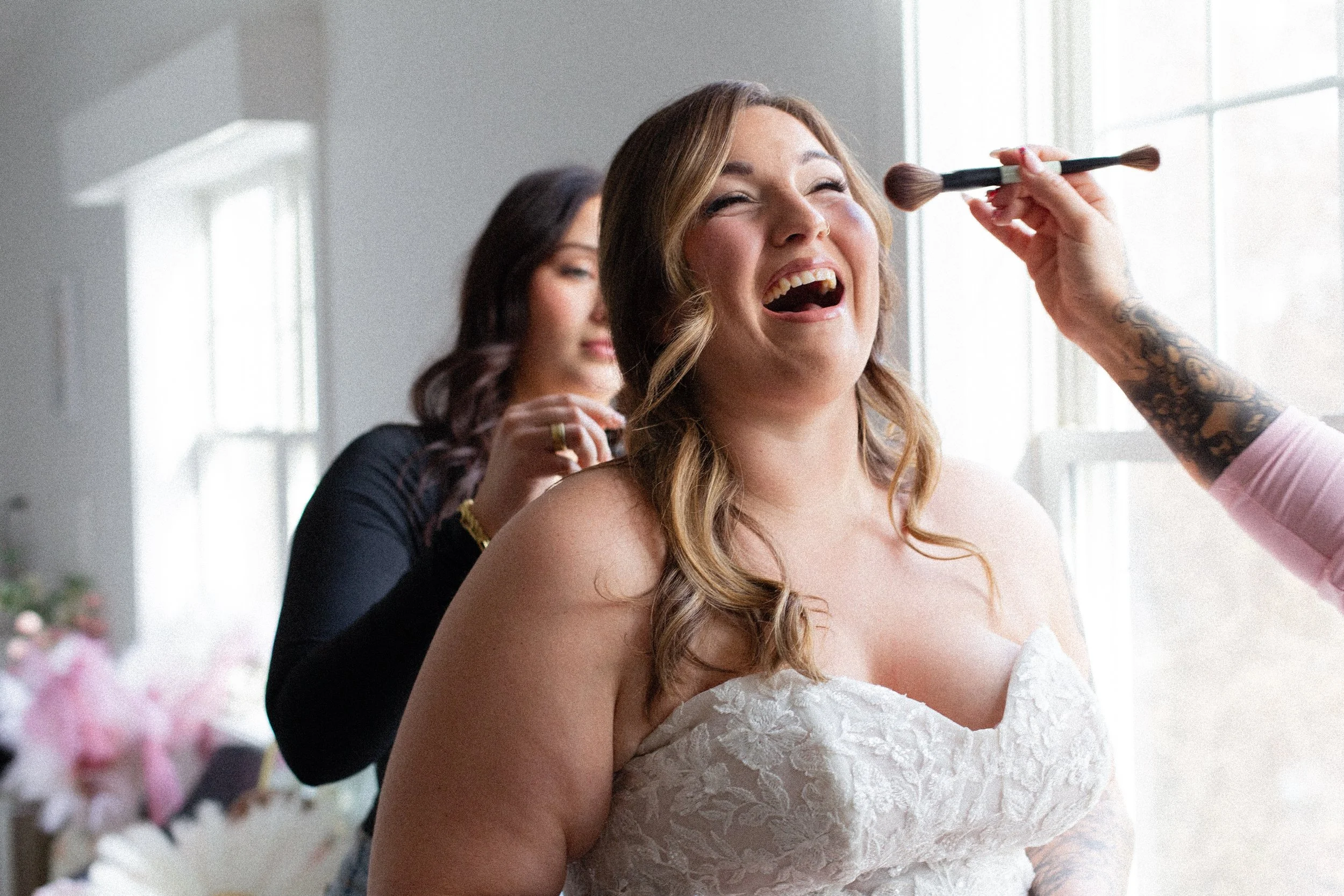
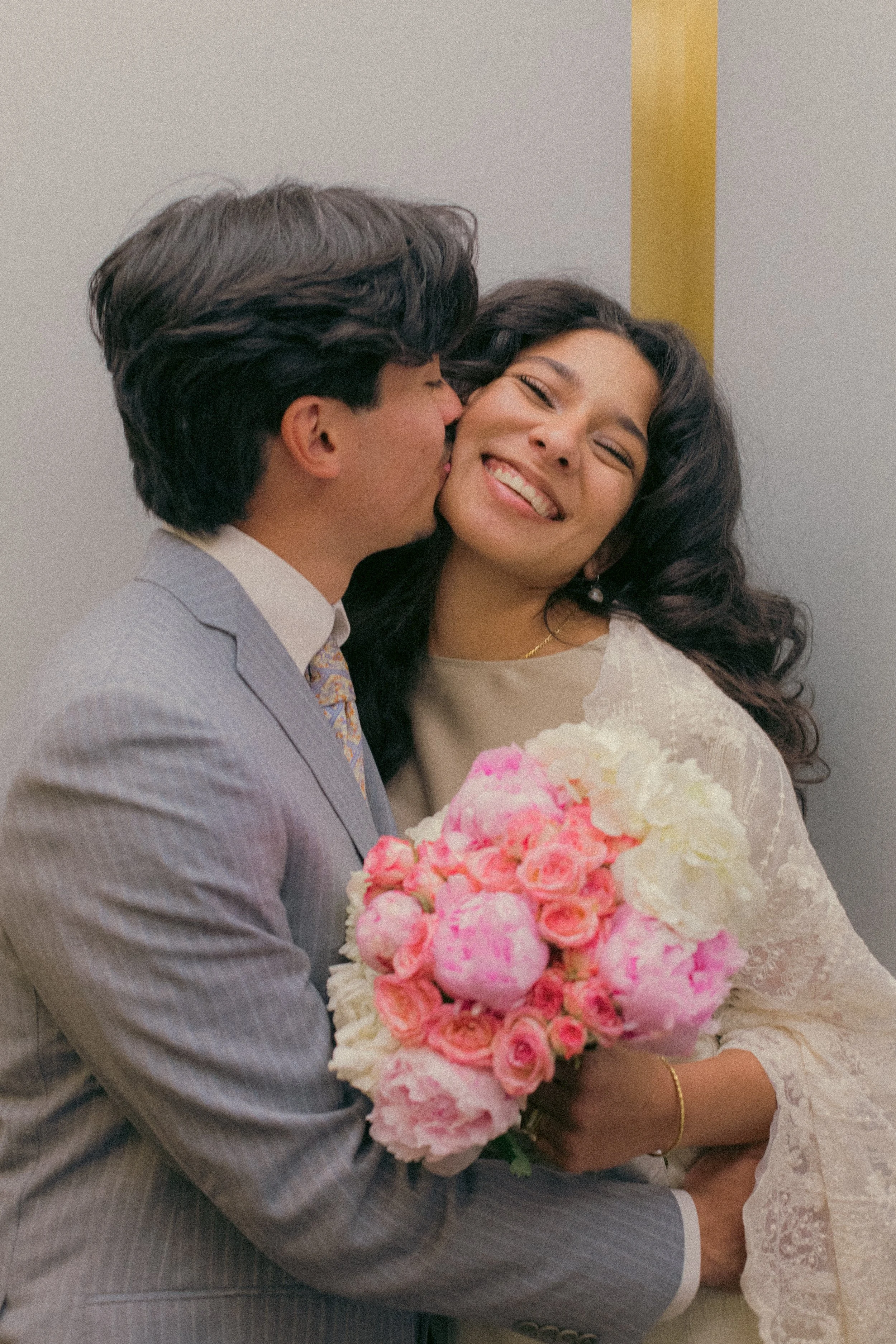
Love, on Film.
Everyone’s love is unique — my job is to capture it exactly how I see it. See some of my favorite 35mm, 120 medium format & Polaroid film photos below, and let’s get in touch! ♡
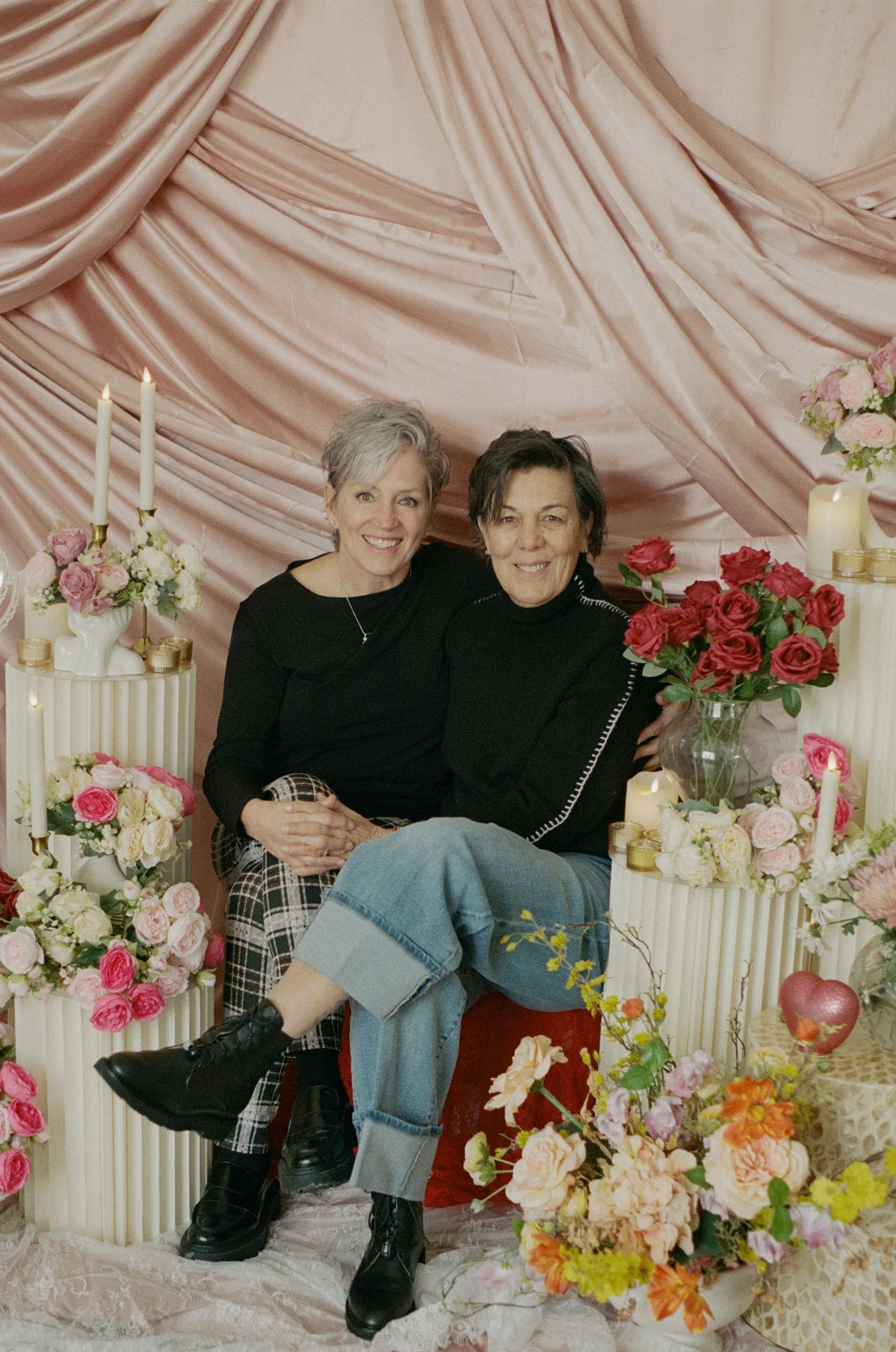
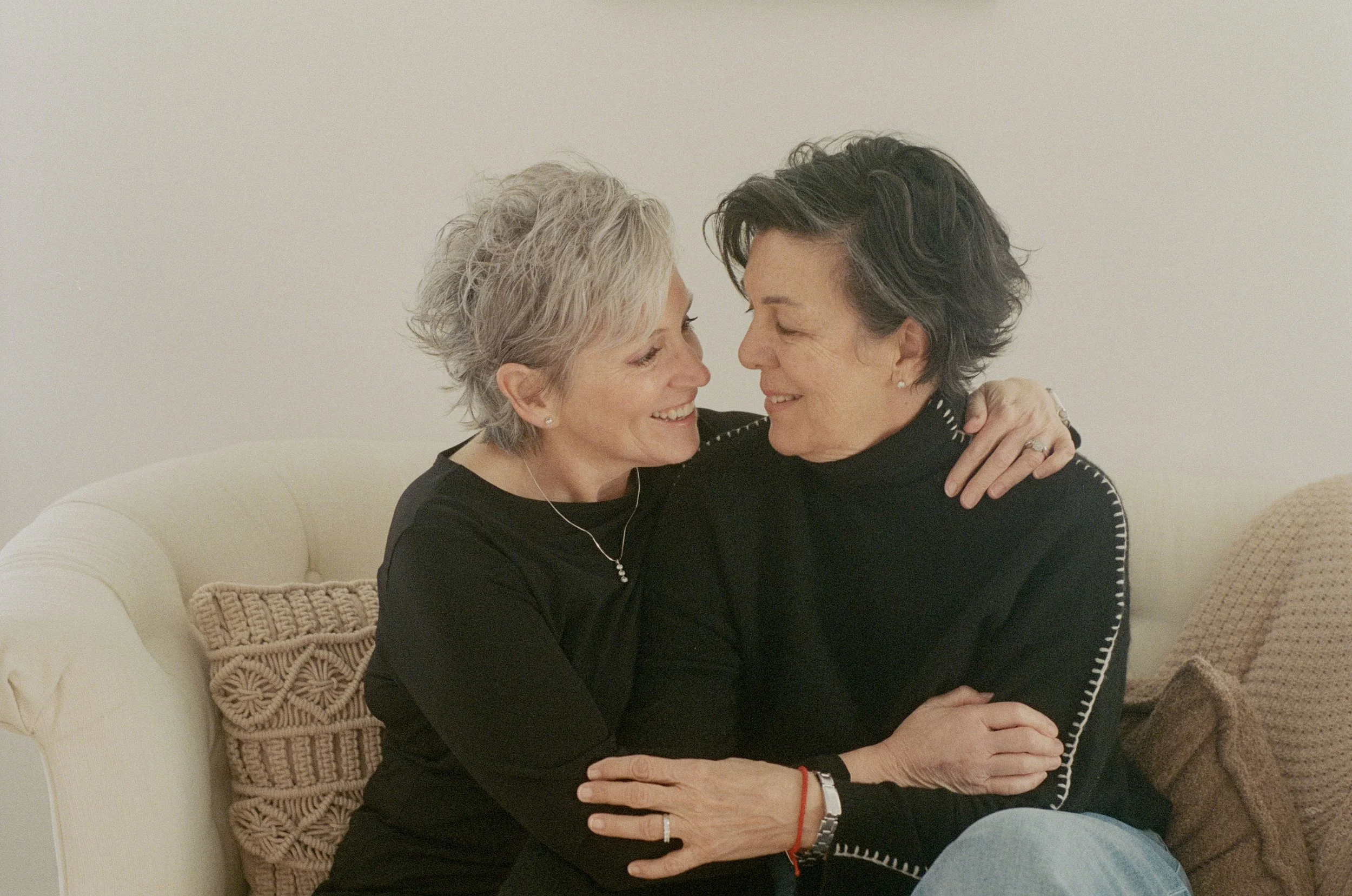
The Differences Between Film Photography & Digital Photography
Film Wedding Photography & The Analog Process
Film photography uses light-sensitive rolls of film, film cartridges, and photographic plates instead of digital sensors. Every frame counts, the process is slower, and requires more premeditation than digital. This technique creates images that feel documentary, timeless, and true to the moment. Skin tones are natural and soft, yet the colors simultaneously feel rich in a way that is both cinematic and nostalgic. Film has endured for over a century despite new digital technologies because its emotional resonance is unmatched. The grain in film adds texture, movement, and depth; and light interacts with celluloid in ways digital sensors can’t fully replicate.
Because film involves concentrated thought, time, and dedication to learning its quirks, it creates an experience that feels intentional and thoughtful. While you can snap dozens of photos in seconds on a digital camera to ensure you catch every single moment, the careful, deliberate film approach requires you to slow down, manually change settings, wind each frame by hand (depending on the type of camera), and replace the film once you finish a roll. The time it takes to remove a film roll, plate, or cartridge and load a new one, gives both the photographer and client time to take a pause, breathe, and enjoy the moment together. In an extremely fast-paced world where we can’t take a moment to sit with our feelings and appreciate things, film forces you to do just that – reflect on the energy of the moment and enjoy it. When crisp, hyper-clear digital images are available at the ready, film may seem slower, more imperfect or even challenging, but these qualities create warm, sentimental images that feel candid, emotive, and authentic.
One of the most interesting aspects of film is it also has the benefit of capturing the exact moment in time on a physical medium that you can see and touch, which will last for decades to come. Having an image printed on a negative means that light photons are actually preserving the moment, exactly as it was, imperfections and all. My friend once said film is essentially like the closest we can get to time travel, because it’s captured through light itself. Film preserves moments as memories rather than just images, creating a lasting connection to your story.
As previously mentioned, the beauty of film is capturing a moment on a physical medium. When you choose film photography, after the wedding or elopement (or whatever we’re shooting) is done, the film is processed, developed, scanned, and edited. I can then mail you the original negatives. Negatives can be preserved for hundreds of years, leaving a lifelong physical legacy in a digital world. Film photography is beautifully imperfect by nature, which is part of what makes it so special. I shoot thoughtfully and with intention to ensure full coverage while embracing the organic character that makes film timeless.
The Differences Between Film Photography & Digital Photography
Film Wedding Photography & The Analog Process
Film photography uses light-sensitive rolls of film, film cartridges, and photographic plates instead of digital sensors. Every frame counts, the process is slower, and requires more premeditation than digital. This technique creates images that feel documentary, timeless, and true to the moment. Skin tones are natural and soft, yet the colors simultaneously feel rich in a way that is both cinematic and nostalgic. Film has endured for over a century despite new digital technologies because its emotional resonance is unmatched. The grain in film adds texture, movement, and depth; and light interacts with celluloid in ways digital sensors can’t fully replicate.
Because film involves concentrated thought, time, and dedication to learning its quirks, it creates an experience that feels intentional and thoughtful. While you can snap dozens of photos in seconds on a digital camera to ensure you catch every single moment, the careful, deliberate film approach requires you to slow down, manually change settings, wind each frame by hand (depending on the type of camera), and replace the film once you finish a roll. The time it takes to remove a film roll, plate, or cartridge and load a new one, gives both the photographer and client time to take a pause, breathe, and enjoy the moment together. In an extremely fast-paced world where we can’t take a moment to sit with our feelings and appreciate things, film forces you to do just that – reflect on the energy of the moment and enjoy it. When crisp, hyper-clear digital images are available at the ready, film may seem slower, more imperfect or even challenging, but these qualities create warm, sentimental images that feel candid, emotive, and authentic.
One of the most interesting aspects of film is it also has the benefit of capturing the exact moment in time on a physical medium that you can see and touch, which will last for decades to come. Having an image printed on a negative means that light photons are actually preserving the moment, exactly as it was, imperfections and all. My friend once said film is essentially like the closest we can get to time travel, because it’s captured through light itself. Film preserves moments as memories rather than just images, creating a lasting connection to your story.
As previously mentioned, the beauty of film is capturing a moment on a physical medium. When you choose film photography, after the wedding or elopement (or whatever we’re shooting) is done, the film is processed, developed, scanned, and edited. I can then mail you the original negatives. Negatives can be preserved for hundreds of years, leaving a lifelong physical legacy in a digital world. Film photography is beautifully imperfect by nature, which is part of what makes it so special. I shoot thoughtfully and with intention to ensure full coverage while embracing the organic character that makes film timeless.
Upcoming Retreat4 Spots
Left

FAQs
What services do you offer?
1
We offer a range of solutions designed to meet your needs—whether you're just getting started or scaling something bigger. Everything is tailored to help you move forward with clarity and confidence.
How do I get started?
2
Getting started is simple. Reach out through our contact form or schedule a call—we’ll walk you through the next steps and answer any questions along the way.
What makes you different?
3
We combine a thoughtful, human-centered approach with clear communication and reliable results. It’s not just what we do—it’s how we do it that sets us apart.
How can I contact you?
4
You can reach us anytime via our contact page or email. We aim to respond quickly—usually within one business day.
Services
Explore our range of services designed to help you move forward with confidence, wherever you're headed next.
Clients
We’re honored to have our work recognized in a range of publications, platforms, and press features.